The Power of Grayskull Returns: A Comprehensive Review and Analysis of Travis Knight’s ‘Masters of the Universe’ (2026)
By Journalism Staff
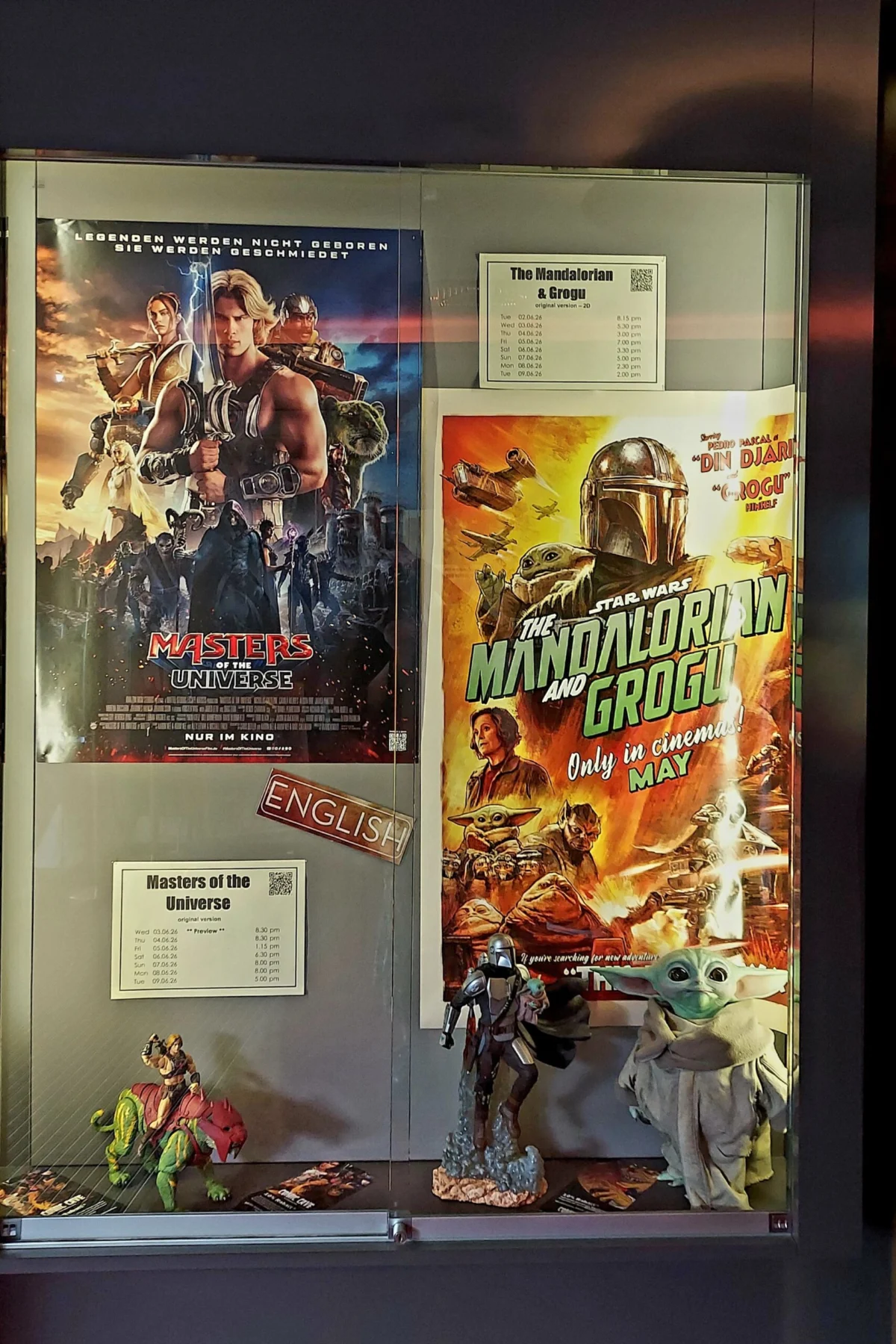
On June 3, 2026, the long-awaited live-action reimagining of Masters of the Universe held its preview screenings across Europe, signaling a potential turning point for one of Mattel’s most storied intellectual properties. In Hamburg, Germany, the Savoy Movie Theater—famed for its massive screen and commitment to original-language broadcasts—hosted a pivotal preview of the Travis Knight-directed epic.
The film arrives at a precarious moment for Hollywood, as the industry grapples with "franchise fatigue" and a polarized cultural landscape. However, early reactions suggest that Masters of the Universe (2026) may have found the elusive "sweet spot" between 1980s nostalgia and modern cinematic craftsmanship.
I. Main Facts: A Bold Vision for Eternia
Directed by Travis Knight (Bumblebee, Kubo and the Two Strings), the 2026 Masters of the Universe is a vibrant, high-budget "sword and planet" adventure that aims to erase the lingering disappointment of the 1987 Cannon Films adaptation. Starring Nicholas Galitzine as Prince Adam/He-Man and Camila Mendes as Teela, the film is a co-production intended to launch a multi-film franchise.
Key Production Elements:
- Director: Travis Knight
- Production Design: Guy Hendrix Dyas (Inception, Steve Jobs)
- Score: Daniel Pemberton (Spider-Man: Into the Spider-Verse)
- Stunt Coordination: Lian Yang
- Cast: Nicholas Galitzine (Adam/He-Man), Camila Mendes (Teela), Sir Idris Elba (Man-at-Arms), Jared Leto (Skeletor), Alison Brie (Evil-Lyn), and James Purefoy (King Randor).
The film distinguishes itself through a "Technicolor extravaganza" aesthetic, intentionally avoiding the "grimdark" or "murkovision" trends that have dominated superhero and fantasy cinema for the past decade. It leans heavily into the Filmation cartoon’s DNA while integrating lore from the original 1980s toy line and modern iterations like Masters of the Universe: Revelation.
II. Chronology: From the Fall of Eternos to the Streets of Oklahoma
The narrative of the film is structured as a "hero’s journey" interrupted by a fifteen-year exile, providing a grounded emotional core to an otherwise fantastical setting.
The Childhood Trauma
The film opens on Eternia, depicting the "worst day" in the life of a young Prince Adam (played by Artie Wilkinson-Hunt). Adam is portrayed as a physically smaller, sensitive child who struggles to meet the hyper-masculine expectations of his father, King Randor. During a combat training session, Adam is humiliated by his father in front of the Royal Guard. This domestic tension is shattered when Skeletor’s forces launch a surprise invasion of the capital, Eternos.
In a desperate bid to save the lineage, Queen Marlena (Charlotte Riley)—formerly NASA astronaut Marlena Glenn—and King Randor send Adam to Earth via a cosmic portal. He carries the Sword of Power, the conduit for Eternia’s mystical energies. However, a mid-transit accident causes the sword to be lost, and Adam is dumped alone into a lake on Earth.

The Earth Exile
The film then jumps fifteen years forward. Adam (Nicholas Galitzine) is living a mundane, somewhat lonely life in Oklahoma City. Working in a corporate Human Resources department, Adam is a "child of two worlds" who fits into neither. He is depicted as earnest and goofy, frequently boring his dates with stories of his "alien" origins. His only friend is his roommate, Hussein, who views Adam’s claims of being a prince as a quirk of his obsessive personality.
The Return to Power
The plot ignites when Adam finally relocates the Sword of Power in a local collectibles shop—a scene packed with Easter eggs for long-time fans. The discovery alerts both the heroic resistance and Skeletor’s henchmen, leading to a destructive skirmish on Earth.
Upon returning to Eternia, Adam finds a world transformed. Skeletor has ruled for fifteen years, and the resistance—led by a cynical, disgraced Duncan (Idris Elba) and a battle-hardened Teela (Camila Mendes)—is unimpressed by the "clumsy" man who has returned to save them. The climax of the film involves Adam learning that the Power of Grayskull is not merely about physical transformation, but the empathy and leadership required to unite a broken people.
III. Supporting Data: Aesthetics, Sound, and Performance
Visual Identity and Production Design
Production designer Guy Hendrix Dyas has been praised for his "maximalist" approach. Unlike the 1987 film, which remained on Earth to save costs, the 2026 version spends the vast majority of its two-hour-and-thirteen-minute runtime on Eternia. The world is a blend of high-tech machinery and ancient sorcery, featuring "Sky Sleds" and the iconic Castle Grayskull. While some CGI elements—notably the character of Cringer/Battle-Cat—received mixed feedback for "ropey" textures, the use of physical sets provides a tangible weight to the world.
The Sound of Eternia
The score by Daniel Pemberton is a standout feature, blending symphonic grandeur with 1980s-inspired rock. The soundtrack includes:
- Original Songs: A title track by British hard rock band The Darkness.
- Needle Drops: "Princes of the Universe" by Queen, "Boys Don’t Cry" by The Cure, and "What’s Up" by 4 Non-Blondes (a nod to the viral internet meme).
- Orchestration: Riffs contributed by Brian May of Queen, evoking the spirit of the Flash Gordon and Highlander soundtracks.
Character Analysis
- Nicholas Galitzine (Adam/He-Man): Critics have noted Galitzine’s ability to portray Adam’s vulnerability. His He-Man is not an invincible god but a man learning to wield immense power.
- Idris Elba (Man-at-Arms): The film takes a daring risk by portraying Duncan as a "washed-out drunk" sleeping in gutters before his redemption arc. This "rock bottom" portrayal adds significant stakes to the Heroic Warriors’ struggle.
- Jared Leto (Skeletor): Leto’s performance is described as "grandiose and terrifying," leaning into Frank Langella’s 1987 theatricality while maintaining the biting insults of the Filmation era.
IV. Official Responses and Critical Reception
The reception of Masters of the Universe has been polarized, reflecting the current state of "nostalgia cinema."
The "Woke" vs. "Faithful" Debate
On social media and review aggregators, the film has faced criticism from "far-right" and "anti-woke" commentators who take issue with the film’s emphasis on Adam’s empathy and the "parentified" role of Teela. Conversely, many fans have defended the film, arguing that it captures the true essence of the property—which was always about "being the best version of yourself" rather than raw toxic masculinity.
Critical Industry Analysis
Box office analysts have expressed concern regarding the film’s release window. Launching in a crowded summer season against established horror franchises and indie hits, Masters of the Universe faces an uphill battle. Some "box office gurus" have predicted a "bomb" based on early tracking, drawing comparisons to John Carter or Dungeons & Dragons: Honor Among Thieves—films that were critically well-received but failed to capture a broad enough audience to sustain a franchise.

The "Savoy" Reaction
The preview audience in Hamburg, however, told a different story. The screening was met with spontaneous applause, particularly during the three post-credit scenes. The "moral message" at the end of the film, a direct homage to the 1980s cartoons, reportedly elicited cheers from the crowd, suggesting that the film’s "sincerity" may resonate with general audiences more than cynical marketing data suggests.
V. Implications: The Future of the "Sword and Planet" Genre
The success or failure of Masters of the Universe (2026) carries significant weight for the industry.
1. The Mattel Cinematic Universe
Following the massive success of Barbie (2023), Mattel is eager to prove that its other toy lines can sustain cinematic narratives. A failure here could stall projects based on Hot Wheels, Thundercats, and Silverhawks.
2. The Revival of Sincerity
If Travis Knight’s vision succeeds, it may signal an end to the "ironic" or "self-deprecating" tone that has dominated blockbuster filmmaking since the mid-2010s. By leaning into the "inherent goofiness" of names like Fisto and Ram-Man while treating the characters’ emotions seriously, Knight has proposed a new model for handling "silly" IP.
3. The Power of the "Family Film"
The film’s inclusion of both slapstick humor for children and "suggestive" jokes for adults (including a recurring gag involving the character Fisto) positions it as a true family film. This demographic reach is essential for the film to overcome its high production costs.
Conclusion: A Call to Action for Fans
The film concludes with a teaser for a sequel that promises to expand the lore further. For fans of the genre, the message is clear: the survival of "Sword and Planet" cinema depends on the opening weekend. As the credits roll on Travis Knight’s colorful vision, the question remains whether modern audiences are ready to embrace a hero who leads with his heart as much as his sword.
Masters of the Universe is now playing in select theaters worldwide. Audience members are encouraged to stay through the final post-credits scene for a glimpse at the future of Eternia.