Cultivating a Sustainable Writing Life: Embracing the Rhythms of Creation
In the relentless pursuit of literary success, many authors, particularly those emerging from the indie boom era, have grappled with a pervasive myth: that unyielding hustle and constant output are the sole keys to unlocking their potential. This article explores a more balanced and sustainable approach, drawing parallels with agricultural cycles to foster a writing life that thrives over the long haul.
For years, the prevailing wisdom within many writing communities has championed a mantra of relentless productivity: "Push harder. Write faster. Do more." This ethos, born from a desire to achieve success in a competitive landscape, often leads to a cycle of intense effort followed by inevitable burnout. As the author, KMW, notes in an introductory reflection, this approach, while initially effective, carries a significant cost. The conversation around writer burnout has become increasingly commonplace, a testament to the unsustainable demands placed upon creatives. This has spurred a deeper interest in cultivating a writing routine that not only facilitates the completion of projects but also nurtures a sustainable creative life.
The core of this evolved understanding lies in recognizing and honoring the inherent rhythms of creativity. As experience accrues, a profound shift occurs: from attempting to force creativity into rigid schedules to aligning with its natural cycles. Just as nature operates in seasons of growth, harvest, and rest, so too does the creative process. There are periods for intense effort and periods for rejuvenation, times for producing new work and times for replenishing the wellspring of inspiration. By embracing these cyclical patterns, discipline transforms from a stern taskmaster into a supportive partner, working in harmony with a deeper, more intuitive creative force.
This article delves into this concept, introduced by author Brian Hicks, who frames the journey of a writer through the metaphor of a farmer’s relationship with the land and its cyclical seasons. Hicks proposes a comprehensive framework that views drafting, revision, publishing, and rest not as isolated tasks, but as integral components of a larger, interconnected creative cycle. This approach offers a powerful antidote to the exhaustion of constant production and provides a roadmap for those struggling to complete projects or seeking a more enduring and fulfilling writing practice.
The Illusion of Two Writer Archetypes: Beyond Burnout and Stagnation
Hicks identifies a common misconception among authors, particularly independent writers: the belief that only two types of writers exist. The first is the "hard-driving, rapid-release, all-gas, no-brakes writer," who is perceived as the sole path to success. The second is the "slow-grinding, perpetually drafting, angst-ridden, soon-to-be former writer," who is seemingly destined for obscurity. This binary thinking implies that the former will inevitably triumph, while the latter is doomed to failure.
However, Hicks humbly submits that neither archetype is truly built for sustained success. The "all-gas" writer inevitably succumbs to burnout, while the "slow-grinding" writer, though perhaps less prone to exhaustion, may never gain enough momentum to achieve their goals. The eventual outcome for both, though manifesting differently, is a form of creative stagnation.
The crucial element missing from both these perceived archetypes is a reliable and consistent writing rhythm. Hicks proposes a third, more balanced approach: a saner author type that liberates writers from the pressure of manic pacing and self-recrimination when they falter. This paradigm, which he terms "Writing the Seasons," aims to restore sanity and confidence by offering a structured yet flexible framework for a sustainable writing life.
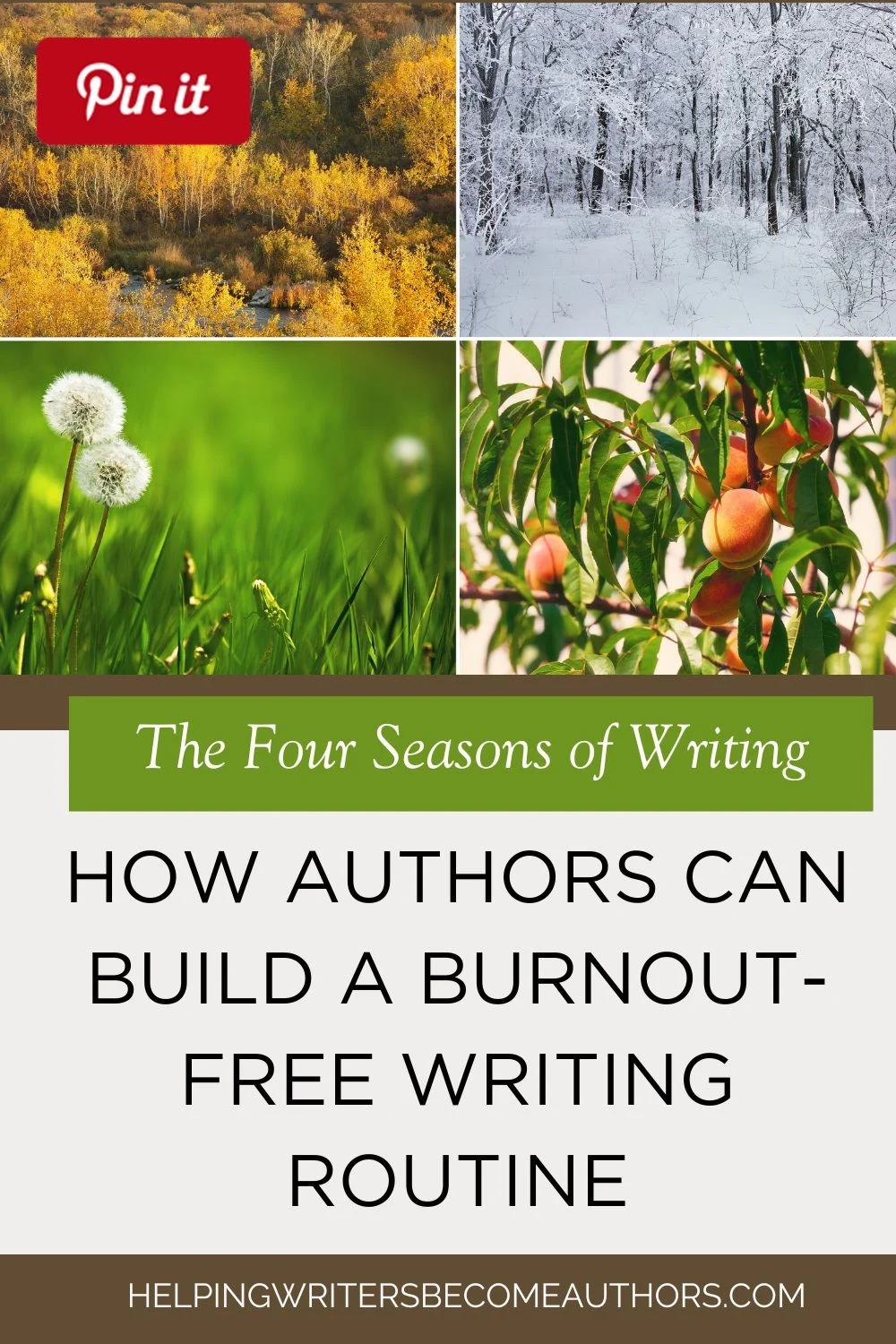
The Four Seasons of Writing: A Framework for Sustainable Creation
The struggle for consistent writing often stems from the overwhelming demands of modern life. Juggling day jobs, family responsibilities, community commitments, and personal pursuits leaves little room for dedicated creative time. This results in a "snatch-and-patch" approach, where writing is squeezed into fleeting moments – late at night, early in the morning, between meetings, or while waiting at children’s events. This fragmented approach, attempting to write in the margins of already overstuffed schedules, can lead to a decade passing without significant progress.
The fundamental principle underlying "Writing the Seasons" is that inconsistent writing yields inconsistent and unreliable results. Conversely, establishing a consistent and reliable rhythm naturally leads to consistent and reliable outcomes. This reliability is mirrored in the immutable laws of nature, particularly the predictable progression of the four seasons.
Spring: The Urgent Season of Drafting
Just as spring is the indispensable season for planting seeds, it represents the critical period for authors to lay the foundation of their novels: the first draft. The natural world dictates the urgency of spring; it is a finite window, and missing it has tangible consequences. Farmers cannot postpone planting, knowing that delays will directly impact their harvest.
Similarly, authors must create a dedicated "spring" for their writing. This means committing to putting words on the page, resisting the urge to delay or find excuses. Spring is the season for focused immersion, where distractions are minimized. Non-essential commitments are temporarily set aside, and loved ones are informed that a period of intense creative focus has begun. This dedicated time is for outlining, developing backstories, and establishing a weekly writing schedule, with the ultimate goal of completing a first draft by the end of the season.
The duration of this "spring" is not rigidly defined by natural seasons. It is a personal commitment, adaptable to individual circumstances. A writer with fewer external obligations and a faster drafting pace might complete their first draft in a month. Conversely, an author juggling multiple jobs and significant family responsibilities may require a considerably longer spring. The key, however, is to establish a definitive end date, a clear target for completing the drafting phase, recognizing that "summer" is on the horizon and planning accordingly.
Summer: The Diligent Season of Revision and Refinement
Following the initial planting of spring, summer on a farm demands diligent care: weeding, watering, and protecting the nascent crops from pests and disease. For authors, this translates to the rigorous process of revision and manuscript strengthening. This is often the most challenging phase, where writers encounter the "droughts" and "beetles" of their work – the passages that don’t quite land, the plot holes that emerge, or the beta reader feedback that is difficult to accept.
The temptation during summer can be to abandon the current project and start anew, a fresh field elsewhere. However, the "Writing the Seasons" metaphor emphasizes commitment. Just as a farmer harvested soybeans from the soybeans planted in spring, an author must commit to seeing their started story through. While creative freedom remains paramount, at some point, a decision must be made to see the original narrative to completion.
Summer is characterized by its heat and intensity, mirroring the challenges of revision. It will test an author’s resolve, potentially involving difficult decisions about cutting beloved passages ("killing darlings") or addressing unwelcome critiques. The success of this season hinges on trusting the process – that by tending to the seeds planted in spring, the combined effort of dedication and creative refinement will yield a story of which one can be proud.

The duration of "summer" is also a personal consideration. Revision can be a less exhilarating process than drafting, often leading to a temporary disaffection with the manuscript. This can tempt authors to take extended breaks, transforming a potentially finished novel into a perpetual work-in-progress. Therefore, it is crucial to set and uphold a sacred end date for the revision season, regardless of the perceived difficulty or the emotional toll.
Autumn: The Culmination of Publishing and Sharing
Autumn represents the harvest, the culmination of the hard work invested in spring and summer. For authors, this is the season of publishing, whether it involves querying literary agents or self-publishing the completed manuscript. While these steps may not always feel like immediate rewards, they are the natural consequence of dedication.
The first step in autumn is to acknowledge and celebrate the achievement. Framing a book cover, enjoying a celebratory meal, or taking a moment to reflect on the accomplishment is vital. However, it’s also important to recognize a fundamental law of life: the reward for hard work is more work. Just as a farmer doesn’t let a harvested crop go to waste, authors shouldn’t let their completed work languish unpublished.
Autumn is the season to take the "crop to market." This involves the active pursuit of publication or the promotion of a self-published book. Unlike the more defined timelines of spring and summer, autumn’s duration is often dictated by market forces and the ongoing effort required to see tangible results. However, it’s crucial to understand that this season of sharing and promotion continues even as the next cycle of writing begins.
Winter: The Essential Season of Rest and Preparation
Winter signifies a period of rest, reflection, and strategic preparation for the next creative cycle. It is a time to recharge the creative batteries, to learn and grow without the immediate pressure of production. This involves catching up on industry podcasts, engaging with craft courses, reading books on writing techniques, and deepening understanding of marketing and reader engagement.
While actively writing the next novel may not be the focus, authors in winter are often still engaged in ongoing promotional campaigns or continuing the querying process. Crucially, they are also likely contemplating their next creative endeavor. This mental space allows for renewed enthusiasm and a fresh perspective as the next "spring" approaches.
Like all seasons, winter has an end date. The anticipation of spring signals the return of the planting cycle, and the author must be ready to embark on the next creative journey with renewed vigor.
Crafting a Personalized Seasonal Writing Routine
The success of the "Writing the Seasons" approach hinges on its adaptability to individual circumstances. The key is to create a seasonal calendar that aligns with one’s real-life schedule, beginning with the "spring" drafting phase. The subsequent seasons naturally flow from this initial commitment.
When determining the timing of your writing spring, consider periods when your other calendar commitments are naturally lighter. For instance, if your children’s activities typically decrease during winter holidays, a January-to-March writing spring might be an ideal fit. Conversely, if your spouse is a teacher, attempting a hyper-focused drafting period during the actual summer months, when household energy shifts, might be counterproductive.
The duration of each season is equally personal. Some authors can successfully complete two full cycles of seasons within a year, while others require longer periods for drafting and revision, aligning more closely with the natural three-month seasons. The crucial element is honesty about one’s capacity and process, coupled with the establishment of clear deadlines for each phase.
The Power of Sustainability: Finishing More Books
The ultimate goal of adopting a seasonal writing routine is to empower authors to finish more books. This requires a conscious effort to create and schedule a personal seasonal writing calendar. Utilizing digital calendars to set recurring appointments for each season, with specific start and end dates, is a practical first step. Incorporating alarms and reminders can further reinforce these commitments.
Farmers consistently produce because they operate within a sustainable, reliable process. By emulating this approach, authors can move away from a cycle of starting and abandoning projects. The decision to embrace "Writing the Seasons" is a commitment to becoming more like farmers of creativity, transforming the aspiration of finishing books into a consistent and achievable reality.
For authors seeking a structured approach to the crucial "spring" of drafting, resources like the Outlining Your Novel Workbook offer a practical pathway. By developing a clear roadmap for their stories before embarking on the writing process, authors can gain clarity, confidence, and purpose, ensuring they have the momentum to carry them from initial idea to finished manuscript.
Wordplayers, the journey to a sustainable writing life is a continuous exploration. What strategies have you found most effective in building a burnout-free writing routine and maintaining consistency with your creative goals? Share your insights and experiences in the comments below.