A Season of Suspense: The 2026 Crime Fiction Awards Landscape Unveiled
The global crime fiction community has entered its most prestigious stretch of the year, as the "Big Four" of the mystery world—the British Crime Writers’ Association (CWA), Capital Crime, Mystery Readers International, and the Private Eye Writers of America—have all released their respective winners and shortlists for 2026. From the historic halls of London to the upcoming festivities in Calgary, the announcements mark a pivotal moment for a genre that continues to dominate global bestseller lists and streaming adaptations.
This year’s awards cycle highlights a fascinating intersection between traditional "Golden Age" tropes and the "Twisted Thriller" subgenres that have captivated modern audiences. As the industry grapples with the rise of AI and shifting publishing models, these awards serve as a vital benchmark for literary excellence and the enduring power of the "whodunnit."
Chronology of the 2026 Awards Season
The mid-year awards rush began in mid-June and has accelerated through early July, creating a dense calendar of accolades for the world’s leading suspense novelists.
- June 18, 2026: The Fingerprint Awards were unveiled in London during the Capital Crime Festival. These awards, known for their emphasis on reader engagement and commercial success, set the tone for the summer.
- July 3, 2026: The British Crime Writers’ Association (CWA) held its annual Dagger Awards ceremony. As the oldest and most prestigious awards in the genre, the Daggers remain the "Oscars" of the crime world.
- July 7, 2026: Mystery Readers International announced the nominees for the Macavity Awards, shifting the focus toward the fan-voted favorites of the year.
- Early July 2026: The Private Eye Writers of America (PWA) released the finalists for the Shamus Awards, specifically honoring the "Private Eye" subgenre.
- Looking Ahead: The Shamus Award winners are scheduled to be announced during the Opening Ceremonies of Bouchercon 2026 in Calgary, Alberta, later this year.
The CWA Dagger Awards: The Gold Standard of Crime
The 2026 Dagger Awards ceremony, held in London on July 3, represented a celebration of both legacy and innovation. The CWA, founded in 1953 by John Creasey, has spent seven decades curating a list of winners that reads like a "Who’s Who" of literary giants.
The Pinnacle Categories
The KAA Gold Dagger, awarded for the best crime novel of the year, remains the most coveted prize. This year’s winner emerged from a shortlist that balanced high-concept literary thrillers with gritty, procedural realism. Similarly, the Ian Fleming Steel Dagger continues to honor the best in the "thriller" vein—books that exemplify the "James Bond" spirit of adventure and high stakes.
Diversity in Subgenres
One of the most notable developments in the 2026 Daggers is the continued growth of the Crime Fiction in Translation Dagger. As the market for international noir (particularly from Scandinavia, South Korea, and Japan) expands, this category has become a bellwether for global literary trends.
Furthermore, the Whodunnit Dagger—focused on "cosy crime" and traditional mysteries—has seen a resurgence. Industry analysts attribute this to a "comfort reading" trend, where audiences seek the structured resolution found in Golden Age-style puzzles. Conversely, the Twisted Dagger for psychological suspense continues to attract the highest volume of debut submissions, reflecting the "domestic noir" boom that shows no signs of slowing.
Lifetime and Institutional Honors
The Diamond Dagger, the CWA’s highest individual honor, was presented to a writer whose career has spanned decades, joining the ranks of icons like P.D. James and Ruth Rendell. Meanwhile, the Dagger in the Library remains unique for its selection process, which relies on nominations from librarians and focuses on authors who are consistently popular with the borrowing public, rather than just those who top the sales charts.
The Fingerprint Awards: A Modern Tradition
While the Daggers represent the establishment, the Fingerprint Awards, presented at the Capital Crime Festival on June 18, represent the pulse of the modern reader. Hosted in London, Capital Crime has quickly become one of the most influential festivals in the UK.
The Fingerprint Awards are distinctive because they integrate several medium-specific categories:
- Audiobook of the Year: Acknowledging the explosive growth of the audio format, which now accounts for a significant percentage of crime fiction revenue.
- Genre-Busting Book: This category celebrates authors who blend crime with elements of science fiction, fantasy, or historical drama, reflecting the industry’s move toward "cross-pollinated" narratives.
- True Crime Book of the Year: As the public’s obsession with real-life cases continues through podcasts and docuseries, this category has become a major highlight of the Fingerprint ceremony.
The Overall Crime Book of the Year at the Fingerprints often differs from the Gold Dagger winner, usually leaning toward titles with significant "word-of-mouth" success and high-velocity pacing.

The Macavity and Shamus Awards: The American Perspective
As the focus shifts across the Atlantic, the Macavity Awards and Shamus Awards provide a look at the North American mystery landscape.
The Macavity Awards
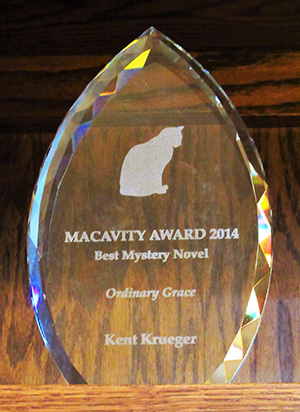
Named after T.S. Eliot’s "Mystery Cat," the Macavity Awards are nominated and voted upon by members of Mystery Readers International (MRI). Because these are fan-voted awards, they often reflect the "heart" of the mystery community.
- The Sue Feder Memorial Award for Best Historical Mystery is a perennial favorite, honoring books that meticulously recreate past eras while delivering a compelling central mystery.
- Best Mystery-related Nonfiction/Critical honors the scholars and biographers who keep the history of the genre alive.
The Shamus Awards
The Private Eye Writers of America (PWA) maintain a strict focus on the "P.I." story. To qualify for a Shamus, the protagonist must be a professional investigator for hire but not a member of a government law enforcement agency.
- Best PI Hardcover: This is the flagship category, often featuring grizzled detectives in the tradition of Raymond Chandler, but increasingly featuring diverse voices and modern settings.
- The 2026 Finalists: The recently announced shortlists for Best First P.I. Novel and Best Original Paperback show a healthy influx of new talent, proving that the "lone wolf" detective trope remains a fertile ground for storytelling.
Official Responses and Industry Sentiment
Following the announcements, CWA officials and festival organizers expressed optimism regarding the state of the industry. A spokesperson for the CWA noted that the 2026 submissions were "the most diverse in the organization’s history, both in terms of author background and narrative structure."
Maxim Jakubowski, a luminary in the crime writing world and a key figure in the CWA, has previously remarked on the "indestructible nature" of the crime novel. In the wake of the 2026 awards, several publishers noted that "Award Season" now provides a measurable "sales lift" that rivals the Christmas period, particularly for the Gold Dagger and Fingerprint winners.
However, some critics point to the "crowded" nature of the awards calendar. With four major announcements in a three-week span, some debut authors struggle to find the spotlight. "It is an embarrassment of riches," said one literary agent during the Capital Crime Festival. "But for a first-time novelist, winning a Dagger or a Shamus is still the most significant career-changing event they can hope for."
Implications: Trends to Watch in 2027
The 2026 awards provide a roadmap for where the genre is headed in the coming years. Several key implications have emerged:
- The Rise of "Historical Noir": The strength of the Historical Dagger and the Sue Feder Memorial Award suggests that readers are increasingly looking to the past to understand the present. We are seeing a move away from Victorian London toward more "recent" history, such as the 1970s and 80s.
- The Audiobook Evolution: The Fingerprint Awards’ emphasis on audiobooks suggests that publishers will continue to invest in "Audio-First" productions, potentially featuring celebrity narrators and immersive sound design.
- Globalism in Mystery: The Crime Fiction in Translation Dagger is no longer a niche category. As streaming platforms look for international IP to adapt, these translated novels are becoming the "hot properties" for film and television options.
- The "Bouchercon" Effect: As the community prepares for Bouchercon 2026 in Calgary, the focus will turn to how the genre can maintain its "community" feel as it grows into a multi-billion dollar global industry.
As the winners of the Shamus Awards prepare to take the stage in Calgary, the 2026 awards season stands as a testament to the genre’s vitality. Whether it is a "cosy" mystery set in a village tea shop or a "twisted" thriller set in the dark corners of the dark web, the crime fiction community continues to prove that there is no shortage of ways to tell the story of a hunt for the truth.
The "Daggers," "Fingerprints," "Macavities," and "Shamuses" are more than just trophies; they are the pulse of a genre that, despite its focus on death and deception, has never been more alive.