The Gotham Standard: Analyzing the Five Best Batman Films According to Critical Consensus
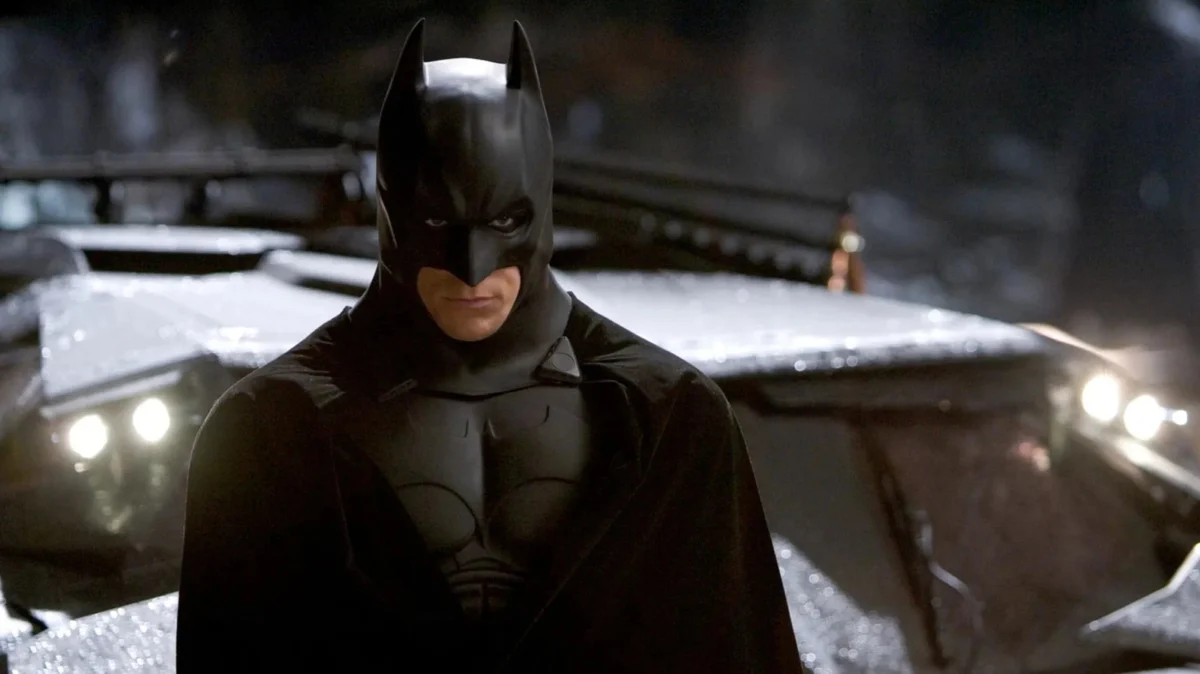
For over eight decades, the Caped Crusader has remained the most versatile and enduring figure in the pantheon of DC Comics. Unlike his peers, who often rely on extraterrestrial origins or divine empowerment, Bruce Wayne’s appeal lies in his humanity, his trauma, and his tactical brilliance. This adaptability has allowed a century of filmmakers to mold Gotham City into various shapes—ranging from the neon-soaked camp of the 1960s to the gritty, hyper-realistic noir of the 2020s.
In the modern era of film criticism, Rotten Tomatoes has become the primary aggregator for gauging the success of these interpretations. While subjective "best-of" lists are common among fans, the Rotten Tomatoes rankings provide a unique window into how professional critics perceive the evolution of the Batman mythos. Based on their weighted scores, five films have risen above the rest as the definitive cinematic portrayals of the Dark Knight.
Main Facts: The Critical Hierarchy of the Bat
According to the latest data from Rotten Tomatoes, the top five Batman films are dominated by the vision of Christopher Nolan, though they are punctuated by surprising entries from the world of animation and a fresh detective-centric reboot. The current rankings are as follows:
- The Dark Knight (2008) – 94%
- The LEGO Batman Movie (2017) – 90%
- The Dark Knight Rises (2012) – 87%
- The Batman (2022) – 85%
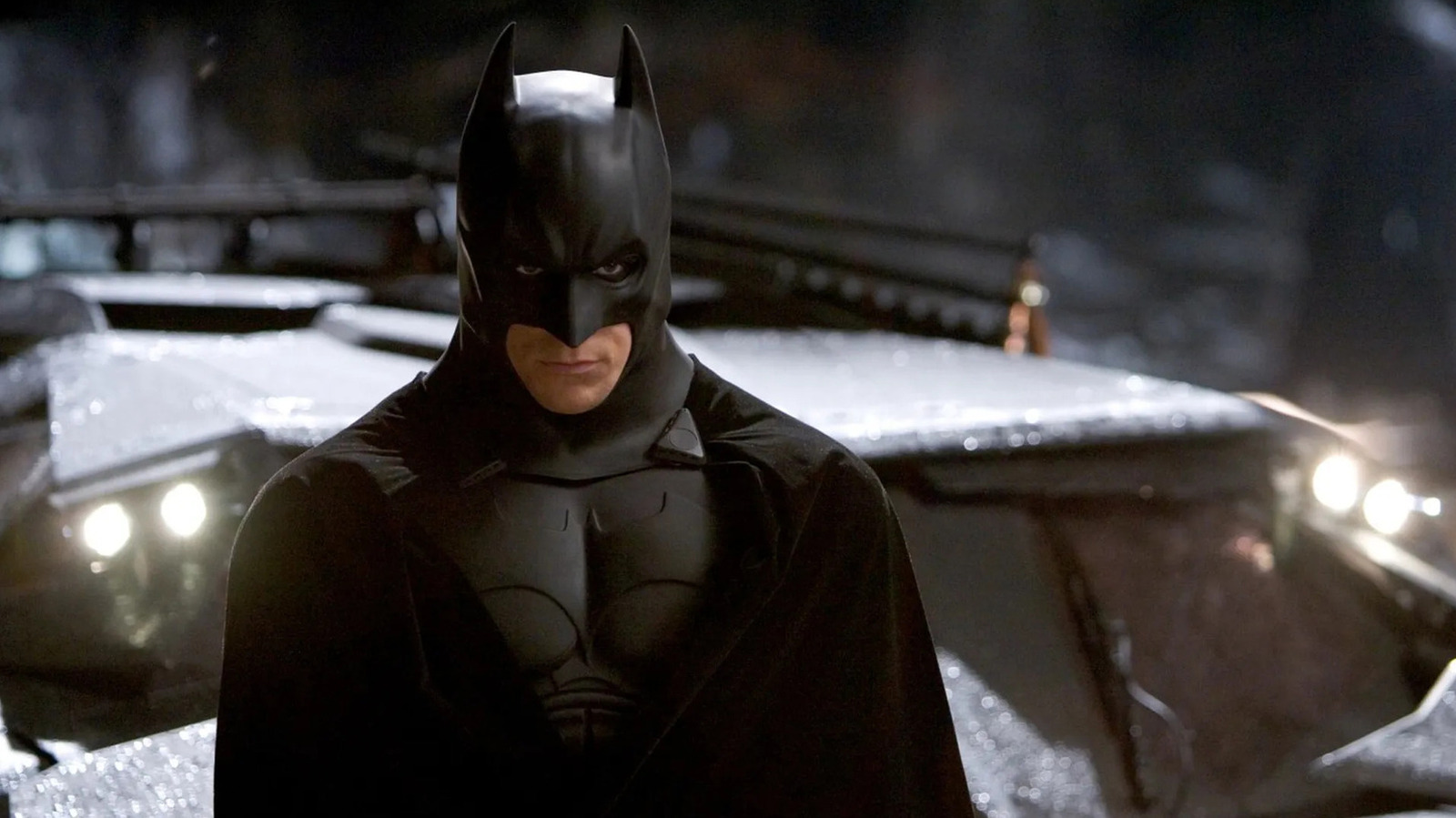
- Batman Begins (2005) – 85% (Ranked below The Batman due to a lower number of total reviews)
These films represent a cross-section of the character’s history, showcasing the transition from a traditional superhero origin to a high-stakes crime drama, and even a meta-textual comedy that deconstructs the very nature of the "brooding loner."
Chronology: The Evolution of a Cinematic Icon
To understand how these five films achieved their status, one must look at the chronological trajectory of the franchise. For decades, Batman cinema was defined by the gothic expressionism of Tim Burton. However, after the commercial and critical failure of 1997’s Batman & Robin, the character entered a period of cinematic hibernation.
The Nolan Revolution (2005–2012)
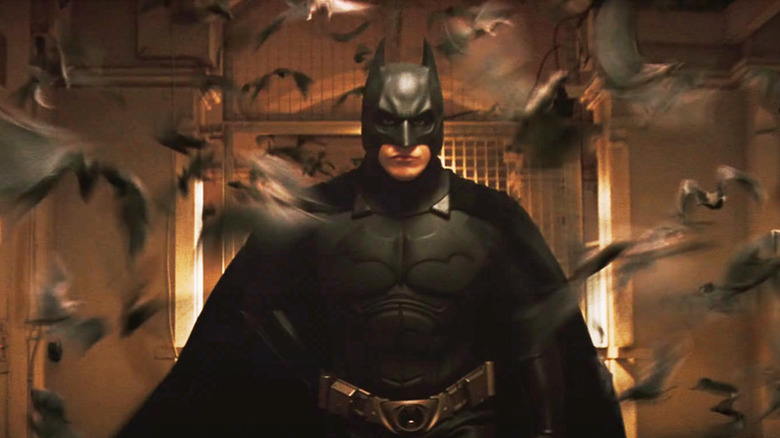
The modern era of Batman began in 2005 with "Batman Begins." Christopher Nolan stripped away the theatricality of the Schumacher era, opting instead for a "grounded" reality. This film redefined the superhero origin story, focusing on the psychological development of Bruce Wayne and his training with the League of Shadows.
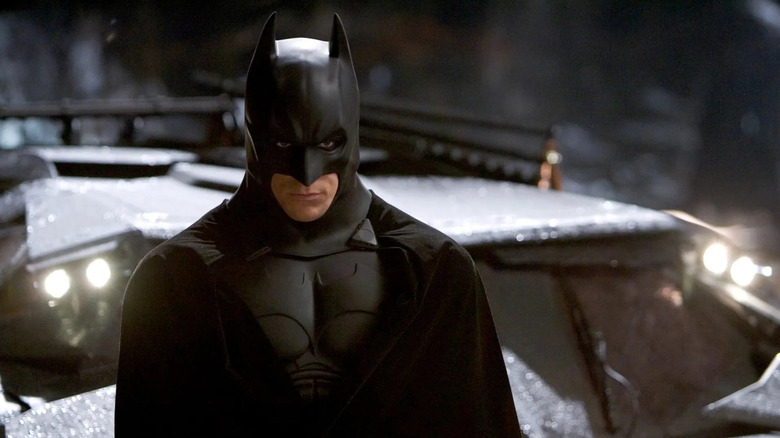
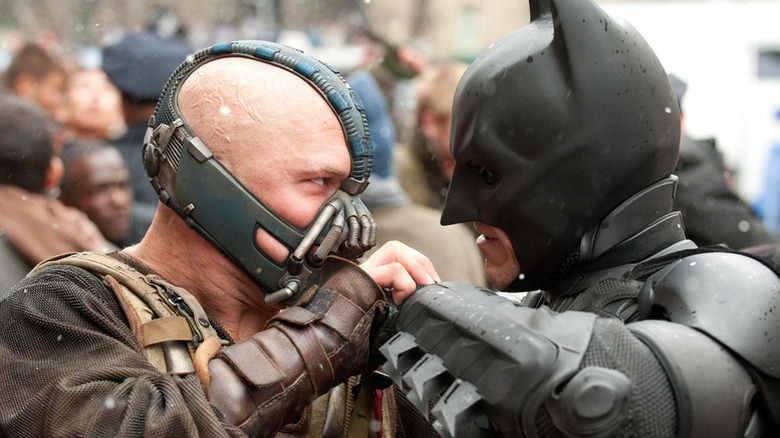
This momentum peaked in 2008 with "The Dark Knight." Often cited as the greatest superhero movie ever made, it transcended the genre by functioning as a Michael Mann-inspired crime epic. The film’s success was bolstered by Heath Ledger’s posthumous Oscar-winning performance as the Joker, which set a new standard for cinematic villains. The trilogy concluded in 2012 with "The Dark Knight Rises," an ambitious finale that explored the concept of Batman as a symbol of hope during a city-wide revolution.
The Animated Pivot and the Noir Reboot (2017–2022)
Following the "Snyderverse" era, which divided critics, the character found renewed acclaim in two vastly different formats. 2017’s "The LEGO Batman Movie" took a sharp turn into parody, using the medium of animation to celebrate every era of Batman’s history while providing a surprisingly poignant look at his fear of family.
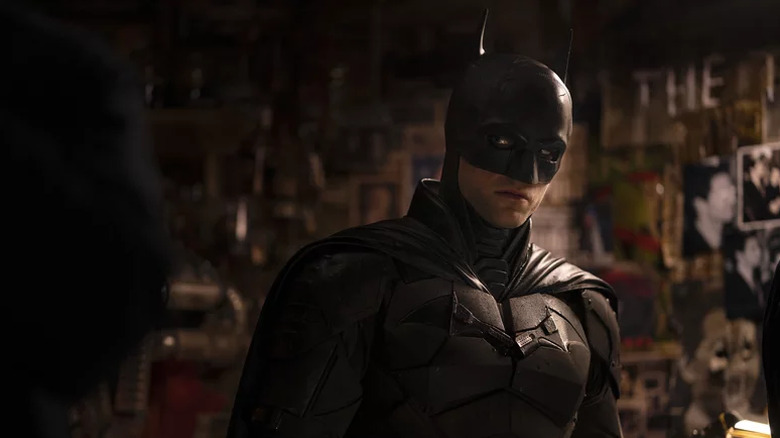
Finally, in 2022, Matt Reeves’ "The Batman" returned the character to his roots as the "World’s Greatest Detective." By casting Robert Pattinson as a younger, more reclusive Bruce Wayne and leaning into the aesthetics of 1970s neo-noir, Reeves proved that there was still room for innovation within the live-action format.
Supporting Data: Why Certain Classics are Missing
A common point of contention among fans is the absence of Tim Burton’s Batman (1989) or Batman: Mask of the Phantasm (1993) from the top five. The reason for this lies in the nature of Rotten Tomatoes as a digital-first aggregator.
The "Digital Divide" refers to the fact that films released before the late 1990s have significantly fewer reviews on the platform. The Dark Knight has over 345 reviews, whereas Tim Burton’s 1989 classic has just over 110. Because Rotten Tomatoes calculates a "Certified Fresh" rating based on the percentage of positive reviews among a total pool, newer blockbusters—which are reviewed by hundreds of digital outlets simultaneously—often have more stable and higher scores than older films whose original print reviews have not all been digitized.
Furthermore, "Batman: Mask of the Phantasm" currently sits at the number six spot. Despite its 86% rating, it is often edged out of the top five because it had a limited theatrical run and fewer "Top Critic" reviews compared to the billion-dollar blockbusters of the Nolan era.
Official Responses: The Critical Consensus
The Rotten Tomatoes "Critics Consensus" for each of these top five films highlights the specific elements that elevated them in the eyes of professional reviewers.
- The Dark Knight: Critics praised it as a "haunting, complex, and unforgettable" film that succeeded as both an entertaining blockbuster and a "gripping crime saga."
- The LEGO Batman Movie: Reviewers highlighted the film’s "relentless energy" and its ability to offer "some of the best Batman action while remaining family-friendly."
- The Dark Knight Rises: While some critics noted plot holes, the consensus was that it was a "spectacular, thoughtfully written, and appropriately grand" conclusion to the trilogy.
- The Batman: The consensus focused on Matt Reeves’ "grim, gritty, and gripping" direction, noting that it managed to feel fresh despite the character’s long cinematic history.
- Batman Begins: Critics lauded Nolan for "understanding the character’s psychology" and providing the first "truly serious" look at the hero’s origins.
Implications: The Future of the Dark Knight
The composition of this top five list has significant implications for the future of DC Studios under the leadership of James Gunn and Peter Safran. The success of these films suggests three key takeaways for the industry:
1. The Power of "Auteur" Vision
The presence of three Nolan films and one Reeves film in the top five indicates that audiences and critics prefer Batman when he is guided by a director with a distinct, uncompromising vision. The "formulaic" superhero approach often fares worse than films that lean into specific genres—be it Nolan’s crime dramas or Reeves’ detective noir.
2. The Multi-Verse Strategy
The high ranking of The LEGO Batman Movie proves that the brand is strong enough to support multiple, simultaneous interpretations. This has paved the way for the "DC Elseworlds" strategy, where Matt Reeves can continue his grounded The Batman saga while the main DC Universe (DCU) introduces a more fantastical version of the character in the upcoming The Brave and the Bold.
3. The "Grounding" Trend
Four out of the top five movies emphasize a grounded, somewhat realistic approach to Gotham City. Even in the animated LEGO Batman, the emotional core is rooted in Bruce Wayne’s human vulnerabilities. This suggests that while Batman can fight aliens in ensemble films like Justice League, his solo critical successes almost always return him to the streets of Gotham to face human—albeit theatrical—threats.
Conclusion
The Rotten Tomatoes rankings reflect a sophisticated appreciation for the Dark Knight’s cinematic journey. From the foundational work of Batman Begins to the genre-defying heights of The Dark Knight and the investigative depth of The Batman, these films represent the gold standard of superhero storytelling. As we look toward the next decade of DC films, these five entries serve as a blueprint: to succeed, a Batman film must not only feature the cowl but must also interrogate the man beneath it, the city that forged him, and the symbols he leaves behind.