The Dawn of Grimdark Strategy: Analyzing the First Extended Gameplay Reveal of Total War: Warhammer 40,000
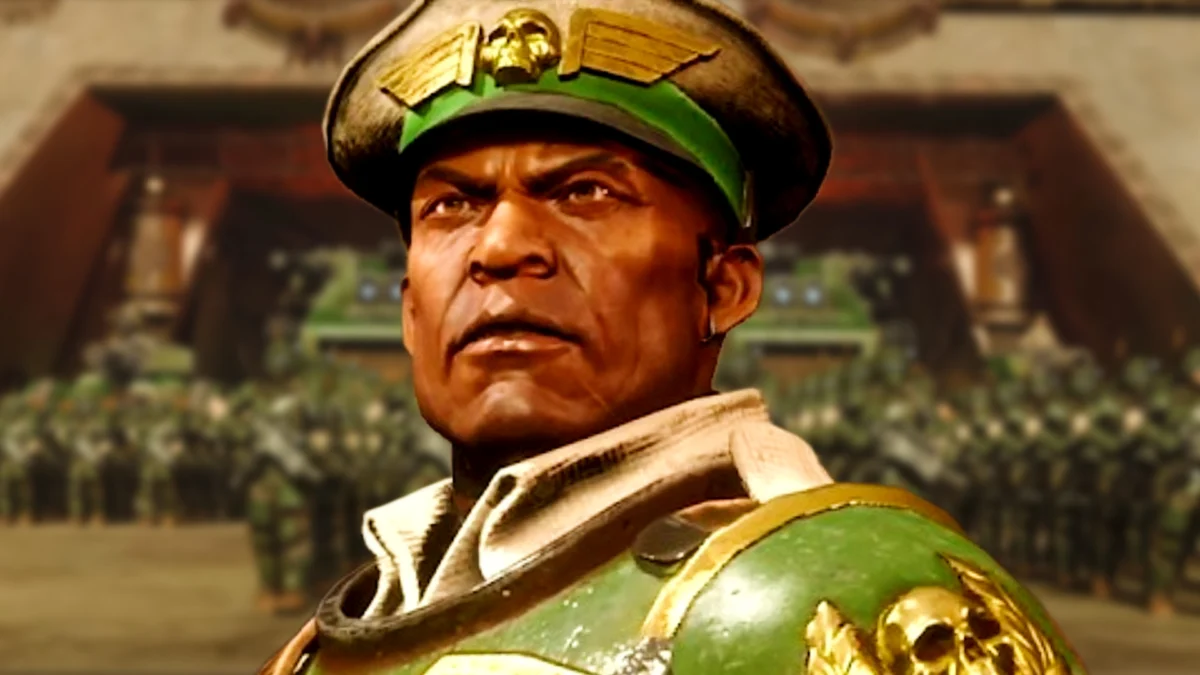
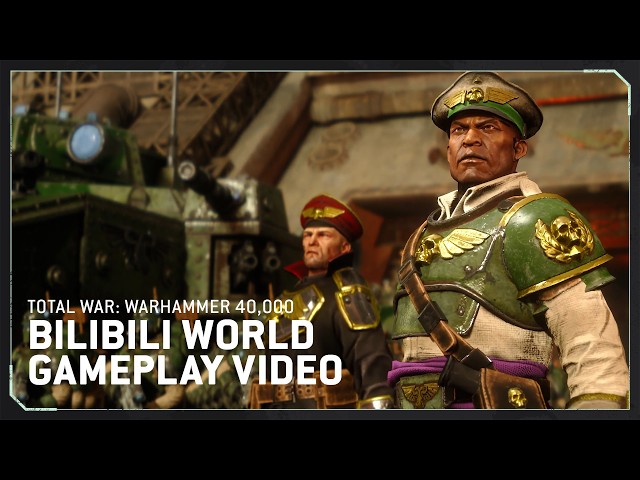
The strategy gaming landscape shifted significantly this week as Creative Assembly (CA) unveiled the first extended gameplay demonstration of the highly anticipated Total War: Warhammer 40,000. Showcased at the BiliBili World exhibition in Shanghai, the footage offers a comprehensive look at how the venerable Total War formula is being adapted to the hyper-violent, technologically advanced "Grimdark" future of the 41st Millennium. For fans who have long wondered how the series’ signature massive-scale battles would translate from rank-and-file infantry to squad-based cover shooters and orbital bombardments, this reveal provides the most definitive answers to date.
Main Facts: A New Frontier for Creative Assembly
The gameplay demonstration focuses on a high-stakes planetary defense mission. The Astra Militarum (the Imperium of Man’s primary fighting force) is tasked with holding a vital industrial sector against a massive Ork invasion. The stakes are presented with the cold pragmatism typical of the setting: the loss of the city would result in the total loss of the planet and its accompanying economic contributions to the Imperium.
Key takeaways from the reveal include:
- The Introduction of Dynamic Cover: Unlike previous fantasy or historical entries, units now utilize environmental structures for defensive bonuses.
- Destructible Environments: Battlefield objects, such as train carriages and industrial buildings, can be destroyed to alter lines of sight and pathfinding.
- Off-Map Support: Players can call in orbital assets, such as Lance Strikes and bombardments from capital ships, to influence the tide of battle.
- Asymmetric Unit Roles: The demo highlights the contrast between the Astra Militarum’s reliance on combined arms and positioning versus the Orks’ brute-force melee "Waaagh!" tactics.
Chronology of the Battle: From Orbital Strike to Last Stand
The demonstration follows a linear progression of a single engagement, illustrating the "flow" of a Total War: Warhammer 40,000 battle.
Phase I: The Orbital Opening
The engagement begins before troops even make planetfall. With an Imperial capital ship positioned in orbit, the player initiates a preliminary bombardment. This "softening up" phase is designed to disrupt Ork formations before the ground forces of the Astra Militarum deploy. The narrator emphasizes that in the 40k setting, the battle begins in the stars, and the integration of orbital assets is a core pillar of the gameplay loop.
Phase II: Defensive Positioning and the Cover System
As the ground forces deploy, the demo highlights the Cadian Shock Troopers and Kasrkin elites. Rather than standing in open blocks, these units are seen snapping to cover—low walls, industrial debris, and building corners. This mechanic significantly increases their survivability against incoming Ork fire. On the right flank, Scout Sentinels—highly mobile walkers—are positioned behind supply trains. This setup is intended for a classic Total War maneuver: the hidden ambush.

Phase III: The River Crossing and the Chokepoint
The Orks, clad in their signature "Bad Moons" yellow scrap armor, advance in a terrifying wave. To funnel the green tide, the player utilizes a bridge chokepoint, anchored by a Baneblade—a massive super-heavy tank. The sheer presence of the Baneblade’s firepower deters the Ork Meganobz, forcing them to wade through the river instead. This environmental interaction slows the Orks down, causing them to clump together and making them prime targets for Valkyrie rocket strikes.
Phase IV: The Ork Counter-Push
The tactical advantage shifts when the Orks deploy Stormboyz. Utilizing Jump Packs, these units bypass the bridge defenses and the river entirely, leaping over buildings to land directly in the middle of the Imperial infantry lines. This highlights a major shift in Total War logic: traditional "front lines" are porous in 40k, as high-mobility units and deep-strike capabilities can render cover obsolete in an instant.
Phase V: Destruction and Sacrifice
To regain control, the player triggers the "curveball." The hidden Scout Sentinels and reinforcements blast through the supply train carriages—demonstrating the destructible environment system—to flank the Orks. However, as the melee becomes too congested, the player makes a grim, "very 40k" decision. An orbital strike is called directly onto the location of the fighting, sacrificing the remaining Imperial guardsmen to ensure the Ork threat is annihilated.
Phase VI: The Stompa and the Final Lance
The climax of the demo sees the arrival of Ork Stompas—gigantic, walking effigies of the Ork gods Gork and Mork. To combat these behemoths, the player calls upon the capital ship for a "Lance Strike." A concentrated beam of energy descends from the heavens, slowly melting through the Stompa’s thick armor as the demo concludes.
Supporting Data: Units and Mechanics Deep Dive
The BiliBili World demo provided specific details on several unit types and how they function within the updated engine:
| Unit Name | Faction | Role | Key Features |
|---|---|---|---|
| Cadian Shock Troopers | Astra Militarum | Standard Infantry | High utility in cover; reliant on "Orders" for buffs. |
| Kasrkin | Astra Militarum | Elite Infantry | Superior ranged damage; capable of holding positions against odds. |
| Ogryns | Astra Militarum | Abhuman Infantry | Melee powerhouses; too large for standard cover; use Ripper guns. |
| Scout Sentinels | Astra Militarum | Light Walker | Highly customizable (Autocannons, Flamers); excellent for flanking. |
| Baneblade | Astra Militarum | Super-Heavy Tank | Massive firepower; low mobility; acts as a mobile fortress. |
| Stormboyz | Orks | High-Mobility Infantry | Can jump over terrain and units to initiate melee. |
| Stompa | Orks | Titan-class Walker | Extreme durability; massive area-of-effect damage. |
Technical Enhancements
Creative Assembly appears to have overhauled the engine’s pathfinding to accommodate the shift from "blocks" of soldiers to "loose squads." The visual fidelity has also seen a marked improvement, with the narrator pointing out the "grisly detail" of the gore system during the orbital strike sequence, emphasizing the "grimdark" aesthetic that fans expect from the license.

Official Responses: Creative Assembly’s Design Philosophy
During the Shanghai exhibition, Creative Assembly representatives and the video narrator provided insights into the development goals for this project. The transition to 40k is not merely a cosmetic change but a fundamental rethinking of the Total War balance of power.
The narrator noted that "smart tactics will be essential to success," particularly for the Astra Militarum, who lack the physical stature of their enemies. A recurring theme in the official commentary was the concept of "Efficiency through Brutality." The statement, "Sometimes sacrifices must be made. These men did their duty," serves as a mission statement for the game’s tone. CA is leaning heavily into the lore of the Imperium, where the lives of soldiers are treated as a currency to be spent for the Emperor’s goals.
Furthermore, the developers highlighted that while the setting is futuristic, the core of the game remains true to the series’ roots. "Like all Total Wars, battles are won and lost based on your balance of power," the guide concluded, suggesting that while the tools have changed from swords to bolters, the fundamental principles of flanking, morale, and resource management remain intact.
Implications: A New Era for Strategy Gaming
The reveal of Total War: Warhammer 40,000 has profound implications for both the franchise and the wider strategy genre.
1. The Death of the "Line Battle"
For two decades, Total War has been defined by the clash of infantry blocks. By introducing robust cover mechanics and high-mobility verticality (Jump Packs), CA is moving closer to the tactical depth seen in games like Company of Heroes, but on a scale ten times larger. This hybrid approach could redefine how "Grand Strategy" real-time battles are played.
2. The "Warhammer 40k" Curse
While 40k is a massive IP, many previous strategy adaptations have struggled to capture the scale of the lore. By utilizing the Total War engine, CA is uniquely positioned to finally depict the "proper" scale of a planetary invasion, moving beyond the small-squad skirmishes of Dawn of War III.
3. Engine Evolution
The inclusion of destructible environments and orbital support suggests a more "active" battlefield. If successful, these features will likely become staples in future historical Total War titles, perhaps paving the way for a long-requested World War I or World War II setting.
4. Market Expansion
Showcasing the demo in Shanghai underscores the importance of the Chinese market to Creative Assembly. The Warhammer IP has seen explosive growth in Asia, and a successful 40k title could propel Total War to new heights of global commercial success.
As of now, Total War: Warhammer 40,000 does not have a confirmed release date. However, the depth of the gameplay shown at BiliBili World suggests that development is well-advanced. Potential players are currently encouraged to wishlist the game on Steam and register for the upcoming closed beta, which will likely serve as the first stress test for these ambitious new mechanics.