The Gift of Preparation: How Intentional End-of-Life Planning Transforms the Process of Grief
NORTHEAST OHIO — In the quiet corners of a modest home in Northeast Ohio, a generational transition recently concluded, offering a profound masterclass in the intersection of minimalism, legacy, and love. When Elizabeth “Liz” Darago, the last of her generation in a closely-knit family, passed away, she left behind more than just a collection of heirlooms and a lifetime of memories. She left a roadmap for her survivors—a rare and intentional gift that eased the logistical and emotional burden of saying goodbye.
Joe Darago, Executive Director of the international non-profit The Hope Effect and a long-time advocate for family-centric values, recently reflected on the passing of his aunt. As a family pastor and the designated historian, Darago’s experience highlights a growing movement toward "proactive stewardship" at the end of life. His account serves as a poignant reminder that while death is inevitable, the chaos often associated with it is not.
Main Facts: The Architecture of an Intentional Farewell
The passing of an elder often triggers a dual crisis for the surviving family: the acute emotional pain of loss and the overwhelming logistical weight of settling an estate. In many American households, the latter often obscures the former, as siblings and heirs find themselves mired in probate court, financial ambiguity, and the daunting task of sorting through decades of accumulated "stuff."
However, the case of Aunt Liz provides a counter-narrative. Approximately one year before her death, sensing that her health was in a permanent decline, Liz initiated a series of strategic maneuvers designed to protect her family from the "grief burden." Her approach was built on three pillars: legal clarity through a trust, physical simplification of her environment, and the vocalization of her legacy.
The result was a funeral service where the focus remained entirely on the person rather than the property. "No one mentioned her possessions. Not once," Darago observed. "But everyone spoke of how she made them feel. How present she was."
Chronology: From a Full House to a Focused Legacy
To understand the impact of Liz’s final year, one must look at the history of the Darago family. Joe Darago grew up in a household of six children—five sisters and himself. While his father was an only son, his two aunts, Marilyn and Liz, remained childless, pouring their maternal energy into their nieces and nephews.
For decades, the aunts were the "constants." They were the fixtures at six different graduations, the senders of punctual birthday cards, and the quiet observers of every family milestone. Their lives were defined by "presence over flash," a value that would later inform Liz’s approach to her final days.
A decade ago, health challenges necessitated a change. In an act of mutual support, Marilyn and Liz moved into a shared home to consolidate expenses and care for one another. However, they did not initially consolidate their belongings. The home became a repository for the family’s history—boxes of documents from a great-grandfather, furniture from a grandmother’s estate, and remnants of an old family store stashed in a musty basement.
The turning point occurred roughly twelve months prior to Liz’s passing. Following the death of Aunt Marilyn, Liz recognized the weight of what remained. It was during this final year that the "rhythm of connection" shifted into a "rhythm of preparation." She began the slow, methodical process of labeling, filing, and talking—ensuring that when the time came, her family would not be left searching for answers.
Supporting Data: The Three Pillars of End-of-Life Stewardship
Darago identifies three specific actions taken by his aunt that fundamentally altered the family’s experience of her death. These steps serve as a blueprint for others facing similar transitions.
1. The Implementation of a Living Trust
Liz’s estate was not simple. It included two homes, multiple retirement accounts from various past employers, a life insurance policy, and a significant coin collection. Rather than leaving these assets to the complexities of probate, Liz worked with professionals to establish a trust.

By appointing an executor (one of Darago’s sisters) and clearly documenting the distribution of assets, Liz removed the primary source of family conflict: money. "Money has a way of straining even the closest families," Darago noted. The legal clarity of the trust allowed the siblings to grieve without the tension of financial ambiguity.
2. Strategic Simplification (Swedish Death Cleaning)
Though the house remained full of history, Liz began a process akin to Döstädning, or "Swedish Death Cleaning." In her final year, she began clearing closets, filing and labeling important papers, and setting aside items for donation. This act of "minimizing the footprint" was not about erasing her life, but about curating it. By reducing the volume of "neutral" items, she ensured that the truly significant heirlooms wouldn’t be lost in a sea of clutter.
3. The "Family Cloud" and Oral Tradition
Perhaps the most critical step was Liz’s willingness to discuss death openly. She viewed herself as the "family cloud"—the server where all the history and secrets were stored. Recognizing that this data would be lost upon her death, she held individual conversations with her family members.
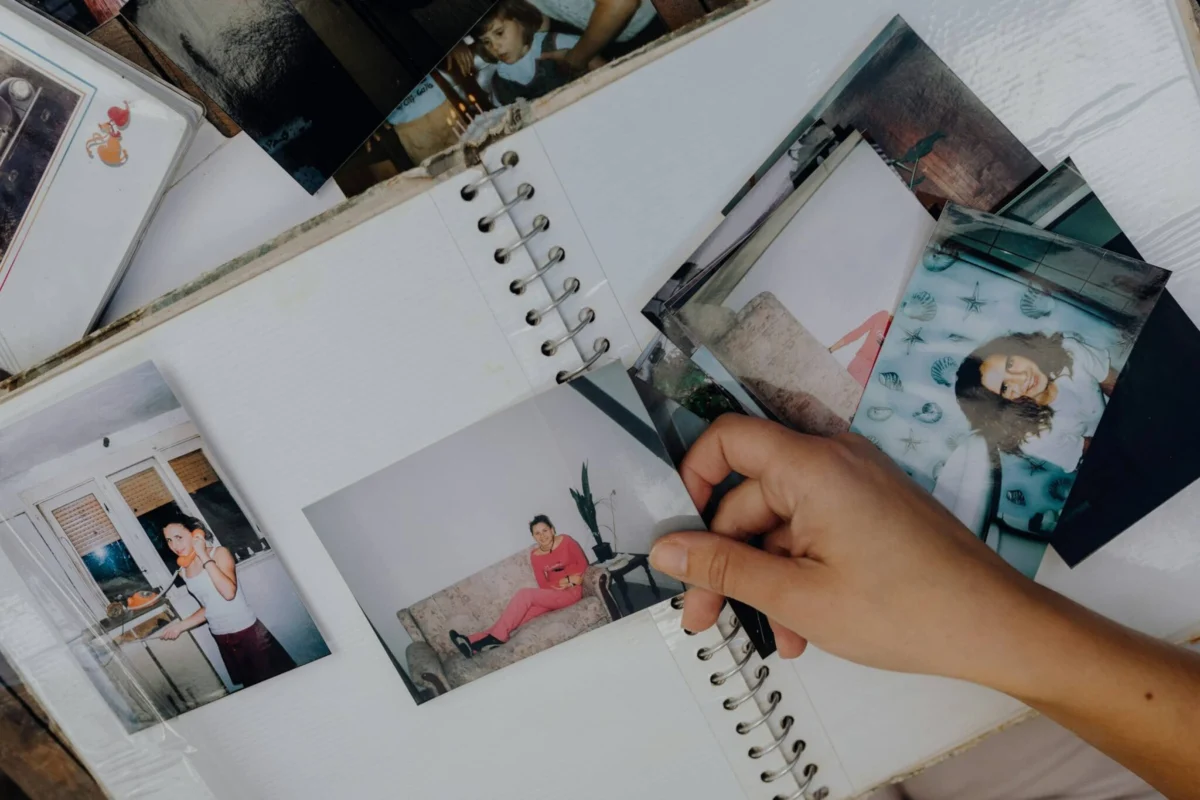
She assigned roles: one to care for her pets, one to maintain Christmas traditions, and Joe himself to take over as the family historian. She didn’t just tell him he was the historian; she began "seeding" the role, setting aside old photographs and handwritten letters with notes explaining their significance.
Expert Perspectives: The Psychological Impact of Clarity
While Darago’s account is personal, it aligns with broader psychological and sociological research regarding "the good death." Professional estate planners and grief counselors frequently cite "lack of communication" as the leading cause of prolonged familial trauma following a death.
According to data from the National Academy of Elder Law Attorneys (NAELA), families who have clear, documented end-of-life plans report significantly lower levels of "complicated grief"—a condition where the logistical stress of a death prevents the natural emotional healing process.
Furthermore, the "minimalist" approach to death—focusing on experiences and legacy rather than the accumulation and distribution of goods—is gaining traction. Experts suggest that when an individual like Aunt Liz takes responsibility for their own "stuff," they are performing a final act of parenting or caregiving. They are essentially saying, "I love you enough to not make my death your project."
Implications: A Call for Brave Conversations
The story of the Darago family suggests that the burden of preparation should not fall solely on the elderly. It requires a reciprocal bravery from the younger generation to initiate conversations that are often culturally taboo.
Darago outlines three "loving steps" for those with aging relatives:
- Initiate the Conversation: Approach the topic of wills, power of attorney, and final wishes with compassion rather than control.
- Listen to the Stories: Recognize that behind every object is a memory. Use the items as prompts for storytelling. As Darago noted, "write names on the backs of photos," a small task that prevents a family’s history from becoming a collection of anonymous faces.
- Speak the Love Now: The most profound implication of Liz’s preparation was that it created space for the family to express their gratitude while she was still alive.
Conclusion: Minimalism as a Final Act of Love
In the end, Joe Darago’s journey back to Ohio to bury his aunt was not defined by the weight of the "musty basement" or the "crowded sunroom." Instead, it was defined by the clarity of his aunt’s voice, which continued to guide the family even after it had gone silent.
Minimalism, in this context, is revealed to be far more than an aesthetic choice or a decluttering trend. It is a form of purpose-driven living that extends to the very end of one’s life. By simplifying her estate, clarifying her wishes, and sharing her stories, Aunt Liz transformed her death from a logistical nightmare into a spiritual legacy.
As Darago concludes, "May we all be brave enough to start the conversation, kind enough to preserve the stories, and wise enough to speak our love while there’s still time." The lesson from a modest home in Northeast Ohio is clear: the best way to say goodbye is to ensure that the things we leave behind never outshine the love we lived.