
Hardware Breach: Comprehensive Analysis of the Leaked Xbox Elite Wireless Controller Series 3
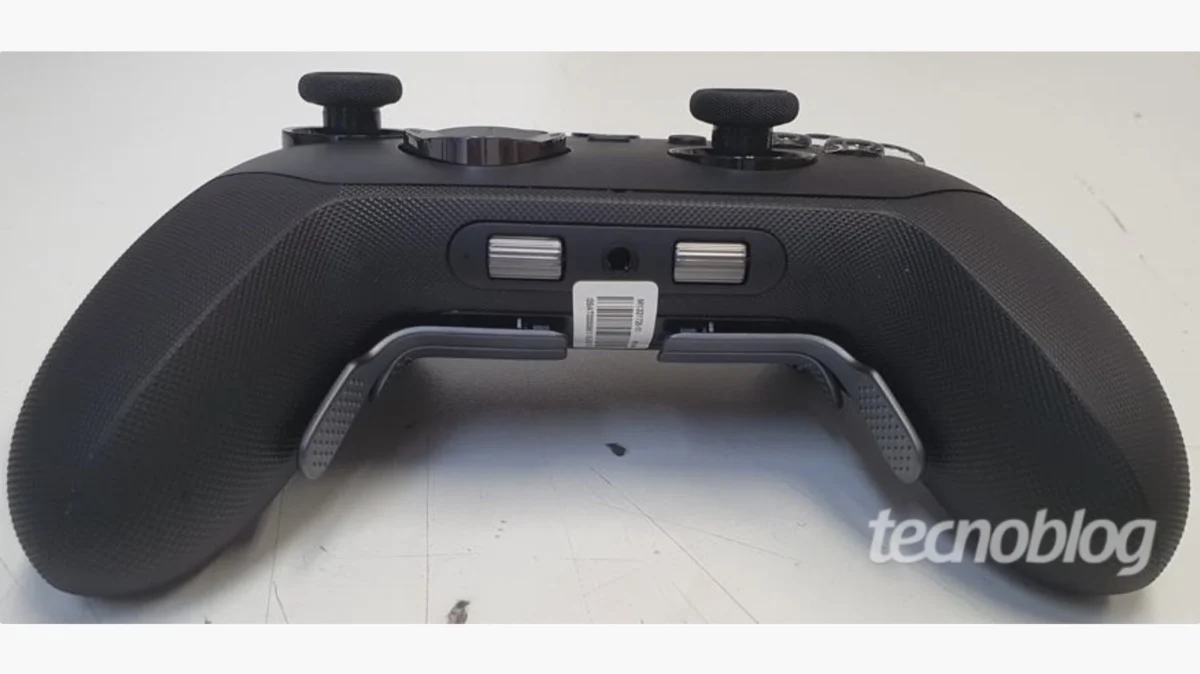
The gaming hardware landscape was sent into a frenzy this week following a significant security lapse at a national regulatory body. In what appears to be one of the most substantial hardware leaks in Microsoft’s recent history, the Xbox Elite Wireless Controller Series 3 has been revealed ahead of its official debut. The leak, originating from the Brazilian telecommunications agency Anatel, provides an unprecedented look at the next generation of professional-grade gaming peripherals, suggesting a radical departure from previous design philosophies and a deeper integration with Microsoft’s burgeoning cloud ecosystem.
Main Facts: A New Standard for Pro-Level Input
The leaked images and accompanying technical documentation suggest that Microsoft is not merely iterating on the Elite Series 2—which has been the flagship pro controller since 2019—but is instead reimagining the "Elite" brand to serve a multi-platform, cloud-first future.
Several key hardware innovations have been identified from the high-resolution photographs provided by the Brazilian outlet Tecnoblog:
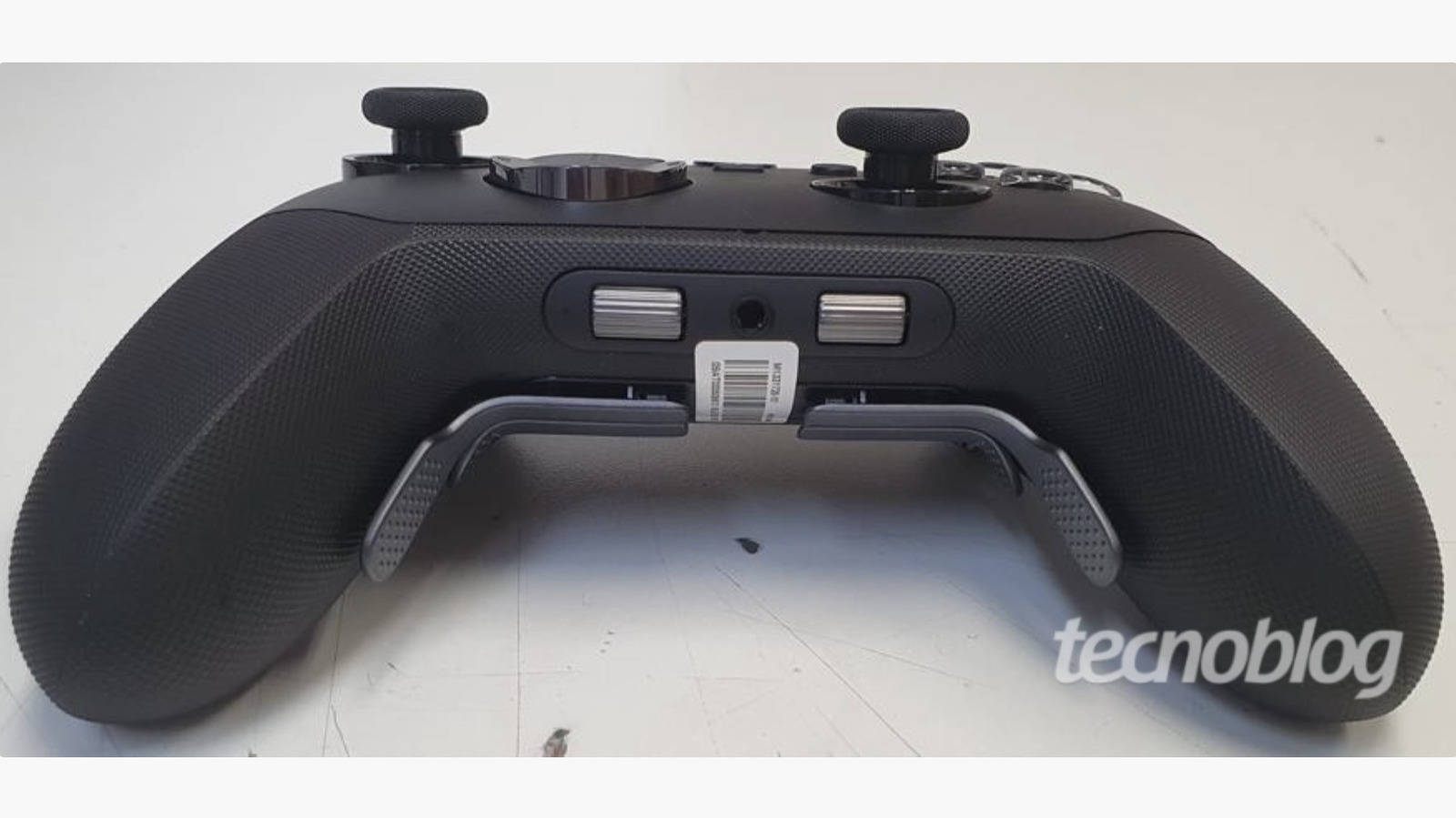
- Dual Rear Scroll Wheels: Perhaps the most striking addition is the inclusion of two scroll wheels located on the underside of the controller. Positioned near where a player’s middle or ring fingers naturally rest, these wheels could offer granular control over settings such as volume, microphone gain, or even in-game mechanics like weapon switching or camera zoom.
- Dedicated Cloud-Local Toggle: A new physical button on the face of the controller appears to be dedicated to switching the device’s connectivity mode. This suggests a "Direct-to-Cloud" feature similar to the now-defunct Google Stadia controller, allowing the peripheral to connect directly to Wi-Fi routers to reduce latency during Xbox Cloud Gaming sessions.
- Revised D-Pad Architecture: The images show a redesigned faceted D-pad. While it retains the concave, "dish" style popularized by the Series 2, the tactile surface appears more pronounced, likely aimed at improving precision for fighting games and menu navigation.
- Sustainable Power Solution: In a significant shift for the Elite line, the Series 3 appears to move toward a removable, yet rechargeable, battery pack. This addresses a long-standing criticism of the Series 2, which featured an internal battery that was difficult for consumers to replace once it reached the end of its lifecycle.
- Chassis Refinement: While the general silhouette remains consistent with the Xbox DNA, the grip textures and the integration of the "Share" button (now a standard on the base Series X|S controllers) have been modernized to align with current-gen aesthetics.
Chronology: A Day of Unintended Revelations
The emergence of the Elite Series 3 information was the climax of a chaotic 24-hour period for Microsoft’s hardware division. The timeline of the leak suggests a systemic failure in embargo management or a simple administrative oversight at the regulatory level.
- Early Morning (BRT): Reports began to circulate on social media regarding a "tiny" Xbox controller spotted in regulatory filings. Tecnoblog published images of a diminutive, white gamepad, initially thought to be a dedicated, low-cost "Cloud Controller" meant for mobile devices and smart TVs.
- Mid-Day (BRT): As tech enthusiasts scoured the Anatel database, a second, more substantial filing was discovered. This filing contained the schematics and "real-world" testing photos of a black, premium-built controller—the Elite Series 3.
- Afternoon (EST): Major North American and European outlets, led by The Verge and Engadget, picked up the story, verifying the authenticity of the Anatel documents. The gaming community quickly dubbed the event "The Brazilian Breach."
- Evening (EST): Analytical deep-dives into the photos began to surface, linking the new design to the "Sebile" controller leaks that occurred during the FTC v. Microsoft legal proceedings in 2023.
Supporting Data: The Evolution of the Elite Brand
To understand the significance of this leak, one must look at the historical trajectory of the Xbox Elite line. When the original Elite controller launched in 2015, it was a niche product aimed at the "prosumer" market. Since then, it has become a cornerstone of the Xbox ecosystem.
The Elite Timeline
- 2015: Elite Series 1 launches, introducing interchangeable paddles and hair-trigger locks.
- 2019: Elite Series 2 debuts with adjustable-tension thumbsticks, internal batteries, and Bluetooth support.
- 2022: Microsoft introduces the "Elite Series 2 Core," a lower-priced version without the extra accessories, and adds the controller to the Xbox Design Lab for customization.
- 2023 (The "Project Brooklyn" Leak): Internal Microsoft documents leaked during the FTC trial mentioned a new controller codenamed "Sebile," featuring haptic feedback, an accelerometer, and a modular design.
Market Context
The leaked Elite Series 3 enters a much more crowded market than its predecessors. In 2019, Microsoft had little competition in the first-party "pro" space. Today, they face:
- Sony’s DualSense Edge: Which features user-replaceable stick modules.
- Scuf Gaming: Which remains the gold standard for third-party customization.
- Hall Effect Alternatives: Third-party manufacturers like Turtle Beach and 8BitDo are increasingly using Hall Effect sensors (magnetic sensors that prevent "stick drift"), a feature fans are desperately hoping Microsoft includes in the Series 3.
While the leaked photos do not explicitly confirm Hall Effect sensors, the redesign of the internal housing (visible in some of the regulatory teardown photos) suggests a major overhaul of the stick modules.
Official Responses and Industry Silence
As of the time of publication, Microsoft has maintained a standard "no comment" policy regarding unannounced hardware. This is typical for the Redmond-based giant, especially when leaks originate from government regulatory bodies where the authenticity is difficult to deny.
However, the timing of the leak is particularly inconvenient for Microsoft’s marketing department. The company is currently preparing for its high-profile Xbox Games Showcase, scheduled for June. Traditionally, such an event would serve as the grand reveal for a major hardware revision.
Industry analysts suggest that Microsoft may now be forced to pivot. "When a regulator leaks your product photos, the ‘surprise and delight’ factor of a summer showcase is neutralized," says hardware analyst Sarah Miller. "Microsoft may choose to ‘soft-launch’ the controller via a social media post or a blog entry sooner than June to reclaim the narrative, or they may double down on the June event by focusing on features that photos can’t capture, such as advanced haptics or software integration."
Implications: What This Means for the Future of Xbox
The leak of the Elite Series 3 is more than just a spoiler for a new gadget; it signals a shift in Microsoft’s broader gaming strategy.
1. The Death of Latency
The rumored "Cloud Mode" button is a direct response to the primary barrier of cloud gaming: input lag. If the Elite Series 3 can connect directly to a server via Wi-Fi (bypassing the console or PC), it makes the Xbox Game Pass Ultimate experience significantly more viable for competitive players. This positions the controller as the "hub" of the Xbox experience, regardless of whether a player owns a physical console.
2. Ergonomics and Accessibility
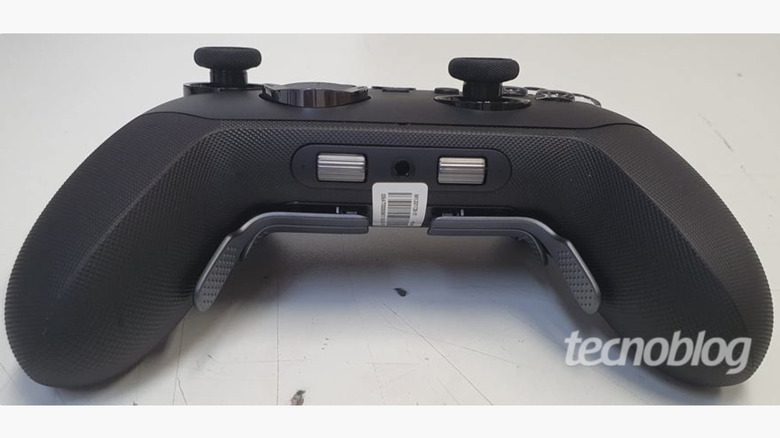
The introduction of scroll wheels suggests a move toward "PC-ification" of the controller. As games become more complex—with bloated inventory screens and multiple ability wheels—traditional buttons are running out of real estate. Scroll wheels offer a high-bandwidth input method that could bridge the gap between controller players and keyboard/mouse users in cross-play environments.
3. Reliability and Brand Trust
The Elite Series 2 was plagued by "stick drift" and bumper failure issues, leading to multiple class-action lawsuits and an extension of the manufacturer’s warranty. The Series 3 represents an opportunity for Microsoft to "clean the slate." The move to a removable battery and potentially modular components indicates a shift toward repairability—a trend growing in popularity across the consumer electronics industry.
4. Pricing Strategy
Given the addition of scroll wheels, dedicated cloud chips, and improved battery solutions, the Elite Series 3 is expected to command a premium price. Estimates suggest a launch price in the range of $179.99 to $199.99 USD. This would place it at the top of the market, reinforcing the "Elite" branding as a luxury tier for dedicated enthusiasts.
Conclusion
The accidental disclosure by Anatel has stripped away the mystery surrounding Microsoft’s next major hardware release, but it has replaced it with a different kind of excitement. The Xbox Elite Wireless Controller Series 3 appears to be a sophisticated piece of engineering that acknowledges the changing habits of modern gamers. By blending the precision of pro-level hardware with the flexibility of cloud technology, Microsoft is preparing for a future where the controller, not the console, is the most important piece of hardware in the room.
While the "Brazilian Breach" may have ruined the surprise, it has confirmed that Microsoft remains committed to leading the industry in input innovation. All eyes now turn to the June Showcase—or perhaps sooner—for the official confirmation of specs, pricing, and the all-important release date.




Leave a Comment