A Half-Decade of Design Wisdom: Raph Koster Curates Definitive Guide to Modern Game Theory
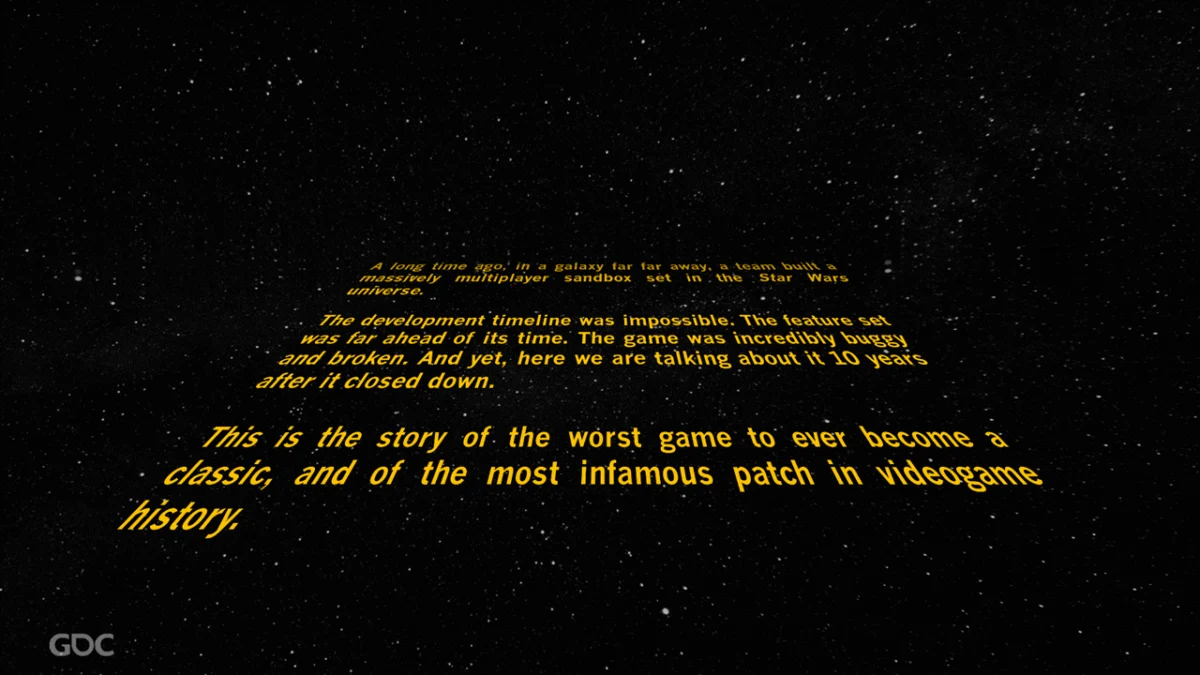
LOS ANGELES — Raph Koster, the legendary game designer whose fingerprints are found on the foundations of the massively multiplayer online (MMO) genre, has released a comprehensive curation of his professional output spanning the last five years. This major update to his digital repository marks the first time since 2019 that Koster has consolidated his theories, postmortems, and industry critiques into a centralized educational resource.
The update, which Koster describes as "my take on what the best stuff to look at on the site is," arrives at a pivotal moment for the games industry. As developers grapple with the collapse of the "Metaverse" hype cycle and the technical challenges of next-generation persistence, Koster’s curated archives offer a roadmap grounded in three decades of experience.
Main Facts: A Curriculum for the Modern Developer
The newly organized archive is not merely a collection of blog posts; it is a structured curriculum covering the evolution of virtual worlds. Koster has categorized his recent work into several critical pillars: general game design, multiplayer dynamics, the business of development, historical postmortems, and a rigorous deconstruction of the "Metaverse" phenomenon.
Key highlights of the release include:
- The Metaverse Deconstruction: A series of data-driven analyses aimed at debunking common misconceptions regarding blockchain and virtual world persistence.
- The "Riffs by Raph" Series: A collection of essays that serve as a manifesto for his current venture, Playable Worlds, and their upcoming title, Stars Reach.
- Historical Preservation: New insights into the development of Ultima Online and the release of his 700-page historical tome, Postmortems.
- Technical Deep Dives: Extensive work on emulation and the preservation of "dead" virtual environments.
For industry observers, the update represents more than a personal milestone; it is a snapshot of the intellectual shifts occurring in game design as the industry moves away from static experiences toward living, systemic simulations.
Chronology: Five Years of Evolution (2020–2025)
The timeline covered by this update encompasses one of the most volatile periods in interactive media history.
In 2020 and 2021, Koster’s work focused heavily on the "Games Business" and the internal mechanics of development teams. This period saw the industry swell during global lockdowns, leading to a surge in interest in social architecture within games—a topic Koster has championed since his days directing Star Wars Galaxies.
By 2022, the "Metaverse" became a corporate buzzword. Koster, who co-authored the "Covenant of the Avatar" and built virtual worlds in the 1990s, became a leading voice of reason. During this year, he produced a series of panels and articles explaining why many "Web3" visions of the Metaverse were technically unfeasible or socially undesirable. He famously pointed out that the industry had already solved—and in some cases, moved past—the problems that newcomers were claiming to solve with blockchain.
In 2023 and 2024, the focus shifted toward the "Riffs by Raph." As Playable Worlds moved further into the development of Stars Reach, Koster used his platform to define what he calls "living worlds." This period marked a transition from purely theoretical design to the practical application of new cloud-native technologies.
The late 2024 to early 2025 period, culminating in this update, has been defined by a return to history. Koster’s work on emulation and his reflections on Ultima Online suggest a growing concern for the "digital dark age" and the need for the industry to remember its roots to move forward.
Supporting Data: The Pillars of Systemic Design
Koster’s curated list provides significant data points for developers looking to understand the "why" behind successful systems.
The Multiplayer Dynamic
One of the most robust sections of the update deals with multiplayer game design. Koster’s data suggests that the "social friction" often viewed as a negative in modern gaming is actually the "glue" that creates long-term retention. His posts analyze how player interdependency creates organic economies—a theme central to his work on Stars Reach.
The Metaverse Reality Check
In his "Metaverse Madness" section, Koster provides a technical breakdown of data persistence. He argues that the primary hurdle for a true metaverse is not ownership (the typical blockchain argument) but "interoperability of meaning." His essays detail why moving a "sword" from one game to another is a design nightmare rather than a ledger problem, providing a sobering look at the limitations of decentralized assets.
Historical Context and "Postmortems"
The inclusion of over 700 pages of history in his Postmortems book—and the accompanying blog posts—serves as a data set for failure and success. By documenting the "wild west" days of Ultima Online, Koster provides modern developers with a database of player behaviors, ranging from virtual eco-system collapses to the emergence of complex player-run governments.
Official Responses: Koster’s Vision for the Future
While the update is a retrospective, Koster’s "official" stance on the future of the medium is woven throughout the "Riffs by Raph" section. He posits that the industry is at a crossroads where it must choose between "games as content treadmills" and "games as autonomous systems."
"These posts serve as a pretty good manifesto for what I think MMOs ought to be like," Koster stated regarding his recent writings. His philosophy emphasizes that the next generation of games should not rely on scripted events but on "emergent gameplay," where the simulation reacts to player input in unpredictable, meaningful ways.
On the topic of the Metaverse, Koster’s tone is one of cautious expertise. "Most people had no clue what the hell they were talking about," he noted, referring to the recent hype cycle. He asserts that his work from the 1990s and 2000s already laid the groundwork for these concepts, and his current writings aim to steer the conversation back toward "the hard realities of building" rather than speculative marketing.
Furthermore, his commitment to emulation—highlighted in the "Emulation Stuff" category—serves as a call to action for the industry. Koster believes that unless developers take the technical steps to preserve server-side code, the history of the 21st century’s most significant art form will be lost.
Implications: Why This Matters for the Industry
The release of this curated archive has several major implications for the broader gaming landscape:
1. The Professionalization of Game Design
By treating game design as a formal discipline with a documented history, Koster is pushing for a more academic and rigorous approach to the craft. This archive provides a "common language" for designers, which is essential as teams grow in size and complexity.
2. The Shift Toward Cloud-Native Simulations
The "Riffs by Raph" section signals a major shift in how MMOs are built. By advocating for "living trees" and simulated ecologies, Koster is setting the stage for a post-World of Warcraft era of online gaming. If Stars Reach succeeds in implementing these theories, it could force a re-evaluation of how "content" is produced in multiplayer games, moving away from expensive, handcrafted quests toward player-driven systemic interactions.
3. A Reality Check for Virtual Economies
Koster’s critiques of the Metaverse and blockchain serve as a warning to investors and developers. His data-driven approach highlights that without "fun" and "social utility," digital scarcity is meaningless. This curation will likely serve as a foundational text for those looking to build sustainable virtual economies that avoid the pitfalls of the 2021–2022 bubble.
4. Preservation as a Priority
Finally, Koster’s focus on postmortems and emulation underscores the urgent need for industry-wide preservation standards. As more games move to "always-online" models, Koster’s work provides a blueprint for how these worlds can be archived for future study.
Conclusion
Raph Koster’s five-year update is more than a housekeeping task for a personal blog; it is a significant contribution to the collective intelligence of the game development community. By bridging the gap between the pioneering days of MUDs (Multi-User Dungeons) and the future of cloud-native simulations, Koster continues to define what it means to create a "world" rather than just a "game." As the industry looks toward the next five years, this curated guide will undoubtedly serve as a vital compass for those navigating the complex, ever-changing landscape of virtual reality and online play.