Aston Martin’s "Dreadnought": A Digital Beast Forged in the Fires of a Video Game, Defying Real-World Constraints
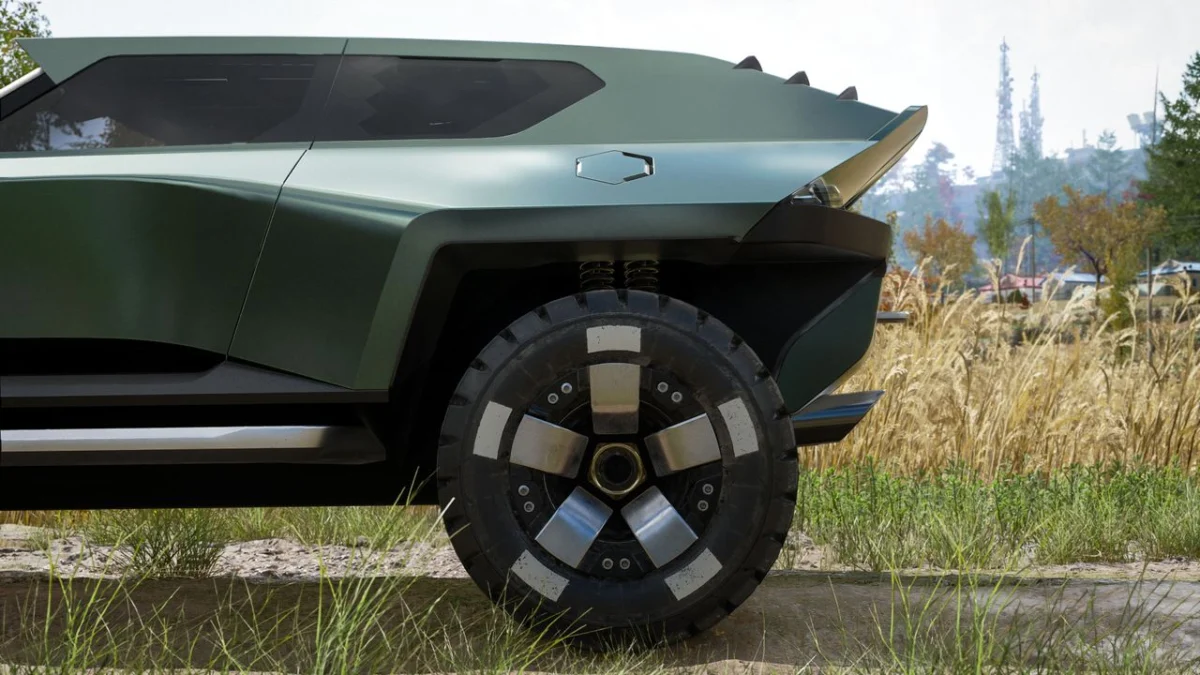
The automotive world often sees luxury brands dabble in the virtual realm, but Aston Martin’s latest creation, the "Dreadnought" SUV, represents a bold and innovative leap. This digital behemoth, born from the creative crucible of Call of Duty: Modern Warfare 4, is not merely a vehicle; it’s a statement on the evolving landscape of brand identity, design exploration, and the potent influence of interactive entertainment.
While the sleek lines and aggressive stance of the Dreadnought might evoke images of a new contender in the ultra-luxury SUV market, the stark reality is that this formidable machine exists solely within the digital confines of a video game. It cannot be purchased, test-driven, or even spotted gracing the manicured lawns of an exclusive estate. Yet, Aston Martin’s insistence that the Dreadnought is "unmistakably Aston Martin" opens a fascinating dialogue about how brand essence can be translated and amplified in a non-physical space. This article delves into the creation, design philosophy, and broader implications of this unique automotive digital artifact.
The Genesis of a Digital Icon: Beyond the Pixelated Facade
The Aston Martin Dreadnought is more than just a collection of polygons; it is the product of a deliberate and sophisticated design process, meticulously crafted to embody the very soul of the iconic British marque, even without the need for real-world engineering or manufacturing constraints. The initial renders showcase an SUV of imposing stature, characterized by aggressive paneling, striking, oversized LED lighting elements, and sharp, assertive angles. This design language, while undeniably potent, could easily be seen as a radical departure from Aston Martin’s traditionally elegant silhouettes. However, the brand’s assertion of its inherent identity within this digital creation is where the true design challenge and innovation lie.
Unlike many previous collaborations where existing concepts are integrated into virtual worlds, Aston Martin has charted a different course. The Dreadnought was conceived and developed from the ground up for the specific environment of Call of Duty: Modern Warfare 4. This approach allowed the design team, led by Chief Creative Officer Marek Reichman, to operate with a degree of creative liberation rarely afforded in the highly regulated and safety-conscious automotive industry. Yet, this freedom was not an invitation to unrestrained fantasy. Instead, the designers approached the Dreadnought with a profound sense of realism, as if it were a tangible vehicle destined for the rigors of the real world.
Reichman articulated this philosophy in a statement, emphasizing that the team envisioned the Dreadnought not just as a digital asset, but as a machine capable of traversing diverse and challenging terrains. They imagined it navigating the bustling metropolises of New York, conquering the monsoon-drenched streets of Mumbai, and ultimately, behaving with the poise and performance expected of any genuine Aston Martin, long before it was rendered into the game. This commitment to functional believability, even in a fictional context, is what elevates the Dreadnought beyond a mere visual spectacle.
Designing for a Digital Domain: The Aston Martin Ethos in Pixels
The success of a fictional vehicle in conveying brand identity hinges on its ability to integrate established design cues with its new, often exaggerated, context. The Aston Martin Dreadnought masterfully achieves this through a thoughtful incorporation of signature brand elements. While its form factor is that of an imposing, armored SUV, the details whisper of its prestigious lineage.

The vehicle proudly wears Aston Martin’s signature Chiltern Green paint, a hue synonymous with the brand’s heritage. Internally, the cabin is appointed with Oxford Tan leather, a luxurious material that speaks to the marque’s commitment to opulence and craftsmanship. Further reinforcing the Aston Martin identity are the liberal use of carbon fibre detailing and subtle yet elegant satin gold finishes. These elements, woven into the fabric of an otherwise formidable and utilitarian design, serve as anchors to the brand’s established aesthetic.
However, the Dreadnought is not merely a cosmetic exercise. It is equipped with military-grade armor, a testament to its role within the high-stakes narrative of Call of Duty. Furthermore, a dedicated weapons storage compartment underscores its functional purpose within the game’s universe. This duality – the fusion of luxury automotive design with tactical utility – creates a compelling and unique character for the vehicle.
Even the auditory experience has been meticulously considered. Aston Martin has endowed the Dreadnought with the powerful roar of a V12 engine. This sonic signature, deeply ingrained in the brand’s identity, ensures that the fictional SUV announces its presence with the unmistakable gravitas of a true Aston Martin, even in the virtual realm. This attention to sensory detail contributes significantly to the overall immersion and believability of the digital creation.
The Game Engine as a Design Sandbox: Exploring the Unseen
The integration of luxury brands into video games is not a new phenomenon. However, Aston Martin’s approach with the Dreadnought marks a significant evolution. Rather than adapting an existing concept car for a digital environment, they have leveraged the game engine as an entirely new conceptual studio. This offers designers an unparalleled opportunity to explore ambitious ideas that might falter under the scrutiny of real-world production meetings or, more critically, crash safety regulations.
This creative freedom is precisely what Aston Martin has embraced. The game engine has effectively become a digital sandbox, a space where the brand can push the boundaries of its design language without the immediate pressures of mass production. The Dreadnought stands as a testament to this approach. Despite being liberated from the conventional constraints of automotive manufacturing, the design team has remained steadfast in its commitment to preserving the core tenets of Aston Martin’s identity.
This strategy aligns with a growing trend observed across the luxury sector. Brands are increasingly recognizing the potential of interactive entertainment platforms not just for marketing, but as genuine avenues for design innovation and brand storytelling. By allowing designers to operate within the rules and possibilities of a game engine, Aston Martin has created a vehicle that feels both futuristic and familiar, a digital embodiment of its brand values that resonates with a new generation of consumers.

A New Era of Brand Collaboration: Beyond Traditional Marketing
The Aston Martin Dreadnought’s emergence is indicative of a broader shift in how brands, particularly in the automotive and luxury sectors, engage with their audiences. The traditional advertising model is increasingly being augmented, and in some cases supplanted, by more immersive and interactive experiences. Video games, with their vast and engaged user bases, represent a fertile ground for this evolution.
Jaguar’s recent foray with the "Type 00" concept in 007 First Light is another prominent example. By introducing a dramatically reimagined design language within the context of the James Bond universe, Jaguar was able to present its brand in a fresh and provocative light. These collaborations move beyond simple product placement, offering brands the opportunity to experiment with new design directions and to forge deeper connections with consumers through shared experiences.
The legacy of games like Gran Turismo, which has long featured concept cars from real-world manufacturers, and the Forza series, which consistently showcases a diverse array of vehicles, has paved the way for more ambitious integrations. However, Aston Martin’s Dreadnought distinguishes itself by creating an entirely new entity specifically for the game, rather than adapting an existing design. This signifies a maturation of the relationship between the automotive industry and gaming, where game engines are now viewed as legitimate platforms for conceptual design and brand exploration.
The implications of this approach are far-reaching. For designers, it opens up exciting possibilities to experiment with form, function, and material without the immediate hurdles of real-world viability. For brands, it offers a unique opportunity to test design ideas, to engage with a digitally native audience, and to cultivate brand loyalty through innovative and memorable experiences. The Dreadnought, in this regard, is not just a fictional car; it is a harbinger of a new era of brand-driven creativity, where the lines between the physical and digital worlds continue to blur, offering unprecedented avenues for innovation and connection.
The Road Ahead: Implications for Design and Brand Engagement
The Aston Martin Dreadnought is more than a digital car; it’s a case study in the evolving relationship between luxury brands, design, and interactive entertainment. Its existence solely within Call of Duty: Modern Warfare 4 challenges traditional notions of automotive product development and marketing.
Supporting Data & Observations:
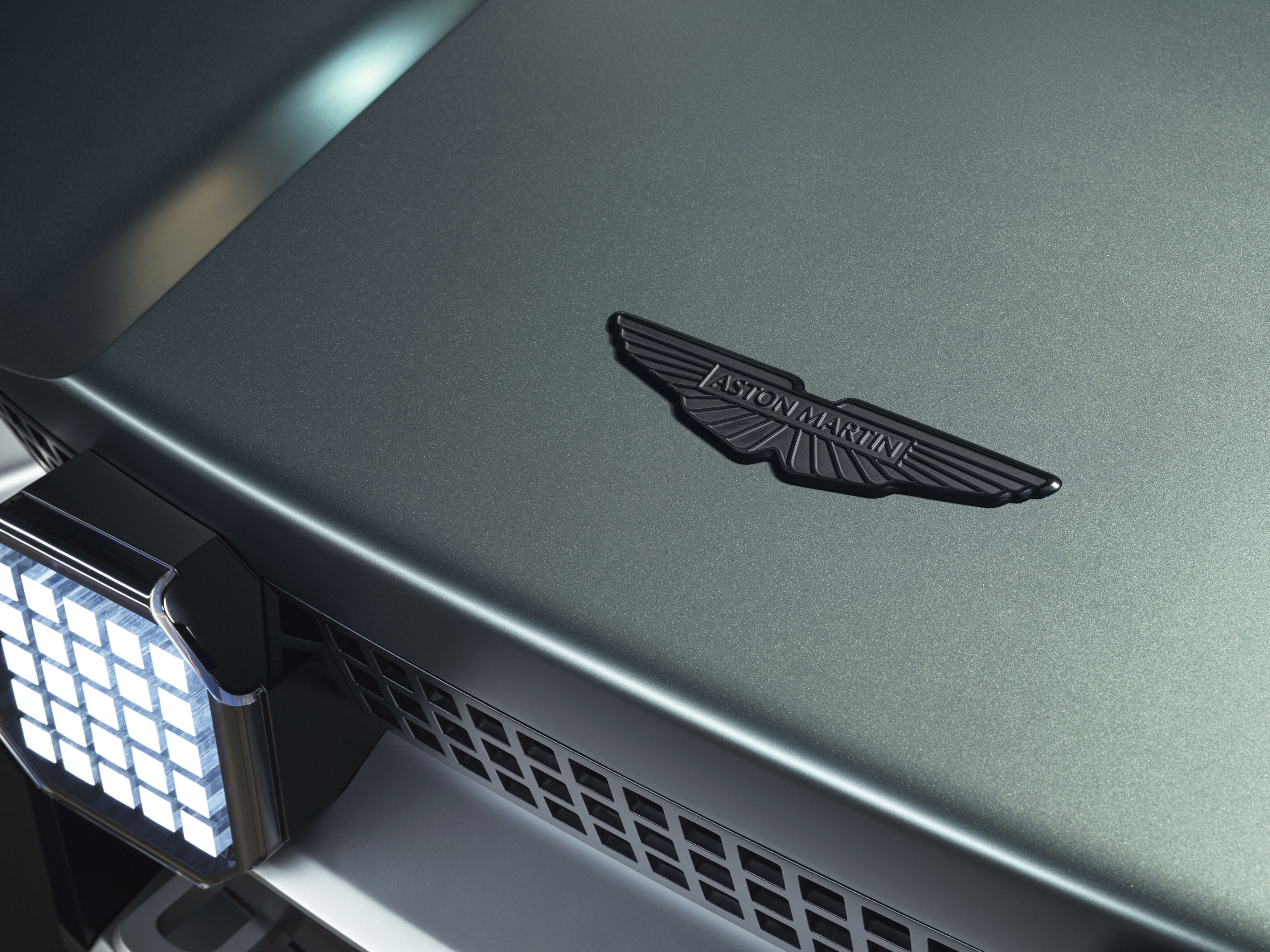
- Brand Authenticity in a Virtual Space: The successful integration of Aston Martin’s core design language – from the Chiltern Green paint and Oxford Tan leather to the V12 engine’s roar – into the aggressive, armored form of the Dreadnought demonstrates a sophisticated understanding of brand essence. This suggests that brand identity can be effectively translated and reinforced even when divorced from physical reality.
- The Game Engine as a Design Studio: The ability of Aston Martin’s designers to conceptualize and create a vehicle like the Dreadnought within a game engine highlights the potential of these platforms as powerful tools for design exploration. This bypasses the typical constraints of production costs, safety regulations, and market viability, allowing for more radical and experimental ideas to be realized.
- Evolving Consumer Engagement: The trend of luxury brands collaborating with video games, exemplified by Jaguar’s Type 00 and Aston Martin’s Dreadnought, indicates a strategic shift towards engaging with consumers in their preferred digital environments. This move towards experiential marketing fosters deeper connections and brand advocacy, particularly among younger demographics.
- The Power of Narrative Integration: The Dreadnought’s existence within the narrative of Call of Duty: Modern Warfare 4 provides it with context and purpose. This integration elevates it beyond a mere visual asset, making it a functional and desirable element within the game’s world, thus enhancing its perceived value and impact.
Official Responses and Design Philosophy:
Marek Reichman, Aston Martin’s Chief Creative Officer, articulated a design philosophy that prioritized realism and brand integrity even within a fictional context. The statement that designers "approached the Dreadnought as if it were a real machine, imagining it driving through New York, tackling Mumbai’s monsoon-soaked roads and behaving like a genuine Aston Martin" underscores this commitment. This suggests that the brand sees the virtual realm not as an escape from reality, but as an extension of its design principles.
Broader Implications:
The success of the Aston Martin Dreadnought could herald a new era of automotive design, where digital prototypes and game integrations play a more significant role in the conceptualization and branding process.
- Accelerated Design Cycles: The use of game engines could potentially accelerate the ideation and visualization phases of automotive design, allowing for quicker iteration and feedback loops.
- New Revenue Streams and Marketing Channels: Brands may explore new revenue streams through in-game virtual goods or even direct partnerships for digital asset creation. This also opens up novel marketing channels to reach diverse global audiences.
- Shifting Perceptions of Luxury: The integration of luxury brands into virtual worlds may redefine perceptions of luxury, emphasizing digital exclusivity and experience alongside traditional material value.
- Ethical Considerations and Future Development: As brands become more immersed in virtual spaces, ethical considerations regarding representation, accessibility, and the potential for digital exclusivity will become increasingly important. The development of "real" digital assets that are indistinguishable from their physical counterparts will also push the boundaries of current technology.
In conclusion, Aston Martin’s Dreadnought is a compelling testament to the creative potential unlocked when luxury automotive design meets the immersive world of video games. It demonstrates that brand identity can be powerfully conveyed and even amplified in digital spaces, offering a glimpse into a future where the lines between the physical and virtual realms of automotive design are increasingly blurred. The Dreadnought is not just a car; it’s a bold statement about the future of brand engagement and creative expression in the digital age.