Global Currents in Culture: A Week of Innovation, Debate, and Redefinition

LONDON, UK – The past week has delivered a flurry of significant developments across the literary, entertainment, and scientific landscapes, highlighting ongoing shifts in cultural production, access, and human endeavor. From the launch of a groundbreaking bilingual speculative fiction magazine bridging Chinese and Australian voices to a controversial statewide book ban in Utah, and from Marvel Comics’ historic relocation to a re-evaluation of astronaut suitability, these events underscore a dynamic period of redefinition and expansion. New research also sheds light on the literary clues of a beloved author’s health decline, while historians continue to probe ancient myths.
A New Era for Speculative Fiction: Crux Dragon Launches
Main Facts:
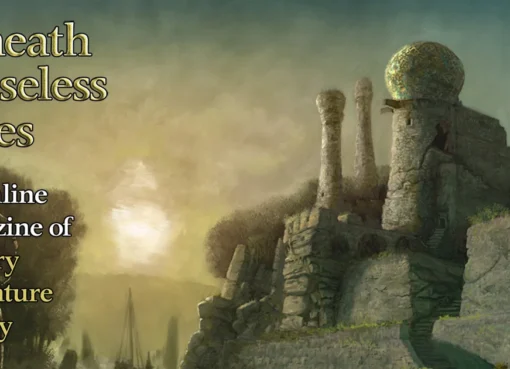
A significant new entrant into the global literary scene, Crux Dragon, has officially launched, positioning itself as a pioneering Sino-Australian science fiction and fantasy literary magazine. This ambitious publication aims to foster cross-cultural dialogue through original fiction, insightful essays, and rigorous literary scholarship from writers hailing from both China and Australia. The inaugural issue, titled "Singularity," delves into a rich tapestry of speculative themes, including artificial intelligence, cyberpunk aesthetics, ancient mythology, historical reimaginations, post-apocalyptic futures, and the enduring complexities of the human experience.
Supporting Data:
The magazine’s mission statement emphasizes its role in promoting "cross-cultural literary exchange" and introducing readers to "diverse voices and perspectives through speculative fiction and creative collaboration." This commitment is reflected in its eclectic mix of contributions, drawing from authors, translators, researchers, students, and independent creators. The quality of its debut is further underscored by the inclusion of several highly regarded names within the speculative fiction community, notably Hugo Award finalists RiverFlow, Arthur Liu, and Ren Qing, whose participation signals the magazine’s high literary aspirations.
Crucially, Crux Dragon is available in both English and Traditional Chinese, underscoring its dedication to accessibility and its dual audience. While initial reports, such as a Chinese language announcement on Xiaohongshu/RedNote, primarily highlighted availability via Amazon (as a paid download or through Kindle Unlimited) in ebook format, the English and Traditional Chinese ebook editions are now widely accessible. The magazine’s copyright page also indicates that a paperback edition (ISBN 97817644410625) is slated for release, promising broader physical distribution. Furthermore, the Chinese edition offers an innovative in-browser reading option on the Dragonova Books website, enhancing its reach and user experience.
Implications:
The launch of Crux Dragon marks a pivotal moment for international speculative fiction. In an increasingly interconnected yet often fractured world, initiatives that deliberately bridge cultural divides through literature are invaluable. The magazine’s bilingual nature is particularly significant, as it not only makes diverse narratives accessible to a wider readership but also encourages the direct exchange and mutual understanding of literary traditions and thematic concerns between two culturally rich nations. This venture could inspire similar cross-cultural collaborations, enriching the global SFF landscape and potentially fostering a new generation of writers and readers who appreciate the universal appeal of speculative storytelling, filtered through distinct cultural lenses. Its success could pave the way for more diverse international SFF publications, reflecting a growing demand for narratives that transcend traditional geographic and linguistic boundaries.
Cultural Debates and Literary Legacies
The Shifting Sands of American Influence:
The Washington Post recently ignited public discourse with its ambitious list, "The 25 most influential works of American culture," dedicating one seminal work to each decade since the nation’s founding. The introduction pondered America’s unique position as a "young country or an old one," highlighting the "astonishing interval" of progress in science, technology, medicine, art, and literature since the Declaration of Independence.
Supporting Data:
The list, regrettably behind a paywall, has already sparked considerable debate, especially among genre enthusiasts. The brief mention of "several genre and related items" without specific titles leaves much to the imagination, but the immediate critique from one observer—"how did Michael Jackson’s Thriller album beat Star Wars?"—encapsulates the contentious nature of such subjective rankings.
Implications:
Such lists, while designed to celebrate and reflect, often serve as catalysts for vigorous debate about what truly constitutes "influence" and how cultural impact is measured. The perceived omission or under-representation of genre works like Star Wars in favor of mainstream music highlights the ongoing struggle for speculative fiction to be fully recognized within broader cultural canons. It forces a critical examination of how historical narratives are constructed and which cultural artifacts are deemed worthy of national significance, underscoring the subjective biases inherent in such exercises.
Stephen King and the Battle Over Books:
In a move that has drawn widespread criticism, a collection of Stephen King’s novellas, Different Seasons, has been banned from public school libraries across Utah. This statewide prohibition follows decisions by multiple school districts to remove the acclaimed work.
Chronology:
The ban was officially triggered on July 6, 2026, by the Utah state board of education. This decision came after earlier actions "this month" by the Davis, Jordan, Tooele, and Washington school districts to remove the collection from their libraries. Previously, the book had been accessible to students in grades seven through twelve.
Supporting Data:
Different Seasons, published in 1982, contains four novellas, two of which famously inspired classic films: "Rita Hayworth and Shawshank Redemption: Hope Springs Eternal" (adapted as The Shawshank Redemption) and "The Body: Fall from Innocence" (adapted as Stand by Me). The collection also includes "Apt Pupil: Summer of Corruption" and "The Breathing Method: A Winter’s Tale."
Under Utah state law, a book is removed from all public schools statewide if at least three school districts, or at least two school districts and five charter schools, determine it contains "objective sensitive material" as defined by Utah code. The specific "sensitive material" cited for Different Seasons was not explicitly detailed in the initial report, but such bans typically target content related to violence, sexual themes, or language deemed inappropriate for minors.
Official Responses:
The Utah state board of education’s decision reflects a growing national trend of increased scrutiny and removal of books from school libraries, often driven by parental or community groups concerned about age-appropriateness or thematic content. While specific statements from the involved school districts or the state board regarding their rationale were not fully detailed, their actions are consistent with broader efforts to control literary access for students. Stephen King, a vocal opponent of censorship, has not yet issued a specific statement regarding this particular ban, but his past comments consistently defend intellectual freedom and the importance of challenging literature.

Implications:
This ban has significant implications for intellectual freedom, literary education, and the autonomy of librarians and educators. It raises critical questions about who decides what material is suitable for students, the definition and application of "sensitive material," and the potential chilling effect on curriculum development and diverse reading lists. The statewide nature of the ban, triggered by local decisions, highlights a centralized approach to censorship that can limit access to critically acclaimed literature and deny students opportunities to engage with complex narratives that explore difficult but important aspects of the human condition. Critics argue that such bans often remove works of literary merit, denying students a comprehensive understanding of diverse perspectives and important social issues.
Re-evaluating Ancient Myths: The Trojan Horse:
The enduring mystery of the Trojan Horse continues to captivate, prompting historians and archaeologists to distinguish fact from fable. Mental Floss recently explored what experts truly believe about this iconic artifact of Greek mythology.
Supporting Data:
While the very existence of Troy and the Trojan War was once relegated to the realm of pure fantasy, modern archaeological consensus largely agrees that the city of Troy genuinely existed. Its believed location in modern-day Turkey was first identified by German archaeologist Heinrich Schliemann in 1873. Excavations at the site have unearthed compelling evidence of extensive conflict, including "battle scars," skeletons, stashes of sling bullets, and fortifications showing repeated damage and repair, lending credence to the historical reality of protracted warfare.
Regarding the Trojan Horse itself, the debate is more nuanced. Julia Kindt, a historian and author of The Trojan Horse and Other Stories: Ten Ancient Creatures That Make Us Human, posits that the horse might have been a "poetic metaphor for a ship." She cites Homer’s descriptions of ships as "horses of the deep" and Euripides’ comparison of the horse to "the dark hull of a ship." However, Kindt also acknowledges that ancient sources, including Homer, consistently describe the Trojan Horse as a singular, custom-built object—designed by the master carpenter Epeius, constructed from wood sourced from Mount Ida, and famously mounted on wheels. This detailed portrayal suggests more than mere metaphor.
Implications:
The ongoing scholarly debate surrounding the Trojan Horse highlights the complex interplay between myth, history, and archaeological interpretation. It demonstrates how ancient narratives, even those imbued with fantastical elements, can often be rooted in historical events and geographical realities. The discussion not only enriches our understanding of classical antiquity but also reinforces the critical thinking required to parse literary embellishment from historical fact. It reminds us that history is not static but an ongoing process of discovery and reinterpretation, continually informed by new evidence and perspectives.
The Silent Clues of Genius: Terry Pratchett’s Linguistic Legacy:
Groundbreaking research has revealed "hidden dementia warning signs" embedded within the later novels of the beloved fantasy author Sir Terry Pratchett, who publicly battled posterior cortical atrophy, a rare form of Alzheimer’s disease. Scientists utilized sophisticated digital tools to analyze his literary output, turning his Discworld series into a unique neurological case study.
Chronology:
Pratchett’s dementia was diagnosed later in his life, but this research suggests that subtle linguistic shifts, indicative of cognitive decline, may have been present in his writing years before a clinical diagnosis. The study focused on his prolific career, analyzing novels published before and after a potential turning point in his health.
Supporting Data:
A team of researchers employed digital linguistics to examine structural features of Pratchett’s writing, including vocabulary range, sentence patterns, and the balance of different parts of speech. The premise was that these elements often subtly change when the brain begins to grapple with complex cognitive tasks. By profiling his style across 33 Discworld novels, comparing earlier and later works, the team aimed to distinguish natural artistic evolution from signs linked to neurodegenerative disease.
The most striking and statistically significant finding was a "steady contraction in the variety of descriptive words" – an "adjective narrowing" – observed in his later novels. This particular detail is profound, given Pratchett’s renowned comic inventiveness, often showcased through his vibrant and expansive use of adjectives. The researchers argued that this pattern was unlikely to be a conscious stylistic choice, emerging gradually and consistently across multiple books. They concluded that this adjective narrowing was the "most robust signal" of language change, linking it directly to how dementia can influence word usage.
Implications:
This pioneering research opens new avenues for understanding and potentially detecting neurodegenerative diseases through linguistic analysis. The ability to identify subtle cognitive changes in an individual’s writing, even before overt symptoms manifest, could revolutionize early diagnostic methods. Ethically, it raises questions about the use of personal data (even published works) for medical research and the implications for privacy. For literary studies, it offers a novel lens through which to analyze an author’s entire body of work, potentially revealing previously unobserved aspects of their creative process and personal struggles. Ultimately, it underscores the intricate connection between language, cognition, and the progression of diseases that affect the brain, highlighting the potential for interdisciplinary approaches to medical research.
The Evolving Landscape of Fandom and Industry
Marvel’s Westward Expansion: End of an Era for NYC Comics:
After nearly 90 years of calling the "Big Apple" home, Marvel Comics is undertaking a monumental shift, relocating its publishing division from New York City to Burbank, California. This move consolidates the comic giant’s operations closer to the headquarters of Marvel Studios and its corporate parent, The Walt Disney Company.
Chronology:
The relocation was revealed to staff at a town hall meeting "Thursday" at Marvel’s New York office in Midtown, signaling an imminent and significant change for the company.
Supporting Data:
The move is accompanied by a leadership change: Stephen Wacker, a respected veteran comics editor known for his Emmy-nominated work in animation, has been appointed Marvel’s new editor-in-chief, replacing C.B. Cebulski. Cebulski, who served as chief since 2017, will transition to a new role in Japan, spearheading the company’s push into manga and other "Asia originals."

This strategic relocation and leadership shake-up are explicitly aimed at "reinvigorating the comic book side of the company," which has admittedly been overshadowed by the colossal success of Marvel’s cinematic universe. The comic division has also faced a "creative slump" and, for the first time this century, lost its position as the market share leader in comics. Marvel chief Kevin Feige’s involvement in installing the new leadership and orchestrating the move to Disney’s Burbank base signifies a "long-term investment" in the foundational comic book storytelling that underpins the entire Marvel empire.
Official Responses:
The decisions made by Marvel and Disney management reflect a clear strategic imperative to align the publishing arm more closely with the broader entertainment conglomerate, hoping to leverage synergy and inject new energy into the comic book business. Kevin Feige’s backing underscores the corporate belief that revitalizing the source material is crucial for the continued health of the entire Marvel brand.
Implications:
This relocation marks the end of an iconic era for Marvel Comics in New York City, a city that has profoundly influenced its characters and narratives. The move to Burbank could usher in a new creative direction, potentially leading to greater integration between comic book storylines and the cinematic universe, though this also raises concerns among purists about potential creative compromises. It highlights the growing influence of corporate synergy and cross-media strategies within the entertainment industry. For the traditional comic book industry, it represents a significant shift, emphasizing the ongoing evolution of how comics are produced, distributed, and perceived within a larger media landscape.
Celebrating SFF Legends: Robert Sheckley’s Enduring Vision:
On July 16, the speculative fiction community remembered Robert Sheckley, born in 1928 and passed in 2005, a writer whose sharp wit and inventive plots left an indelible mark on the genre. Paul Weimer offered a personal tribute, highlighting Sheckley’s unique genius.
Chronology:
Sheckley was born in 1928 and died in 2005, making his work span several pivotal decades of science fiction. Weimer’s personal discovery of Sheckley’s work came in 1992, sparked by the film Freejack.
Supporting Data:
Weimer confessed that despite extensive reading in the late 70s and early 80s, he initially overlooked Sheckley’s short stories, though he likely encountered them in anthologies. His definitive introduction came through the 1992 film Freejack, which was based on Sheckley’s novel Immortality, Inc. This cinematic connection, similar to how Total Recall led him to Philip K. Dick, prompted Weimer to delve into Sheckley’s bibliography.
He found Sheckley’s writing "sharp, twisty, clever, devilishly entertaining," particularly praising his short stories for their characteristic "sting in the tail." Weimer noted the frequent adaptation of Sheckley’s work, a testament to its compelling nature. Beyond entertainment, Sheckley proved remarkably prescient. His story "The Prize of Peril" accurately foreshadowed the rise and consequences of reality television, while "The Perfect Woman" explored the pitfalls of engineered companionship and faulty quality control in a world of bespoke desires.
Weimer singled out "Death Freaks" from the "Heroes in Hell" shared world anthology as his favorite, praising Sheckley’s imaginative handling of historical figures like the Marquis de Sade, Baudelaire, Lizzie Borden, Jesse James, and an 8th-century BC Greek Hoplite in a hellish setting. He concluded that Sheckley "understood the assignment" better than most, allowing his imagination to run wild and deliver constant entertainment.
Implications:
Robert Sheckley’s legacy underscores the power of speculative fiction not just as entertainment but as a vehicle for social commentary and uncanny foresight. His work continues to influence writers and filmmakers, demonstrating the enduring appeal of clever plots and incisive observations about human nature. Weimer’s tribute highlights the importance of individual discovery in connecting with literary giants and the timeless quality of fiction that can remain relevant decades after its initial publication.
Deep Dives into Fandom: The Octothorpe Podcast:
The vibrant world of science fiction fandom continues to thrive, as evidenced by Episode 164 of the Octothorpe podcast, titled "WSFS and ESFS and All Sorts of SFSes."
Supporting Data:
This recent episode features roving reporter Alison Scott discussing Eurocons, including a deep dive into MetropolCon. Following this, hosts John Coxon and Liz Batty tackle the intricate agenda of the World Science Fiction Society (WSFS) business meeting, playfully dubbing it the "SUMMER OF FUN!" For listeners who prefer reading, an uncorrected transcript of the episode is also available online.
Implications:
Podcasts like Octothorpe play a crucial role in fostering community and transparency within large fandom organizations like WSFS (which oversees the Hugo Awards) and ESFS (European Science Fiction Society). By dissecting business meeting agendas and discussing conventions, they keep fans informed and engaged in the governance and evolution of their beloved genres, demonstrating the intricate, often bureaucratic, side of fandom’s self-organization.
The Power of Sleep and Storytelling:
James Davis Nicoll, writing for Reactor, recently curated a list of "Five SFF Works Based Around Sleep or Sleeplessness," highlighting the versatile narrative potential of this fundamental human experience.

Supporting Data:
Nicoll argues that SFF authors have long recognized sleep’s rich potential beyond mere plot devices like cryosleep for time travel. Among his selections is Ursula Vernon’s 2015 novel, Harriet the Invincible. In this story, Princess Harriet, cursed to fall into a magical sleep at age twelve, ingeniously interprets this doom as a period of invincibility until that age. This belief empowers her to embark on heroic adventures for two years. Nicoll astutely observes the gap between "must be alive, and retain sufficient cognitive ability that sleep and wake can be distinguished" and "invincible," humorously noting that Harriet’s fate might have been far darker had the novel been penned under Vernon’s horror-oriented persona, T. Kingfisher.
Implications:
This list underscores the genre’s capacity to explore core human experiences and vulnerabilities through imaginative lenses. The inventive premise of Harriet the Invincible exemplifies how SFF can playfully subvert traditional tropes (like the sleeping curse) to explore themes of empowerment, self-perception, and the consequences of literal interpretations. Such explorations enrich the genre, offering readers new perspectives on universal concepts.
Archiving Fandom’s Past: Worldcon Masquerade:
A fascinating piece of science fiction fandom history has been made accessible online: a video of the Noreascon Three Masquerade from 1989.
Supporting Data:
The YouTube video captures all 52 costumes, with pauses and delays meticulously edited out, showcasing all the awarded entries. It includes close-ups, freeze frames, and credits, offering a comprehensive look at the creativity and craftsmanship of that era’s costuming.
Implications:
The availability of such archival footage is invaluable for documenting the evolution of Worldcon events and the rich culture of cosplay and costuming within SFF fandom. It serves as a historical record, allowing current fans to appreciate the traditions and ingenuity of past generations, while also inspiring new participants. Digital archiving ensures that these vibrant aspects of fandom are preserved for future enthusiasts.
Redefining Humanity’s Reach: The Future of Space Exploration
Challenging the Astronaut Archetype:
A paradigm-shifting agreement between the UK Space Agency and space startup Vast is set to send Paralympic sprinter and below-knee amputee John McFall into orbit as early as 2027. This groundbreaking initiative is challenging the long-held assumption that astronauts must conform to a rigid physical archetype.
Chronology:
John McFall is slated to go into orbit by 2027. This follows decades of spaceflight history, including the Mars 500 simulated mission (2007-2011) and Italian astronaut Luca Parmitano’s 2013 spacewalk incident. Star Trek offered a prescient vision of diversity in 1966.
Supporting Data:
For 70 years, the "ideal" astronaut has been envisioned as a healthy white man with a military background, an archetype believed to minimize risk. However, as humanity prepares for missions to Mars, emerging evidence increasingly suggests the opposite. A space health researcher highlighted that Star Trek, decades ago in 1966, intuitively grasped this concept: exploration benefits from diversity. The show featured a Black female communications officer, a Japanese helmsman, a Russian navigator, a biracial Vulcan, and a fallible captain, embodying a practical vision of diverse human experiences.
The scientific rationale for this shift is compelling. Despite decades of spaceflight, individual health responses to space remain unpredictable. The Mars 500 mission, a 520-day simulated isolation mission with six male crew members under identical conditions, revealed dramatic differences in psychological resilience: two remained stable, three developed severe sleep disturbances, and one suffered persistent depression. Furthermore, approximately 17% of astronauts experience significant physical deterioration in spaceflight despite identical exercise regimens. This indicates that uncertainty is already "the norm" in spaceflight, not something necessarily introduced by disability.
The Practicality of Diversity in Space:
Researchers are now actively investigating whether amputees, who carry less mass and respond differently to microgravity, might offer distinct advantages in space. Individuals with lower-limb mobility impairments or vascular differences, for instance, may be "naturally adapted" to the "headward fluid shifts of weightlessness." These shifts are known to cause brain swelling and vision changes in around 70% of non-disabled astronauts.
Another powerful example comes from Italian astronaut Luca Parmitano’s 2013 spacewalk. When his helmet filled with water due to a cooling leak, he was rendered nearly blind and deaf to mission control. Parmitano survived by navigating back to the airlock using touch alone. This incident highlights a crucial advantage: on Mars, where intense dust storms can reduce visibility to near zero, blind individuals, accustomed to relying on other senses, could possess a critical advantage.
Official Responses:
The agreement to send John McFall into orbit represents a significant official endorsement of this evolving perspective. While most initial coverage framed it as a victory for inclusion, the underlying scientific research provides a robust, practical justification. This signals a willingness from space agencies and private companies to move beyond traditional archetypes and embrace a more comprehensive understanding of human capabilities in extreme environments.
**Im