Westercon Bids Farewell: An Iconic Regional Convention Prepares for Its "Retirement Tour"
Santa Clara, CA – July 5, 2026 – In a significant development for the science fiction and fantasy community, the Westercon Business Meeting, convened during BayCon 42/Westercon 78, has formally ratified a pivotal motion first passed in 2025. This decision, finalized on July 5, 2026, initiates the repeal of the Westercon Bylaws, with the exception of specific provisions within Article 1 that pertain solely to seated conventions. This action marks a profound turning point for Westercon, an annual West Coast science fiction convention with a storied history dating back to 1948, as it embarks on a two-year "Retirement Tour" before concluding its independent operations.
The decision reflects a changing landscape within fandom and a strategic move to ensure a dignified conclusion for an event that has been a cornerstone of West Coast science fiction and fantasy for nearly eight decades. The final two iterations, Westercon 79 and Westercon 80, are planned as celebratory events, allowing generations of fans to bid farewell to a beloved institution.
Westercon 79 is scheduled to be held in conjunction with BayCon 2027 at the Santa Clara Marriott, Santa Clara, California, over the US Independence Day weekend, from July 2-5, 2027. This event will serve as the first half of the announced "Retirement Tour." Following this, the Los Angeles Science Fantasy Society (LASFS) successfully bid to host Westercon 80 in conjunction with Loscon 54 in 2028. This final convention will culminate in the formal return of Westercon’s charter to LASFS, the long-standing owners of the Westercon service mark, thereby concluding its independent run.
The Genesis of a West Coast Institution: A Chronology of Westercon
The concept of Westercon emerged from a pressing need within the burgeoning science fiction fandom of the mid-20th century. In 1948, Walter J. "Doc" Daugherty, a visionary member of the Los Angeles Science Fantasy Society (LASFS), proposed the establishment of an annual West Coast convention. His rationale was simple yet profound: many dedicated fans residing on the West Coast found it financially prohibitive and logistically challenging to travel eastward each year to attend the larger, more established conventions, particularly the World Science Fiction Convention (Worldcon). Daugherty envisioned a regional gathering that would bring the vibrant spirit of fandom closer to home, fostering a unique community and providing a platform for authors, artists, and enthusiasts in the Western United States.
The first Westercon was subsequently held in September 1948, marking the beginning of an enduring tradition. From its inception, Westercon quickly carved out a significant niche, becoming a vital annual gathering for fans of speculative fiction. It served as a crucible for new ideas, a stage for emerging talents, and a crucial social hub for a community that often felt dispersed across vast geographical distances. Over the decades, Westercon moved through various cities across the West Coast, hosted by different local fan groups, each bringing its unique flavor and energy to the event.
Throughout the latter half of the 20th century, Westercon thrived, mirroring the growth and diversification of science fiction and fantasy literature itself. It adapted to changing trends, embracing new subgenres, media, and fan interests, from classic space opera to cyberpunk, from fantasy epics to media tie-ins. The convention became known for its robust programming, including author readings, panel discussions, art shows, masquerades, and lively social events that fostered deep connections among attendees. It often served as a stepping stone for individuals who would later become prominent figures in the genre, providing them with early opportunities to engage with an appreciative audience.
However, as the 21st century progressed, the landscape of conventions began to shift dramatically. The proliferation of large-scale commercial conventions, often focusing on media properties and celebrity appearances, began to draw significant attention and resources. Simultaneously, the challenges of organizing traditional, volunteer-run regional conventions intensified. Factors such as increasing venue costs, declining volunteer availability, difficulties in securing consistent bids from local groups, and the sheer effort required to maintain a complex organizational structure began to weigh heavily on many long-standing fan-run events. While Westercon demonstrated remarkable resilience, the cumulative effect of these pressures led to internal discussions about its long-term sustainability.
The decision to initiate a "Retirement Tour" was not made lightly but emerged from these extensive internal dialogues and a forward-looking assessment of the convention’s future viability. The motion, initially passed in 2025 and formally ratified in 2026, represents a thoughtful and deliberate approach to conclude Westercon’s independent operation with grace, respect for its history, and a celebration of its immense legacy. The repeal of most bylaws, while seemingly drastic, streamlines the process for the final two conventions and underscores the intention to conclude the organization’s formal structure, returning the essence of Westercon to its origins with LASFS.
The Pillars of Fandom: Supporting Data and Context
Westercon’s longevity and impact cannot be fully appreciated without understanding the organizations and concepts that underpin its existence. Central to this narrative is the Los Angeles Science Fantasy Society (LASFS), the venerable institution that gave birth to Westercon and remains its ultimate custodian.
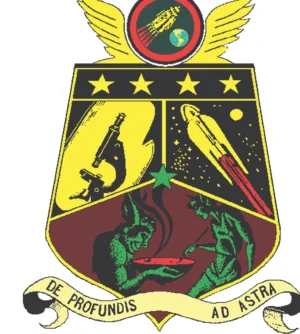
Founded on October 27, 1934, LASFS holds the esteemed title of the world’s oldest continuously active science fiction and fantasy club. Its history is a rich tapestry woven with the threads of countless fanzines, legendary meetings, and the contributions of an astonishing array of professional writers, editors, artists, and passionate fans. The society’s membership is a vibrant cross-section of the speculative fiction world, encompassing aspiring writers honing their craft, seasoned professionals sharing their wisdom, and enthusiasts of genre literature, media, gaming, and myriad other related interests. Its weekly meetings have been a consistent beacon for fandom in Southern California for nearly nine decades, fostering a sense of community that transcends generations. The unofficial motto of LASFS, "Death Will Not Release You," perfectly encapsulates its enduring spirit, a humorous yet defiant testament to its unwavering commitment to fandom.
Crucially, LASFS is not merely an originator but also the proprietor of the Westercon service mark. This ownership signifies LASFS’s role as the intellectual rights holder for the Westercon name and brand. The decision to "return the charter" to LASFS after Westercon 80 is not merely symbolic; it is a practical and legal acknowledgment of this ownership. It means that while Westercon as an annually bidding, independent convention will cease, the legacy and potential future use of the "Westercon" name will rest with LASFS, who will decide its ultimate fate. This ensures that the history and goodwill associated with the name are preserved by its founding organization.
Throughout its existence, Westercon became synonymous with the diverse and rich programming characteristic of traditional fan-run conventions. Attendees could expect a full spectrum of activities: thought-provoking author panels discussing the latest trends and enduring themes in science fiction and fantasy; intimate reading sessions where celebrated and emerging writers shared their work; vibrant art shows displaying fantastical creations from amateur and professional artists; elaborate masquerades showcasing the creativity and craftsmanship of costume enthusiasts; bustling dealer’s rooms offering books, merchandise, and unique collectibles; and dedicated fan programming encompassing everything from gaming tournaments to discussions on specific media franchises or subcultures. This blend of intellectual engagement, artistic appreciation, and social interaction cemented Westercon’s role as a vital cultural event. It provided a crucial platform for West Coast authors, artists, and creators to connect directly with their audience, fostering a regional identity within the broader science fiction community.
The final two conventions will be hosted in collaboration with other established regional conventions. BayCon, a long-running science fiction convention in the San Francisco Bay Area, will co-host Westercon 79. BayCon itself has a rich history, having served as a gathering point for Northern California fandom for decades. Similarly, Loscon, also hosted by LASFS, will join forces for Westercon 80. Loscon is another integral part of the Southern California convention circuit, and its partnership for the final Westercon highlights the deep interconnectedness of these fan organizations. These collaborations underscore the communal spirit of fandom, where organizations support each other, especially during moments of transition.
The decision to conclude Westercon also reflects broader trends within the science fiction/fantasy convention landscape. The early 21st century has seen a significant evolution, with the rise of massive commercial "comic cons" attracting hundreds of thousands of attendees and focusing heavily on popular culture, celebrity appearances, and commercial activations. While these events offer a different kind of experience, they have inevitably impacted the attendance and visibility of smaller, more traditional fan-run conventions like Westercon. Many traditional regional conventions have faced similar pressures, adapting their models, seeking partnerships, or, in some cases, concluding their runs. Westercon’s "Retirement Tour" can be viewed not as a failure, but as a strategic and dignified response to these evolving dynamics, choosing to celebrate its legacy rather than struggle for perpetual viability in a dramatically altered environment.
A Reflective Farewell: Official Responses and Sentiments
While official quotes are not yet widely released, the sentiment emanating from the Westercon Business Meeting and associated organizations is one of profound respect for the convention’s history, coupled with a pragmatic acceptance of its evolving future. Representatives involved in the decision-making process have indicated that the move to repeal the bylaws is intended to streamline the concluding phase of Westercon. "The simplification of our operational framework for these final two conventions allows us to focus entirely on celebrating Westercon’s incredible legacy," a spokesperson familiar with the proceedings conveyed. "It ensures a smooth, efficient process as we prepare to return the charter to LASFS, its rightful owner."
The framing of the final two events as a "Retirement Tour" is a deliberate choice, aiming to imbue the conclusion with a celebratory rather than somber tone. "This is not an end in a mournful sense, but a grand finale, a chance for the community to come together and honor nearly eighty years of shared experiences," stated an organizer closely involved with the planning. "We want fans, old and new, to join us in Santa Clara and Los Angeles to reflect on the joy, the friendships, and the literary discoveries that Westercon has fostered."
From the perspective of LASFS, the decision to reclaim the Westercon service mark is viewed as a natural culmination of its historical role. "LASFS has been the proud custodian of the Westercon service mark since its inception," a representative from the society noted. "While we are saddened to see Westercon conclude its annual independent operation, we also recognize the importance of bringing its charter home. We will ensure that Westercon’s history is preserved, and its contributions to West Coast fandom are eternally remembered." The society’s long-standing motto, "Death Will Not Release You," takes on a poignant, albeit ironic, resonance in this context, suggesting that while the convention’s active run may cease, its spirit and memory will undoubtedly persist within the LASFS community.
The partnering conventions, BayCon and Loscon, have expressed honor in playing a role in Westercon’s final chapters. "BayCon is thrilled to host Westercon 79 and be a part of this historic ‘Retirement Tour’," commented a BayCon representative. "It’s a testament to the interconnectedness of West Coast fandom that we can offer a platform for this significant farewell. We anticipate a truly memorable event that celebrates the rich heritage of both conventions." Similarly, Loscon organizers, deeply intertwined with LASFS, are preparing for a poignant conclusion. "Hosting Westercon 80 with Loscon 54 will be a momentous occasion," a Loscon planner remarked. "It’s a privilege to be the final venue for Westercon and to facilitate the return of its charter to LASFS, closing this incredible chapter in the history of science fiction conventions." These official, albeit generalized, responses emphasize a collective commitment to honoring Westercon’s past and facilitating a respectful transition.
The Dawn of a New Era: Implications for Fandom
The conclusion of Westercon’s independent operation carries significant implications for West Coast fandom and the broader landscape of traditional science fiction conventions. For nearly eight decades, Westercon has served as a reliable anchor, a consistent gathering point that provided a regional identity for fans. Its cessation will undoubtedly leave a void, particularly for those who have attended for many years and for the fan groups that looked to it as a model or a stepping stone for their own events.
One immediate question is how this void will be filled. While other conventions, like BayCon and Loscon, continue to thrive, Westercon’s unique scope and history as the designated West Coast regional convention will be missed. It may spur the creation of new, smaller regional conventions, or it could lead to increased attendance and perhaps a broadening of focus for existing events. The spirit of community and the desire for in-person gatherings remain strong within fandom, suggesting that new forms or iterations of conventions will likely emerge to cater to these needs.
For LASFS, reclaiming the Westercon service mark presents both a responsibility and a potential opportunity. The immediate implication is the preservation of Westercon’s legacy. LASFS will become the official repository of its history, documents, and perhaps even its archives. In the long term, LASFS will hold the discretion to decide if and how the "Westercon" name might ever be utilized again, perhaps for special anniversary events, publications, or as a historical designation for future projects. This positions LASFS not just as a club, but as a direct steward of a significant piece of fan history.
More broadly, Westercon’s "Retirement Tour" serves as a poignant reflection on the challenges facing traditional, volunteer-run regional conventions in the 21st century. It underscores the immense effort and dedication required to sustain such events year after year, especially in an era of increasing costs, competition from commercial entities, and evolving volunteer models. While the end of Westercon is specific to its circumstances, it offers a case study in how established fan organizations are adapting to a changing environment. It highlights the importance of strategic planning, succession management, and sometimes, the difficult but necessary decision to conclude a chapter gracefully.
Ultimately, Westercon’s legacy will endure. It will be remembered not just for the panels, the guests, or the specific locations, but for the countless connections forged, the ideas sparked, and the vibrant community it nurtured for generations of science fiction and fantasy enthusiasts on the West Coast. The "Retirement Tour" is an invitation to celebrate this enduring impact, to say a collective goodbye, and to acknowledge that while one era may conclude, the spirit of fandom, as LASFS’s motto suggests, will indeed persist. Fans are encouraged to follow LASFS on their official webpage (LASFS.org), Facebook, Bluesky, and to search for #LASFS for updates on the final conventions and the ongoing life of the venerable society itself. The final two Westercons are poised to be both a retrospective tribute and a forward-looking moment for the science fiction and fantasy community, marking the dignified end of an era and the perpetual evolution of fandom.