Cultivating a Sustainable Writing Life: Embracing the Rhythms of the Seasons to Combat Burnout
By [Your Name/Publication Name]
In the relentless pursuit of literary success, many authors, particularly those emerging from the burgeoning independent publishing scene, have long subscribed to a mantra of constant hustle: write faster, produce more, and push harder. This relentless drive, while seemingly effective in the short term, often leads to a pervasive and debilitating condition known as writer’s burnout. Recognizing this widespread challenge, a new paradigm is emerging, advocating for a more sustainable approach to the writing life – one that harmonizes with natural creative cycles rather than battling against them.
This evolving perspective is championed by writers and industry professionals who are re-evaluating the very definition of writerly discipline. Instead of a rigid, self-imposed schedule that can feel like a forced march, the focus is shifting towards cultivating a writing rhythm that is both productive and restorative. This approach acknowledges that creativity, much like nature, operates in distinct phases, each with its own purpose and demands. By understanding and honoring these inherent rhythms, writers can foster a more enduring and fulfilling creative journey.
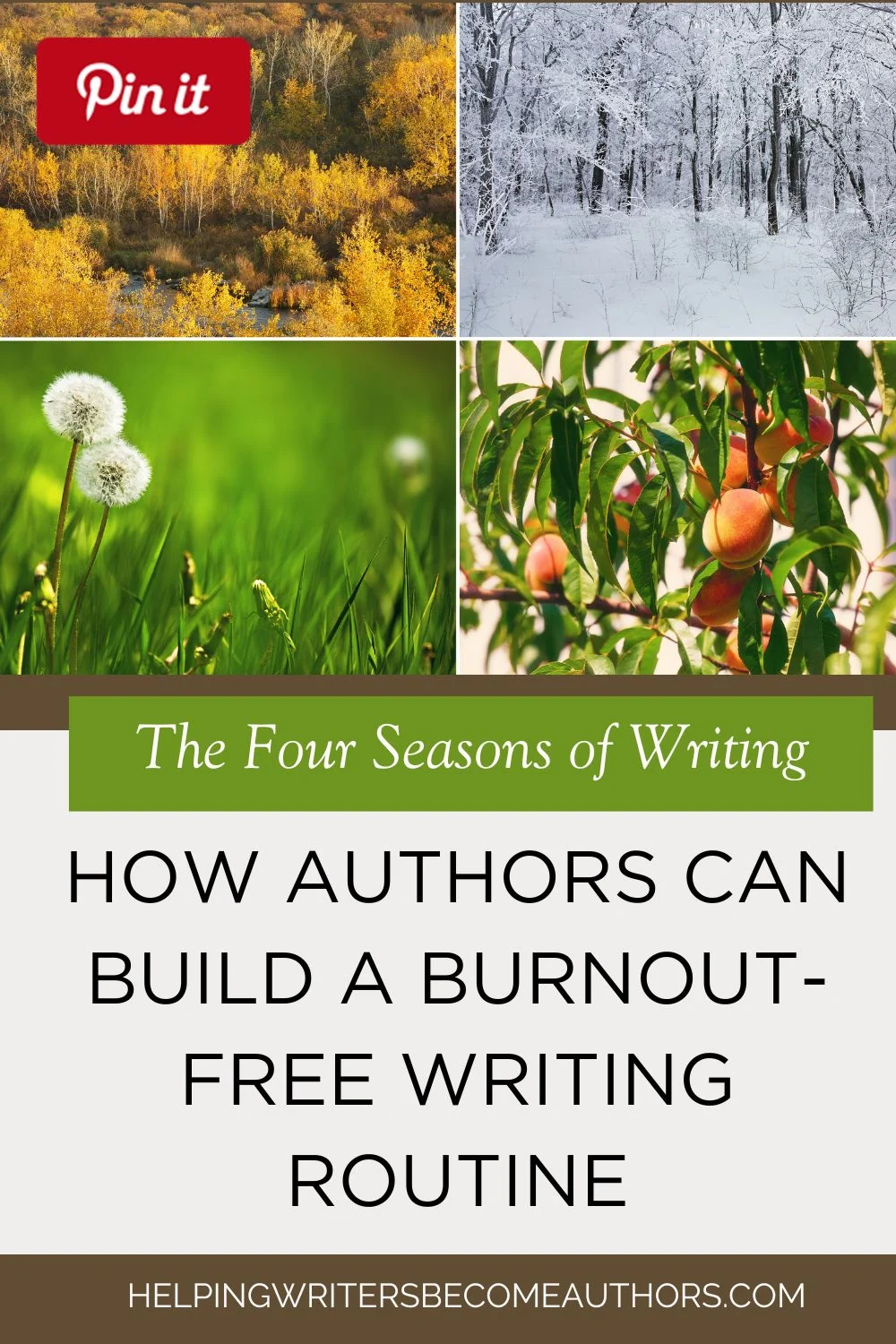
Brian Hicks, a prominent voice in the writing community, has been at the forefront of this conversation, collaborating with KMW (presumably a well-known author or editor) to explore this concept. Their recent work introduces "Writing the Seasons," a framework that draws a compelling parallel between the agricultural cycle and the multifaceted process of bringing a book to fruition. This metaphorical approach offers a structured yet adaptable model for writers to navigate the often-turbulent waters of drafting, revision, publishing, and essential periods of rest.
The Illusion of Two Writer Types: Beyond the Burnout Binary
Hicks identifies a common misconception within the author community: the belief that writers fall into one of two extreme categories. The first is the "hard-driving, rapid-release, all-gas, no-brakes" writer, who is perceived as the sole path to success. The second is the "slow-grinding, perpetually drafting, angst-ridden" writer, often viewed as destined for perpetual struggle.
"I humbly submit that neither type is built for success," Hicks argues. "Type 1 burns out while Type 2 never heats up—but the eventual result for both is the same: stalled progress and potential disillusionment." This binary thinking overlooks a crucial third path: a "saner" author type who embraces a balanced and consistent writing rhythm, one that doesn’t necessitate manic pacing or self-recrimination.
The core deficiency in both perceived archetypes, according to Hicks, is the absence of a reliable and consistent writing rhythm. The "snatch-and-patch" method, where writing is squeezed into the meager margins of overloaded schedules – late nights, early mornings, lunch breaks, and sidelines of children’s activities – inevitably leads to fragmented progress and a lingering sense of incompleteness. This reactive approach, characterized by inconsistent effort, naturally yields inconsistent and unreliable results.
The Timeless Wisdom of Natural Cycles: Introducing "Writing the Seasons"
The key to a more consistent and reliable output, Hicks proposes, lies in observing and emulating the most consistent and reliable force known: the laws of nature. The four distinct seasons – spring, summer, autumn, and winter – offer a powerful metaphor for structuring a sustainable writing practice.
"We all know there are four seasons," Hicks explains. "We know this because, weather jokes aside, every year we experience all four of them—and in a very specific order. Summer always follows spring. For how many years? Every one, for all of recorded history." This inherent order and predictability, he contends, can be applied to a writer’s creative calendar to foster focus and productivity without succumbing to exhaustion.
The "Writing the Seasons" framework is not about rigidly adhering to a three-month cycle for each phase, but rather embracing the spirit of each season’s purpose within a personalized timeline. The fundamental principle is to create dedicated periods for distinct aspects of the writing process, ensuring that each receives the attention it deserves.
Spring: The Urgency of Drafting
Spring, in the natural world, is a time of urgent planting. Seeds must be sown within a limited window to ensure a successful harvest. Farmers understand that missing this crucial period has direct and significant consequences for their livelihood.
Similarly, for writers, "Spring" represents the critical phase of drafting. "Nothing happens until words go on the page," Hicks emphasizes. This season demands a focused, no-distractions approach. It’s a time to lock in, to temporarily set aside non-essential commitments, and to communicate to family and friends that this dedicated period of creation is underway.
During this intense phase, writers engage in outlining, developing backstories, and establishing a weekly writing schedule. The ultimate goal of "Spring" is to emerge with a completed first draft. The duration of this season is highly personal. A writer with fewer external demands might complete their draft in a month, while someone juggling multiple jobs and family responsibilities may require a longer "Spring." The crucial element is to set a definitive end date, creating a sense of urgency and commitment. "Summer is coming. You must plan accordingly," Hicks advises.
Summer: The Rigors of Revision and Refinement
Following the planting of spring comes the meticulous work of summer. On a farm, this involves tending to the growing crops: weeding, watering, and protecting against pests and diseases. This phase mirrors the challenging yet essential process of revising and strengthening a manuscript.
Hicks acknowledges that this is where many writers falter. The temptation to abandon a struggling manuscript and start anew – to "plant a new field over there" – is strong. However, the wisdom of the seasonal metaphor is to commit to the crop planted in spring. "We planted soybeans in the spring. We’re getting soybeans in the fall," he illustrates, encouraging writers to see their current project through.
"Summer" will likely be a period of intense effort, potentially marked by difficult feedback from beta readers or the painful necessity of "killing your darlings" – those beloved passages that, while beautifully written, may not serve the overall story. Trusting the process, much like a farmer trusts the sun and soil, is paramount.

The duration of "Summer" is also a personal decision, often longer and less glamorous than drafting. It can be a "slog," leading to moments of frustration with the manuscript. However, setting a firm end date for this revision phase is crucial to prevent the project from becoming a perpetual work-in-progress.
Autumn: The Harvest of Publishing and Sharing
Autumn signifies the culmination of the year’s labor. It’s the time of harvest, the reward for diligent work throughout the spring and summer. For authors, "Autumn" represents the phase of publishing, querying agents, or sharing their work with the world.
While the act of publishing or submitting a manuscript may not always feel like a simple reward, Hicks urges authors to celebrate this milestone. Framing a book cover, enjoying a celebratory meal, or simply acknowledging the achievement are important steps. He also introduces a fundamental law: "The reward for hard work is more work."
This is the phase where the "crop" is taken to market. Whether through traditional publishing channels or independent self-publishing, the goal is to connect the completed work with readers. Unlike the more defined deadlines of spring and summer, "Autumn" can be a more fluid period, extending as authors continue to query or market their books until they achieve desired results. Importantly, this phase can overlap with the planning for the next creative cycle.
Winter: The Essential Season of Rest and Renewal
Winter, the final season, is dedicated to rest, learning, and preparing for the next creative endeavor. This is not a period of idleness, but rather a time for reflection, professional development, and strategic planning.
Authors in "Winter" might catch up on industry podcasts, engage in courses on craft, explore marketing strategies, and begin to conceptualize their next novel. While they may continue some promotional activities for their current book or still be querying, the emphasis shifts to recharging the creative wellspring. This allows them to approach the next "Spring" with renewed enthusiasm and energy.
Like all seasons, "Winter" also has an end date. The promise of a new "Spring" signifies that the cycle of creation is ready to begin anew.
Crafting a Personalized Seasonal Writing Routine
The true power of the "Writing the Seasons" framework lies in its adaptability. The key to its success is to create a seasonal calendar that aligns with an author’s unique life circumstances and commitments.
The process begins with identifying the ideal time for "Spring," the most demanding season. This often means looking for periods when other life calendars naturally slow down. For example, if a teacher’s children are on summer break, that might not be the most opportune time for hyper-focused writing. Instead, a writer might align their "Spring" with a less demanding period in their personal schedule.
Once the "Spring" is established, the durations of "Summer," "Autumn," and "Winter" can be determined based on individual needs and processes. Some authors may be able to complete multiple full cycles of seasons in a year, while others require more extended periods for each phase. The critical takeaway is to establish clear deadlines for each season and to honor them.
The Transformative Impact of a Sustainable Writing Routine
Implementing a seasonal writing routine offers a tangible path to overcoming writer’s block and burnout, ultimately leading to the completion of more books. By embracing this cyclical approach, authors can move away from the exhausting pressure of constant output and towards a more balanced and enduring creative practice.
The analogy of the farmer is particularly resonant. Farmers achieve consistent and reliable production through a sustainable and predictable process. By adopting a similar mindset, writers can cease to abandon projects and instead commit to finishing them.
The call to action is clear: create a personalized seasonal writing calendar. Schedule the start and end dates for each season, using calendar tools to set reminders and alarms. This deliberate act of planning and commitment is the foundation for building a writing life that is not only productive but also sustainable and fulfilling for the long haul.
[Optional: Add a concluding paragraph from the author or editor, if applicable, reinforcing the message or offering further encouragement. For instance, referencing the free audio gift or the outlining workbook mentioned in the original text.]
For those seeking to further refine their "Spring" phase and approach drafting with greater clarity, resources like the Outlining Your Novel Workbook can provide invaluable guidance. By developing a robust story roadmap before embarking on the writing process, authors can move forward with enhanced confidence and purpose, setting the stage for a successful and sustainable writing journey through all the seasons.