"Cocoon: One Summer of Girlhood" Arrives in North America: A Poignant Wartime Drama from Acclaimed Anime Studio
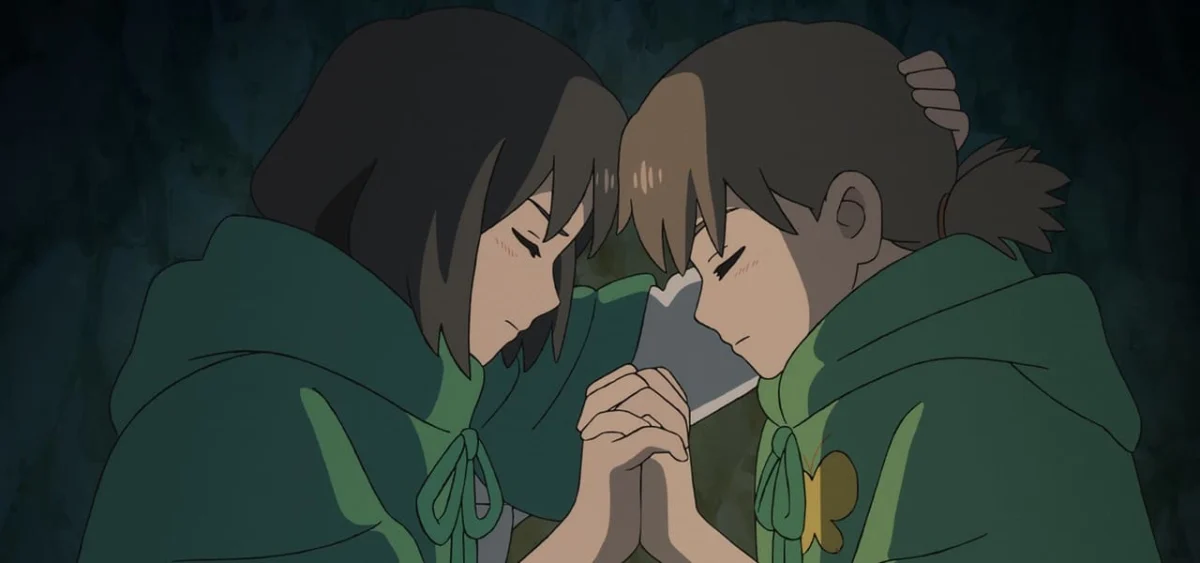
New York, NY – July 16, 2026 – The acclaimed animated wartime drama, Cocoon: One Summer of Girlhood, is set to captivate North American audiences with its theatrical release on September 4th. Distributor GKIDS has unveiled the English-subtitled trailer for the film, directed by first-time feature filmmaker Yukimitsu Ina. The film will be presented in both its original Japanese with English subtitles and a newly produced English dub, offering diverse viewing options for audiences.
Based on Machiko Kyo’s celebrated manga of the same name, Cocoon: One Summer of Girlhood delves into the profound impact of World War II on innocence and friendship. The narrative centers on San and Mayu, two young students at an all-girls school whose idyllic island existence is irrevocably altered by the escalating conflict. As the war encroaches upon their home, the girls are tasked with caring for wounded soldiers in a clandestine military hospital hidden within a cave. This challenging role forces them to confront the brutal realities of war while desperately striving to preserve their bond and their very humanity.
A Debut of Significant Promise: Yukimitsu Ina’s Vision
The film marks a significant directorial debut for Yukimitsu Ina, whose prior contributions to the animation landscape have garnered considerable attention. Ina has previously lent their talents to prominent projects such as the visually striking anime series Keep Your Hands Off Eizouken! and the critically lauded Star Wars: Visions episode, "Tatooine Rhapsody." These previous works showcase an emerging directorial voice with a keen eye for storytelling and visual expression, setting high expectations for their first feature-length endeavor.
Cocoon: One Summer of Girlhood is brought to life by the esteemed animation studio Sasayuri. This studio was founded by Hitomi Tateno, a veteran animator whose illustrious career includes iconic contributions to beloved Studio Ghibli masterpieces such as My Neighbor Totoro and Howl’s Moving Castle. Tateno’s involvement with Sasayuri underscores a commitment to producing animation of the highest caliber, blending established artistry with fresh perspectives.
A Tapestry of Talent: Crafting the Visual and Auditory Experience
The production of Cocoon: One Summer of Girlhood is a testament to the collaborative spirit of the animation industry, bringing together a diverse ensemble of seasoned professionals and emerging talents. The animation team boasts impressive credentials, including Akihiko Yamashita, whose work on films like Spirited Away and The Boy and the Heron has earned international acclaim, and Shinji Otsuka, known for their contributions to classics such as Kiki’s Delivery Service and Princess Mononoke. This wealth of experience ensures a visually rich and emotionally resonant cinematic experience.
The screenplay for Cocoon: One Summer of Girlhood is a collaborative effort, with director Yukimitsu Ina co-writing the script alongside Taku Kishimoto. Kishimoto’s previous writing credits, including the highly popular sports anime Haikyu!! and the action-packed SAKAMOTO DAYS, demonstrate a versatility in crafting compelling narratives that resonate with diverse audiences. This partnership promises a script that is both sensitive to the historical context and deeply engaging in its character development.
Adding another layer of artistic depth to the film is the musical score composed by Kensuke Ushio. Ushio’s previous work on films like A Silent Voice and the acclaimed anime series Chainsaw Man has established him as a composer capable of evoking profound emotion through his music. For theatrical screenings in North America, audiences will be treated to a special behind-the-scenes featurette that delves into Ushio’s creative process, offering an intimate glimpse into the composition of the film’s evocative soundtrack. This added content promises to enrich the viewing experience, providing context and appreciation for the film’s sonic landscape.
Thematic Resonance: War, Innocence, and the Enduring Power of Friendship
Cocoon: One Summer of Girlhood tackles themes of immense weight and universal relevance. The film’s premise directly confronts the devastating impact of war on civilian populations, particularly on young individuals whose lives are abruptly and tragically reshaped by conflict. The setting within a hidden military hospital provides a stark and intimate perspective on the human cost of war, juxtaposing the innocence of San and Mayu with the suffering of wounded soldiers.
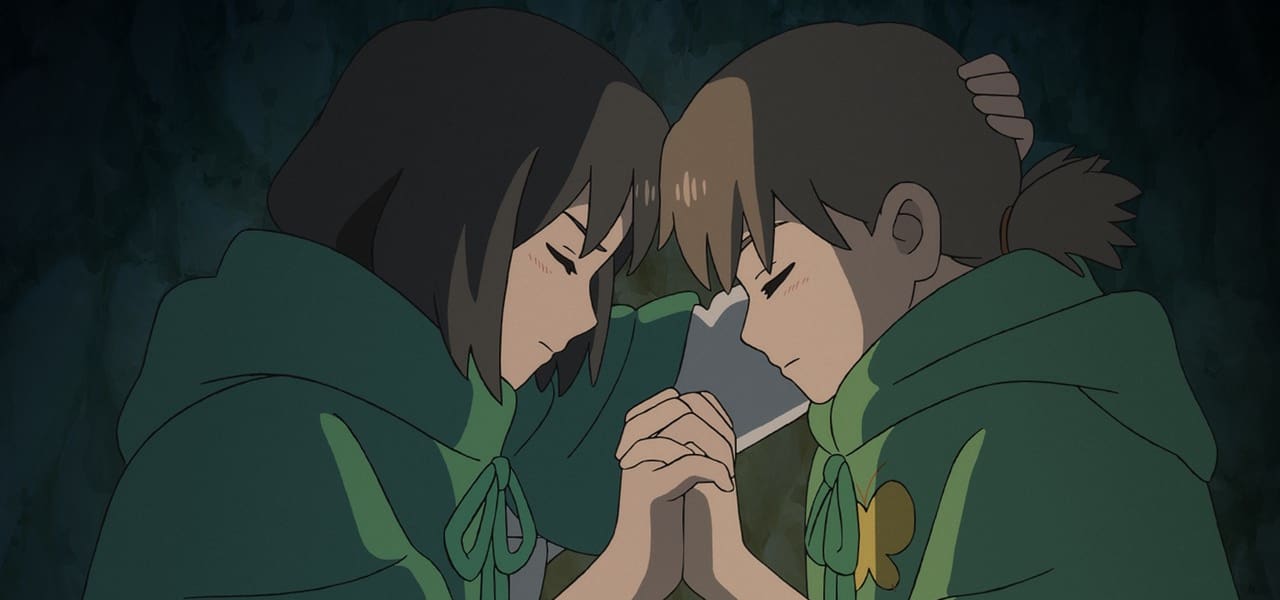
The central relationship between San and Mayu serves as the emotional anchor of the narrative. Their friendship, forged in the crucible of wartime adversity, becomes a beacon of hope and resilience. The film explores the challenges of maintaining one’s humanity and preserving personal connections in the face of overwhelming destruction and loss. The narrative likely explores how these young girls navigate the complexities of duty, compassion, and the dawning realization of the world’s harsh realities.
Machiko Kyo’s original manga, which serves as the source material, has been lauded for its poignant storytelling and its ability to capture the emotional nuances of its characters. The transition of this acclaimed work to the animated medium, under the guidance of Yukimitsu Ina and with the artistic prowess of Sasayuri studio, suggests a faithful yet cinematic adaptation that will honor the spirit of the source material while leveraging the unique strengths of animation to bring its themes to life.
Chronological Context and the Shadow of World War II
The setting of Cocoon: One Summer of Girlhood places it firmly within the historical context of World War II, a period of unprecedented global conflict that profoundly reshaped the world. While the specific island and its role in the war are not detailed in the initial announcement, the narrative’s focus on a military hospital and the presence of wounded soldiers indicates a direct engagement with the realities of wartime occupation or proximity to active combat zones.
The decision to set the story within an all-girls school, where the protagonists are forced into roles of caregiving, highlights the widespread disruption caused by the war, extending beyond the battlefield to impact every facet of society. The concealment of the hospital within a cave suggests a clandestine operation, possibly indicative of the island’s strategic importance or its vulnerability to attack. This element adds a layer of suspense and urgency to the narrative, underscoring the precariousness of the characters’ situation.
The film’s exploration of the "summer of girlhood" under these dire circumstances invites contemplation on the lost opportunities and the premature maturation that war often imposes on young people. The contrast between the natural beauty and peace of their island life and the grim realities they are forced to confront will likely be a significant thematic element. The period of World War II was marked by widespread displacement, rationing, and the constant threat of violence, all of which would have profoundly impacted the lives of ordinary citizens, especially children and young women.
Supporting Data and Critical Acclaim for Source Material
While specific critical reviews for Cocoon: One Summer of Girlhood are not yet available in North America, the acclaim for its source material, Machiko Kyo’s manga, provides a strong indicator of the narrative’s potential. Manga that tackles sensitive historical themes and focuses on character-driven narratives often resonate deeply with audiences and critics alike. The manga’s ability to capture the emotional complexity of its characters and its sensitive portrayal of wartime experiences have been highlighted as key strengths.
The involvement of a studio like Sasayuri, founded by a Studio Ghibli veteran, and the assembly of animators with extensive experience on award-winning films, serve as significant supporting data points for the film’s artistic merit. The quality of animation, character design, and visual storytelling are paramount in conveying the emotional weight of the story, and the pedigree of the creative team strongly suggests a high level of craftsmanship.
Furthermore, the selection of Kensuke Ushio as composer is another positive indicator. His previous work has been praised for its ability to enhance emotional resonance in storytelling, suggesting that the film’s score will be a vital component in immersing the audience in the characters’ experiences and the film’s atmosphere.
.png)
Official Responses and Distribution Strategy
The decision by GKIDS to distribute Cocoon: One Summer of Girlhood in North America signifies a growing interest in international animated cinema that explores complex and mature themes. GKIDS has a proven track record of bringing critically acclaimed animated films from around the world to American and Canadian audiences, often focusing on independent and artful productions. Their commitment to releasing the film in both subtitled and dubbed versions demonstrates a strategic approach to maximizing accessibility and reaching a broader demographic.
The release of an English-subtitled trailer serves as the primary official communication to the North American market, generating anticipation and providing a first look at the film’s visual style and thematic elements. The trailer’s emphasis on the emotional core of the story and the poignant portrayal of the young protagonists suggests a marketing strategy focused on the film’s artistic merit and its powerful humanistic message.
The inclusion of a behind-the-scenes featurette on Kensuke Ushio’s score is a thoughtful addition to the theatrical release. This type of supplementary content often appeals to dedicated animation fans and cinephiles, offering deeper insight into the filmmaking process and enhancing the overall value of the theatrical experience.
Implications for the Animation Landscape and Audience Reception
The arrival of Cocoon: One Summer of Girlhood in North America holds several implications for the broader animation landscape. Firstly, it reinforces the growing trend of audiences seeking out animated films that move beyond traditional children’s entertainment to explore complex adult themes, historical events, and nuanced emotional journeys. The success of films like Grave of the Fireflies and Barefoot Gen has paved the way for more mature animated narratives to find their audience.
Secondly, the film’s focus on a wartime drama from a Japanese perspective offers a valuable opportunity for North American audiences to engage with different historical narratives and cultural viewpoints through the accessible medium of animation. Such films can foster empathy and understanding across cultures.
The film’s success will likely depend on its ability to connect with audiences on an emotional level. The themes of innocence lost, the resilience of the human spirit, and the enduring power of friendship are universal, and if executed with the artistic skill suggested by the production team, Cocoon: One Summer of Girlhood has the potential to be a deeply moving and memorable cinematic experience. The dual release strategy of subtitled and dubbed versions aims to cater to the preferences of a diverse audience, potentially broadening its reach and impact. The film’s theatrical run, beginning on September 4th, will be closely watched as an indicator of the appetite for sophisticated and emotionally resonant animated storytelling in the North American market.