"Wicker" Film Sparks Unforeseen Interior Design Craze: IKEA Bets Big on "Husband Material"
The upcoming Cottagecore-infused horror film "Wicker," set to premiere in late October 2026, is already proving to be a surprising catalyst for a burgeoning interior design trend. The film’s visually striking aesthetic, featuring a mesmerizing Alexander Skarsgård as a man woven from wicker, has captured the public’s imagination and sent shockwaves through the furniture industry. Purveyors of natural materials like osier, rattan, and cane are anticipating a significant boom, with IKEA already strategically leveraging the film’s viral appeal to rebrand and market its own ligneous offerings.
The cinematic world is abuzz with anticipation for "Wicker," a unique genre blend that promises to be as unsettling as it is visually captivating. Directed by [Director’s Name, if available, otherwise omit] and produced by Black Bear Pictures, the film stars Olivia Colman as a lonely fisherwoman who commissions a basketmaker to create her a husband. Her wish is granted in the form of a mysteriously animated figure, brought to life by the imposing presence of Alexander Skarsgård, whose character is literally crafted from woven natural materials. The trailer, which has already garnered significant attention, showcases Skarsgård’s character as a figure of both allure and inherent danger, embodying a primal, earthy aesthetic.
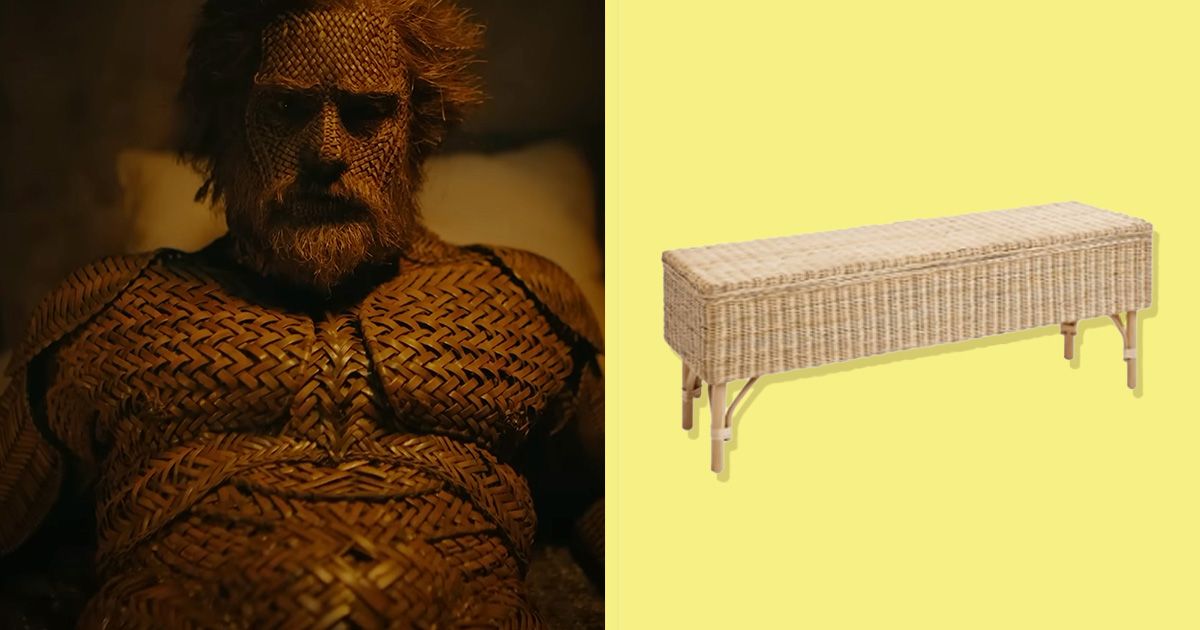
This striking portrayal of a "wicker husband" has resonated deeply with audiences, tapping into a growing fascination with natural, handcrafted, and somewhat rustic design elements. The "Cottagecore" aesthetic, characterized by its romanticized vision of rural life and appreciation for vintage and natural materials, provides fertile ground for "Wicker’s" influence. However, the film’s darker undertones suggest a potential evolution of this trend, perhaps into what could be termed "Dark Cottagecore" or "Wickercore," a style that embraces the beauty of natural fibers while hinting at something more primal and untamed.
From Silver Screen to Showroom: The Rise of Wickercore
The immediate impact of "Wicker’s" burgeoning popularity is most evident in the furniture market. Retailers specializing in wicker, rattan, and cane furniture are already reporting increased interest and sales. The tactile nature of these materials, combined with their inherent warmth and organic appeal, offers a stark contrast to the often sleek and minimalist trends that have dominated recent years.

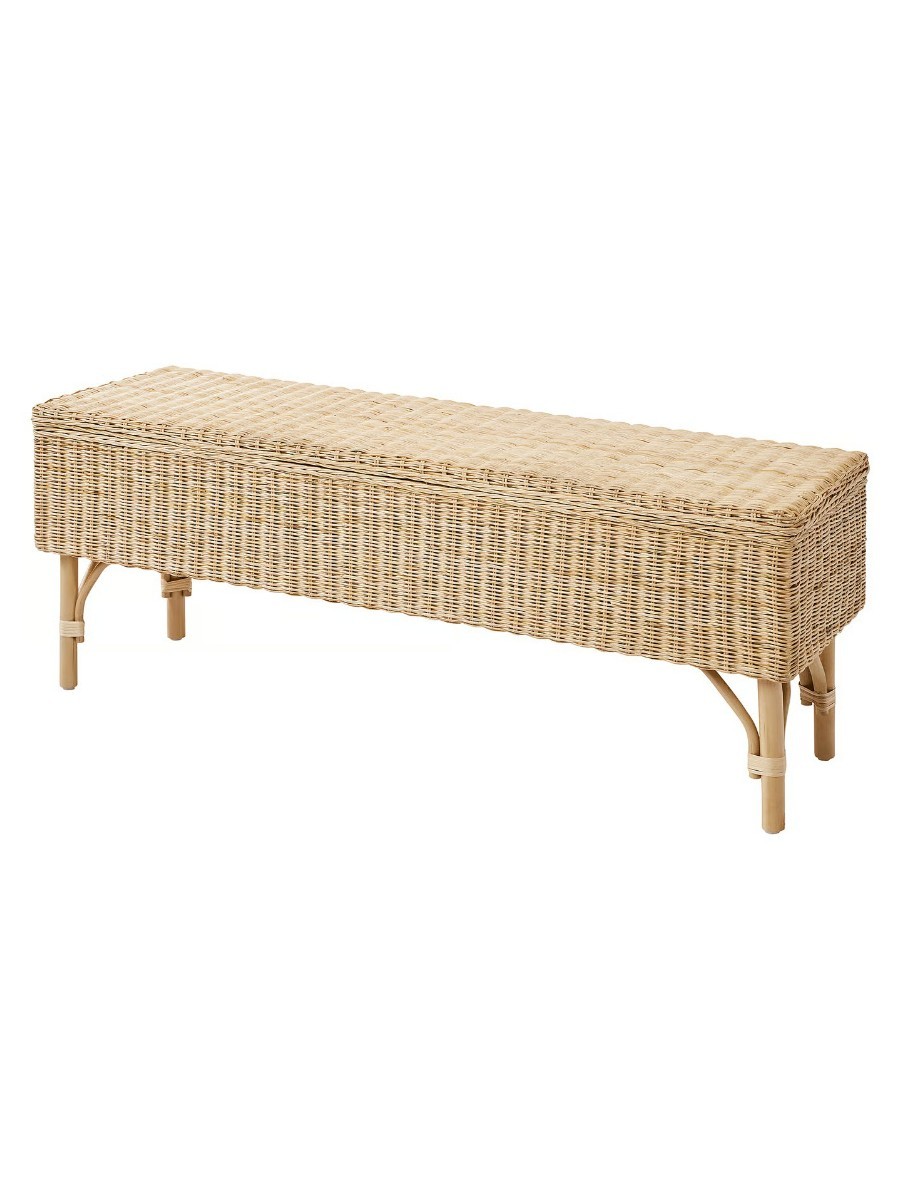
IKEA, the global furniture giant renowned for its ability to identify and capitalize on emerging consumer desires, has moved swiftly to integrate "Wicker’s" influence into its marketing strategy. The company has reportedly resurrected and rebranded its "Tolkning" bench, a piece crafted from rattan, as a must-have accessory, playfully marketing it with the tagline "made from husband material." This clever and timely pivot highlights IKEA’s agility in responding to cultural moments and their potential to drive consumer behavior. The Swedish retailer’s social media caption, "If you know, you know," accompanied by posts featuring their wicker products, has already generated significant engagement, with the film’s official Instagram account even acknowledging the campaign, signaling an official, albeit unofficial, endorsement.
This strategic move by IKEA is not unprecedented. The company has a proven track record of swiftly and astutely responding to viral trends, from its timely marketing of a water bottle in response to a Cristiano Ronaldo endorsement to its charming adaptation of a lonely monkey meme. Their ability to connect with popular culture and translate it into tangible product offerings is a key driver of their global success.
The Genesis of "Wicker": A Tale of Creation and Envy
The narrative of "Wicker" itself provides a compelling backstory for the burgeoning design trend. Olivia Colman’s character, a solitary fisherwoman, yearns for companionship and turns to a skilled basketmaker. Her desire for a partner, brought to life through the intricate craft of weaving, directly mirrors the appeal of handcrafted furniture. The reveal of Alexander Skarsgård’s character, a man literally woven into existence, becomes the ultimate embodiment of this desire fulfilled through natural artistry. The ensuing village envy underscores the desirability and unique allure of such a creation.
The film’s premise taps into themes of creation, longing, and the sometimes unsettling power of bringing something inanimate to life. This narrative, combined with the striking visual of Skarsgård’s character, has clearly struck a chord with audiences, prompting a desire to incorporate elements of this "created" aesthetic into their own living spaces. The trailer’s visceral impact, described as making viewers "weak at the knees," suggests a powerful emotional connection being forged, which in turn translates into a desire for related tangible experiences, such as home décor.
Supporting Data: The Pre-Existing Momentum of Natural Materials
While "Wicker" is undoubtedly acting as a significant accelerant, the trend towards natural materials in interior design was already gaining momentum. Factors contributing to this pre-existing surge include:
- Increased Environmental Consciousness: Consumers are increasingly seeking sustainable and eco-friendly options. Natural materials like rattan, cane, and wicker are renewable resources, offering a more environmentally responsible choice compared to synthetic alternatives.
- The Desire for Biophilic Design: This design philosophy aims to connect occupants more closely with nature by incorporating natural elements, materials, and views into the built environment. Wicker and rattan furniture naturally align with this principle, bringing the outdoors in.
- A Reaction Against Mass-Produced Minimalism: After years of minimalist and often sterile interiors, there’s a growing appetite for warmer, more textured, and characterful spaces. Handcrafted and natural materials inherently possess these qualities.
- The Influence of Social Media: Platforms like Instagram and Pinterest have played a crucial role in popularizing aesthetics like Cottagecore and Boho-chic, both of which heavily feature natural fibers and textures.
The film "Wicker" is thus not creating this trend from scratch but rather amplifying and channeling existing consumer preferences into a more defined and culturally resonant aesthetic. The release dates for "Wicker" – October 23rd in the US and October 30th in the UK – position it perfectly to influence late 2026 and early 2027 interior design trends.
IKEA’s Strategic Pivot: "Husband Material" and Beyond
IKEA’s rebranding of its "Tolkning" line as "husband material" is a masterstroke in viral marketing. It directly references the film’s core concept and taps into a playful, slightly risqué, and highly shareable narrative. The company’s understanding of meme culture and its ability to inject humor and cultural relevance into its marketing campaigns is a significant competitive advantage.
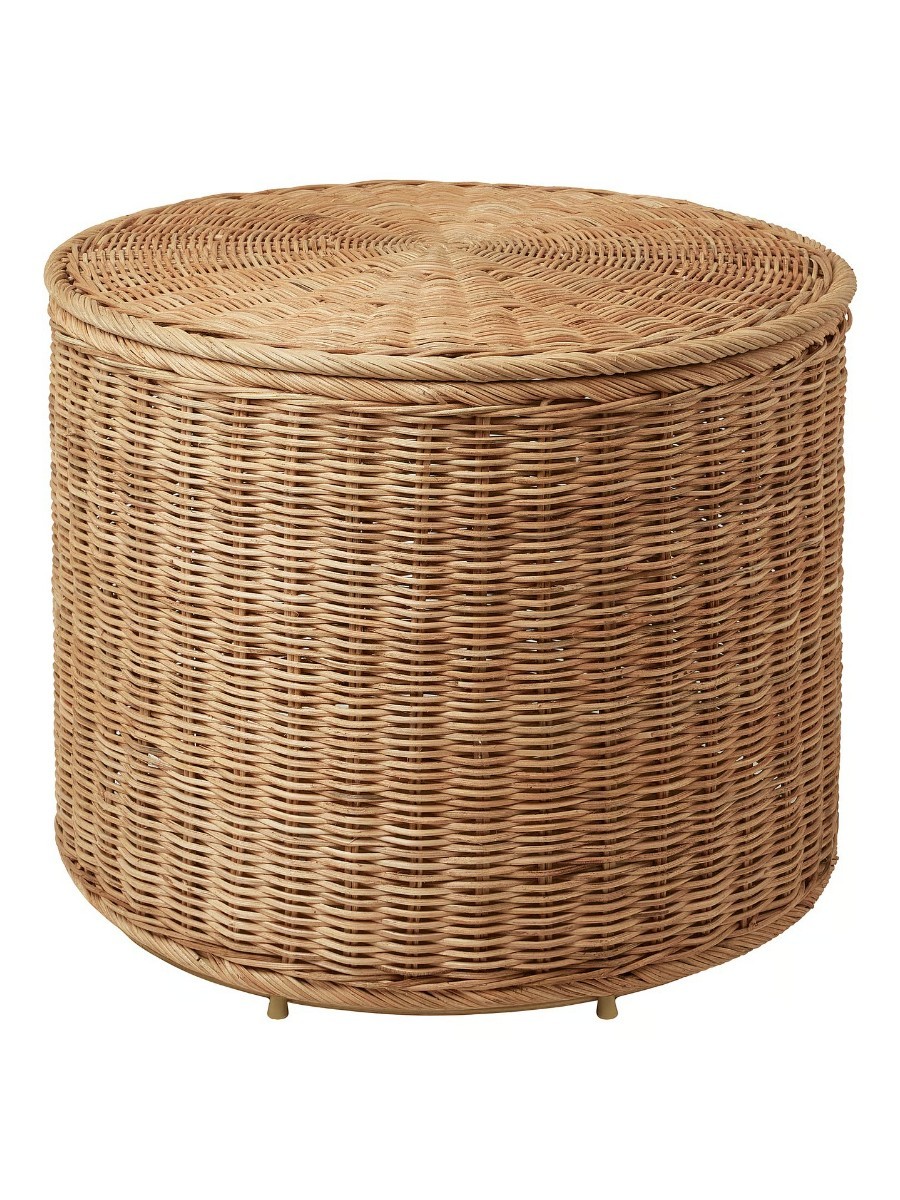
The "Tolkning" collection, which features handmade rattan items, is now being positioned as the ultimate expression of this emerging "Wickercore" aesthetic. Products like the Tolkning bench with storage, the Tolkning pouf with storage, and the Tolkning laundry basket on wheels, are being highlighted as essential pieces for anyone looking to embrace this trend. The inherent practicality and aesthetic appeal of these items, combined with the buzz generated by the film and IKEA’s marketing, are likely to drive significant sales.
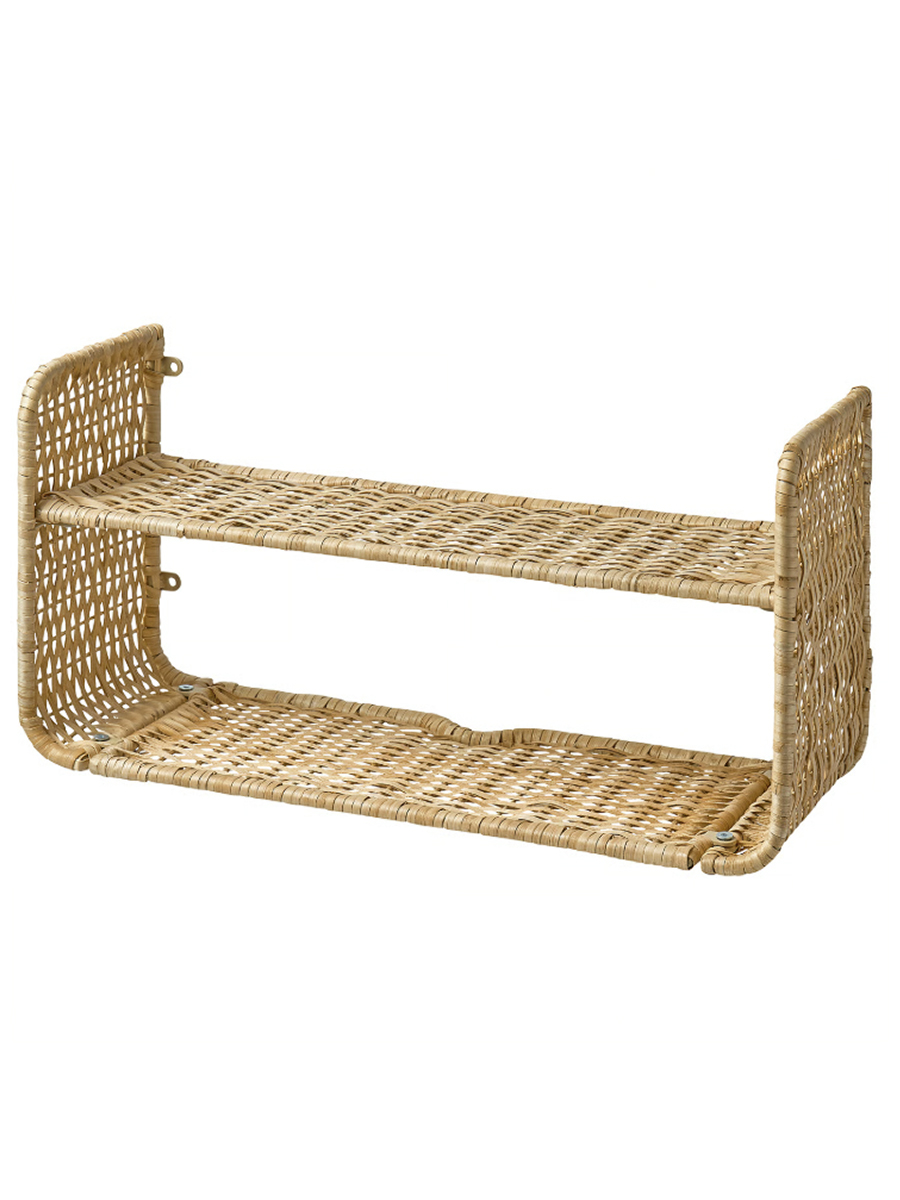
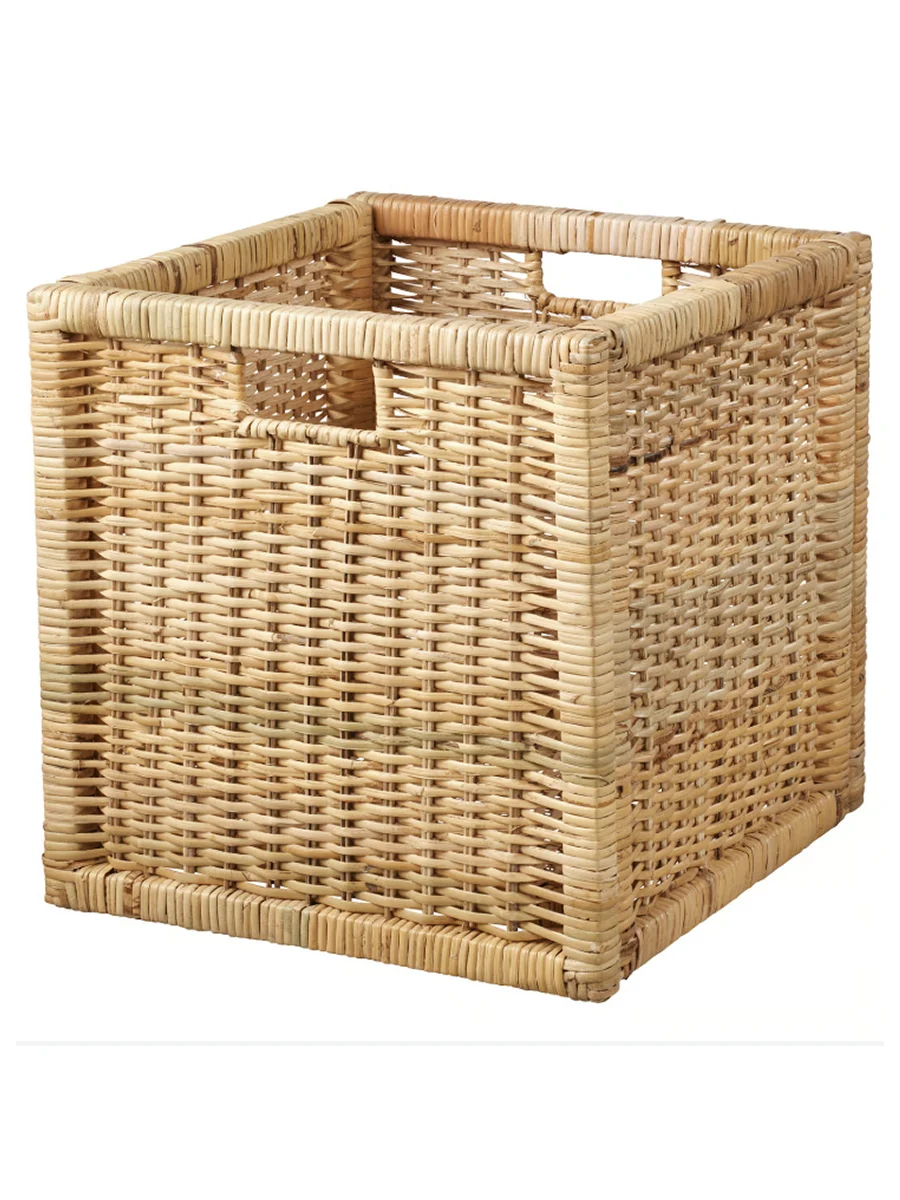
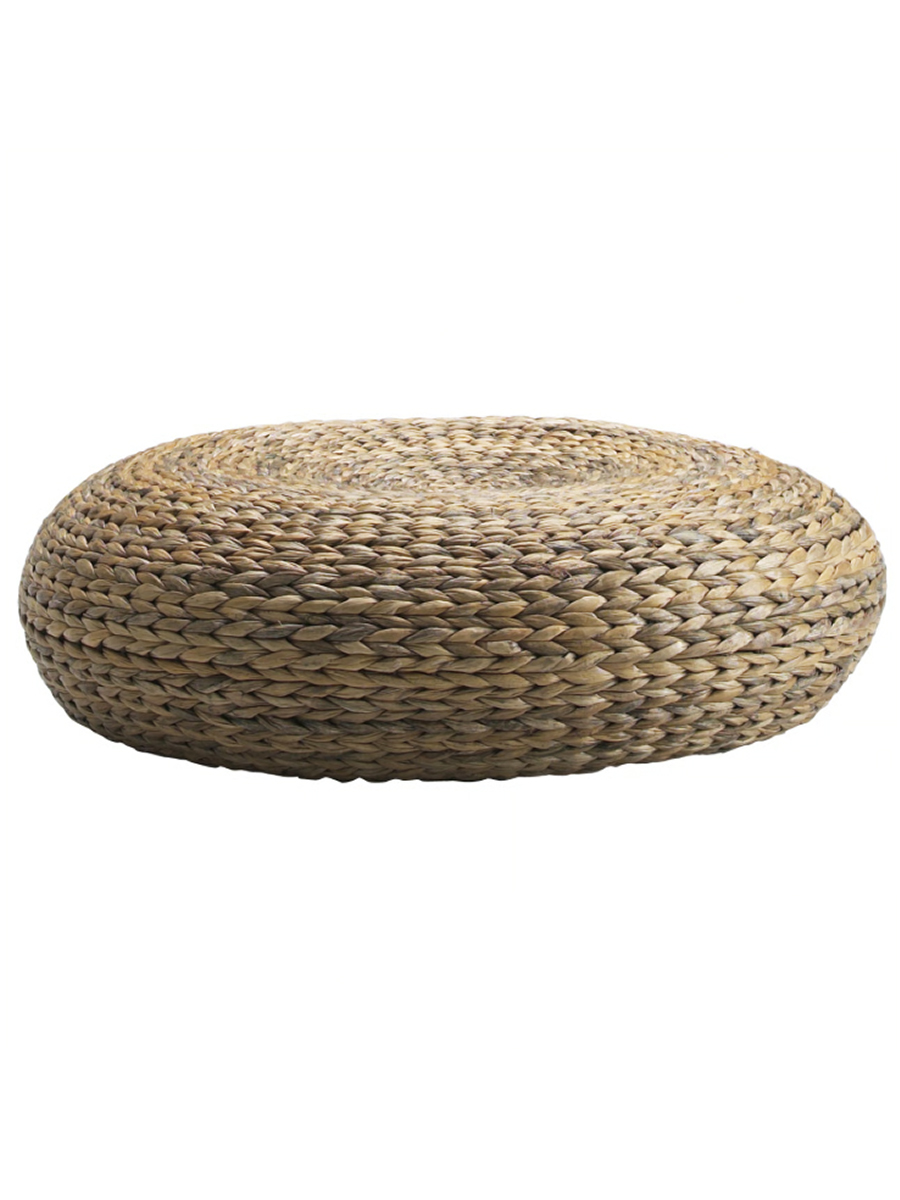
Beyond the "Tolkning" line, IKEA’s broader range of natural fiber furniture, such as the Alseda stool made from banana fiber, the Fryksås wall shelf, the Branäs basket, and the Gamlehult ottoman with storage, also stand to benefit from this heightened consumer interest. Even decorative items like the Torared pendant lamp shade, crafted from sedge, align with the organic and textured look.
Official Responses and Industry Implications
While official statements from Black Bear Pictures regarding IKEA’s marketing campaign are not yet widely publicized, the reposting of IKEA’s content by the film’s official Instagram account can be interpreted as tacit approval and a mutually beneficial collaboration. The film’s social media team also commented on IKEA’s post with "Study and supportive," a phrase directly referencing the film’s narrative, further cementing the connection.
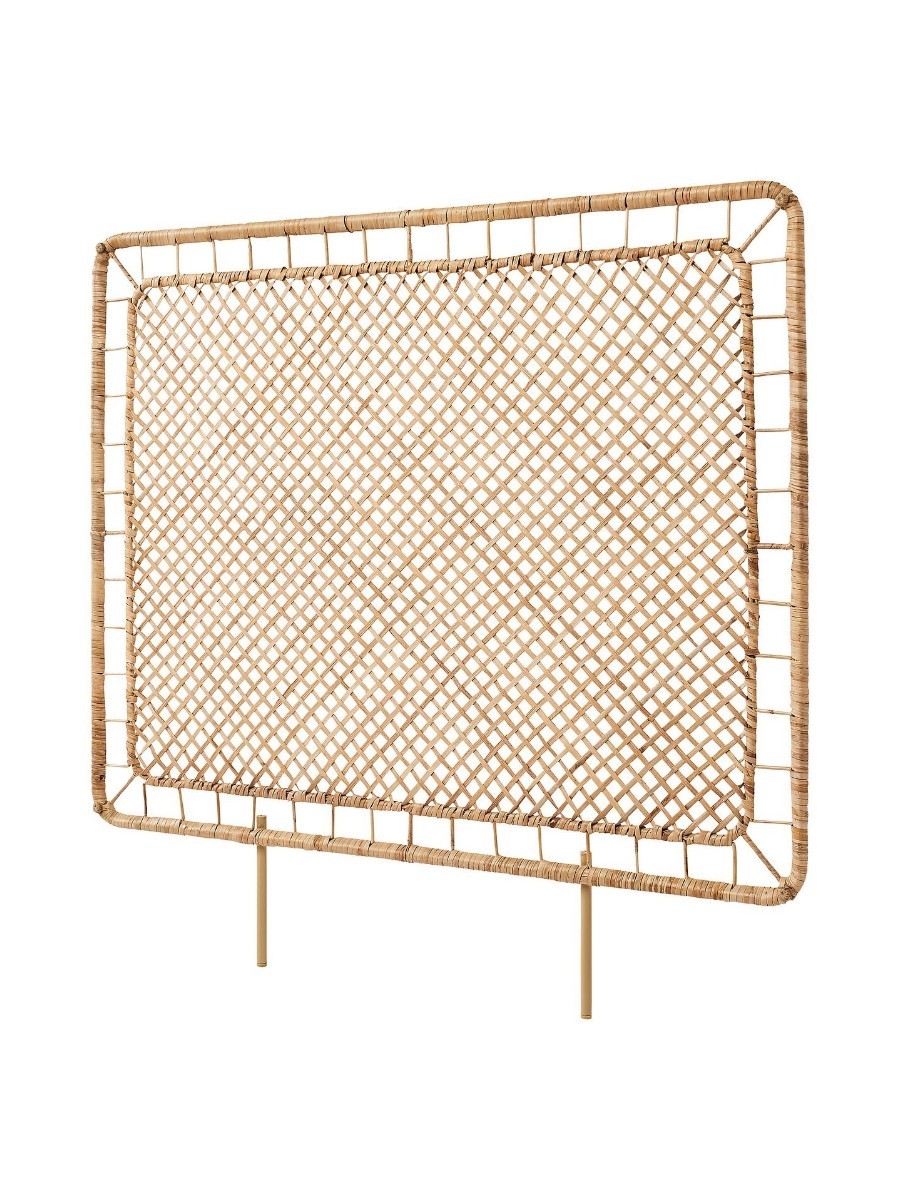
The implications for the broader interior design industry are substantial:
- Increased Demand for Natural Fibers: Expect a surge in demand for products made from rattan, cane, wicker, bamboo, willow, and other natural materials.
- Rise of "Wickercore" and Related Aesthetics: This trend is likely to evolve and diversify, potentially spawning sub-genres and influencing other design styles.
- Opportunity for Artisans and Small Businesses: The emphasis on handcrafted elements could provide a significant boost to independent artisans and smaller furniture makers specializing in these materials.
- Sustainability Focus: The trend aligns with growing consumer demand for sustainable and eco-friendly home furnishings, potentially pushing more brands to adopt responsible sourcing and production methods.
- Retailer Strategy Adaptation: Other furniture retailers will likely follow IKEA’s lead, re-evaluating their product offerings and marketing strategies to capitalize on the "Wicker" phenomenon.
The film "Wicker" is more than just a cinematic release; it’s a cultural touchstone that has unexpectedly intersected with consumer desires and market trends. As the release date approaches, the anticipation for both the film and its influential aesthetic is palpable. The "Wickercore" trend, powered by a compelling narrative and savvy marketing, is poised to redefine interior design in 2026 and beyond, proving that sometimes, the most unexpected creations can weave their way into our lives and homes.