The Virtual Reality Summer Offensive: Analyzing Sony’s Massive PS VR and PS VR2 Discount Campaign
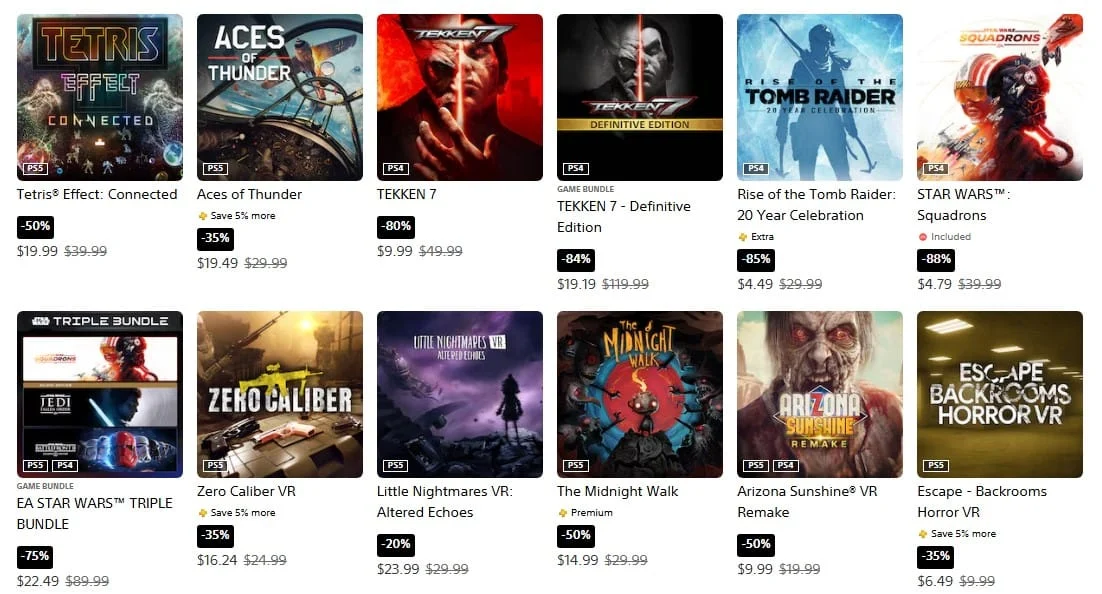
The digital landscape for virtual reality (VR) is undergoing a significant seasonal shift as Sony Interactive Entertainment (SIE) officially launched its comprehensive Summer Sale. While the annual event covers the breadth of the PlayStation 5 and PlayStation 4 libraries, the spotlight this year shines with particular intensity on the company’s immersive gaming hardware. Starting today and running through August 12, the PlayStation Store has slashed prices on approximately 200 titles across the PlayStation VR (PSVR) and PlayStation VR2 (PSVR2) ecosystems.
This move marks a pivotal moment for Sony’s VR strategy, offering discounts of up to 88% on a library that has often been criticized for its premium pricing. As the VR industry faces a challenging year of hardware adoption and content delivery, Sony’s aggressive pricing strategy appears to be a calculated effort to solidify its user base and clear the path for a new wave of software anticipated in the latter half of the year.
Main Facts: A Deep Dive into the Summer Sale Mechanics
The scope of the 200-title discount initiative is expansive, covering not just standalone games but also downloadable content (DLC), expansion passes, and unique "hybrid" bundles. The sale is designed to cater to two distinct audiences: the legacy owners of the original PSVR headset and the early adopters of the technically superior PSVR2.
Significant Discount Thresholds
The headline figure for the sale is the 88% discount tier. While these deepest cuts are typically reserved for older titles or smaller indie projects, they represent a low-friction entry point for new headset owners looking to pad their digital libraries. However, the sale also includes substantial double-digit discounts on "AA" and "AAA" VR experiences. This includes some of the platform’s most lauded titles, ranging from high-octane shooters to meditative puzzle games.
The Bundle Strategy
Sony has placed a renewed emphasis on "Bundles" during this promotional period. These offerings generally fall into three categories:
- Generational Bundles: Single purchases that provide access to both the PSVR and PSVR2 versions of a game, often including enhanced haptics and visual upgrades for the newer hardware.
- Experience Collections: Grouping a base game with all its post-launch VR content or sequels.
- Hybrid Bundles: Perhaps the most strategic of the offerings, these combine "flatscreen" (traditional TV) versions of games with their VR counterparts. This is particularly effective for titles like Resident Evil or No Man’s Sky, where players can switch between modes depending on their comfort level or available hardware.
Chronology: The Summer of VR Competition
The timing of Sony’s Summer Sale is not an isolated event but rather the final piece of a seasonal puzzle that has seen every major VR platform holder vie for consumer attention.
The Competitive Timeline
The "Summer of VR" began in earnest with Steam’s Annual Summer Sale, which featured discounts on over 800 VR titles. Steam, being the most hardware-agnostic platform, set the benchmark for volume. This was quickly followed by Meta’s Peak Summer Sale, which targeted the Quest 2 and Quest 3 ecosystems. Meta’s strategy focused heavily on standalone mobility, offering "Daily Deals" to keep users engaged with the Quest Store.
Sony’s entry, which concludes on August 12, serves as the "anchor" for this seasonal cycle. By launching later than Steam and Meta, Sony is positioning itself to capture the remaining discretionary spending of the mid-year period. It also serves as a defensive maneuver; with the PSVR2 PC adapter scheduled for release in the near future, Sony needs to ensure its native store remains attractive to users who might soon have the option to take their hardware to the Steam ecosystem.
A Mid-Cycle Refresh
For the PSVR2 specifically, this sale comes at a critical juncture. Having been on the market for over a year, the hardware has moved past its "early adopter" phase. Historically, this is the time when hardware manufacturers use software sales to entice the "wait-and-see" demographic—consumers who bought the headset but have been hesitant to pay full price for a library of games that they are still exploring.
Supporting Data: The Economics of the VR Library
To understand the impact of this sale, one must look at the current state of the VR software market. Unlike traditional gaming, where a $70 price point is the standard for AAA titles, VR pricing is more fragmented.
Pricing Tiers and Consumer Behavior
Analysis of the current PlayStation VR2 catalog suggests three primary pricing tiers:
- The Premium Tier ($40–$60): High-fidelity titles often developed or published by Sony or major third-party studios.
- The Mid-Range Tier ($20–$30): The "sweet spot" for VR, featuring polished indie titles and ports of successful PCVR games.
- The Budget Tier (Under $20): Experimental titles, short experiences, and older PSVR ports.
During this Summer Sale, many Premium Tier games have dropped into the Mid-Range bracket, while the Mid-Range titles have flooded the Budget Tier. Data from previous PlayStation sales suggests that the "under $20" price point is the primary driver for "impulse buys" in the VR sector. By discounting 200 titles, Sony is effectively creating a "bargain bin" environment that encourages users to try genres they might otherwise ignore, such as VR rhythm games or flight simulators.

Hardware vs. Software Synergy
While Sony does not release weekly sales figures for the PSVR2, industry analysts note that software sales are the primary lifeblood of the platform. The PSVR2’s high entry price (often exceeding the cost of the PS5 console itself) means that the "Total Cost of Ownership" is a major hurdle. A sale of this magnitude reduces that friction. If a user can acquire ten high-quality games for the price of two, the value proposition of the headset increases significantly.
Official Responses and Industry Perspective
While Sony Interactive Entertainment maintains a policy of not commenting on specific sales targets, the company’s recent corporate strategy briefings have emphasized a commitment to the "long-term growth of the VR ecosystem."
The Corporate Stance
In various blog posts accompanying the sale’s launch, Sony’s marketing team highlighted the diversity of the catalog. The official messaging focuses on "expanding the ways players can experience the PlayStation 5." This aligns with Sony’s broader goal of making the PS5 the central hub for all types of interactive entertainment, whether on a screen or in a headset.
Analyst Insights
Industry analysts view this sale as a "retention play." According to senior gaming analysts, "Sony is currently in a battle for ‘headset time.’ With the Meta Quest 3 offering a compelling wireless experience, Sony must leverage its high-fidelity exclusive content and aggressive pricing to keep PSVR2 owners from letting their headsets gather dust."
Furthermore, some experts suggest that the sale is a precursor to a larger software announcement. By clearing out the "backlog" of older titles through heavy discounts, Sony may be preparing the market for a new slate of first-party announcements later in the year, potentially at a rumored State of Play or industry event in the autumn.
Implications: What This Means for the Future of PlayStation VR
The consequences of this 200-title sale extend beyond immediate revenue. It reflects the maturing—and the struggles—of the high-end VR market.
Strengthening the Indie Developer Ecosystem
For indie developers, whose titles make up the majority of the 200 discounted items, these sales are vital. VR development is notoriously expensive relative to the size of the install base. A feature spot in a Sony-backed Summer Sale can provide a "long tail" of revenue that allows a studio to fund its next project. By facilitating these sales, Sony is indirectly ensuring that there will be content for the PSVR3 or whatever hardware comes next.
The "Hybrid Game" Precedent
The inclusion of hybrid bundles (VR + Flatscreen) in this sale reinforces a growing trend in the industry. Developers are increasingly realizing that building a game exclusively for VR is a high-risk venture. However, building a "flat" game with a high-quality VR mode (like Gran Turismo 7) allows for a much larger addressable market. This sale rewards players who own both types of displays, signaling that Sony sees the future of VR as an integrated part of the PlayStation experience rather than a siloed gimmick.
Preparing for PC Integration
Finally, one cannot ignore the upcoming PC compatibility for the PSVR2. By offering these discounts now, Sony is encouraging users to buy games on the PlayStation Store rather than waiting to buy them on Steam once the PC adapter launches. It is a land-grab for digital storefront loyalty. If a user builds a massive library of 50+ games on the PlayStation Store during this sale, they are far more likely to remain within the Sony ecosystem even when their hardware gains the ability to connect to other platforms.
Conclusion
Sony’s Summer Game Sale is more than just a seasonal discount; it is a strategic deployment of its digital library to bolster a platform that is currently at a crossroads. By slashing prices on 200 titles and offering deep discounts of up to 88%, Sony is addressing the primary barrier to VR adoption: the cost of content.
As the sale continues until August 12, the industry will be watching closely to see if this "VR Summer Offensive" results in a meaningful uptick in active users. For the players, it represents the best opportunity since the launch of the PSVR2 to experience the cutting edge of immersive technology without the prohibitive costs that have historically defined the medium. Whether this leads to a permanent shift in VR’s market position or remains a temporary spike in interest, the scale of the sale confirms one thing: Sony is not yet ready to cede the virtual battlefield.