Ancient Echoes: Unpacking the Enduring Legacy of "A Praise Poem of Lipit-Estar"
FOR IMMEDIATE RELEASE
ISIN, ANCIENT MESOPOTAMIA (Modern-day Iraq) – In the annals of ancient Sumerian literature, few works offer as vivid a glimpse into the ideals of kingship and divine authority as A Praise Poem of Lipit-Estar. This remarkable Sumerian praise song, dedicated to Lipit-Estar (also known as Lipit-Ishtar), the fifth king of the First Dynasty of Isin, reigns as a crucial artifact for understanding the political, religious, and educational landscape of Mesopotamia during his reign, circa 1935 to 1924 BCE. Far more than mere flattery, the poem served as a multifaceted tool for legitimizing royal power, instructing future generations, and immortalizing a ruler whose legal code stands as a vital precursor to the more widely known Code of Hammurabi.
Main Facts: A King’s Self-Portrait in Verse
A Praise Poem of Lipit-Estar, often referred to in modern scholarship as Lipit-Eštar A to distinguish it from other texts concerning the monarch, is a panegyric composed during the king’s lifetime. It hails Lipit-Estar as a divinely chosen ruler, possessing unparalleled strength, beauty, wisdom, and justice. The poem’s central purpose was to affirm the king’s claim to divine approval, celebrate his stewardship over the land and its people, and link him directly to the pantheon of Sumerian gods through a carefully constructed series of epithets and powerful imagery.
Lipit-Estar himself is primarily remembered for his legal code, the Code of Lipit-Estar (or Lipit-Ishtar), which predates the famous Code of Hammurabi (circa 1754 BCE) and follows the earlier Code of Ur-Nammu (circa 2100-2050 BCE). This positioning places Lipit-Estar’s legislation as a significant bridge in the evolution of Mesopotamian legal thought, offering a gentler, more paternalistic approach to justice compared to Hammurabi’s often draconian penalties. The praise poem, therefore, complements the legal code by providing a lyrical articulation of the very ideals and divine mandate from which his laws derived their authority.
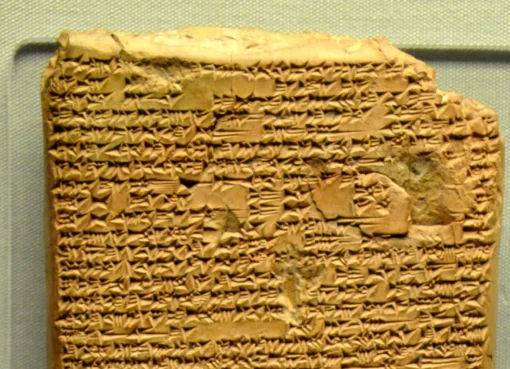
Beyond its immediate function as royal propaganda, the poem gained a profound second life within the Sumerian education system, the edubba or "House of Tablets." It became an integral part of the "Decad," a collection of ten essential compositions that students were required to master before graduating as scribes. This pedagogical role ensured its widespread copying, memorization, and recitation for over a century after Lipit-Estar’s reign, cementing its place in the cultural memory of ancient Mesopotamia and offering modern scholars an unparalleled window into the period’s literary and social values.
Chronology: Placing Lipit-Estar in the Stream of History
The reign of Lipit-Estar falls within the early second millennium BCE, a period often characterized by the rise and fall of powerful city-states in Mesopotamia, following the collapse of the Third Dynasty of Ur (Ur III). The First Dynasty of Isin, to which Lipit-Estar belonged, emerged as a significant power center during the Isin-Larsa period, vying for dominance with rival cities like Larsa.
Lipit-Estar’s estimated reign (c. 1935-1924 BCE) places him squarely between two monumental periods of legal codification. The Code of Ur-Nammu, established either by Ur-Nammu (c. 2112-2094 BCE) or his son Shulgi (c. 2094-2046 BCE) of the Ur III Dynasty, represents the earliest known legal code. Lipit-Estar’s code, while sharing Ur-Nammu’s emphasis on justice and a king’s role as a benevolent shepherd, was composed roughly a century and a half later, reflecting continued societal development and legal thought. Crucially, it predates the Code of Hammurabi by nearly two centuries, showcasing a distinct philosophical approach to jurisprudence. Hammurabi’s laws, while highly influential, were notably stricter, often prescribing corporal punishment or death, whereas Lipit-Estar’s code favored fines and restorative justice, portraying the king as a corrective, guiding father figure rather than an avenging judge.
The poem’s enduring presence in the edubba curriculum underscores its longevity and cultural impact. For over a hundred years after Lipit-Estar’s passing, generations of scribal students meticulously copied and studied this text. This sustained engagement transformed the poem from a contemporary royal encomium into a timeless pedagogical tool, transmitting not only literary skill but also the foundational ideals of Mesopotamian kingship and governance across generations.
Supporting Data: Unveiling the Sumerian Ideal
The richness of A Praise Poem of Lipit-Estar lies in its intricate portrayal of the ideal Sumerian king, constructed through a blend of religious devotion, martial prowess, and benevolent leadership.
The Art of Royal Panegyric: Divine Mandate and Immortalization
Sumerian praise poetry was a sophisticated genre, meticulously crafted by highly educated scribes. These compositions were not private musings but public declarations, designed to be sung at festivals and ceremonies honoring the king and the gods he served. The poems often adopted a first-person voice, as if the king himself were speaking, directly asserting his divine favor and unparalleled virtues. This direct address, devoid of any semblance of modesty, was a deliberate rhetorical strategy. The king, as the earthly steward of the gods, was expected to articulate his inherent worthiness, mirroring the divine order. Such hymns served as powerful instruments of state propaganda, reinforcing the legitimacy of the monarch and the stability of the social hierarchy.
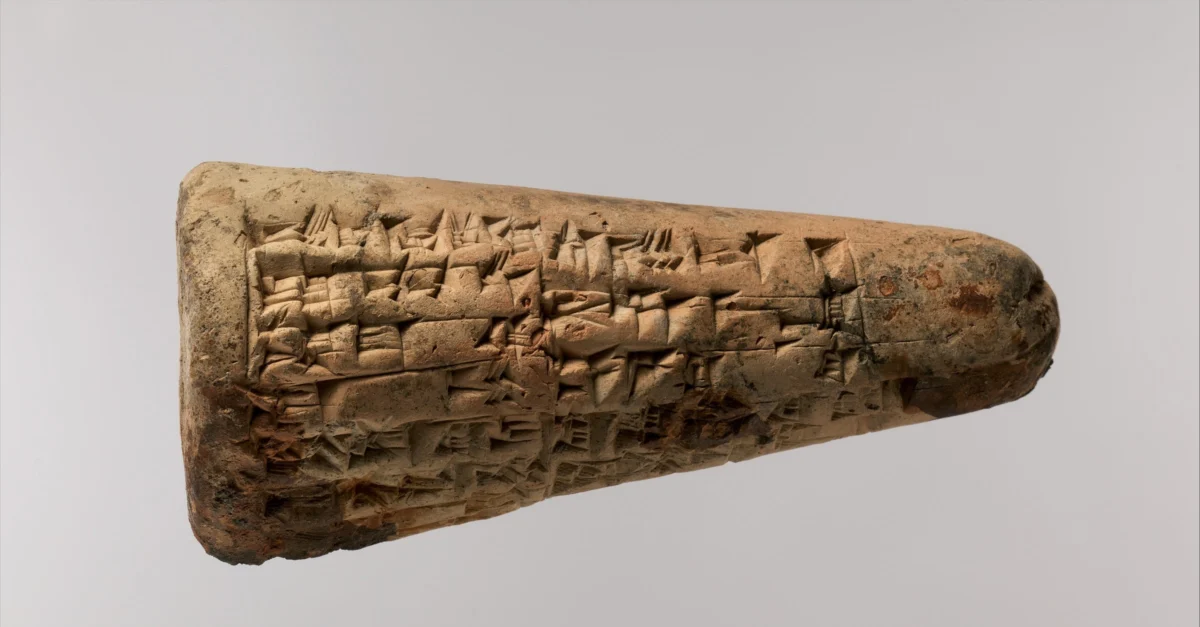
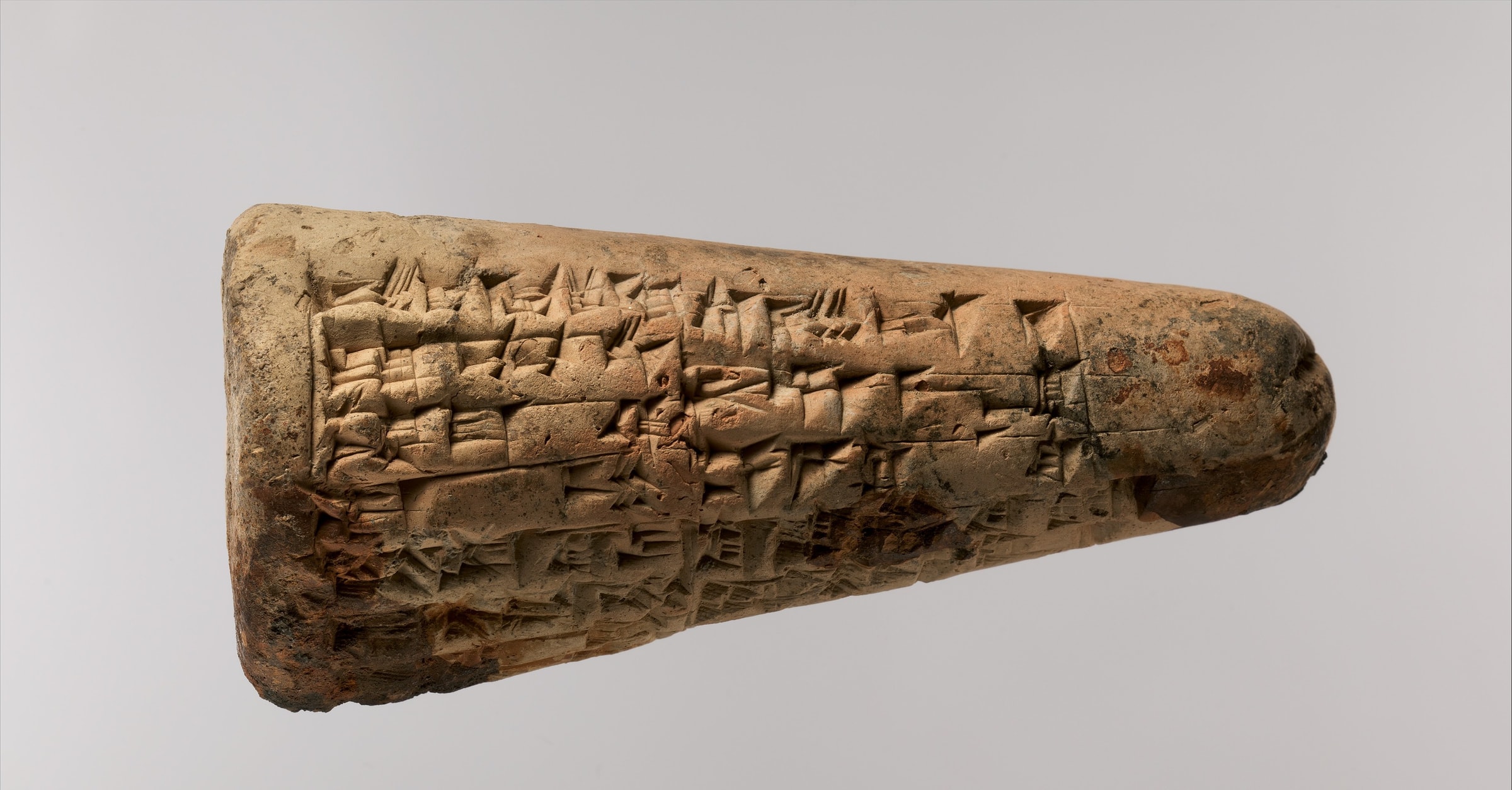
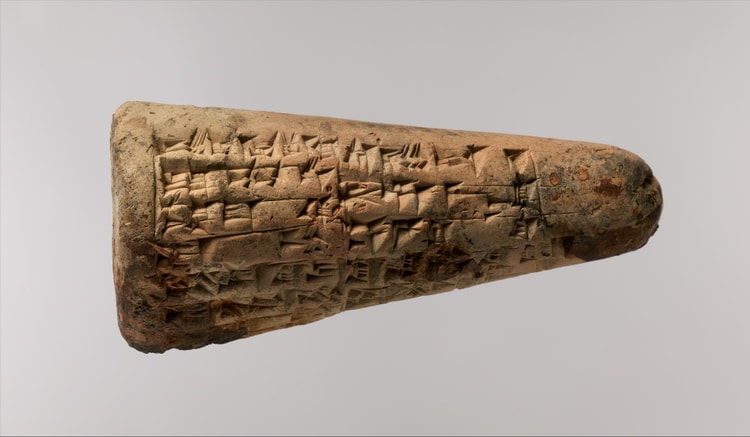
The practice of kingship in Mesopotamia evolved significantly over millennia. From tribal chiefs to leaders of vast kingdoms, the authority of the ruler was consistently understood to derive from divine will. As scholar Stephen Bertman notes, "To justify this greater power, the king would require a divine mandate… a claim that could be affirmed by the high priest of a nationally venerated temple such as the temple of the god Enlil at Nippur." The king’s visible success – military victories, abundant harvests, stable governance – was presented as irrefutable proof of his divine selection. Praise poems, alongside monumental art and royal inscriptions (like the votive cone of Lipit-Estar), were critical in disseminating this message. They employed grand epithets, such as "king of the four quarters," and referenced the king’s "radiant aura" or his status as the god’s "son," blurring the lines between mortal ruler and divine embodiment.
The Code of Lipit-Estar: Justice as a Father’s Guidance
Lipit-Estar’s renown extends beyond poetry to his significant legal contributions. His code, inscribed on clay tablets and possibly stelae, dealt with a wide array of societal issues, including land disputes, public works, taxes, inheritance, and debt enslavement. Unlike the punitive measures of Hammurabi’s later code, which famously applied the "eye for an eye" principle, Lipit-Estar’s laws often prescribed fines, reflecting a more conciliatory and restorative approach to justice. The king presented himself as a "father figure" to his people, guiding them back to the "straight path" through measured corrections rather than harsh retribution. This benevolent image aligns perfectly with the paternalistic tone adopted in his praise poem.
The authority of Lipit-Estar’s laws, like all Mesopotamian legal codes, did not stem from the monarch’s personal decree but from the divine mandate bestowed upon him by the gods. He was merely the chosen vessel, the righteous steward tasked with implementing divine justice on Earth. This theological grounding ensured widespread acceptance and compliance, as defying the king’s law was tantamount to defying the gods themselves.
The Edubba Curriculum: Preserving the King’s Legacy
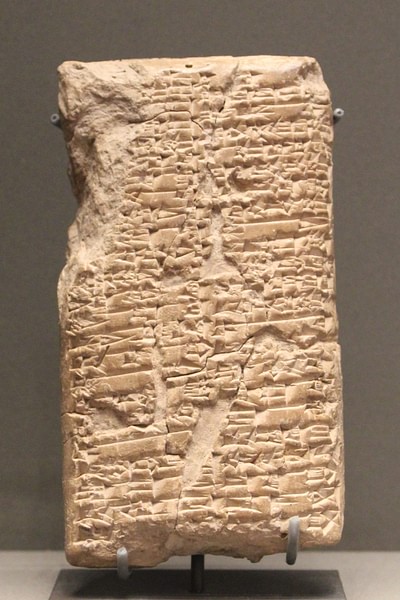
The longevity of A Praise Poem of Lipit-Estar is largely attributable to its integration into the Mesopotamian education system, the edubba. These "Houses of Tablets" were the intellectual powerhouses of Sumer, where scribes were trained in cuneiform writing, mathematics, literature, and law. The curriculum was rigorous, and students were expected to master a vast corpus of texts, including royal hymns, myths, and proverbs.
The poem was part of the "Decad," a core group of ten compositions considered essential for a graduating scribe. Its inclusion speaks volumes about its perceived literary and cultural value. By copying and memorizing this praise poem, students not only honed their scribal skills but also internalized the prevailing ideals of kingship, governance, and divine order. This process ensured the poem’s survival for centuries, long after Lipit-Estar’s dynasty had faded, demonstrating its enduring relevance as a repository of Sumerian values.
Literary Tapestry: An Analysis of the Poem’s Themes
The poem is structured as a series of declarations, building a comprehensive portrait of the ideal king:
-
Divine Origins and Physical Prowess (Lines 1-16): Lipit-Estar immediately establishes his divine lineage, declaring himself "the son of Enlil," the sky god and chief deity. He boasts of his physical strength and imposing presence, comparing himself to a "cedar sapling," a "lion," a "gaping dragon," the formidable Anzud bird, and a "wild bull." This imagery conveys virility, power, and an unchallengeable authority. He also emphasizes his "kind eyes and friendly mouth," presenting a balance of strength and benevolence, and his "impressive figure, lavishly endowed with beauty."
-
Celestial Connections and Divine Favors (Lines 17-42): The king then details his intimate relationships with a host of major Sumerian deities, highlighting their personal endorsement. He is "An’s purification priest," given the crown by An (Anu); he receives the scepter from Enlil; Ninlil determines his "good fate"; Nintud (Ninhursag) makes him "excellently beautiful"; Nanna, the moon god, speaks to him "affirmatively in Ur." He is imbued with "great awesomeness" by Ninurta (Udta-ulu), bestowed wisdom by Enki, and claims to be the "beloved husband of Inanna," the powerful goddess of war, sex, and love, in Uruk. Finally, he is "a proficient scribe of Nisaba" (goddess of writing) and his word is confirmed by Utu-Shamash (god of the sun and justice). These connections are crucial for solidifying his divine mandate and universal authority.
-
The King as Provider and Steward (Lines 43-61): Shifting from divine connections to earthly responsibilities, Lipit-Estar portrays himself as the ultimate provider. He is a "farmer, piling up his grain piles," a "shepherd making fat and milk abundant," and one who "makes the fish and birds grow bigger." He is a "river of plenty, bringing flowing water," symbolizing life and regeneration. This section emphasizes his role as a diligent servant of both the gods and his people, ensuring prosperity and abundance. He is also the "provider of the gods," caring "unceasingly for the E-kur" (temple), offering gifts, and engaging in humble prayer to appease Enlil and make Ninlil happy, reinforcing his piety.
-
Successful Governance and Protection (Lines 62-97): The poem continues to laud Lipit-Estar’s effective rule. He brings "first fruits" to the temple, makes holy cities like Nippur and Kesh abundant, and acts as a purification priest. He is a "caring father" to his people but a fierce "enemy of any who would harm them." His military prowess is highlighted as he is "like pounding waves in battle," a "clear-eyed warrior" who makes his troops firm. Crucially, he is a just ruler, "a judge who… weighs his words fairly," establishing "justice in Sumer and Akkad" and keeping his people "on a straight path," a clear allusion to his famous law code. This section cements his image as a protector, a warrior, and a wise, just leader.
-
Royal Sexuality and Enduring Praise (Lines 98-108): The poem concludes with a powerful assertion of his intimate relationship with Inanna, his "spouse," who makes "firm the foundation of my throne." The description of spending "all day for the Mistress in the good… bedchamber" highlights the sacred marriage rite, a ritual believed to ensure fertility and prosperity for the land. He reiterates his identity as "Lipit-Estar, Enlil’s son," and proudly declares, "It is sweet to praise me." This final line encapsulates the poem’s purpose: to elicit and celebrate the recognition of his divine gifts and benevolent rule, elevating both the king and those who offer praise.
Official Responses: Shaping Perception in Ancient Isin
In ancient Mesopotamia, works like A Praise Poem of Lipit-Estar served as powerful "official responses" to the ongoing challenge of governance and legitimation. These poems were not merely artistic expressions but foundational texts that articulated the core ideology of kingship. By portraying Lipit-Estar as a divinely chosen, physically formidable, intellectually sagacious, and morally upright ruler, the poem aimed to:
- Legitimize Authority: It provided a theological and moral justification for his rule, cementing public acceptance of his decrees and actions, including his legal code.
- Foster Loyalty and Unity: By depicting the king as a benevolent provider and fierce protector, the poem encouraged allegiance from his subjects across Sumer and Akkad.
- Establish a Model of Leadership: For trainee scribes and potentially other rulers, the poem laid out a comprehensive blueprint for ideal kingship, emphasizing piety, justice, and effective governance.
- Preserve Memory: It ensured that Lipit-Estar’s name, deeds, and the ideals he represented would endure, shaping historical memory and cultural identity.
Modern scholarship, in turn, offers its own "official response" to these ancient texts. Researchers like Jeremy Black et al. meticulously translate and analyze these works, not just for their literary merit but for the invaluable insights they provide into ancient Mesopotamian religion, political theory, social structures, and educational practices. The continued anthologizing of A Praise Poem of Lipit-Estar attests to its recognized historical and cultural significance.
Enduring Implications: Echoes of an Ancient Ruler
The legacy of A Praise Poem of Lipit-Estar extends far beyond its immediate function in the First Dynasty of Isin. Its enduring presence in the edubba highlights the sophisticated nature of Mesopotamian education and the deliberate effort to transmit cultural values and historical memory through literature. The poem’s detailed portrayal of the ideal king offers modern historians a unique lens through which to understand the expectations placed upon ancient rulers and the mechanisms by which their power was maintained and celebrated.
Moreover, the poem serves as a testament to the power of language and literature as tools for propaganda and cultural continuity. In a world without mass media, these meticulously crafted verses, recited and copied for generations, played a crucial role in shaping collective identity and reinforcing the social order. Its thematic parallels with other praise poems, such as A Praise Poem of Shulgi or the Kesh Temple Hymn, underscore the consistent motifs and ideals that permeated Sumerian thought regarding leadership and divine favor.
Ultimately, A Praise Poem of Lipit-Estar remains a vital link to a long-vanished civilization. It reminds us that while the specific details of Lipit-Estar’s reign may be lost to time, his name, his laws, and the ideals of a king who was a "shepherd to his people and loved by the gods" continue to resonate, offering profound insights into the foundational principles of governance and the human quest for immortality through art and verse.