The Autonomous Lawn Care Revolution: A Comprehensive Guide to Selecting the Ideal Robot Mower
The landscape of domestic maintenance is undergoing a radical transformation. As smart home technology migrates from the interior living room to the exterior garden, robot lawn mowers have transitioned from niche luxury items to essential tools for the modern homeowner. However, as the market matures, the sheer variety of technologies—ranging from satellite-guided navigation to all-wheel-drive systems—has created a complex decision-making matrix for consumers.
This guide provides an in-depth analysis of the current state of the industry, enriched by expert insights from KK Yin, Marketing Director at Mammotion, to help consumers navigate the technical specifications and environmental requirements of autonomous lawn care.
Main Facts: The State of the Robot Mower Market
Robot lawn mowers are no longer "set and forget" novelties; they are sophisticated pieces of outdoor robotics designed to handle diverse topographies and botanical challenges. The primary shift in the industry has been the move away from physical "boundary wires"—which required digging trenches around the perimeter of a yard—toward wireless navigation systems like RTK (Real-Time Kinematic) and LiDAR.
According to industry experts, the "one size fits all" approach to lawn care is effectively dead. Today’s market is segmented by power systems (AWD vs. RWD), navigation methods (Satellite vs. Laser), and software capabilities (Multi-zone management). Selecting the wrong model can lead to "turf churn," lost signals under tree canopies, or inefficient mowing cycles that fail to keep up with seasonal growth.
Chronology: The Evolution of Autonomous Mowing
To understand where the technology is going, one must look at how far it has come.
- The Perimeter Wire Era (1990s–2010s): Early models relied on a low-voltage wire buried around the lawn. The mower used electromagnetic sensors to stay within bounds and moved in a "random bounce" pattern. While effective, setup was labor-intensive and the mowing pattern was inefficient.
- The GPS Integration Era (2010s–2020): Manufacturers began adding basic GPS to help mowers understand which parts of the yard had been covered. However, standard GPS is only accurate to within several meters, which is insufficient for precision edging.
- The Precision Revolution (2021–Present): The introduction of RTK-GNSS (Global Navigation Satellite System) brought centimeter-level accuracy. Simultaneously, LiDAR (Light Detection and Ranging) and AI-driven vision systems were adapted from the self-driving car and robot vacuum industries to allow mowers to navigate without any wires or satellite signals at all.
Supporting Data: The Technical Pillars of Selection
When evaluating a robot mower, five critical technical pillars determine the machine’s success in a specific environment.
1. Traction and Torque: The AWD vs. RWD Debate
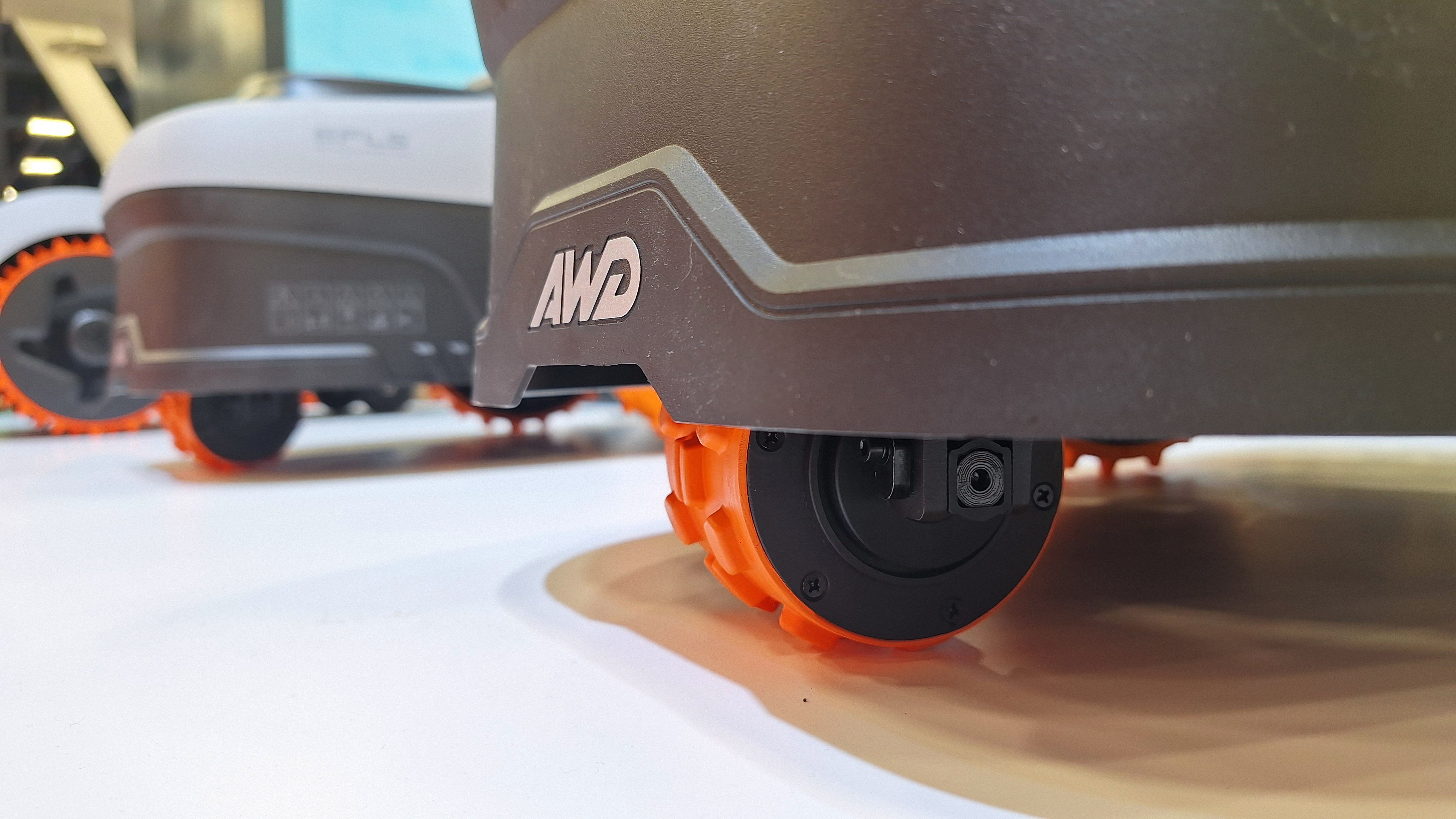
The power system is the first point of failure for many homeowners. "Everyone has a different environment for their lawn," notes KK Yin of Mammotion. "The first thing a customer should do is choose which kind of power system they need."
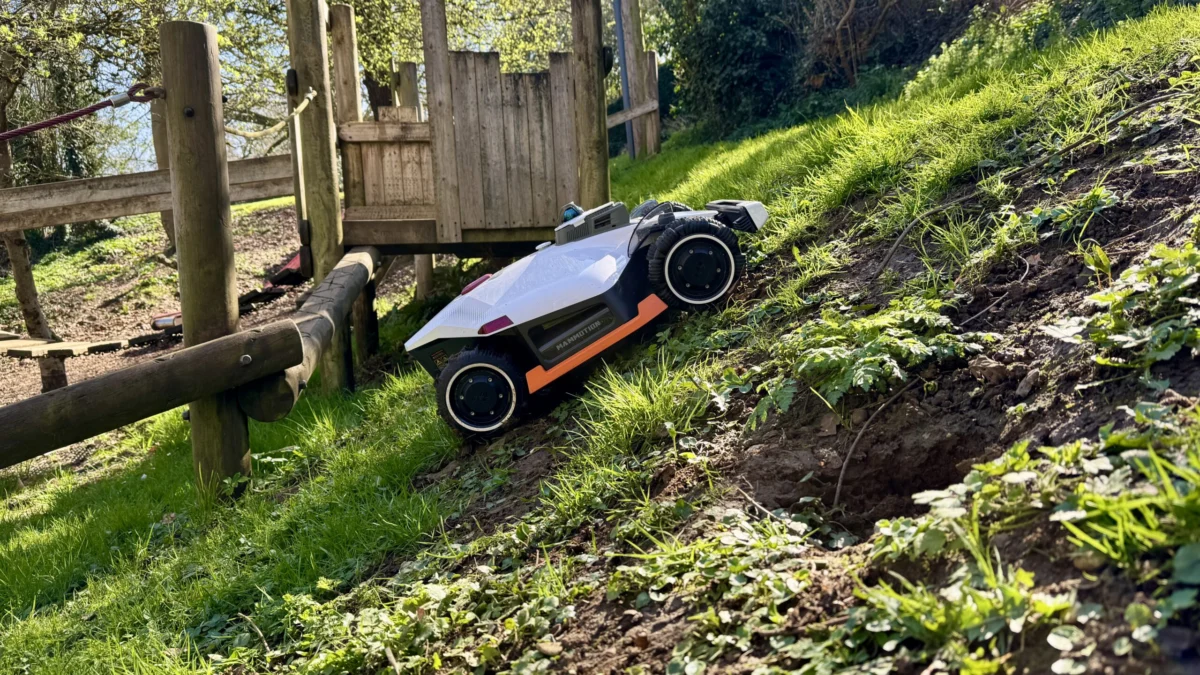
- Rear-Wheel Drive (RWD): Suitable for flat, manicured lawns with inclines of less than 20 degrees.
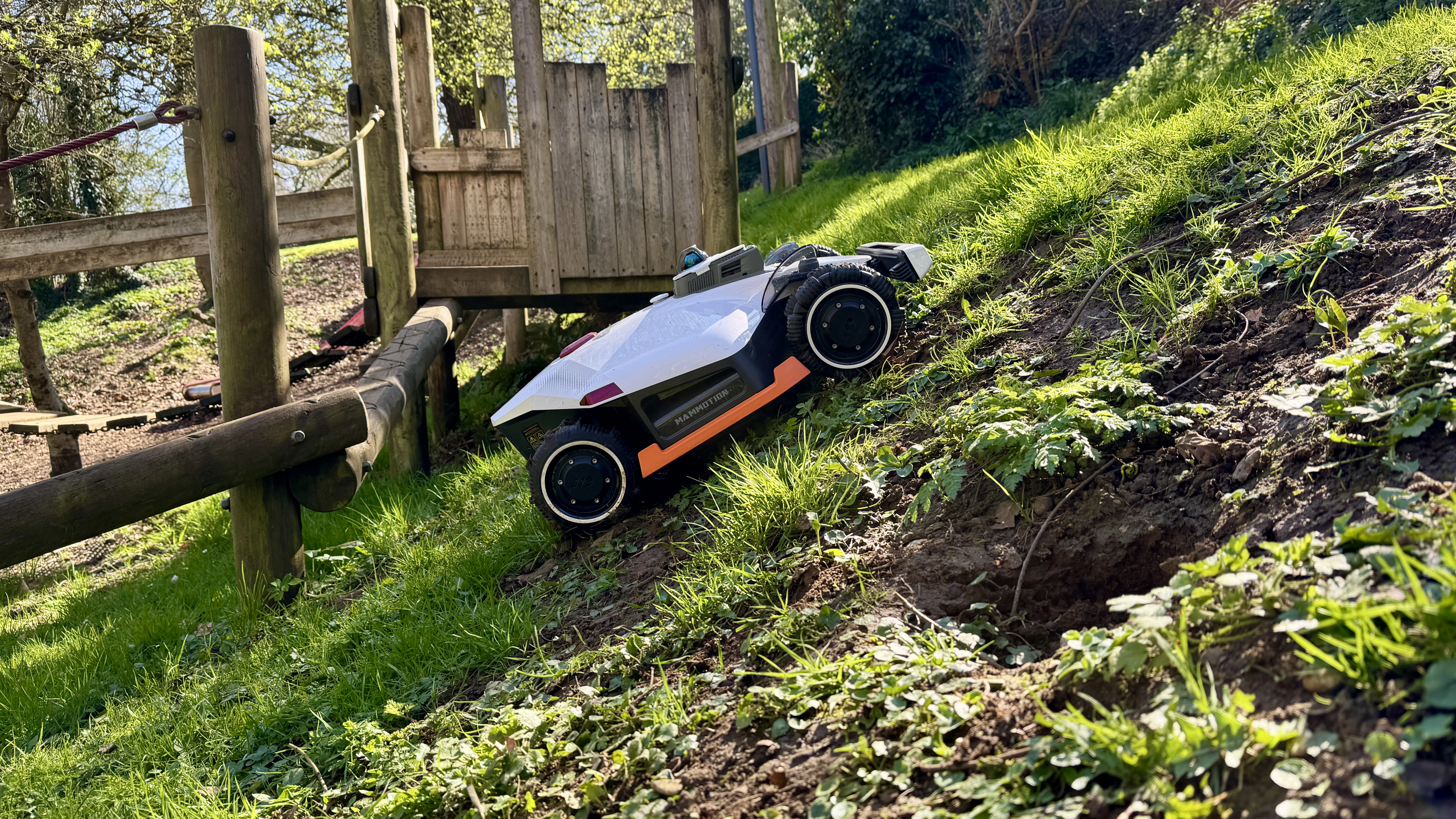
- All-Wheel Drive (AWD): Essential for "active" landscapes. Models like the Mammotion LUBA 2 or the Segway Navimow i-Series utilize AWD to maintain grip on slopes of up to 38 degrees (80% grade). AWD prevents the wheels from spinning and "scalping" the grass in damp conditions.
2. Navigation Paradigms: RTK vs. LiDAR
The method by which a mower "sees" its world is the most significant technological divide in the current market.
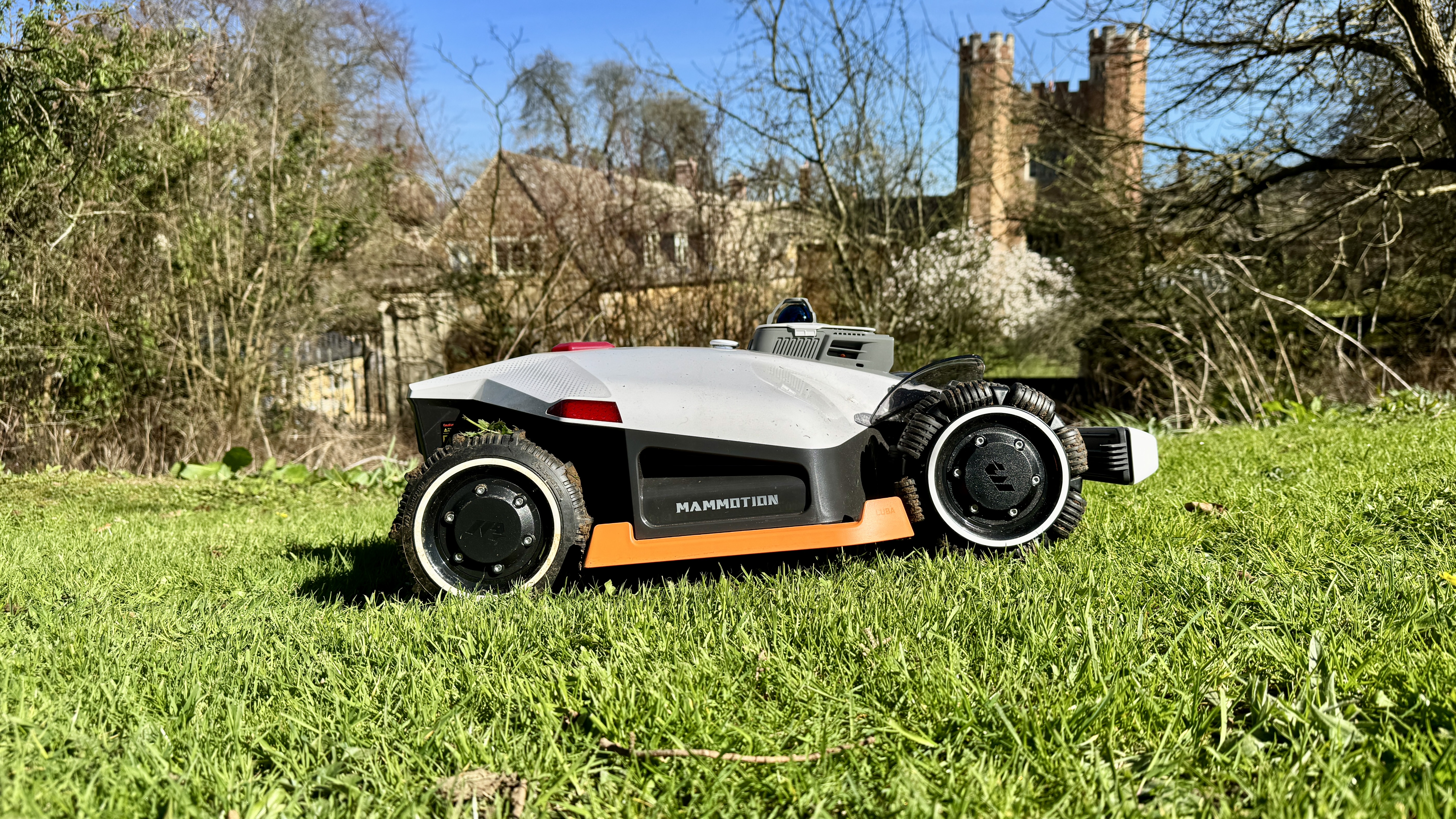
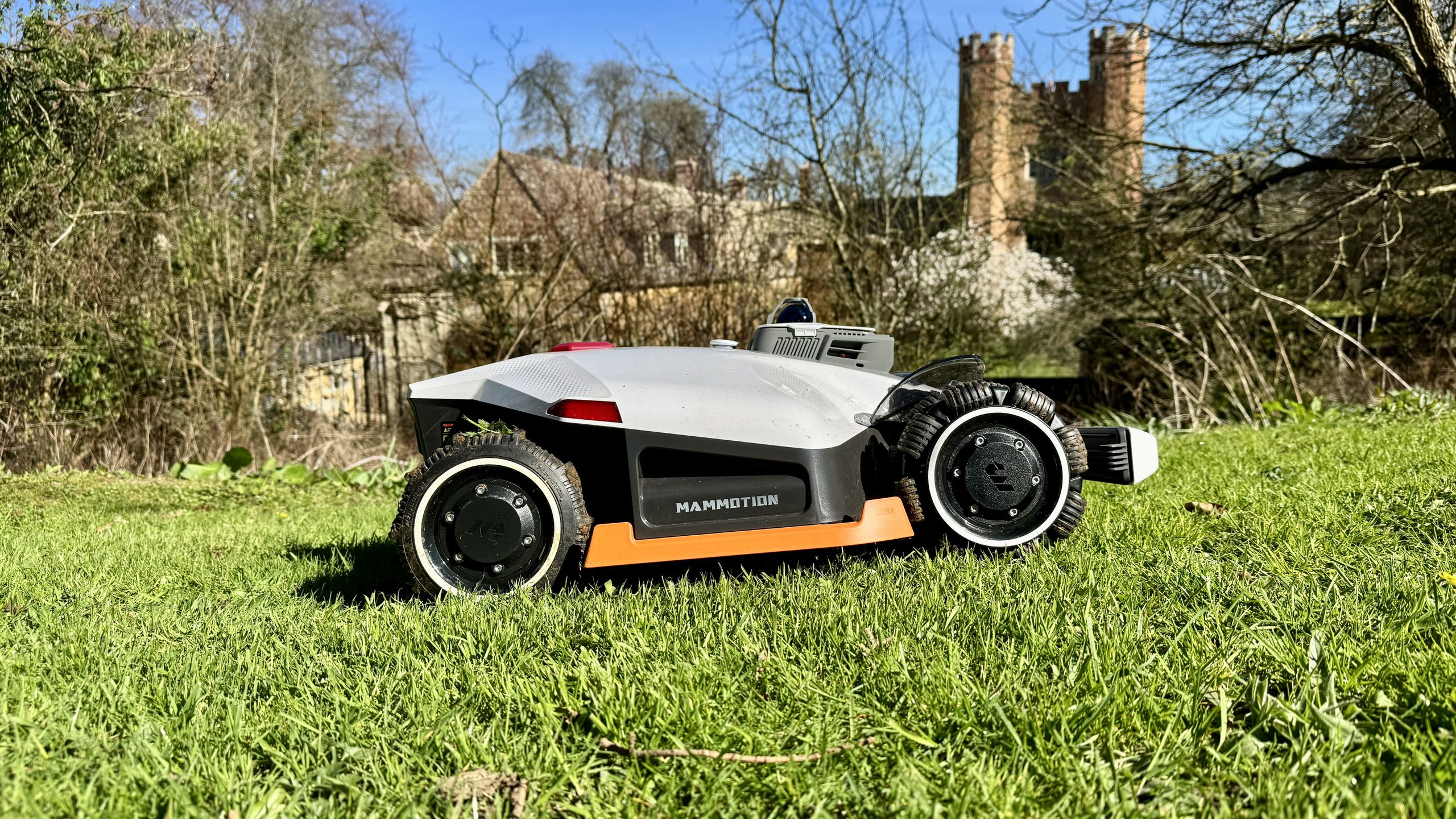
- RTK (Real-Time Kinematic): This system uses a fixed base station to correct satellite data, providing 2-3cm accuracy. It is ideal for large, open estates. However, it requires a "clear view of the sky." Tall buildings or dense oak canopies can cause "occlusion," leading to the mower stopping in its tracks.
- LiDAR: Borrowed from robot vacuums, LiDAR bounces laser pulses off surroundings to create a 3D map. "If you have shaded areas, or the house is tall, I suggest you don’t choose an RTK system. You should maybe choose a LiDAR model," Yin advises. LiDAR is superior for small, cluttered yards but can struggle in wide-open spaces where there are no objects to "bounce" light off.
3. Capacity and Efficiency
Mowers are typically sold in tiers based on acreage (e.g., 0.25 acres vs. 1.0 acre). This is not just a marketing gimmick; it refers to the battery density and the software’s ability to resume a path after recharging. A mower designed for a small yard may take three days to finish a large yard, by which time the first section is already overgrown.
4. Multi-Zone Management
Modern yards are rarely a single rectangle. They are often split by driveways, fences, or flower beds. Advanced models now offer "Multi-zone management," allowing users to create "virtual channels." The mower can be programmed to mow the front yard on Monday morning, traverse a narrow sidewalk, and mow the backyard on Tuesday afternoon.
Official Responses: Expert Insights from the Front Lines
The industry’s leading voices emphasize that user experience is now the primary differentiator. KK Yin highlights that while hardware specs are important, the software’s ability to handle complexity is where the value lies.
Regarding the setup process, Yin points out a significant shift toward "NetRTK." Traditionally, RTK mowers required the user to mount a physical antenna on their roof—a daunting task for many. "We’re seeing lawnbots that use a big, centralized RTK receiver that covers a large area," Yin explains. This "Network RTK" allows the mower to pull correction data from cellular towers, eliminating the need for a home-installed antenna and significantly lowering the barrier to entry for non-technical users.
Furthermore, brands like Segway and Mammotion are increasingly incorporating AI cameras. These aren’t just for navigation; they serve as "obstacle avoidance" systems. Official testing shows that AI-vision mowers can identify and avoid "soft obstacles" like hedgehogs, stray garden hoses, or children’s toys, which would have been shredded by previous generations of mowers.
Implications: The Future of the Suburban Ecosystem
The mass adoption of advanced robot mowers carries several significant implications for the future of urban and suburban living.
Environmental Impact
The shift from gas-powered push mowers to electric autonomous units represents a massive reduction in local emissions and noise pollution. Gas mowers are notoriously inefficient and lack the catalytic converters found in cars. In contrast, robot mowers operate silently and can be charged via home solar arrays, making "green" lawn care a reality rather than a slogan.
The "Little and Often" Biological Advantage
Horticulturalists note that robot mowers are actually better for the health of the grass. Because they mow "little and often," they produce tiny clippings that act as a natural fertilizer (mulching). This prevents the "shock" that grass experiences when 3-4 inches are hacked off at once during a bi-weekly manual mow.
The Labor Economy
As autonomous systems become more reliable, the professional landscaping industry is shifting its focus. Instead of "mow and blow" services, professionals are pivoting toward "system installation and maintenance," where they manage fleets of robots for clients, focusing on higher-value tasks like pruning, fertilization, and landscape design.
Conclusion: The Five-Question Checklist
For the consumer ready to make the leap into autonomous lawn care, the path forward is defined by five diagnostic questions:
- Does my lawn have slopes steeper than 20 degrees? If yes, prioritize AWD.
- Is my yard "sky-open" or "canopy-dense"? Open yards favor RTK; dense yards favor LiDAR or Vision-based systems.
- What is my total square footage? Ensure the battery capacity matches the workload to avoid "perpetual mowing" cycles.
- Is my lawn one continuous piece? If not, look for robust multi-zone software and virtual mapping.
- Am I comfortable with hardware installation? If you don’t want to mount an antenna, seek out NetRTK or Vision-only models.
As KK Yin suggests, features like AI cameras and instant mapping are "nice-to-haves," but the foundation of a successful robot mower experience lies in matching the power system and navigation tech to the specific "fingerprint" of your yard. By focusing on these technical realities, homeowners can ensure that their transition to the future of lawn care is seamless, efficient, and, most importantly, hands-free.