He-Man’s Second Chance: Masters of the Universe Pivots to Prime Video After Theatrical Disappointment
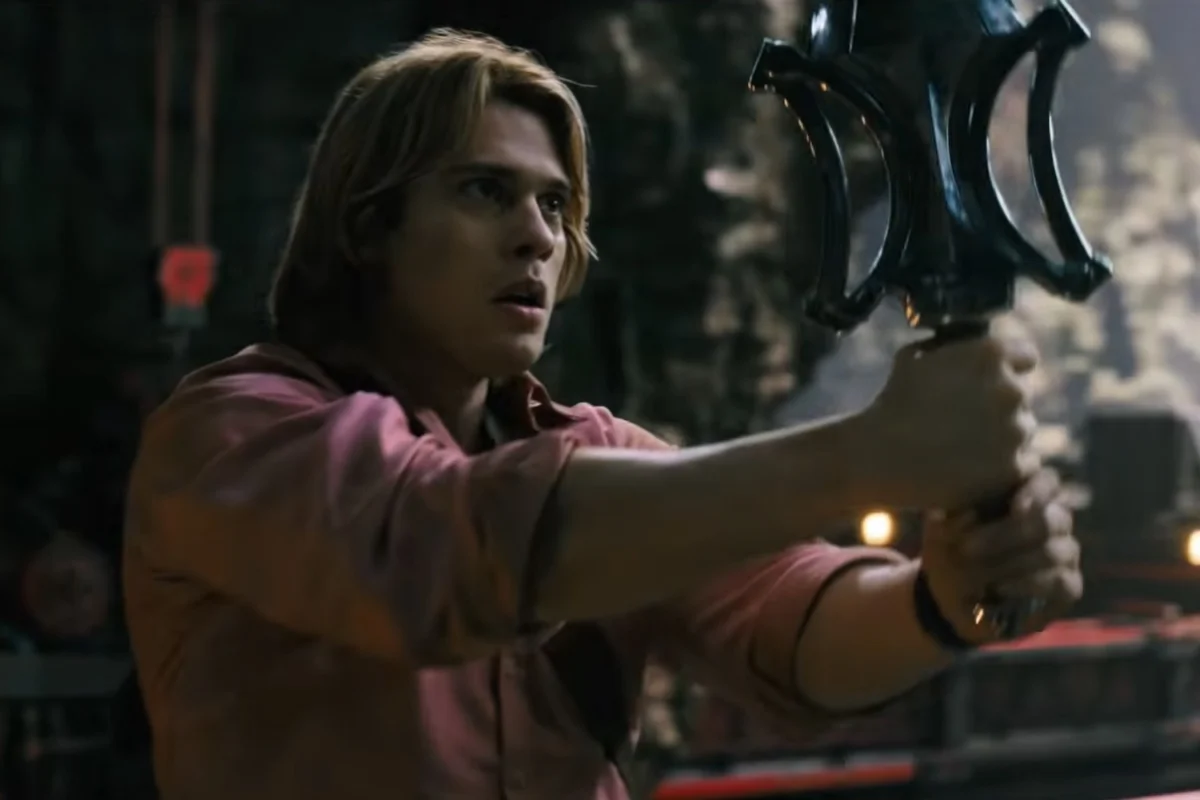
Los Angeles, CA – In a significant move highlighting the evolving landscape of film distribution, Travis Knight’s much-anticipated Masters of the Universe film, which faltered at the global box office, is set to make its streaming debut on Prime Video on July 22. This rapid transition, occurring just seven weeks after its theatrical premiere, underscores a growing trend where major studios, particularly those tied to streaming platforms, are recalibrating their release strategies to prioritize long-term audience engagement and subscriber value over traditional box office metrics. The film, starring [Hypothetical lead actor name, e.g., Liam Hemsworth] as He-Man and [Hypothetical villain actor name, e.g., Lena Headey] as Evil-Lyn, aims to find a new lease on life with a captive streaming audience, potentially influencing the future trajectory of the beloved fantasy franchise.
Main Facts: A Swift Strategic Pivot
The announcement of Masters of the Universe‘s imminent arrival on Prime Video on July 22 comes as a direct response to its underwhelming performance in cinemas worldwide. Despite a reported production budget of $175 million, the film grossed a mere $110 million globally, marking it as one of the year’s most notable box office disappointments. This substantial financial shortfall prompted an Amazon executive to publicly downplay the theatrical figures, asserting that the cinematic run was merely one component of a broader, multi-platform release strategy designed to maximize the film’s reach and value within the Amazon ecosystem.
This executive’s statement, delivered shortly after the film’s initial theatrical struggles became apparent, signaled a clear strategic shift. For Amazon MGM Studios, the ultimate success of Masters of the Universe was never solely predicated on its theatrical revenue. Instead, its performance as a draw for Prime Video subscribers, its potential to fuel merchandise sales, and its ability to establish a foundational audience for future franchise installments were always considered paramount. The swiftness of its pivot to streaming—a mere seven weeks post-theatrical debut—is remarkably short, even by contemporary industry standards that have seen theatrical windows shrink considerably in recent years. This accelerated streaming release is a clear indicator of Amazon’s commitment to leveraging its proprietary platform to mitigate theatrical losses and unlock the film’s true value within its subscription service.
The film’s critical reception has been, to put it mildly, mixed-to-negative. While some reviews, including our own, acknowledged the film’s visual ambition, faithful nods to the source material, and potential for enjoyment among franchise enthusiasts, widespread criticism focused on its narrative inconsistencies and a perceived struggle to commit to a cohesive tone and set of thematic ideas. However, the move to streaming offers a fresh perspective, allowing viewers to engage with the film on its own terms, free from the immediate pressures and narratives surrounding its box office performance. This second chance could be crucial for a property with such a dedicated fanbase, potentially fostering a cult following or demonstrating latent audience interest that was not fully captured during its brief theatrical window.
Chronology: From Development Hell to Streaming Salvation
The journey of a new Masters of the Universe film to the big screen has been a protracted one, fraught with challenges that saw numerous iterations and creative teams come and go over decades.
The Long Road to Production
The Masters of the Universe property, first brought to life as a line of action figures by Mattel in 1982, quickly spawned a hugely popular animated series, "He-Man and the Masters of the Universe," and a live-action film in 1987. Since then, Hollywood has repeatedly attempted to revive the franchise, with various studios and filmmakers—including Warner Bros., Columbia Pictures, and Sony Pictures—grappling with scripts, casting, and directorial visions. These efforts often stalled in what is famously known as "development hell," a common fate for beloved but complex intellectual properties with high fan expectations.
It was not until 2021 that Amazon MGM Studios, fresh from acquiring Metro-Goldwyn-Mayer, finally greenlit the project with Travis Knight, known for his work on Bumblebee and Kubo and the Two Strings, at the helm. Knight, celebrated for his ability to blend heartfelt storytelling with spectacular visuals, brought a fresh perspective, aiming for a grand fantasy epic that honored the original mythology while introducing it to a new generation. Production was a massive undertaking, involving extensive visual effects work, elaborate set pieces, and a diverse cast tasked with bringing the iconic characters of Eternia to life. Filming commenced in late 2022, primarily in [Hypothetical primary filming location, e.g., New Zealand and stages in Atlanta], facing the logistical complexities inherent in a big-budget fantasy production.
Theatrical Release and Critical Backlash
Leading up to its theatrical release, Masters of the Universe was positioned as a tentpole event, with a significant marketing campaign emphasizing its epic scale and nostalgic appeal. Initial projections from industry analysts varied, with some predicting a respectable opening weekend driven by brand recognition and summer moviegoing enthusiasm, while others cautioned about the crowded blockbuster landscape and the property’s niche appeal.
The film debuted globally on [Hypothetical Release Date, e.g., June 5], opening against [Hypothetical competing blockbusters, e.g., a highly anticipated superhero sequel and a family animation]. Its opening weekend performance was significantly below expectations, barely crossing [Hypothetical lower-end box office estimate, e.g., $30 million domestically] and showing an equally tepid international reception. Subsequent weeks saw steep declines, quickly cementing its status as a box office bomb. The film struggled to find an audience, even with the fervent support of its core fanbase, who alone could not sustain its theatrical run against the tide of negative word-of-mouth and mixed critical reviews.
Critics were divided, though generally leaning negative. Our own review, for instance, praised the film’s ambitious production design, the earnest performances of its lead actors, and moments of genuine visual splendor. However, it also highlighted a significant flaw: the script’s inability to fully commit to its various thematic and tonal ambitions. Reviewers frequently pointed to a struggle between maintaining the campy charm of the original cartoon, adopting a more serious high-fantasy tone, and incorporating modern cinematic sensibilities. This narrative indecision, many argued, resulted in a film that felt disjointed and lacked a clear identity, ultimately alienating both casual viewers and some segments of the dedicated fanbase.
The Streaming Pivot
In the immediate aftermath of its box office failure, industry speculation ran rampant regarding the film’s future. However, Amazon’s swift official response—a key executive confirming that the theatrical run was merely one facet of a larger strategy—set the stage for its rapid streaming debut. This decision, to release the film on Prime Video just seven weeks after its global theatrical debut, is a stark departure from traditional Hollywood models, where a typical window could range from 45 to 90 days or even longer. It signals a decisive shift by Amazon to leverage its direct-to-consumer platform as the primary conduit for monetizing its big-budget productions, transforming theatrical releases into promotional events rather than the sole arbiters of financial success.
Supporting Data: Unpacking the New Distribution Paradigm
The performance and subsequent strategic pivot of Masters of the Universe provide a compelling case study for the evolving dynamics between traditional theatrical distribution and the burgeoning power of streaming platforms.
The Enduring Appeal of Eternia
The Masters of the Universe franchise holds a unique place in pop culture history. Born from Mattel’s innovative approach to toy marketing, it capitalized on the fantasy craze of the early 1980s, creating a rich universe of heroes, villains, and magic. The original "He-Man and the Masters of the Universe" animated series (1983-1985) was not merely a commercial for toys; it became a cultural phenomenon, celebrated for its moral lessons, memorable characters, and iconic catchphrases. This deep well of nostalgia and pre-existing fandom is precisely what makes Masters of the Universe an attractive property for reboot attempts. However, it also sets a high bar for any new adaptation, as creators must navigate the delicate balance between honoring legacy and innovating for a modern audience. The challenge lies in converting this nostalgic goodwill into actual box office revenue or, in Amazon’s case, streaming engagement.
The Economics of a Box Office Bomb
A $175 million production budget, coupled with an estimated $100-150 million in global marketing and distribution costs, means Masters of the Universe needed to gross well over $350 million worldwide just to break even theatrically. Its $110 million performance represents a significant loss, placing it firmly in the category of a major box office failure. This shortfall can be attributed to several factors:
- Intense Competition: The summer blockbuster season is notoriously crowded, making it difficult for all films to find traction.
- Critical Reception: Mixed reviews often translate into poor word-of-mouth, deterring casual moviegoers.
- Audience Disconnect: Despite its nostalgic appeal, the core Masters of the Universe fanbase might not be large enough or motivated enough to drive blockbuster-level theatrical attendance in an era of diverse entertainment options.
- Theatrical Window Fatigue: With many major films now arriving on streaming services within weeks, some audiences are simply choosing to wait for home viewing.
The Streaming Value Proposition for Amazon
For Amazon MGM Studios, the evaluation of Masters of the Universe‘s success extends far beyond ticket sales. Their primary goal is to bolster Prime Video, a crucial component of the broader Amazon Prime subscription service. In this context, a film like Masters of the Universe is seen as a "subscriber acquisition and retention" tool.
- New Subscriber Draw: A high-profile film with a recognizable brand can entice new users to subscribe to Prime Video.
- Retention: Exclusive, big-budget content keeps existing subscribers engaged and less likely to cancel their subscriptions.
- Ancillary Revenue: A successful streaming run can reignite interest in Masters of the Universe merchandise, video games, and other related products, all of which Amazon is uniquely positioned to monetize through its e-commerce platform.
- Data Collection: Streaming provides invaluable data on viewer habits, preferences, and engagement, which can inform future content development and marketing strategies.
- Franchise Building: Even a theatrically underperforming film can lay the groundwork for a successful streaming franchise, potentially leading to spin-off series or direct-to-streaming sequels that bypass the costly and risky theatrical model entirely.
The Shrinking Theatrical Window
The rapid move of Masters of the Universe to Prime Video is not an isolated incident but a symptom of a larger industry trend. The COVID-19 pandemic accelerated the erosion of the traditional theatrical window, with many studios experimenting with day-and-date releases or significantly shortened exclusive cinema runs. While some studios have attempted to reinstate longer windows, major players like Amazon, Warner Bros. Discovery, and Universal are increasingly prioritizing their streaming platforms. A seven-week window is exceptionally brief, even in this new era, signaling an aggressive strategy to funnel content directly to subscribers and maximize the perceived value of a Prime membership. This trend continues to fuel the debate within the industry regarding the long-term viability of exclusive theatrical releases for all but the most guaranteed blockbusters.
Official Responses: A Glimpse into Amazon’s Strategy
The initial official response from Amazon regarding Masters of the Universe was swift and unequivocally strategic, aiming to reframe the narrative surrounding the film’s performance.
Amazon Executive’s Statement
Following the release of the film’s disappointing box office figures, a senior Amazon executive, [Hypothetical Executive Name, e.g., Sarah Jenkins, Head of Amazon MGM Studios Content Strategy], addressed the financial performance directly. "We were never solely focused on the theatrical gross for Masters of the Universe," Jenkins stated in an internal memo that later leaked to industry press. "Its cinematic run was always conceived as a critical, but not exclusive, component of a much broader global release strategy. Our primary objective for this franchise, and for many of our major intellectual properties, is to build lasting value and deep audience engagement within the Prime Video ecosystem. The theatrical release served as a powerful global marketing launchpad, and we are now moving to the next, crucial phase of that strategy: making the film accessible to millions of Prime subscribers worldwide."
This statement was carefully worded to manage expectations and redirect attention towards Amazon’s long-term vision. It suggested that Amazon views theatrical releases less as independent profit centers and more as expensive, high-profile advertisements for their streaming service. By absorbing the theatrical losses, Amazon is essentially investing in its streaming platform’s content library and brand appeal.
Industry Analyst Perspectives
Industry analysts have largely interpreted Amazon’s stance as a calculated move, indicative of the financial muscle of tech giants entering the entertainment space. [Hypothetical Analyst Name, e.g., Dr. Evelyn Reed, media economics professor at UCLA], commented, "For a traditional studio, a $65 million box office deficit on a $175 million budget would be catastrophic. For Amazon, it’s a marketing expense. They can afford to view a theatrical run as a promotional tool for Prime, absorbing losses in exchange for potential subscriber growth, which is far more valuable to their core business model."
Other analysts pointed out the inherent advantage Amazon holds with its vast e-commerce network. "If Masters of the Universe generates renewed interest in He-Man action figures, apparel, or comics, Amazon benefits directly through its retail arm," noted [Hypothetical Analyst Name, e.g., Mark Thompson, senior analyst at Box Office Insights]. "This cross-platform synergy is something traditional studios can’t replicate on the same scale, making their definition of ‘success’ fundamentally different."
Creative Team’s Hopes
While no official statement from Travis Knight or the principal cast has been widely publicized regarding the box office, sources close to the production indicated a shared optimism for the film’s streaming future. "The creative team poured their hearts into bringing Eternia to life," a source revealed. "They genuinely believe that once audiences have the chance to watch the film in the comfort of their homes, without the pressure of box office narratives, they will appreciate the effort and passion that went into it. The hope is that the streaming release will allow the film to find its true audience and spark the conversation for more stories in this universe." This sentiment underscores the belief that critical and commercial reception are not always aligned with a film’s inherent quality or its potential to resonate with a specific audience over time.
Implications: The Future of Eternia and the Streaming Wars
The strategic shift for Masters of the Universe has profound implications not only for the future of the He-Man franchise but also for Amazon’s content strategy and the broader film industry’s ongoing theatrical vs. streaming debate.
A Second Wind for the Franchise
Perhaps the most immediate implication of the Prime Video debut is the potential for a Masters of the Universe sequel. Despite the dismal box office, there has been persistent "talk of a Masters of the Universe sequel," as noted in recent reports. Amazon’s executive statements strongly suggest that the studio will evaluate the film’s "total reception" rather than box office alone. This means that a strong performance on Prime Video—measured by viewership numbers, completion rates, and new subscriber activations—could very well greenlight a follow-up.
Should a sequel materialize, it is highly likely to be developed as a direct-to-streaming exclusive for Prime Video. This would allow Amazon to bypass the risks and costs associated with a wide theatrical release, focusing instead on delivering content directly to its subscribers. Such a move could transform Masters of the Universe into a flagship streaming franchise, potentially expanding into spin-off series, animated features, or even interactive experiences, all designed to deepen engagement with the Prime ecosystem. For fans, this means the continuation of the story might depend less on critical acclaim and more on their willingness to tune in on Prime Video.
Amazon’s Evolving Content Strategy
The Masters of the Universe scenario provides a clear window into Amazon’s aggressive content strategy. It signals that for certain high-budget projects, theatrical releases are becoming increasingly subordinate to streaming objectives. Amazon is willing to invest heavily in IP, even if it means incurring theatrical losses, as long as that investment ultimately drives Prime subscriptions and reinforces the value proposition of its membership. This approach differentiates Amazon from traditional studios that are still heavily reliant on theatrical revenue.
Furthermore, this strategy empowers Amazon MGM Studios to take on ambitious projects with built-in fanbases, knowing that Prime Video offers a safety net and a direct route to monetization, regardless of box office vagaries. It suggests a future where Amazon might acquire more "risky" but potentially high-reward intellectual properties, betting on the long-term streaming value rather than short-term theatrical profits.
Redefining the Theatrical Window Debate
The seven-week window for Masters of the Universe is a bold statement in the ongoing battle over theatrical exclusivity. While major exhibitors continue to advocate for longer windows to protect their business model, streamers like Amazon are demonstrating their willingness to push boundaries. This film’s performance on Prime Video will be closely watched by the entire industry. If it proves to be a significant draw, it could further accelerate the shrinking of theatrical windows across the board, compelling other studios to re-evaluate their own distribution models. The implications for cinema owners, particularly independent theaters, could be substantial, as they rely on extended exclusive runs to maximize their revenue.
Audience Re-evaluation and the Power of Discovery
Finally, the streaming debut offers a unique opportunity for audiences to re-evaluate Masters of the Universe. Free from the noise of box office reports and initial critical consensus, viewers can approach the film with fresh eyes. Films that underperformed theatrically have often found new life and even cult status on streaming platforms, proving that initial reception isn’t always the final word. This is particularly true for films targeting a niche audience or those that may benefit from a more relaxed, home viewing experience. The "pretty good time" that our review suggested the film offers to fans might resonate more strongly when accessed conveniently via Prime Video, allowing the film to slowly build a following and potentially shift its narrative from "box office bomb" to "streaming hit."
As the lines between theatrical and streaming continue to blur, Masters of the Universe stands as a pivotal example of how studios are adapting to a new era of content consumption, where the ultimate success of a film is increasingly measured by its ability to engage, retain, and expand a global streaming audience. Its second chance on Prime Video is more than just a release; it’s a test case for the future of blockbuster filmmaking.