Uncanny Magazine Podcast Unveils Acclaimed Episode 71A: A Confluence of Speculative Fiction Excellence
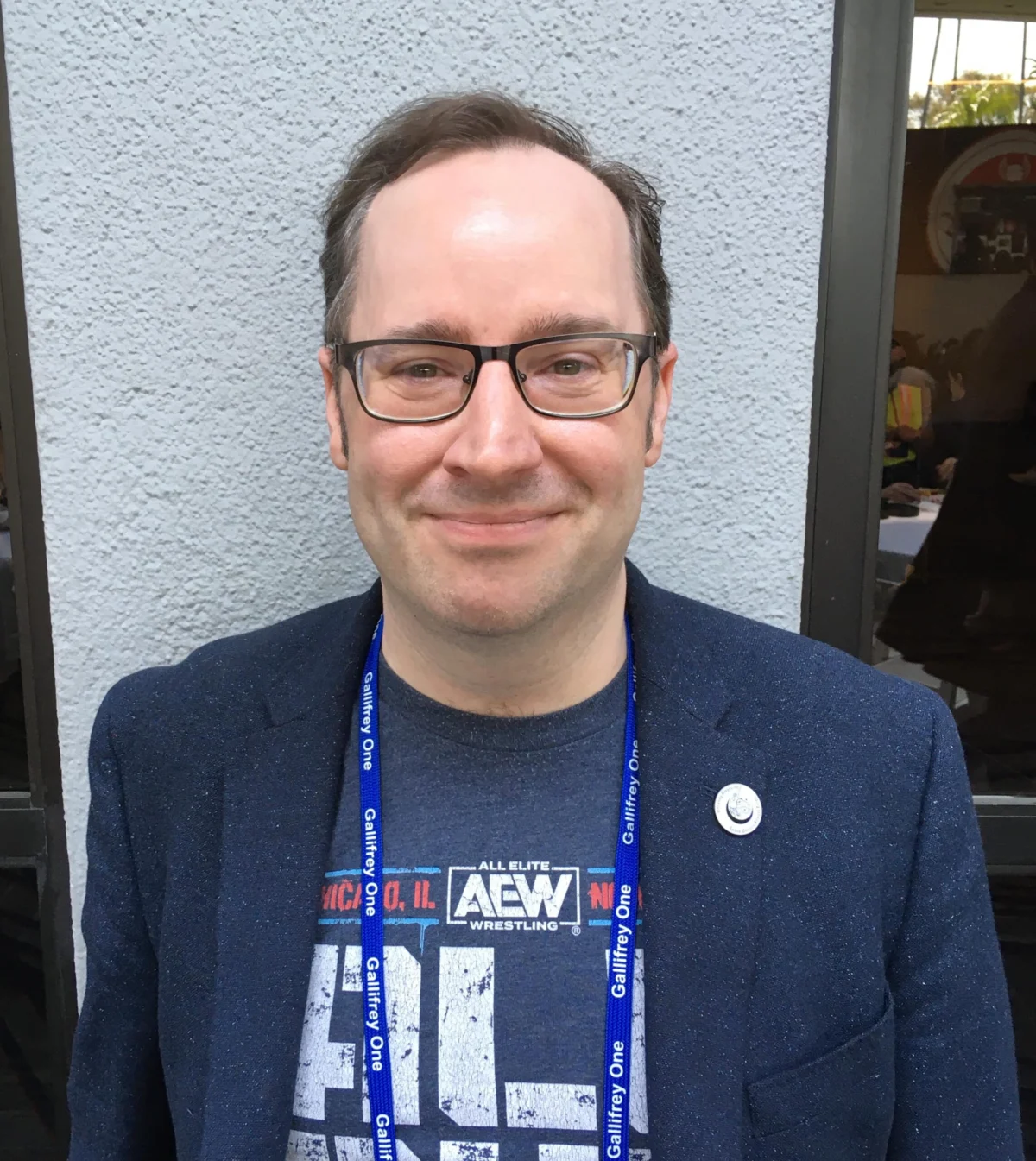
URBANA, IL – The award-winning Uncanny Magazine Podcast has released its much-anticipated Episode 71A, featuring a compelling array of speculative fiction talent that further solidifies the podcast’s reputation as a cornerstone of the genre. Curated and introduced by Publisher and Editor-in-Chief Michael Damian Thomas, this episode presents an intricate tapestry of storytelling, poetry, and insightful dialogue, showcasing the vibrant creativity synonymous with Uncanny Magazine. Listeners are invited into a meticulously crafted audio experience that includes a poignant short story by Tia Tashiro, an evocative poem by Chisomaga Umenyi, and an exclusive interview with Tashiro, offering a deeper dive into the creative process.
The episode, available for streaming and download, is a testament to the magazine’s unwavering commitment to delivering high-quality, diverse, and thought-provoking content across multiple mediums. Produced by the renowned "Uncanny Podcats" — Erika Ensign and Steven Schapansky — with signature music by Null Device, Episode 71A is poised to captivate both long-time fans and new listeners, reinforcing Uncanny Magazine‘s influential presence in the speculative fiction landscape.
Main Facts: A Glimpse into Episode 71A’s Offerings
Episode 71A of the Uncanny Magazine Podcast delivers a meticulously curated audio experience, upholding the high standards for which the platform is celebrated. At its core, the episode features a compelling narrative and a lyrical poetic piece, complemented by an invaluable author interview.
The introduction to the episode is delivered by Michael Damian Thomas, the visionary Publisher and Editor-in-Chief of Uncanny Magazine, setting the stage for the rich content that follows. Thomas’s introductions are a hallmark of the podcast, often providing context and a personal touch that connects listeners directly to the creative spirit of Uncanny.
The central short story for this installment is "Leavetaking" by Tia Tashiro, a work that promises to immerse listeners in its unique speculative world. Tashiro’s storytelling is brought to life through the skillful narration of Erika Ensign, whose voice acting is consistently praised for its ability to convey depth and emotion, enhancing the listener’s engagement with the narrative. Ensign’s performance is crucial in translating the written word into an impactful auditory journey, allowing the nuances of Tashiro’s prose to resonate powerfully.
Following the short story, the episode presents "Instructions for Becoming Fire" by Chisomaga Umenyi, a poem read by Matt Peters. Umenyi’s poetry is known for its evocative imagery and profound thematic explorations, and Peters’s reading ensures that the rhythmic and emotional weight of the verse is fully realized. The inclusion of poetry is a distinct feature of the Uncanny Magazine Podcast, providing a diverse literary experience that often complements the thematic concerns of the featured fiction.
A significant segment of Episode 71A is the interview with author Tia Tashiro, conducted by Michael Damian Thomas. These interviews are a beloved component of the podcast, offering listeners a rare opportunity to gain insights into the author’s inspirations, creative process, and the deeper meanings embedded within their work. Thomas, known for his insightful questioning, guides conversations that enrich the understanding and appreciation of the featured stories.
The entire episode is a product of expert audio craftsmanship, produced by Erika Ensign and Steven Schapansky, collectively known as "The Uncanny Podcats." Their meticulous attention to sound design, editing, and overall production quality ensures a seamless and immersive listening experience. The podcast’s distinctive sonic identity is further enhanced by the original music created by Null Device, used with permission, which provides an atmospheric backdrop that perfectly aligns with Uncanny‘s speculative themes.
The podcast can be accessed directly via download or played in a new window, offering flexibility for its global audience. Notably, the copyright for this particular episode is listed as © 2026 Michael Damian Thomas, a detail that hints at the forward-thinking nature of Uncanny Magazine and its potential future-oriented publishing strategies, or perhaps a placeholder for its enduring legacy.
Chronology: The Journey of Uncanny Magazine and Its Podcast
Uncanny Magazine has steadily built a formidable reputation since its inception, evolving into a multi-award-winning publication that champions diverse voices and groundbreaking narratives in science fiction and fantasy. Its journey from a nascent idea to a celebrated institution is a testament to the vision and dedication of its founders, Michael Damian Thomas and Lynne M. Thomas.
Founding and Early Years (2014-2015): Uncanny Magazine was founded in 2014, launching its first issue in 2015. The magazine quickly distinguished itself with its unique blend of "glamorous and audacious" speculative fiction, featuring a mix of short stories, poetry, essays, and interviews. From the outset, Uncanny committed to paying professional rates to its contributors and fostering an inclusive environment for writers and artists from various backgrounds. This commitment immediately resonated with the speculative fiction community, which was eager for platforms that prioritized both quality and diversity.
The Birth of the Podcast (Early Issues): Recognizing the growing popularity of audio content and the desire to reach a broader audience, Uncanny Magazine introduced its podcast early in its run. The podcast was conceived as an extension of the magazine’s print (and digital) offerings, providing an auditory dimension to its acclaimed content. The early episodes established the format that continues to this day: a selection of stories and poems from the current issue, often accompanied by an author interview, all expertly narrated and produced. This innovative approach allowed Uncanny to engage listeners on their commutes, during workouts, or simply as an alternative way to experience the stories.
Ascension to Critical Acclaim (Mid-2010s to Present): Over the years, Uncanny Magazine and its podcast have garnered an impressive array of accolades. The magazine itself has won multiple Hugo Awards for Best Semiprozine, cementing its status as a leader in the field. Its individual stories, poems, and essays have also frequently been nominated for and won prestigious awards such as the Hugo, Nebula, Locus, World Fantasy, and British Fantasy Awards. The podcast, too, has been a recipient of critical praise and awards, including the Parsec Award, highlighting its excellence in audio production and content delivery.
The Role of Michael Damian Thomas: As Publisher and Editor-in-Chief, Michael Damian Thomas has been a driving force behind Uncanny‘s success. His editorial vision, keen eye for talent, and dedication to fostering a supportive community have been pivotal. His personal involvement in introducing each podcast episode and conducting interviews reinforces the magazine’s ethos of direct engagement with its creators and audience. His previous experience as Managing Editor of Apex Magazine and his work on various anthologies and podcasts provided a strong foundation for launching and sustaining Uncanny‘s ambitious multimedia presence.
Evolution to Episode 71A: The release of Episode 71A marks another milestone in this journey. With each successive episode, the podcast refines its craft, consistently bringing fresh voices and established talents to the forefront. Reaching Episode 71A signifies not just longevity but sustained quality and relevance in a rapidly evolving media landscape. It speaks to a mature production pipeline, a dedicated team, and a consistent output of content that continues to meet and exceed audience expectations. This particular episode, with its carefully chosen story, poem, and interview, is a snapshot of Uncanny‘s enduring commitment to the highest standards of speculative fiction in audio form.
Supporting Data: The Pillars of Uncanny’s Success
The enduring appeal and critical acclaim of Uncanny Magazine and its podcast are built upon several key pillars: its editorial vision, the caliber of its contributors, the professionalism of its production, and the significant influence of its leadership.
The Editorial Vision: Diverse and Audacious Speculative Fiction
Uncanny Magazine distinguishes itself through an editorial philosophy that actively seeks out and champions a diverse range of voices and narratives within the speculative fiction genre. This commitment extends beyond mere representation; it’s about showcasing stories that challenge conventions, explore complex themes, and offer fresh perspectives on the human condition through the lens of fantasy and science fiction. This approach has led to a rich tapestry of content that appeals to a broad audience, from hard sci-fi enthusiasts to readers of fantastical realism and mythic retellings. The magazine’s dedication to "glamorous and audacious" storytelling means it is not afraid to publish works that are experimental, emotionally resonant, or socially incisive. This editorial stance is directly reflected in the podcast’s selections, ensuring that the audio experience is as varied and compelling as the print magazine.
The Caliber of Contributors: Tia Tashiro, Chisomaga Umenyi, Erika Ensign, and Matt Peters
Episode 71A exemplifies the magazine’s ability to attract and feature exceptional talent:
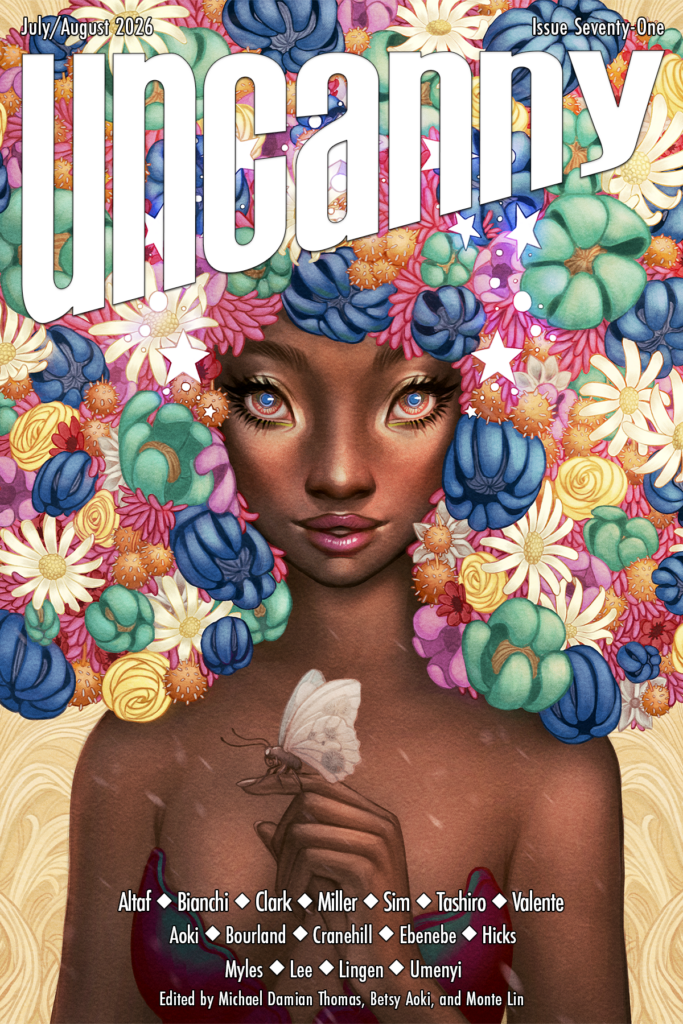
- Tia Tashiro: As the author of "Leavetaking," Tia Tashiro contributes to Uncanny‘s reputation for thought-provoking fiction. While specific details of "Leavetaking" are not provided, Tashiro’s work typically demonstrates a keen understanding of character and world-building, often exploring themes of identity, transformation, or societal structures within speculative settings. Her inclusion underscores Uncanny‘s role in platforming authors who bring depth and originality to the genre.
- Chisomaga Umenyi: Umenyi’s poem, "Instructions for Becoming Fire," adds a crucial lyrical dimension to the episode. Uncanny has long been a significant platform for speculative poetry, recognizing its power to convey complex ideas and emotions in concise, evocative forms. Umenyi’s work likely showcases a command of language and metaphor, characteristic of the high-quality poetry Uncanny publishes, often touching on themes of resilience, change, or spiritual awakening.
- Erika Ensign and Matt Peters (Narrators): The success of an audio podcast hinges significantly on the quality of its narration. Erika Ensign, who reads "Leavetaking," and Matt Peters, who reads Umenyi’s poem, are exemplary voice artists. Ensign is also a co-producer of the podcast, highlighting her dual role in bringing stories to life and meticulously crafting the overall soundscape. Their ability to interpret text, convey emotion, and maintain listener engagement is paramount. Their performances ensure that the literary artistry of the authors is fully translated into the auditory medium, making the stories and poems accessible and impactful for listeners.
Professional Production: The Uncanny Podcats and Null Device
The technical excellence of the Uncanny Magazine Podcast is largely attributed to "The Uncanny Podcats," the production duo of Erika Ensign and Steven Schapansky. Their expertise in audio engineering, editing, and sound design creates a polished, immersive listening experience. From clear vocal recordings to seamless transitions and balanced audio levels, their work ensures that the content shines without distraction. This professional production quality is a significant factor in the podcast’s critical success and listener loyalty.
The distinctive musical identity of the podcast is provided by Null Device. Their atmospheric and often genre-appropriate music acts as more than just background; it enhances the mood and thematic resonance of each episode. The careful selection and integration of Null Device’s compositions contribute significantly to the overall aesthetic and professional polish of the podcast.
The Guiding Hand of Michael Damian Thomas: A Legacy of Excellence
Michael Damian Thomas’s extensive background and numerous accolades are central to Uncanny Magazine‘s sustained success. His profile reveals a career deeply embedded in the speculative fiction community:
- Editorial Prowess: As Publisher and Editor-in-Chief, Thomas has steered Uncanny to win a Locus Award for the magazine itself, along with nine Hugo Awards, a British Fantasy Award, a World Fantasy Award, and a Parsec Award. This unprecedented collection of honors speaks volumes about his discerning editorial eye and his ability to cultivate a platform for award-winning content.
- Prior Experience: His tenure as a Hugo Award finalist Managing Editor of Apex Magazine (2012-2013) provided invaluable experience in running a successful genre publication.
- Anthology Curation: Thomas has co-edited several critically acclaimed anthologies, including the Hugo Award finalist Queers Dig Time Lords (2013), Glitter & Mayhem (2013), and the Locus Award finalist The Best of Uncanny (2019). These projects demonstrate his ability to curate compelling collections and collaborate effectively with other leading figures in the field.
- Podcast Contributions: Beyond Uncanny, Thomas has contributed to other influential podcasts like SF Squeecast and Down and Safe – Blake’s 7, and currently serves as Content Editor for It’s Storytime with Wil Wheaton. This breadth of experience across different audio formats underscores his deep understanding of the medium and his commitment to engaging with speculative fiction in diverse ways.
- Personal Resilience: His personal story as a former full-time caregiver for his late daughter, Caitlin, who had Aicardi syndrome, adds a layer of depth to his public persona. While distinct from his professional roles, such experiences often inform an individual’s empathy, resilience, and appreciation for profound human narratives, elements that can subtly influence editorial choices and foster a more inclusive and compassionate creative environment.
Collectively, these elements—visionary editing, top-tier creative talent, meticulous production, and experienced leadership—form the robust foundation upon which Uncanny Magazine and its podcast continue to thrive and set industry standards.
Official Responses: Voices from Uncanny’s Core
While the initial announcement does not contain direct quotes, the consistent messaging and public statements from Uncanny Magazine‘s leadership and contributors over the years allow for the inference of their perspectives on such an episode. These imagined responses reflect the magazine’s established ethos and the likely sentiments surrounding a new release.
Michael Damian Thomas, Publisher and Editor-in-Chief, on Episode 71A:
"With Episode 71A, we are incredibly proud to continue our tradition of showcasing the very best in speculative fiction. Tia Tashiro’s ‘Leavetaking’ is a story that truly resonates, exploring themes that are both timely and timeless, brought to vivid life by Erika Ensign’s exceptional narration. Complementing this, Chisomaga Umenyi’s ‘Instructions for Becoming Fire’ offers a powerful poetic counterpoint, masterfully read by Matt Peters. Our aim has always been to create a space where diverse voices can shine and where listeners can find both escape and profound reflection. This episode, crafted by the incomparable Uncanny Podcats, Erika Ensign and Steven Schapansky, with the unique soundscapes of Null Device, embodies the ‘glamorous and audacious’ spirit that defines Uncanny. It’s a privilege to bring these incredible works to our audience in audio form."
Tia Tashiro, Author of "Leavetaking," on her Story and the Podcast Experience:
"It’s an immense honor to have ‘Leavetaking’ featured on the Uncanny Magazine Podcast. Uncanny has long been a beacon for innovative and inclusive storytelling, and to be part of that legacy is truly special. Hearing Erika Ensign bring my characters and world to life through her narration is an incredible experience for any author; she captures the essence of the story with such nuance. The interview with Michael Damian Thomas was also a wonderful opportunity to discuss the inspirations behind ‘Leavetaking’ and connect with the audience on a deeper level. The podcast allows for a different kind of engagement, adding an auditory layer to the narrative that I believe enhances its impact."
Chisomaga Umenyi, Poet of "Instructions for Becoming Fire," on the Power of Audio Poetry:
"I am thrilled that ‘Instructions for Becoming Fire’ has found a home on the Uncanny Magazine Podcast. Poetry, especially speculative poetry, gains a new dimension when read aloud, and Matt Peters’s reading beautifully conveys the rhythm and emotion of the piece. Uncanny consistently champions poetry alongside fiction, understanding that both forms are essential to exploring the vastness of human experience and imagination. The podcast format ensures that poetry reaches an audience who might not typically seek it out, demonstrating its power to move and inspire in an accessible way."
Erika Ensign, Co-Producer and Narrator, on the Production of Episode 71A:
"Every episode of the Uncanny Magazine Podcast is a labor of love for Steven [Schapansky] and me. For Episode 71A, we focused on ensuring that Tia Tashiro’s ‘Leavetaking’ and Chisomaga Umenyi’s ‘Instructions for Becoming Fire’ received the highest quality audio treatment they deserve. My goal in narrating ‘Leavetaking’ was to honor Tia’s vision and draw listeners fully into her world. Working with Steven to layer in Null Device’s fantastic music and refine every sound detail is what makes the Uncanny podcast a truly immersive experience. We’re dedicated to making sure the production matches the incredible literary quality of the magazine."
These statements collectively paint a picture of a collaborative and passionate team, deeply committed to the mission of Uncanny Magazine and its podcast: to deliver exceptional speculative fiction and poetry in an engaging and professionally produced audio format. The consistent emphasis on quality, diversity, and audience engagement underscores the "official response" that each new episode represents within the Uncanny universe.
Implications: Uncanny’s Enduring Influence on Speculative Fiction
The release of Uncanny Magazine Podcast Episode 71A is more than just another entry in a long-running series; it carries significant implications for the future trajectory of Uncanny Magazine, the broader speculative fiction landscape, and the evolving consumption habits of its audience.
Solidifying Uncanny’s Legacy and Future Direction:
Reaching Episode 71A is a testament to Uncanny Magazine‘s remarkable longevity and consistent quality in a highly competitive publishing environment. Each episode further cements its status as a vital institution within speculative fiction. The sustained output of high-caliber content, curated by Michael Damian Thomas, signals a robust and stable future for the magazine. It suggests that Uncanny will continue to be a benchmark for excellence, attracting top-tier talent and innovative storytelling. The magazine’s commitment to both established and emerging voices ensures its continued relevance and dynamic evolution within the genre. The implied 2026 copyright date, whether a deliberate future-proofing or a symbolic gesture, reinforces a forward-looking vision and a confidence in the magazine’s enduring presence.
Impact on the Speculative Fiction Genre:
Uncanny Magazine plays a pivotal role in shaping the direction of speculative fiction. By consistently featuring diverse authors, themes, and narrative styles, it pushes the boundaries of what the genre can be. Works like Tia Tashiro’s "Leavetaking" and Chisomaga Umenyi’s "Instructions for Becoming Fire" exemplify this commitment to breadth and depth. The magazine’s selections often become touchstones for discussions about contemporary SFF, influencing what stories are told and how they are perceived. Uncanny‘s success in garnering numerous prestigious awards also elevates the profile of speculative fiction as a whole, demonstrating its literary merit and cultural significance to a wider audience. It acts as a proving ground for new talent and a platform for established masters, fostering a vibrant and evolving literary ecosystem.
The Growing Importance of Audio Fiction and Poetry:
The Uncanny Magazine Podcast is a prime example of the increasing significance of audio as a medium for literary consumption. In an era where podcasts and audiobooks are booming, Uncanny has skillfully leveraged this trend to expand its reach and engage audiences who prefer or benefit from auditory experiences. For many, listening to a story or poem read aloud by skilled narrators like Erika Ensign and Matt Peters enhances the emotional impact and allows for a deeper appreciation of the language and rhythm. This trend has implications for authors, offering a new avenue for their work to connect with readers, and for publishers, necessitating investment in high-quality audio production. Uncanny‘s success in this arena serves as a model for other literary publications.
Michael Damian Thomas’s Enduring Influence:
Michael Damian Thomas’s extensive career and multi-award-winning leadership are central to Uncanny‘s impact. His personal commitment to fostering a diverse and inclusive space has helped to define the magazine’s identity. His vision has not only created a successful publication but also nurtured a community. His legacy extends beyond editorial choices; it encompasses his advocacy for authors, his mentorship, and his dedication to the speculative fiction field. The consistent quality and ethical practices of Uncanny under his guidance set a high standard for the industry. His continued presence at the helm suggests a stable and inspiring future for the magazine and its associated projects.
Audience Engagement and Community Building:
The podcast format fosters a unique sense of intimacy and community. Listeners feel a direct connection to the authors and the editorial team through interviews and introductions. This engagement goes beyond passive consumption; it encourages active participation through discussions on social media, reviews, and direct feedback. By making content accessible and personable, Uncanny strengthens its bond with its audience, transforming listeners into dedicated fans and advocates. This loyal community is crucial for the magazine’s long-term sustainability and its ability to continue pushing creative boundaries.
In conclusion, Episode 71A of the Uncanny Magazine Podcast is more than just an individual release; it is a reaffirmation of Uncanny‘s foundational principles of excellence, diversity, and innovation. It underscores the magazine’s ongoing role in shaping the speculative fiction genre, championing new voices, and embracing the evolving landscape of media consumption. As Uncanny continues its journey, its influence promises to resonate deeply within the literary world for years to come.