The Unfolding Saga of the Dungeons & Dragons Adventure System Board Games: A Journey from Experiment to Excellence
For enthusiasts of tabletop gaming, the allure of the Dungeons & Dragons universe is undeniable. The thrill of exploring ancient ruins, battling formidable beasts, and forging legendary tales has captivated generations. However, the traditional D&D experience often necessitates a dedicated Dungeon Master (DM) and a significant time commitment, factors that can be prohibitive for many. Enter the Dungeons & Dragons Adventure System board games – a series designed to distill the essence of D&D into a streamlined, cooperative board game format, eliminating the need for a DM while retaining much of the beloved fantasy flavor.
This innovative series has embarked on a remarkable journey, evolving from initial ambitious experiments to universally acclaimed hits. These games have not only carved out a significant niche within the vast landscape of board gaming but have also sparked discussions globally, from casual player gatherings to dedicated communities in countries like Poland, where board game culture thrives. This article delves into the chronological evolution of these iconic games, examining their design philosophies, innovations, and lasting impact on the cooperative dungeon crawler genre.
The Genesis of a New Frontier: Understanding the Vision
The concept behind the Dungeons & Dragons Adventure System was audacious: to create a fully cooperative dungeon-crawling experience that felt authentically D&D, yet was accessible to players of all experience levels. This meant designing intuitive rules, engaging scenarios, and a robust system for exploration and combat, all without the real-time improvisation and narrative guidance of a Dungeon Master. The challenge lay in automating the elements typically handled by a DM – monster movement, trap activation, and quest progression – in a way that felt organic and challenging, rather than rigid or predictable.
The series aimed to capture the magic of rolling dice, revealing new tiles, and facing down hordes of plastic monsters, offering a "D&D in a box" experience. This promise resonated deeply with players who loved the D&D lore but struggled to consistently gather a group for a full role-playing campaign. The games promised quick setup, engaging tactical combat, and a sense of shared adventure, proving that not all epic quests require a singular storyteller.
Chronology of Adventure: Tracing the Series’ Evolution
The D&D Adventure System series has seen several iterations, each building upon the foundations laid by its predecessors, refining mechanics, and expanding thematic horizons. Presenting them in their release order allows for a clear understanding of their evolutionary path.
1. Castle Ravenloft (2010): The Gothic Debut
Main Facts:
- Release Year: 2010
- Designers: Mike Mearls, Peter Lee, Kevin Wilson
- Theme: Gothic Horror, set in the iconic Ravenloft campaign setting.
- Core Mechanics: Tile-laying dungeon exploration, cooperative combat against automated monsters, character progression, quest-based scenarios.
Castle Ravenloft was not just the inaugural title in the D&D Adventure System; it was a bold statement of intent. Dropping players into the dread-filled domain of Barovia, it immediately immersed them in a gothic dungeon replete with vampires, skeletons, and the ever-present threat of ancient evils. The game’s greatest strength was its atmosphere. From the chilling artwork on the tiles to the evocative monster miniatures, every component contributed to a sense of foreboding and dread, making each session feel like a cinematic struggle against the forces of darkness.
The rules, while straightforward, were designed for rapid assimilation. Players could grasp the core mechanics—movement, attacking, drawing new tiles, and resolving monster actions—within minutes, allowing for immediate engagement with the adventure. This simplicity was a double-edged sword; while it made the game highly accessible, it sometimes led to scenarios feeling overly reliant on luck. Bad draws of monster cards or unfortunate dice rolls could swiftly turn a promising expedition into a disastrous retreat, creating wildly unpredictable game sessions. Yet, for a series debut, Castle Ravenloft perfectly set the tone, demonstrating the viability of a DM-less D&D experience and providing a robust foundation upon which future iterations could build. Its success proved that there was a hungry market for cooperative, accessible dungeon crawlers with a strong thematic core.
2. Wrath of Ashardalon (2011): Aiming for Grandeur
Main Facts:
- Release Year: 2011
- Designers: Mike Mearls, Peter Lee, Kevin Wilson
- Theme: Classic High Fantasy, featuring a red dragon antagonist.
- Core Mechanics: Expanded tile types (caverns), new monster types, more complex traps, attempts at varied mission structures.
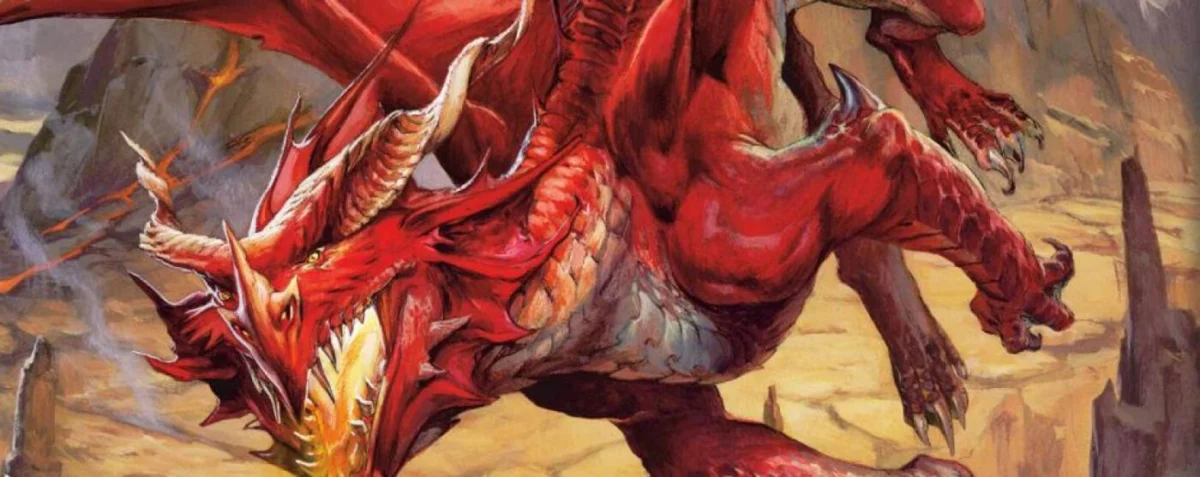
Following the success of Castle Ravenloft, Wrath of Ashardalon arrived with an ambition to go bigger and bolder. The game shifted settings from gothic castles to sprawling caverns and subterranean lairs, culminating in a confrontation with the eponymous red dragon, Ashardalon. Visually, the game was striking; the dragon miniature on the box art was a showstopper, and the overall quality of the components continued to impress. It introduced new tile types, monsters, and a wider array of scenarios, signaling the series’ intent to diversify its offerings.
However, this expansion in scope sometimes came at the cost of refinement. While some missions were exhilarating, others felt directionless or unbalanced, leading to a somewhat uneven player experience. The increased complexity, without a corresponding leap in systematic elegance, occasionally led to a feeling of bloat rather than seamless integration. Despite these growing pains, Wrath of Ashardalon was crucial for the series’ evolution. It was the first time the Adventure System truly stretched its wings, experimenting with new mechanics and broader environmental storytelling. It demonstrated the designers’ willingness to innovate and push the boundaries of the established formula, even if not every new idea landed perfectly. It provided valuable lessons on balancing complexity with playability, which would inform subsequent designs.
3. The Legend of Drizzt (2011): A Fan-Favorite Foray
Main Facts:
- Release Year: 2011
- Designers: Mike Mearls, Peter Lee, Kevin Wilson
- Theme: Iconic D&D lore, featuring characters from R.A. Salvatore’s novels.
- Core Mechanics: Streamlined setup, character-specific powers, emphasis on beloved characters and narrative arcs.
Released in the same year as Wrath of Ashardalon, The Legend of Drizzt marked a pivotal moment for the series. It leaned heavily into the immense popularity of R.A. Salvatore’s D&D novels, bringing fan-favorite characters like Drizzt Do’Urden, Artemis Entreri, and Catti-brie to the tabletop. This decision proved to be a masterstroke, instantly drawing in a dedicated fanbase eager to embody their literary heroes. The game capitalized on this nostalgia, providing unique character abilities that faithfully reflected the personalities and fighting styles of these iconic figures.
Beyond its thematic appeal, Drizzt significantly refined the gameplay experience. The setup was faster, the rules felt more intuitive, and the overall pacing was smoother, making it easier for players to jump into a quest without spending an entire evening poring over rulebooks. This focus on accessibility and fluid gameplay was a direct response to feedback from previous titles. While it didn’t drastically alter the core Adventure System mechanics, its polished execution and compelling character-driven scenarios made it exceptionally fun and engaging. For many, The Legend of Drizzt was the game that truly made them fall in love with the series, demonstrating how well-integrated lore and refined gameplay could elevate the experience.
As the renowned author J.R.R. Tolkien wisely penned, "Not all those who wander are lost." The Legend of Drizzt may have ventured into familiar narrative territory, yet it successfully found the very heart of what these games were meant to be: fast-paced, light on rules, and brimming with the spirit of adventure. It highlighted the power of strong intellectual property when coupled with thoughtful game design.
4. Temple of Elemental Evil (2015): The Campaign Game Changer
Main Facts:
- Release Year: 2015
- Designers: Peter Lee, Kevin Wilson
- Theme: Classic D&D module reimagined, elemental cults.
- Core Mechanics: Introduced campaign progression, persistent character development, item retention, and interconnected scenarios.
After a few years of refinement and iteration, Temple of Elemental Evil arrived as a groundbreaking entry, fundamentally altering the trajectory of the Adventure System. This was the game where the series truly found its stride, introducing a robust campaign progression system that transformed episodic dungeon delves into a cohesive, unfolding narrative. For the first time, players could carry their gear, experience, and character upgrades between adventures, imbuing each session with greater purpose and long-term consequences.
This shift meant that individual missions were no longer isolated encounters but vital steps in a larger story arc, culminating in a confrontation with the elemental cults. The enemies felt more balanced, and the tactical demands of the game increased, requiring genuine cooperation, strategic planning, and foresight from the players. It moved beyond a game of pure luck and reactive combat, evolving into an experience that rewarded smart play and coordinated team efforts.
Some of the significant innovations and improvements Temple of Elemental Evil brought to the table include:
- Persistent Character Progression: Heroes could genuinely level up, gain new abilities, and feel a tangible sense of growth over the course of the campaign.
- Narrative Cohesion: Missions were linked by a compelling overarching story, providing context and motivation for each dungeon crawl.
- Strategic Depth: Balanced enemy encounters and more complex objectives demanded careful planning and coordinated tactics from the players.
- Meaningful Choices: The campaign structure allowed for choices within the narrative that could impact subsequent scenarios, adding replayability and player agency.
- Modular Encounters: While part of a larger campaign, individual scenarios were still designed to be replayable and offer varied challenges.
While not entirely flawless, Temple of Elemental Evil was undeniably the first game in the series that felt like the designers had truly cracked the code, understanding the full potential of the Adventure System and delivering a truly satisfying, campaign-driven D&D experience.
5. Tomb of Annihilation (2017): The Crown Jewel of the System
Main Facts:
- Release Year: 2017
- Designers: Peter Lee, Kevin Wilson
- Theme: Jungle exploration, survival horror, undead plague in Chult.
- Core Mechanics: Integrated survival mechanics (resource management, disease), hex-tile exploration, heightened tension and narrative urgency.
Tomb of Annihilation represents the pinnacle of the Dungeons & Dragons Adventure System series, a culmination of years of design refinement and thematic innovation. Everything about this game—the story, the tension, the mechanical variety—felt meticulously crafted and seamlessly integrated. Transporting players to the perilous jungle continent of Chult, the game introduced a vibrant yet deadly setting, teeming with exotic monsters, ancient ruins, and the constant threat of a deadly undead plague.
The true genius of Tomb of Annihilation lay in its brilliant integration of survival mechanics. Players weren’t just battling monsters; they were also contending with resource scarcity, debilitating diseases, and the ever-present danger of the jungle itself. This added a layer of strategic depth and urgency, forcing players to think critically, adapt to changing circumstances, and sometimes even make the tactical decision to flee for their lives. Each session felt dynamic and unpredictable, thanks to the interplay of traps, environmental hazards, unique monster abilities, and the overarching narrative pressure of the Death Curse.
For many players and critics alike, Tomb of Annihilation is widely regarded as the crown jewel of the Adventure System. It took the campaign progression elements from Temple of Elemental Evil and elevated them with a compelling, high-stakes narrative and innovative survival elements, creating an immersive and unforgettable experience.
As the legendary game designer Shigeru Miyamoto once stated, "A delayed game is eventually good, but a rushed game is forever bad." Tomb of Annihilation clearly benefited from a deliberate and iterative design process. It took the time necessary to refine its mechanics, polish its thematic integration, and ensure that every element contributed to a cohesive and confident tabletop experience. The result is a game that feels complete, challenging, and endlessly rewarding.
Supporting Data and Broader Market Context
The journey of the D&D Adventure System games is not just a tale of evolving game design; it also reflects broader trends within the global gaming landscape. The increasing sophistication of board game mechanics, the rising demand for cooperative experiences, and the blurring lines between physical and digital entertainment all play a role in understanding the series’ impact.
The robust board game market in regions like Poland, for example, exemplifies the global appetite for tabletop adventures. Players and entertainment enthusiasts in such vibrant markets often explore various facets of interactive entertainment. While they cherish physical board games, many also delve into the digital segment, researching platforms such as online casinos like Vulkan Vegas or exploring features of diverse game servers like those found in Minecraft. This cross-platform exploration highlights a universal desire for engaging, interactive experiences and safe online communities, regardless of whether the medium is physical or virtual. The appeal lies in the engagement, the strategy, and the communal aspect, be it around a table or across a digital network.
Furthermore, the growing professionalism surrounding board gaming is evident in the emergence of dedicated tournaments and even "forecasters" who analyze player chances, styles, and strategies, much like in traditional sporting events. This trend underscores the depth and competitive potential inherent in many modern board games, including the strategic considerations present in the D&D Adventure System series. The communal betting, even if friendly, signifies a deeper engagement with the strategic nuances and player skill involved, turning a hobby into a spectacle.
Design Philosophy and Official Responses (Inferred)
While direct "official responses" from designers regarding each specific game’s reception are not always publicly documented in extensive detail, the trajectory of the Adventure System series itself serves as a powerful testament to an evolving design philosophy. The iterative nature of the releases clearly indicates a commitment to:
- Player Feedback Integration: The progression from Wrath of Ashardalon‘s unevenness to Drizzt‘s streamlined approach, and then to Elemental Evil‘s campaign focus, strongly suggests that designers were actively listening to community input regarding accessibility, pacing, and long-term engagement.
- Thematic Immersion: Each game aimed to capture a distinct D&D flavor, from gothic horror to high fantasy to jungle survival. This commitment to thematic fidelity, coupled with excellent component quality (miniatures, artwork), was paramount to making players feel like they were truly adventuring in a D&D world.
- Accessibility without Simplification: The core challenge was to simplify the DM role without dumbing down the strategic depth. The evolution shows a constant effort to automate complex rules (monster AI, trap activation) in elegant ways, allowing players to focus on heroic choices rather than rulebook minutiae.
- Embracing Narrative Progression: The pivotal shift to campaign play in Temple of Elemental Evil and Tomb of Annihilation demonstrates a clear understanding that true D&D magic lies in persistent character development and an overarching story, not just isolated encounters. This was a significant strategic decision to move beyond mere "dungeon crawls" to full-fledged narrative campaigns.
- Innovation within a Framework: While maintaining a consistent core system, each game introduced new mechanics (e.g., survival, hex-tile exploration, unique character powers) that kept the series fresh and exciting, proving the versatility of the underlying Adventure System.
The designers, primarily Peter Lee and Kevin Wilson in later iterations, honed their craft by understanding what made D&D appealing and then translating those elements into a board game format that could stand on its own merits, separate from the traditional RPG. Their work has created a legacy of games that are not just fun, but also remarkably well-designed artifacts of cooperative tabletop gaming.
Implications: A Legacy of Adventure and Accessibility
The Dungeons & Dragons Adventure System board games have left an indelible mark on the tabletop gaming landscape. Their primary implication lies in democratizing the D&D experience, making the thrill of dungeon crawling accessible to a wider audience than ever before. For groups without a dedicated Dungeon Master, or those simply seeking a quicker, more focused D&D fix, these games provided an invaluable entry point.
Beyond accessibility, the series demonstrated the power of cooperative board game design to tell compelling stories and provide deep tactical challenges. They influenced countless other cooperative dungeon crawlers and adventure games, setting a high bar for component quality, thematic integration, and streamlined gameplay. The evolution from the experimental Wrath of Ashardalon to the polished brilliance of Tomb of Annihilation showcases a masterclass in iterative design, proving that dedication to refinement can transform good ideas into truly great games.
The series cemented the idea that a licensed property, when treated with respect and innovative design, can produce more than just a tie-in product; it can create a standalone gaming experience that enriches both the brand and the broader hobby. The legacy of the D&D Adventure System is one of adventure, teamwork, and the pure, unadulterated fun of fantasy exploration, ensuring its place as a cherished collection within the pantheon of modern board games.
Conclusion: A Series Worth Remembering
From the atmospheric gothic debut of Castle Ravenloft to the ambitious but uneven expansion of Wrath of Ashardalon, the character-driven success of The Legend of Drizzt, the campaign-defining innovation of Temple of Elemental Evil, and finally, the perfected survival narrative of Tomb of Annihilation, the Dungeons & Dragons Adventure System board games illustrate a remarkable journey in tabletop design. Each installment, even with its stumbles, contributed vital lessons and new ideas, pushing the boundaries of what a cooperative dungeon crawler could be.
Together, these games have not only built a formidable legacy of adventure, teamwork, and pure fantasy fun but have also demonstrated the enduring appeal of the Dungeons & Dragons universe in a versatile, accessible format. They stand as a testament to thoughtful design, continuous improvement, and the timeless joy of gathering around a table, rolling dice, and embarking on epic quests with friends. For those who yearn for the magic of D&D without the demands of a full RPG campaign, this series remains an essential and highly cherished collection.