The Unseen Architect: Exploring the Metaphysical Dimensions of Human Purpose and Consciousness
A chance encounter in a local coffee shop sparks a profound discussion on the intangible forces that shape our lives, from individual purpose to global altruism.
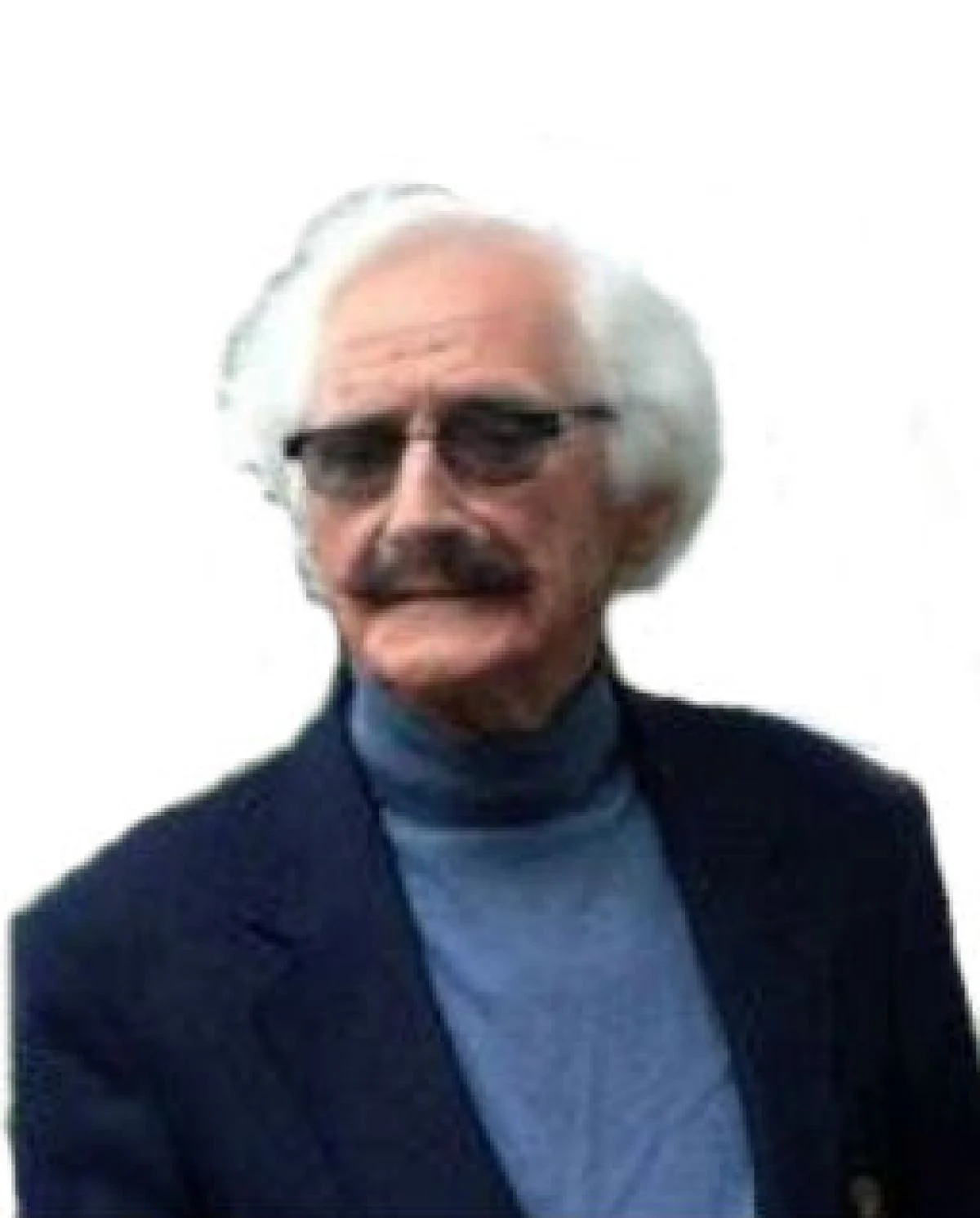
In the quiet hum of a suburban coffee shop, a routine car service provided an unexpected portal into a deeper conversation. For a retired professor of philosophy and psychology, these informal encounters with university students have become a familiar, yet often enlightening, ritual. This particular day was no different, culminating in a discussion that transcended the immediate, touching upon the very essence of human purpose, the nature of consciousness, and the enduring power of the human spirit. The conversation, sparked by simple questions about purpose, inevitably led to a exploration of the metaphysical – a realm often overlooked in our day-to-day rational existence.
The Elusive Quest for Purpose: A Historical and Contemporary Perspective
The initial volley of questions from the students, as is often the case, centered on the concept of purpose. The professor, drawing from a lifetime of philosophical inquiry, acknowledged the inherent difficulty in defining purpose, both for individuals and for larger entities like nations. He painted a stark picture of history, a tapestry woven with threads of conflict and animosity, where benevolent and spiritually tolerant attitudes have frequently been overshadowed by strife. "It was not easy to talk about purpose," he admitted, "that nations, as well as individuals, have been fighting and killing each other off throughout history. There’s still a hell of a lot to be desired when it comes to looking for benevolent and spiritually tolerant attitudes between individuals and nations."
However, even within this somber historical context, the professor highlighted the persistent emergence of altruism and compassion. He pointed to the global presence of charitable organizations as tangible evidence of humanity’s inherent drive to alleviate suffering. "Even so," he continued, "there are many charitable groups throughout the world nowadays working to try and ease the sufferings of those less fortunate than themselves." The example of Doctors Without Borders served as a powerful illustration. He lauded the dedication of their nurses and doctors, who bravely operate in some of the world’s most perilous regions, risking their lives driven by an innate need to act. These individuals, he emphasized, are propelled by "compassion and the altruistic need to act." Their journeys to distant and dangerous locations, putting their own lives and careers on the line, embody "the greatest of all moral persuasions, that internal force known as the human spirit." This spirit, he argued, is a fundamental aspect of our being, a driving force that transcends mere biological survival and societal constructs.
Unveiling the Metaphysical: Beyond the Senses
The conversation then pivoted to a term that proved to be a key differentiator in understanding: "metaphysical." The professor observed that only one of the two students possessed an awareness of its significance. He defined it as a level of consciousness that extends beyond the tangible world, a perception that transcends the limitations of our five senses. "The significance of the word metaphysical," he explained, "denotes a level of awareness in human consciousness that goes beyond the world of appearances; beyond the workings of the five senses."
This metaphysical awareness, he elaborated, is a continuous, internal dialogue, a silent exploration fueled by our innate curiosity and imagination. It’s a quest to understand the "how and why of the psychological complexity of one’s self." This exploration is driven by what has historically been described as "spirit, the human spirit." This internal engine of inquiry, this drive to comprehend the deeper currents of existence, is a fundamental aspect of our psychological makeup. It’s the force that compels us to ask questions that cannot be answered through empirical observation alone.
Aristotle’s Legacy: The Birth of Metaphysics
To further illuminate the concept, the professor delved into the historical origins of the term. He credited the renowned Greek scientist and philosopher Aristotle with coining "metaphysical" to describe this abstract nature of mental activity. "Meta," meaning "beyond" or "after," when combined with "physics," signifies a realm of inquiry that extends beyond the material and observable. Aristotle’s conceptualization introduced the idea of the mind as a distinct level of awareness, encompassing thoughts, ideas, feelings, hunches, and ruminations. These are all manifestations of an "intuitive range of consciousness," often perceived as inspirational and serving the forces of spirit, which are, in turn, seen as operating at the "instigation of a soul, no less." This philosophical framing suggests a layered understanding of human experience, where our conscious awareness is not solely rooted in the physical but also in a more profound, perhaps spiritual, dimension.
The Duality of Consciousness: Rationality and Intuition
This leads to a crucial understanding of human consciousness as a duality. Over centuries, thinkers have grappled with the idea that our awareness comprises two fundamental aspects: the outwardly directed, rational, and sensory brain, and the inwardly directed, intuitive, and spiritual brain. These two facets, the professor explained, work in tandem, forming the "mental partnership we call mind." The rational brain processes information from the external world through our senses, enabling us to navigate and understand our physical environment. The intuitive or spiritual brain, however, taps into a different source of knowledge – a realm of insights, feelings, and abstract understanding that often defies logical explanation. This interplay between the tangible and the intangible, the observable and the unobservable, is what constitutes the richness and complexity of human experience.
A Glimpse into the Unexamined Self
Despite the depth of the philosophical concepts discussed, the professor noted a striking disconnect when he posed a seemingly simple question: "Do you ever ponder the unique nature of your own personalities?" The response, he recalled with a hint of disappointment, was a pair of "blank looks." This observation underscores a broader societal trend, where individuals, particularly younger generations, may be less inclined to engage in introspective exploration of their own inner worlds. In a world increasingly dominated by external stimuli and quantifiable achievements, the internal landscape of self-awareness and existential questioning might be relegated to the periphery. The professor’s inquiry, though met with incomprehension, serves as a poignant reminder of the value of self-reflection and the exploration of one’s own psychological and spiritual dimensions.
The Neuroscientist’s Perspective: Mind as a Metaphysical Entity
As the coffee cups were emptied and the conversation drew to a close, the professor offered a final thought, drawing upon the wisdom of a distinguished figure in neuroscience. He cited the words of Wilder Penfield, Canada’s preeminent neuroscientist and brain surgeon, who famously described mind as a "non-temporal, non-spatial entity." This definition, rooted in scientific observation yet pointing towards the intangible, perfectly encapsulates the metaphysical nature of consciousness. Penfield’s struggle to define mind within the conventional confines of physics and biology highlights the limitations of purely empirical approaches when grappling with subjective experience. His assertion that mind exists outside of time and space suggests a fundamental aspect of human existence that transcends the physical realm, aligning perfectly with the philosophical concept of the metaphysical.
Implications and Further Inquiry
The encounter, though brief, served as a potent reminder of the enduring relevance of philosophical inquiry in understanding the human condition. The professor’s reflections highlight several critical implications:
- The Neglect of Metaphysical Exploration: The students’ blank stares suggest a potential decline in the societal emphasis on introspective and existential questioning. In an age of rapid technological advancement and information overload, the cultivation of inner awareness and the exploration of purpose may be overshadowed by more immediate concerns.
- The Interconnectedness of Science and Philosophy: The reference to Wilder Penfield underscores the ongoing dialogue between scientific discovery and philosophical contemplation. While neuroscience can illuminate the biological underpinnings of consciousness, it also encounters phenomena that push the boundaries of empirical explanation, leading back to metaphysical considerations.
- The Power of Altruism as a Manifestation of Spirit: The example of Doctors Without Borders provides a compelling case study of the human spirit in action. This inherent drive to help others, even at great personal risk, suggests a profound aspect of our being that transcends self-interest and contributes to a greater sense of shared humanity.
- The Need for Education in Existential Thinking: The conversation implicitly calls for greater emphasis on fostering critical thinking and philosophical inquiry within educational systems. Equipping individuals with the tools to explore questions of purpose, consciousness, and the nature of reality is crucial for personal growth and societal well-being.
This chance meeting in a coffee shop, a microcosm of broader societal dialogues, serves as a catalyst for deeper reflection. It prompts us to consider the unseen forces that shape our lives, the intangible dimensions of our existence, and the enduring quest to understand what it truly means to be human. The metaphysical, far from being an esoteric academic concept, is intricately woven into the fabric of our experience, influencing our actions, our motivations, and our understanding of the world and our place within it. As we continue to navigate the complexities of modern life, a conscious engagement with these deeper questions may be more vital than ever.