The Enduring Quest: Navigating the Paradox of Growing Up and Growing Old
Introduction: The Dual Nature of Human Experience
The human journey is characterized by two profound and transformative processes: growing up and growing old. While seemingly distinct, these stages are intrinsically linked, representing the continuous evolution of human consciousness. Growing up signifies expansion, learning, and the development of our capacity to understand and engage with the world. Growing old, conversely, presents a unique set of challenges and opportunities, demanding a recalibration of our physical, mental, and emotional selves. This article delves into the complex interplay between these two fundamental human experiences, exploring the psychological and existential shifts that occur as we age, and highlighting the vital importance of sustained engagement with life to foster continued personal growth, regardless of chronological age.
The Shifting Landscape of Perception and Consciousness
At the core of our human experience lies the dual capacity for perception and subjective engagement. Our ability to perceive the external world, facilitated by our five senses, provides an objective understanding of our surroundings. This objective awareness forms the bedrock of our daily interactions and our comprehension of the physical realities we inhabit. However, this objective perception is then filtered and interpreted through our subjective inner world – our minds and brains. It is here that thoughts, feelings, and evaluations imbue these perceived happenings with meaning, shaping our emotional responses and guiding our actions.
As we age, this delicate balance between objective perception and subjective experience can become increasingly complex. While many older adults strive to maintain the acuity of their senses, a common tendency emerges: a psychological withdrawal from the ever-changing currents of daily life. The familiar comfort of established mental frameworks can become a refuge, making it easier to reside in the past than to adapt to new perspectives and evolving societal values. This resistance to change can manifest as irritation when confronted with the need to re-evaluate long-held beliefs and emotional responses. The mind, accustomed to a fixed structure, may find the prospect of modification a daunting, even unwelcome, endeavor.
The Unseen Cost of Withdrawal: Weakening the Will to Live
This retreat from new challenges, this diminishing of the expanding range of consciousness that is a natural part of life’s ongoing processes, carries a subtle yet profound consequence. It is posited that this inward turning, this cessation of active engagement with the evolving world, unconsciously weakens the very will to keep living. Nature, in its wisdom, seems to imbue old age with a routine that, if embraced with an open mind, can lead to a richer and more fulfilling later life. However, when this routine is met with resistance, when the mind closes itself off to new stimuli and novel ways of thinking and feeling, a vital spark can begin to dim. The vibrant tapestry of life, which once offered endless opportunities for engagement and growth, can begin to fade, replaced by a more muted and less compelling existence.
The Timeless Adage: "Keep the Body in Motion, and the Mind in Action"
The enduring wisdom encapsulated in the adage, "Keep the Body in Motion, and the Mind in Action," offers a powerful prescription for navigating the aging process. This simple yet profound statement suggests that true vitality in later life stems not from passive acceptance of decline, but from active engagement on both physical and mental fronts. It is a call to arms against the encroaching inertia that can accompany aging, a reminder that the essence of "growing up" – the continuous process of learning, adapting, and evolving – need not cease with the passing of years. Instead, it can be sustained and even amplified through deliberate effort.
A Coffee House Encounter: The Resignation of Age
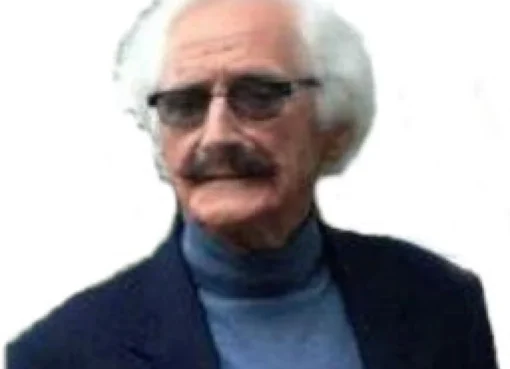
The author’s personal reflections are punctuated by a poignant encounter in a local coffee house. Striking up a conversation with an elderly gentleman, the author was met with a stark articulation of resignation. At 75, the man expressed a profound cessation of engagement with his daily existence. He saw no point in dwelling on past events, viewing himself simply as "an old man" coasting towards his end. His opinions had dwindled, his curiosity seemingly extinguished. This conversation, while brief, served as a potent illustration of the very phenomenon the author was contemplating: the tendency to retreat from life and the subsequent erosion of the will to actively participate.
The Futility of Argument and the Persistence of the Quest
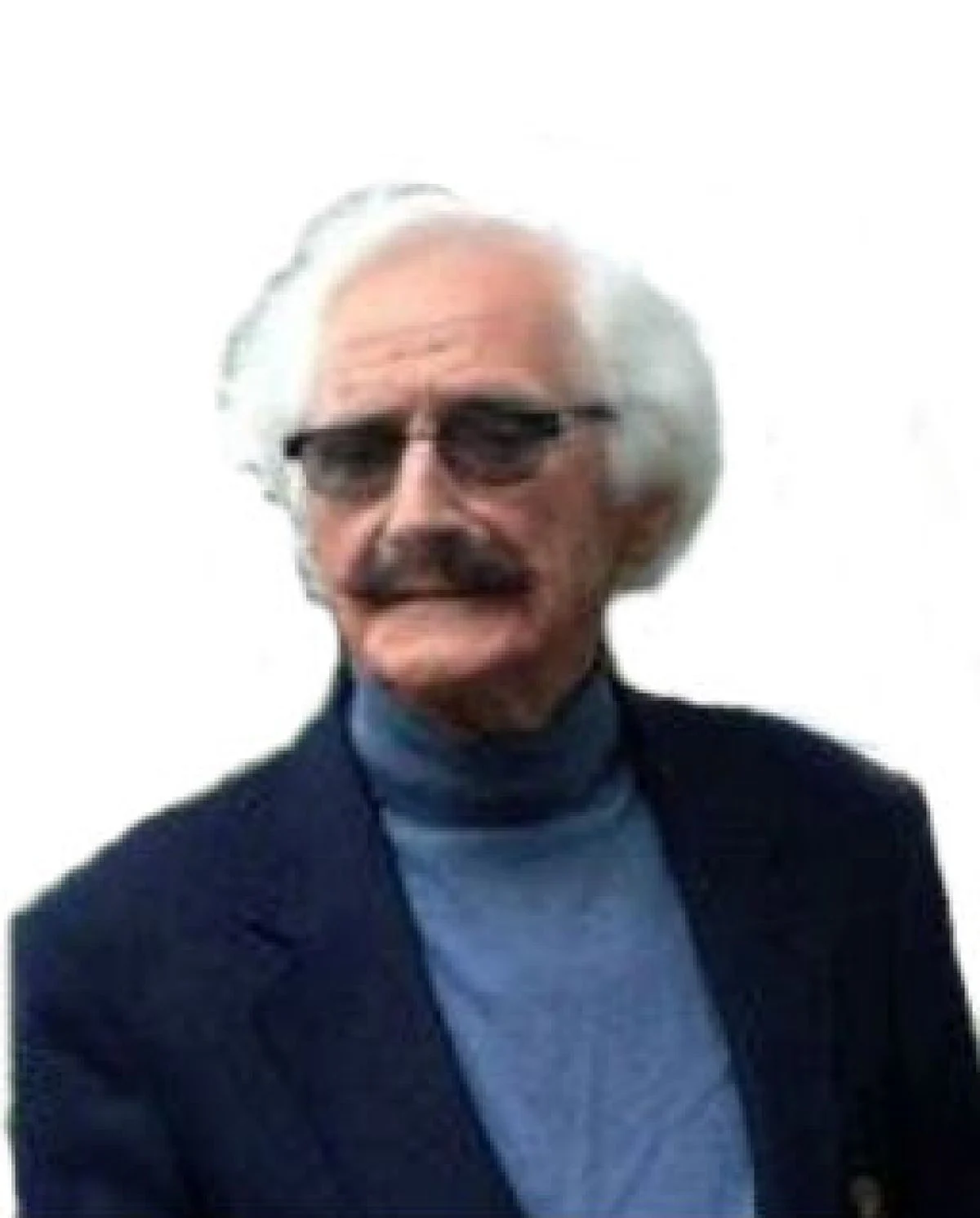
In such moments, the author recognized the futility of argument or detailed discussion. The elderly gentleman’s mindset, deeply entrenched in a passive acceptance of his age, offered little fertile ground for debate. The author, however, carried a different perspective, one forged through personal experience. At the remarkable age of 94, the author continues to embrace a life of active inquiry, posing the fundamental questions of existence: "Why and wherefore, to what end?" This relentless pursuit of understanding, this unyielding curiosity, is not merely an intellectual exercise; it is a driving force that propels both the mind and body.
The author’s own commitment to an active life, avoiding the "armchair" of passive retirement, has led to an intensification of this mental quest. The physical body, pushed to remain active, becomes an ally in this ongoing exploration. This is not about defying age, but about embracing it with a spirit of continuous engagement. The result, the author asserts, is a continuous psychological "growing up," a sustained development of consciousness that transcends chronological milestones. Reflecting on their own journey, the author notes that the questions of "why" and "wherefore" were indeed less frequent and less intense at 75 than they are now, at 94, underscoring the power of sustained mental and physical activity in fostering lifelong growth.
Wisdom Through the Ages: Plato and Oscar Wilde
To further illuminate this nuanced perspective on aging, two profound quotations, separated by millennia, offer contrasting yet complementary insights.
Plato, the ancient Greek philosopher, offered a view of old age characterized by a "great sense of calm and freedom." He posited that when the "passions have relaxed their hold," individuals escape "not from one master, but from many." This perspective suggests that aging can bring a liberation from the often turbulent demands of desire and ambition, leading to a state of serene detachment and inner peace. It highlights the potential for a more profound understanding and acceptance of life’s inherent nature, unburdened by the urgent demands of youthful pursuits.
In stark contrast, Oscar Wilde, the celebrated Irish playwright and wit, presented a more paradoxical and perhaps poignant observation: "The tragedy of old age is not that one is old, but that one is young." Wilde’s sentiment speaks to the potential for a disconnect between one’s chronological age and one’s inner spirit. It suggests that the true tragedy lies not in the physical manifestations of aging, but in the internal struggle of a vibrant, youthful consciousness trapped within a body that is perceived to be declining, or a mind that has ceased to engage with the world. This quote implicitly critiques the societal tendency to view old age as an endpoint, rather than a continuation of the human journey. It hints at the wasted potential when a "young" spirit is confined by a passive or withdrawn existence.
The Interplay of Mind and Body: A Synergistic Approach to Aging
The insights gleaned from the coffee house encounter, the author’s personal testament, and the wisdom of Plato and Wilde all converge on a central theme: the profound and symbiotic relationship between our physical and mental states as we age. The adage, "Keep the Body in Motion, and the Mind in Action," is not merely a suggestion; it is a fundamental principle for cultivating a fulfilling and meaningful later life.
H3: The Physical Imperative: Maintaining Bodily Vitality
The physical aspect of aging cannot be ignored. As our bodies naturally undergo changes, maintaining a degree of physical activity becomes crucial. This does not necessarily imply strenuous athletic endeavors. Rather, it refers to engaging in regular, consistent movement that promotes cardiovascular health, strengthens muscles and bones, and enhances flexibility and balance. Activities such as walking, swimming, yoga, or gentle resistance training can significantly contribute to overall well-being.
- Cardiovascular Health: Regular aerobic exercise improves circulation, reduces the risk of heart disease and stroke, and enhances cognitive function.
- Musculoskeletal Strength: Maintaining muscle mass and bone density helps prevent falls, reduces the risk of osteoporosis, and improves mobility and independence.
- Flexibility and Balance: Exercises that focus on flexibility and balance are essential for preventing injuries and maintaining the ability to perform daily tasks with ease.
- Mental Well-being: Physical activity is a powerful mood enhancer, releasing endorphins that combat stress, anxiety, and depression.
The sedentary lifestyle that many adopt in later years, often out of perceived necessity or a lack of motivation, creates a vicious cycle. Reduced physical activity leads to decreased energy levels, which in turn further discourages movement. Breaking this cycle requires a conscious and deliberate effort to integrate physical activity into one’s daily routine.
H3: The Mental Mandate: Cultivating Cognitive Engagement
Equally vital is the imperative to keep the mind in action. Just as muscles atrophy without use, the cognitive faculties can diminish if left unchallenged. The tendency to withdraw psychologically, to cease engaging with new ideas and perspectives, is a significant threat to mental vitality.
- Lifelong Learning: Embracing a mindset of lifelong learning is paramount. This can involve pursuing new hobbies, learning a new language, taking courses, or engaging with complex literature and art.
- Problem-Solving and Critical Thinking: Actively engaging in activities that require problem-solving and critical thinking, such as puzzles, strategy games, or even engaging in thoughtful debates, keeps the brain sharp.
- Social Interaction: Meaningful social connections are a powerful stimulus for the mind. Engaging in conversations, participating in group activities, and maintaining relationships fosters cognitive engagement and emotional well-being.
- Novelty and Challenge: Stepping outside of one’s comfort zone and embracing new experiences, even small ones, can significantly invigorate the mind. This could be as simple as taking a different route to the grocery store or trying a new recipe.
The psychological withdrawal observed in some aging individuals often stems from a fear of failure or a perceived lack of capacity to adapt. However, the brain is remarkably plastic, capable of forming new neural connections throughout life. Embracing challenges, rather than avoiding them, is key to unlocking this potential.
The Psychological Impact: Embracing Change and Maintaining Purpose
The psychological implications of embracing an active and engaged life in later years are profound. It fosters a sense of purpose and meaning, counteracting the feelings of obsolescence or irrelevance that can plague some older adults.
- Sense of Purpose: Continued engagement in activities that are meaningful and contribute to others provides a strong sense of purpose, which is a cornerstone of psychological well-being.
- Resilience: An active mind and body are more resilient to the inevitable challenges and setbacks that come with aging.
- Emotional Regulation: Staying mentally and physically active can improve emotional regulation, leading to greater stability and a more positive outlook.
- Self-Efficacy: Successfully navigating new challenges and maintaining independence fosters a sense of self-efficacy, the belief in one’s own ability to succeed.
The choice to continue "growing up" – to remain curious, adaptable, and engaged – transforms the experience of aging from a period of decline into a phase of continued growth and fulfillment. It shifts the focus from what is being lost to what can still be gained.
Conclusion: The Continuum of Consciousness
The journey of human life is not a linear progression from birth to death, but a continuous unfolding of consciousness. Growing up and growing old are not mutually exclusive states, but rather integral parts of this ongoing process. While the physical and psychological changes associated with aging are undeniable, the manner in which we navigate these changes is largely within our control. By embracing the wisdom of keeping "the Body in Motion, and the Mind in Action," we can transcend the potential pitfalls of passive resignation and instead embark on a path of sustained growth, engagement, and profound fulfillment. The lessons from Plato and Wilde, though seemingly disparate, ultimately underscore the same truth: that the vitality of our later years is not solely determined by the passage of time, but by the enduring quest of the human spirit to learn, to feel, and to understand, regardless of age. The author’s own remarkable journey to 94, fueled by an unyielding curiosity and a commitment to an active life, serves as a powerful testament to the enduring potential for human growth and the profound richness that can be found in continuing to "grow up" throughout life’s entire span.