The Autonomous Cell Site: How Vodafone is Integrating Physical AI into Mobile Infrastructure
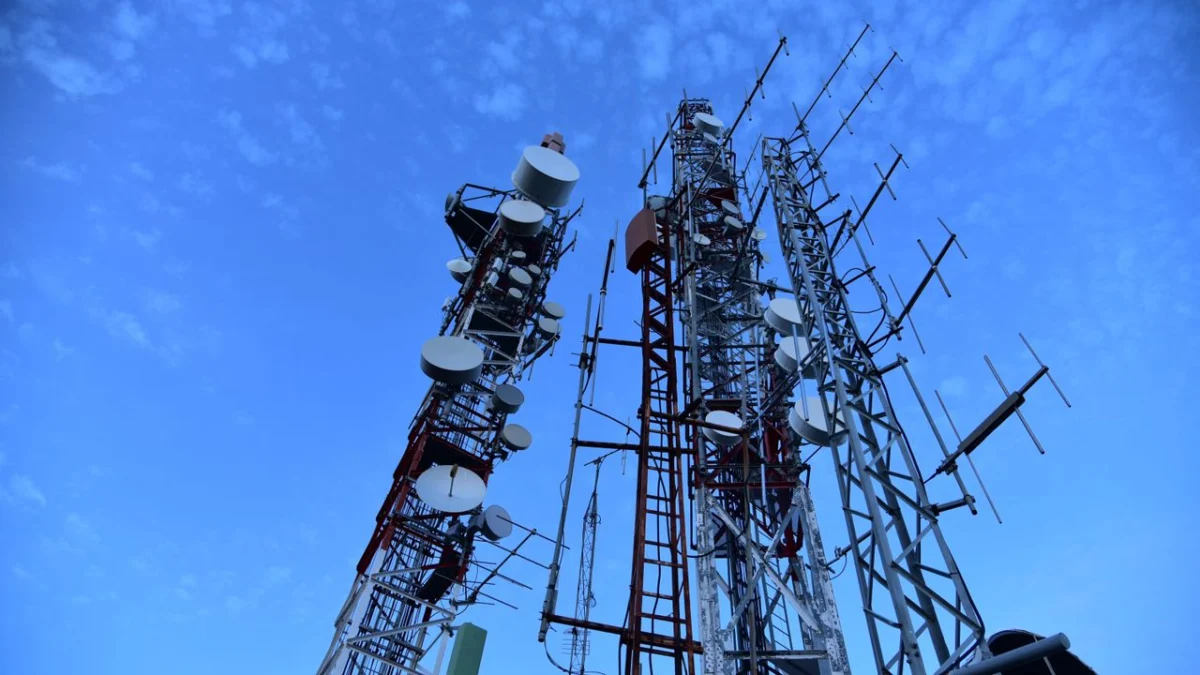
In the rapidly evolving landscape of telecommunications, the integration of Artificial Intelligence (AI) has largely been confined to the digital realm—optimizing data routing, predicting maintenance needs, and managing spectrum efficiency through software. However, a groundbreaking pilot program by Vodafone is bringing AI into the physical world. By equipping mobile masts with robotic arms and sophisticated machine-learning algorithms, the telecommunications giant is transforming static infrastructure into dynamic, "living" components of a self-organizing network.
This initiative represents a significant leap toward the "Zero-Touch" network vision, where human intervention is minimized, and hardware adapts in real-time to the shifting demands of urban environments. Currently being tested in Tirana, Albania, the system promises to slash the time required for network optimization from weeks to minutes, while simultaneously improving energy efficiency and signal quality.
1. Main Facts: The Fusion of Robotics and Connectivity
The core of Vodafone’s trial is a specialized mobile mast that blends three distinct technologies: high-frequency 4G/5G antennas, a proprietary AI-driven analysis engine, and a precision robotic arm developed in partnership with South Korean equipment supplier Humax Networks.
Key Components of the Trial:
- The Robotic Arm: Unlike traditional masts where antennas are bolted into a fixed position, this system utilizes a mechanized arm capable of rotating and tilting the antenna assembly across multiple axes.
- The AI Algorithm: Developed internally by Vodafone’s engineering team, the algorithm serves as the "brain" of the operation. It constantly ingests data regarding network traffic, signal interference, and even environmental conditions.
- Real-Time Optimization: The system is designed to respond to "micro-shifts" in demand. For example, if a sudden crowd gathers in a public square or if weather conditions degrade signal propagation, the mast can physically reposition itself to maintain optimal service levels.
The trial is currently situated at a strategic site overlooking a major shopping center in Tirana. This location was chosen specifically for its volatile traffic patterns—heavy retail usage during the day and a shift toward residential demand in the evening—providing a perfect laboratory for testing autonomous physical adjustments.
2. Chronology: From Manual Labor to Algorithmic Autonomy
To understand the magnitude of this shift, one must look at the traditional timeline for antenna reconfiguration, which has remained largely unchanged for decades.
The Traditional Workflow (Days to Weeks):
- Data Collection: Network engineers identify a "dead zone" or a capacity bottleneck through performance reports.
- Planning and Simulation: Engineers use software to determine the ideal tilt and azimuth for the antenna.
- Logistics and Permitting: Adjusting a mast often requires local government permits, especially if the site is on a public building or requires a crane.
- Physical Intervention: A crew of engineers must be dispatched. This often involves road closures, the hiring of heavy lifting equipment, and technicians climbing the mast to manually loosen bolts and reposition the hardware.
- Validation: After the move, the team must verify that the adjustment didn’t create new interference elsewhere.
The Vodafone AI Workflow (20 to 30 Minutes):
- Autonomous Detection: The internal AI identifies a shift in consumer movement or a drop in signal quality in a specific sector.
- Decision Making: The algorithm calculates the precise coordinates needed to resolve the issue while maintaining energy efficiency.
- Physical Execution: The Humax robotic arm receives the command and rotates the antenna into the new position.
- Completion: The entire process, from detection to physical adjustment, is completed in under half an hour without a single human stepping onto the site.
3. Supporting Data: Efficiency, Weather, and Traffic Patterns
The impetus for this technology is rooted in the inherent limitations of radio frequency (RF) propagation, particularly in the 5G era. 5G signals, while capable of high speeds, operate at higher frequencies that are more susceptible to physical obstructions and atmospheric conditions.
Environmental Adaptation
Vodafone’s AI doesn’t just look at how many people are using their phones; it looks at the environment.
- Atmospheric Conditions: During clear weather, signals travel more predictably. The AI can tilt antennas to push signals further outdoors to cover parks or streets.
- Inclement Weather: When heavy rain or fog occurs—conditions known to attenuate high-frequency signals—the AI can redirect the antenna to prioritize indoor penetration, ensuring that users inside buildings maintain a stable connection despite the "signal wash" caused by the weather.
Energy Consumption and Sustainability
One of the most critical metrics in modern telecoms is the "energy-per-bit." Static antennas often waste energy by broadcasting into areas where there is no demand (e.g., a business district at 3:00 AM).
- Dynamic Power Allocation: By physically pointing the antenna where the users are, the mast can provide higher throughput with lower power output.
- Reduced Carbon Footprint: By eliminating the need for engineer "truck rolls"—dispatching diesel-powered vans and cranes to sites—Vodafone significantly reduces the operational carbon footprint associated with network maintenance.
4. Official Responses: The Vision of "Physical AI"
Francisco Pignatelli, Vodafone’s Director of Mobile Access Engineering, has been a vocal proponent of moving beyond software-only solutions. In his view, the Tirana trial is a proof-of-concept for the next generation of infrastructure.
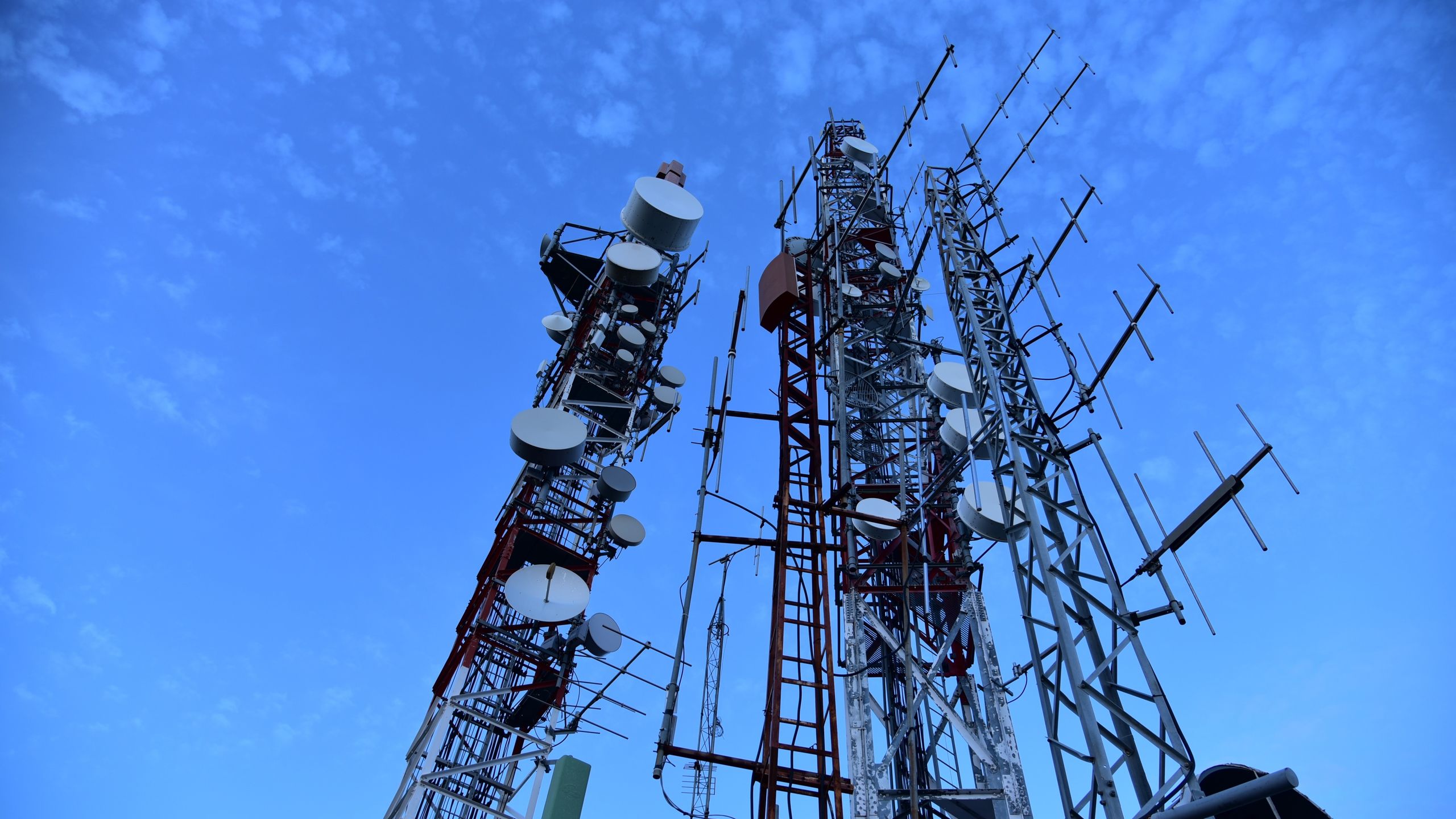
“By analyzing network demand and making autonomous decisions, the AI algorithm can adjust radio antennas to optimize coverage and capacity without human intervention,” Pignatelli stated. He emphasized that this is an early and tangible example of "Physical AI"—the marriage of computer vision/analytics with mechanical robotics.
According to Pignatelli, the goal is not just to fix problems faster, but to create a network that is "anticipatory." The self-organizing algorithms are designed to recognize patterns. If the AI knows that a specific shopping center sees a 300% spike in traffic every Saturday at 2:00 PM, it can begin repositioning the antennas at 1:45 PM, ensuring the capacity is already there before the first consumer experiences a slowdown.
5. Implications: The Future of Self-Adapting Networks
While the robotic arm trial is a feat of engineering, it also serves as a bridge to an even more sophisticated future. Vodafone has signaled that the next phase of this evolution may not involve moving the "shell" of the antenna at all.
The Shift to Internal Adjustments
Vodafone anticipates that within the coming months, technologies capable of adjusting internal antenna components will reach the market. This would involve:
- Electronic Beamforming: Using Phased Array technology to steer the signal digitally rather than moving the physical housing.
- Internal Mechanical Tilting: Small motors inside the antenna radome that adjust the "dipoles" (the actual signal-emitting elements) rather than moving the entire 50kg antenna assembly.
The move toward internal adjustments would be even more energy-efficient, as it requires moving less mass and faces less wind resistance. However, the current robotic arm trial remains vital because it offers a degree of "macro" movement (wide-angle rotation) that internal electronic steering cannot yet replicate with the same level of precision and range.
Industry-Wide Impact
If successful, the implications for the broader telecommunications industry are profound:
- Urban Planning: Cities could become "smarter" as masts adapt to parades, marathons, or emergency situations (like redirecting all signal to a disaster site) in real-time.
- Cost Reduction: For mobile network operators (MNOs), the reduction in "OpEx" (Operating Expenditure) from fewer manual site visits could save millions of dollars annually.
- The End of the "Dead Zone": As antennas become more agile, the concept of a permanent "dead zone" in a city may become a thing of the past, as nearby masts simply "reach out" to fill the gap.
Technical Challenges and Unanswered Questions
Despite the optimism, several technical hurdles remain. Vodafone has yet to detail how the system handles mechanical wear and tear on robotic arms exposed to the elements (salt air, extreme heat, ice). Furthermore, there is the "Open Technical Question" of whether internal component adjustment can truly match the physical leverage provided by a robotic arm.
For now, the trial in Tirana stands as a beacon of what is possible when AI is given "hands" to match its "mind." As Vodafone continues to monitor the movements of consumers around the Albanian capital, they are not just optimizing a local mast; they are drafting the blueprint for the autonomous, self-healing networks of the next decade.