"The Year’s Best Horror Stories XV": A Glimpse into the 1986 Horror Landscape Through Karl Edward Wagner’s Masterful Eye
New York, NY – In the annals of horror literature, the "Year’s Best Horror Stories" series, published by DAW Books, stands as a crucial chronicle of the genre’s evolution. Among its many distinguished volumes, The Year’s Best Horror Stories: Series XV, released in October 1987 and expertly curated by the late Karl Edward Wagner, offers a vivid snapshot of the chilling narratives that defined 1986. This fifteenth installment in the long-running series, and Wagner’s seventh at the helm, continues the tradition of spotlighting both established masters and burgeoning talents, cementing its place as an indispensable reference for horror aficionados and scholars alike.
The anthology, featuring a stark and memorable cover by the iconic Michael Whelan, compiled eighteen short stories from nineteen authors, showcasing a remarkable diversity in style, theme, and source material. From the deeply psychological to the overtly macabre, Wagner’s discerning editorial hand ensured that Series XV not only entertained but also provoked thought, capturing the zeitgeist of a vibrant period in horror fiction.
A Legacy of Fear: The Chronology of DAW’s "Year’s Best"
DAW Books, founded by Donald A. Wollheim in 1971, quickly established itself as a significant publisher in science fiction, fantasy, and horror. Its commitment to genre literature led to the creation of the "Year’s Best Horror Stories" series, which began in 1972 under the editorship of Richard Davis, followed by Gerald W. Page, and eventually, the formidable Karl Edward Wagner. These anthologies served a vital function: to annually collect and preserve the finest short horror fiction, ensuring that standout pieces from various publications – ranging from mainstream magazines to niche fanzines – would reach a broader audience and be archived for posterity.
Karl Edward Wagner’s Editorial Ascendancy
Karl Edward Wagner (1945-1994) was a titan in the horror and dark fantasy fields, renowned not only as a prolific author (best known for his Kane series) but also as a meticulous and passionate editor. Taking over the "Year’s Best Horror" series with Series VIII (1980), Wagner brought a unique sensibility, characterized by a deep appreciation for classic horror traditions, a keen eye for emerging talent, and a refusal to shy away from the darker, more visceral aspects of the genre. His tenure, which tragically ended with his passing, is widely considered a golden age for the series, elevating its critical standing and influence.
Series XV, published in 1987, specifically compiled stories from 1986. This period coincided with a robust and commercially successful era for horror fiction. The 1980s saw the rise of literary giants like Stephen King and Clive Barker, the proliferation of slasher films, and a general cultural fascination with the macabre. Wagner’s selections often reflected this blend of mainstream appeal and subversive edge, carefully balancing tales that explored psychological dread with those that embraced more explicit, shocking imagery. The Michael Whelan cover art for Series XV, depicting a chillingly realistic severed arm in a refrigerator’s meat drawer, is particularly indicative of the era’s willingness to confront the gruesome, hinting at the darker trends that were beginning to permeate horror narratives. This cover, the twelfth Whelan had contributed to the series, became an iconic image, instantly recognizable to fans and critics alike.
Dissecting the Anthology: Supporting Data and Diverse Voices
Wagner’s Series XV was a masterclass in curatorial excellence. It presented eighteen distinct narratives, authored by nineteen individuals (one story being a collaboration), drawn from an impressive array of publications. Eight stories originated from professional magazines, three from anthologies, two from author collections, three from fanzines, one from a chapbook, and one from a small-group booklet. This wide net demonstrated Wagner’s commitment to finding quality horror wherever it might emerge, regardless of its original platform.
Authorial Demographics and Global Reach
The authorial roster was predominantly male, with only two female contributors among the nineteen. Geographically, American authors made up the majority (thirteen), alongside five British writers and the German-born but American-based David J. Schow, a returning presence in the series. This demographic profile, while reflecting the broader publishing landscape of the mid-1980s, also highlighted Wagner’s focus on English-language horror from the dominant markets of the time. However, the inclusion of diverse sources, from Outlaw Biker to Fantasy Tales and Omni, underscored a rich tapestry of subgenres and narrative styles.
A Panoply of Approaches: Thematic Highlights
Wagner’s genius lay in his ability to select stories that, while all falling under the horror umbrella, explored vastly different facets of fear and the fantastic. The anthology successfully blended contributions from "heavy hitters" – names like Robert Bloch, Joe Lansdale, Ramsey Campbell, and Brian Lumley, who were already well-established pillars of the genre – with works from authors less familiar to a general audience, ensuring a fresh and engaging reading experience.
-
Blurring Genre Lines: Dark Fantasy and Speculative Horror
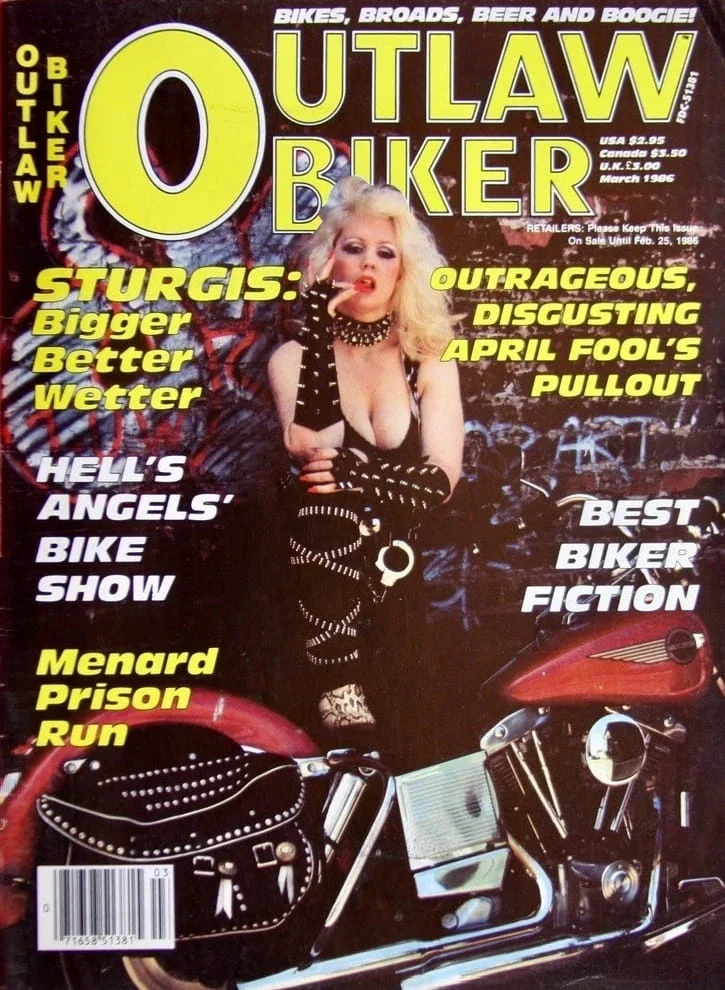
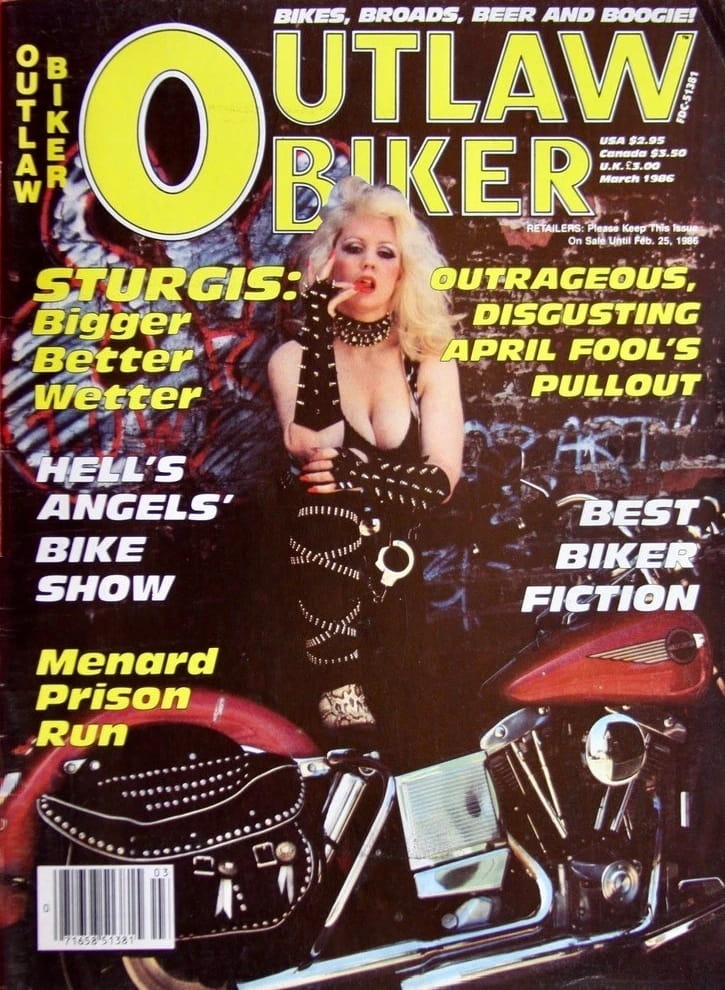
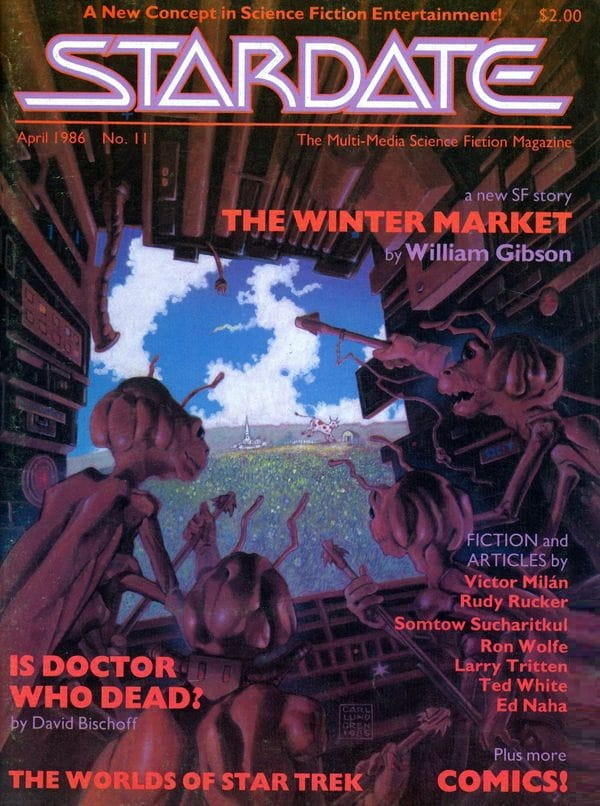
Several stories in Series XV transcended traditional horror boundaries, venturing into dark fantasy and speculative fiction. Ron Leming’s “Retirement,” first appearing in Outlaw Biker (March 1986), exemplified this fusion. It presented a whimsical yet profound scenario: the Angel of Death walking into a biker bar and offering his job to a mortal. More akin to the classic American folktale "The Devil and Daniel Webster" than a typical horror story, "Retirement" explored themes of destiny, choice, and the burden of ultimate power, wrapped in an unexpectedly charming package. Similarly, Ron Wolfe’s “The Man Who Did Tricks with Glass,” from Stardate (March-April 1986), delved into a world where mirrors possessed special, malevolent properties. This tale of a sadistic client and an expert mirror-maker, where the hired job horrifically backfired, leaned heavily into fantasy and even science fiction, showcasing the malleability of the horror genre. -
Psychological Depth and Emotional Resonance
Not all horror relies on overt monsters or gore; many of the most impactful stories burrow into the human psyche. Dennis Etchison’s “The Olympic Runner,” published in Fantasy Tales (Winter 1986), was lauded for its poignant exploration of a woman grappling with loss and a creeping sense of unreality, potentially teetering on the brink of sanity. It was less about jump scares and more about the quiet, insidious dread of personal unraveling. Jack Dann’s “Tattoos,” from Omni (November 1986), offered a deeply touching narrative about a Jewish tattoo artist who seemed to absorb the pain and heartache of his clients through his art. While not overtly terrifying, its emotional depth and exploration of human suffering resonated profoundly, demonstrating horror’s capacity for empathy and melancholic beauty. -
The Visceral and the Grotesque
For those seeking more tangible horrors, Series XV did not disappoint. John Alfred Taylor’s “Bird in a Wrought Iron Cage” stood out as the shortest story in the collection, yet left an indelible, creepy impression. Spanning just over three pages, it introduced an animated, severed hand housed in a cage, capable of predicting the future and, chillingly, people’s deaths. Inherited through generations, this macabre oracle became the source of the family’s wealth and existential dread. The story’s narrative, told from the perspective of a man burdened by this bizarre inheritance, highlighted the unsettling nature of its central conceit:"‘What are you?’ I would ask. ‘Where did my great-grandfather find you?’ The hand would pick up the pen, shuffle and slide across the page, and all it would leave would be HAHAHA or WOULDN’T YOU LIKE TO KNOW (p. 131)."
This blend of the fantastical with the grotesque provided a uniquely unsettling experience, proving that brevity can be incredibly potent in horror.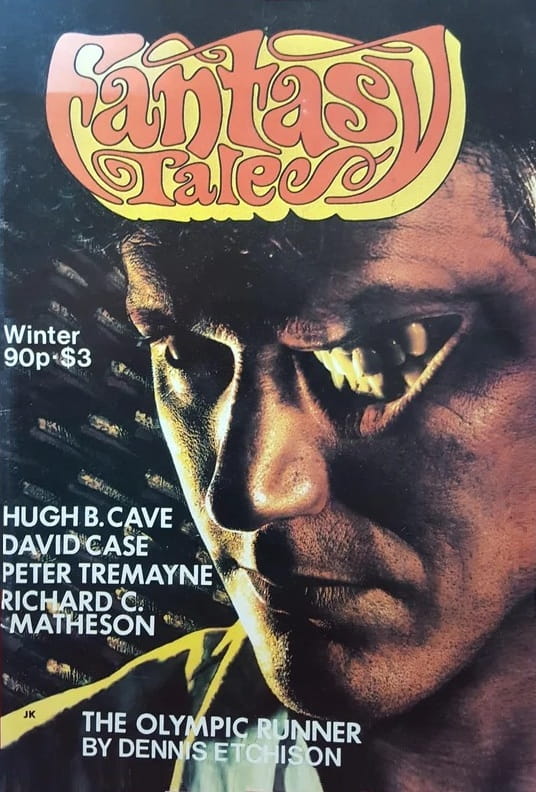
-
The Enduring Power of the Ghost Story: A Deep Dive into "Acquiring a Family"
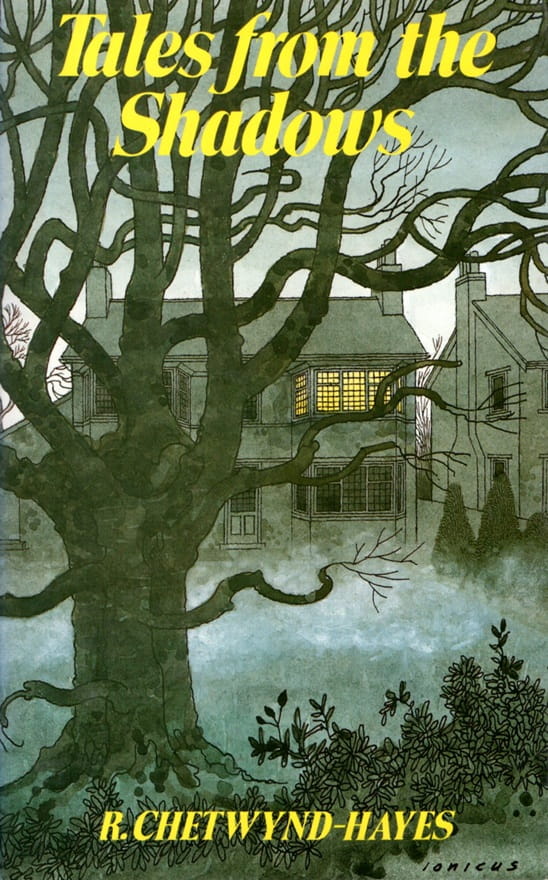
Perhaps the most enduring and unsettling story for many readers was R. Chetwynd-Hayes’ “Acquiring a Family,” originally from his collection Tales from the Shadows (1986). This tale exemplifies the subtle, lingering horror that Wagner championed. Initially appearing as a classic haunted house narrative, it slowly morphs into a profound psychological study of isolation and delusion. A lonely, middle-aged woman moves into an old Victorian mansion and begins to perceive ghostly children. What starts as a frightening experience gradually transforms into a desperate fantasy of adoptive motherhood. The ghostly encounters escalate in frequency and intensity, and the woman pledges her devotion to these phantom entities.The true horror, however, lies in the ambiguity and the woman’s slow, horrifying descent into madness and physical decay, observed by concerned locals. Is she truly haunted, or is her mind fabricating these spectral children as a coping mechanism for her profound loneliness? The story’s climax delivers a chilling, ambiguous punch, leaving the reader to question the reality of the supernatural events. The final paragraphs, after a parson attempts to intervene, are particularly gruesome and memorable:
"They came in through the sitting-room window, the one the Reverend Rodney had inadvertently left open. Tall burly men in blue uniforms., followed by a more slender one in a neat gray suit.
He was the only one to be actually sick. One of the others exclaimed: ‘Oh, my God!’ but generally speaking they were all fairly immune against being upset by the extremely unpleasant. Two made their way to the cellar steps, only to return a few minutes later, when the one with three white chevrons on his right arm, stated briefly:
‘The missing parson isn’t missing any more. At the bottom of the steps, what’s left of him. Oh, my Gawd! Look at them!’
Shouts that expressed horror, disgust and downright loathing, followed five bloated rats as they raced up the stairs (p. 300)."
This visceral, yet still ambiguous, ending reinforces the story’s power, allowing the horror to fester in the reader’s imagination long after the final page. It’s a testament to Chetwynd-Hayes’ skill and Wagner’s editorial judgment that such a story could be both deeply psychological and overtly disturbing.
Critical Acclaim and Enduring Influence: Official Responses and Implications
While specific contemporary reviews of The Year’s Best Horror Stories: Series XV are not provided, the consistent quality and longevity of Wagner’s contributions to the series speak volumes about its critical reception among genre enthusiasts and literary critics. Anthologies of this nature were crucial for the horror community, offering a curated tour of the year’s literary landscape and often serving as a definitive guide for readers seeking out the best new voices and works. Wagner’s selections were consistently praised for their discernment, balancing diverse styles and ensuring a high standard of literary merit.
The series, particularly under Wagner, played a significant role in shaping the horror canon of the 1980s. By bringing together stories from various sources – from prestigious genre magazines to obscure fanzines – these volumes acted as vital archives, preserving works that might otherwise have been lost or remained unknown to a wider audience. They provided an annual benchmark, allowing readers and scholars to track trends, identify emerging talents, and appreciate the genre’s breadth.
The Legacy of Karl Edward Wagner
The enduring implication of The Year’s Best Horror Stories: Series XV and the series as a whole lies in its testament to Karl Edward Wagner’s profound impact on horror literature. His editorial philosophy, characterized by a commitment to quality, thematic diversity, and a fearless exploration of the genre’s darkest corners, left an indelible mark. Wagner’s untimely death in 1994 cut short a brilliant career, but his legacy as both a masterful writer and an incomparable editor continues to influence the horror landscape. His "Year’s Best" anthologies remain essential reading for anyone wishing to understand the evolution of horror fiction, serving as time capsules that vividly capture the fears, fascinations, and literary innovations of their respective eras. Series XV is a shining example of this legacy, a strong volume that continues to resonate decades after its initial publication.