Ringwyrm: A Retro-Futuristic Survival Horror Emerges from the Shadows
Developer Scumhead Unveils Ambitious Title Blending Boomer Shooter Action with Unconventional Survival Mechanics and a Unique Fictional Lore.
In an era increasingly saturated with polished, predictable gaming experiences, a new title is emerging from the digital ether that promises to inject a dose of raw, unadulterated edginess into the survival horror genre. Ringwyrm, the latest offering from independent developer Scumhead, the minds behind the critically acclaimed Mohrta, is poised to carve out its own distinct niche. Drawing inspiration from the bold, often provocative marketing of the late 90s and early 2000s, Ringwyrm is not just a game; it’s a statement, a deliberate throwback to an era where games dared to be different, to be uncomfortable, and to linger in the player’s mind long after the credits rolled.
While the initial question posed by the game’s provocative marketing – "Would you love me even if I was a ringwyrm?" – may evoke a sense of nostalgic, perhaps even slightly unsettling, B-movie charm, it serves as a fitting, albeit unconventional, introduction to the world Scumhead has meticulously crafted. This is a game that revels in its distinct aesthetic, a potent cocktail of fantastical elements interwoven with a subtly disquieting, lightly Soviet-inspired flavor. This unique blend, viewed through what appears to be a deliberately grimy and weathered visual filter, immediately sets Ringwyrm apart from its contemporaries.
The Genesis of Ringwyrm: A Developer’s Vision
Scumhead has already established a reputation for pushing boundaries with their previous title, Mohrta. As described by RPS’s Nic, Mohrta masterfully fused the expansive world-building of Morrowind with the visceral combat of Doom, creating a "lysergic FPS" that was both familiar and startlingly original. Ringwyrm appears to build upon this foundation, leaning more heavily into the "boomer shooter" sensibilities, characterized by fast-paced, often chaotic combat, while retaining the developer’s signature penchant for intricate world design and a palpable atmosphere.
The developer’s choice to embrace an "edginess" that characterized a bygone era of video game marketing is a deliberate one. In a landscape where branding often prioritizes broad appeal and a sanitized image, Scumhead seems to be intentionally courting a more discerning audience, one that appreciates a game that doesn’t shy away from the darker, more unconventional aspects of its presentation. This approach, while potentially alienating to some, is precisely what will likely resonate with a significant segment of the gaming community yearning for experiences that dare to be different.
The game’s narrative is rooted in a richly detailed fictional history. Set sixteen years after the devastating Iron War, where the nation of Schovekia was defeated, the newly formed nation of Nordin-Gotts discovers a chilling truth: remnants of the defeated Schovek have established a new society on a remote northern island known as the Umbral Isle. Here, they have unearthed "Milk," a mysterious and arcane element that has rapidly and profoundly transformed their civilization. Players will step into the shoes of Edna Gotts, a war orphan who, along with her sisters, finds herself conscripted into a military operation destined for the Umbral Isle. This compelling premise, steeped in conflict and the allure of the unknown, provides a potent narrative hook for players to unravel.
Gameplay Mechanics: A Strategic Tightrope Walk
One of the most intriguing aspects of Ringwyrm lies in its innovative approach to survival horror mechanics. While the trailer offers glimpses of intense action, the Steam page reveals a system that demands careful consideration and strategic execution. The core of this mechanic revolves around a trade-off between mobility and offensive capability: players must stand still to accurately aim their weapon, but in doing so, they become vulnerable to enemy advances. Conversely, the ability to quickly evade threats means sacrificing the precision required for effective targeting.
This gameplay loop is reminiscent of classic survival horror titles, where resource management and tactical positioning were paramount. However, the first-person perspective of Ringwyrm amplifies the stakes, making these decisions feel more immediate and personal. The psychological tension inherent in such a system is palpable; players will constantly be weighing the risk versus reward of engaging enemies, making every encounter a potential life-or-death scenario. This deliberate design choice is a clear nod to the genre’s roots, offering a refreshing challenge in an era where many games default to more forgiving mechanics.
The developer’s commitment to a non-linear, interconnected world design further adds to the strategic depth. This approach encourages exploration and allows players to approach objectives in a manner that best suits their playstyle. Discovering hidden paths, understanding enemy patrol routes, and utilizing the environment to their advantage will be crucial for survival. The architectural design of the world, as hinted at in early previews, appears to be a significant element, likely providing both visual interest and tactical opportunities.
Visuals and Atmosphere: A World Bathed in Grime and Shadow
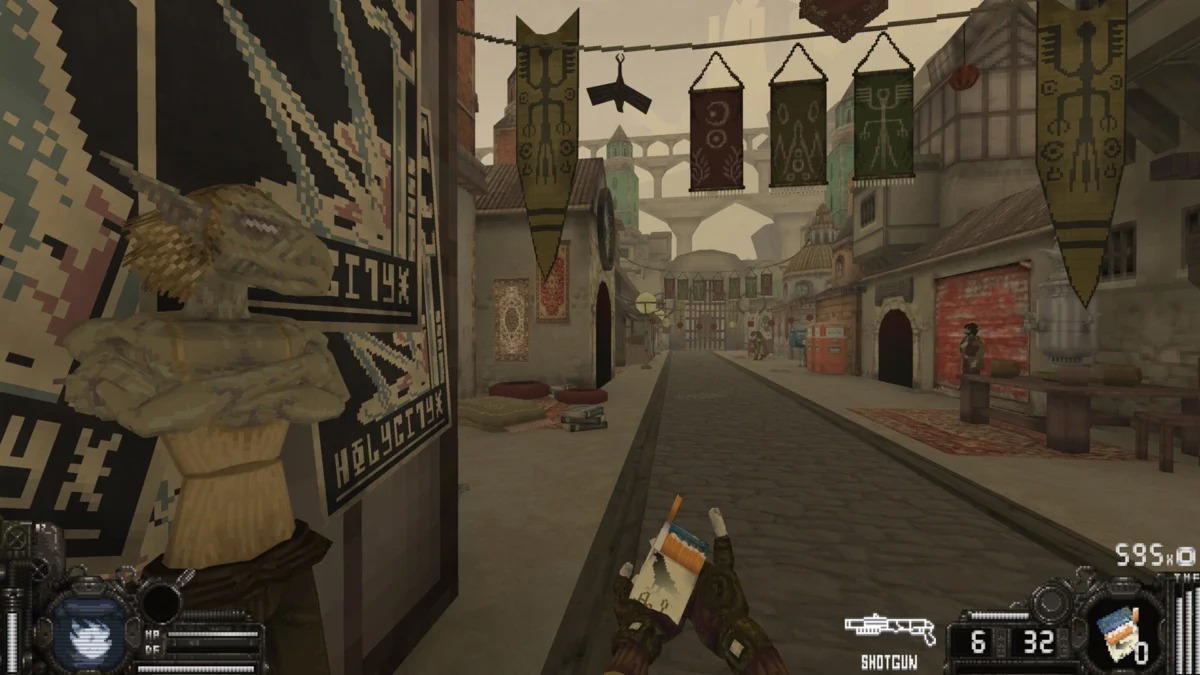
The visual presentation of Ringwyrm is as distinctive as its gameplay. The game eschews the hyper-realism that has become commonplace, opting instead for a stylized aesthetic that blends fantastical elements with a gritty, almost dystopian undercurrent. The "murky, dirty ragcloth covered lens" mentioned in initial descriptions is not merely a visual gimmick; it serves to immerse the player in a world that feels lived-in, weathered, and perhaps even decaying. This deliberate aesthetic choice contributes significantly to the game’s oppressive atmosphere, amplifying the sense of dread and isolation that are hallmarks of the survival horror genre.
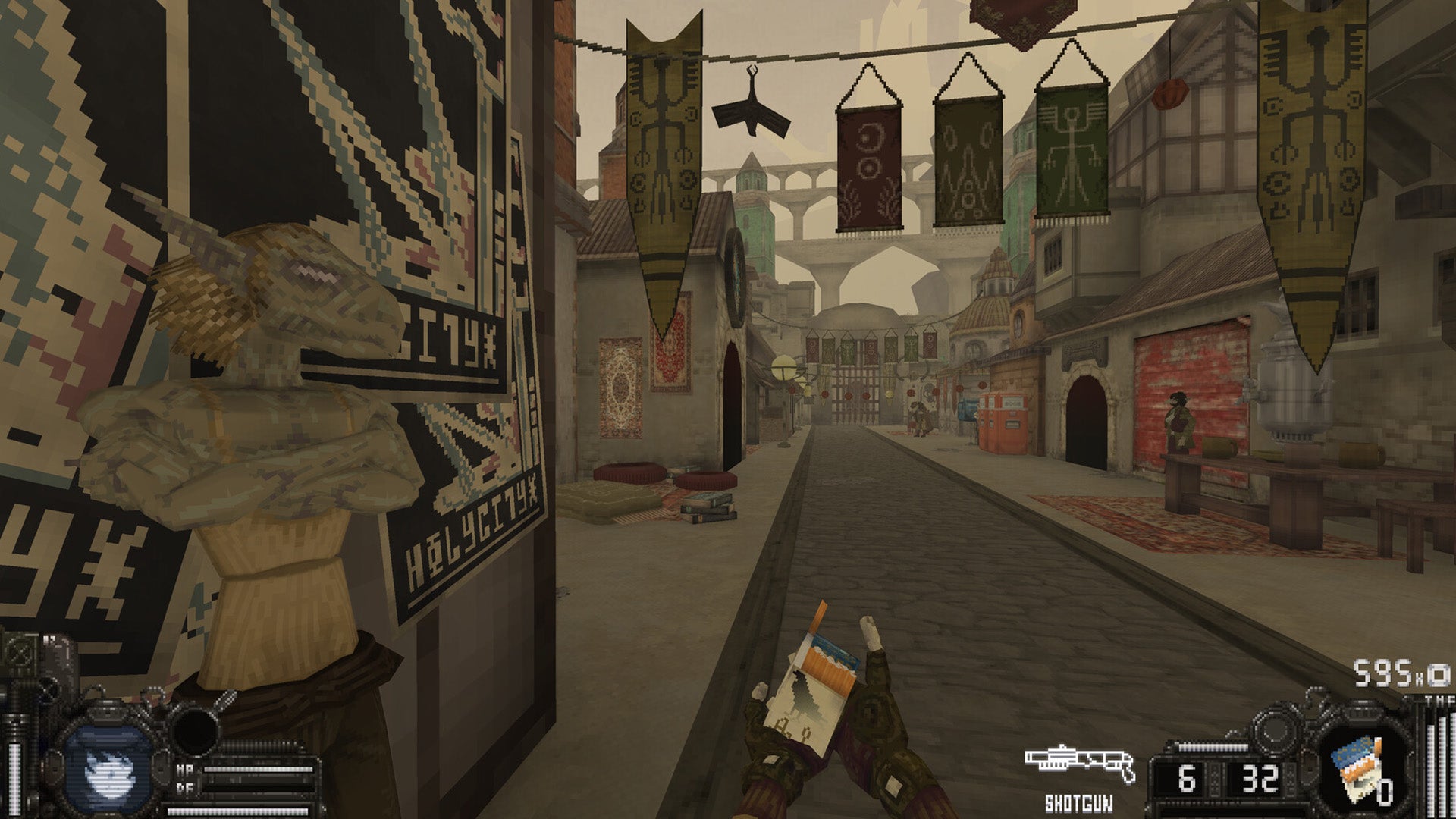
The character designs, as glimpsed in the promotional materials, further enhance this unique blend. The humanoid goblin-esque creature leaning against a wall in a fantasy city, depicted in the accompanying image, hints at a world populated by diverse and intriguing inhabitants, each contributing to the overall tapestry of Ringwyrm‘s fictional universe. The juxtaposition of fantastical creatures with what appears to be a somewhat grounded, albeit stylized, environment creates a fascinating visual paradox that is both captivating and unsettling.
The integration of the teaser trailer provides a crucial visual and auditory component to understanding Ringwyrm‘s intended experience. The short clip offers a dynamic glimpse into the game’s action-oriented combat, showcasing swift movements, explosive weaponry, and the palpable tension of close-quarters engagements. The audio design, often overlooked but critical to immersion, likely plays a significant role in building the game’s terrifying atmosphere, with sound cues and ambient noises contributing to the player’s sense of unease and vulnerability.
Chronology of Development and Anticipation
While a precise timeline of Ringwyrm‘s development is not publicly detailed, its emergence from Scumhead, a studio known for its meticulous craftsmanship, suggests a project that has been nurtured with care and attention to detail. The reveal of the game, accompanied by a teaser trailer and a Steam page, marks a significant milestone in its journey from concept to release.
- Early Development: Scumhead, having garnered acclaim for Mohrta, likely began conceptualizing Ringwyrm shortly thereafter, focusing on refining its unique blend of boomer shooter mechanics and survival horror elements.
- Aesthetic and Lore Development: The creation of the game’s distinctive visual style and the intricate narrative surrounding the Iron War, the Umbral Isle, and the mysterious "Milk" would have been a core focus during this phase.
- Gameplay Mechanics Refinement: The development team would have dedicated considerable effort to perfecting the unique aiming-and-movement system, ensuring it provides a challenging yet rewarding experience.
- Reveal and Public Awareness: The recent unveiling of Ringwyrm, including the teaser trailer and Steam store page, signifies the game’s transition into the public eye, allowing players to wishlist the title and build anticipation.
- Future Development and Release: With a target release window of "sometime in 2027," Scumhead has ample time to further polish the game, incorporate player feedback, and ensure Ringwyrm lives up to its ambitious promise.
Supporting Data and Precedent
The success of games that embrace unconventional mechanics and a distinct aesthetic provides a strong precedent for Ringwyrm‘s potential. Titles like Amnesia: The Dark Descent, which limited player combat capabilities to enhance horror, and Doom (2016) and Doom Eternal, which revitalized the boomer shooter genre with modern sensibilities, demonstrate that players are receptive to varied gameplay loops. Furthermore, games that deliberately evoke a retro or niche aesthetic, such as Cuphead or Bloodborne, have found dedicated audiences who appreciate their unique artistic visions.
Scumhead’s previous work on Mohrta serves as direct supporting data. Its positive reception, particularly its innovative fusion of genres, indicates a developer capable of executing ambitious and original concepts. The "Morrowind meets Doom" description for Mohrta highlights Scumhead’s ability to blend seemingly disparate elements into a cohesive and engaging experience, a skill that is undoubtedly being leveraged in the development of Ringwyrm.
The commitment to a first-person perspective, coupled with the innovative survival mechanics, places Ringwyrm in a lineage of games that prioritize player immersion and strategic depth. The deliberate design choice to separate aiming and movement, while seemingly restrictive, is a proven method for heightening tension and forcing players to think critically about their actions. This echoes the design philosophies of early survival horror titles that understood the power of vulnerability in generating fear.
Official Responses and Developer Insights
While direct official responses from Scumhead regarding Ringwyrm are limited to the information presented on its Steam page and in promotional materials, their design choices speak volumes. The developer’s embrace of a more "edgy" marketing style, reminiscent of the late 90s and early 2000s, suggests a conscious effort to differentiate themselves from the mainstream. This isn’t about shock value for its own sake, but rather about cultivating a specific tone and attracting players who appreciate a more mature and unconventional approach to game design.
The narrative details provided on the Steam page offer a glimpse into the developer’s commitment to crafting a compelling lore. The detailed backstory of the Iron War, the Umbral Isle, and the enigmatic "Milk" element suggests a world with a rich history waiting to be uncovered. This level of detail indicates a developer that is not merely interested in creating a gameplay loop but in building a fully realized fictional universe.
The decision to implement the "stand still to aim, move to dodge" mechanic is a clear statement of intent regarding the game’s core gameplay loop. This is not a run-and-gun shooter; it’s a game that requires careful planning and tactical awareness. By prioritizing these elements, Scumhead is signaling their commitment to a challenging and rewarding survival horror experience.
Implications and Future Outlook
The implications of Ringwyrm‘s release, should it live up to its potential, are significant for the survival horror genre and the broader gaming landscape.
- Revitalization of "Edgy" Marketing: Scumhead’s embrace of a bolder, more provocative marketing style could inspire other developers to move beyond the safe and predictable, fostering a more diverse and interesting gaming culture.
- Innovation in Survival Mechanics: The unique aiming and movement system has the potential to influence future survival horror design, encouraging developers to explore more nuanced and strategic gameplay mechanics that prioritize player vulnerability and tactical decision-making.
- Appreciation for Niche Aesthetics: The game’s distinctive visual style, blending fantasy with Soviet undertones, underscores the growing appreciation for unique and unconventional art direction in games, demonstrating that visual polish isn’t always synonymous with widespread appeal.
- A Resurgence of Deliberate Challenge: In an era where accessibility is often prioritized, Ringwyrm‘s commitment to a challenging and unforgiving gameplay experience could signal a desire for more demanding titles that reward player skill and perseverance.
As Ringwyrm continues its development towards a 2027 release, the gaming community will be watching with keen interest. The developer’s track record, coupled with the ambitious and intriguing elements revealed thus far, suggests that Ringwyrm has the potential to be a standout title, a game that not only entertains but also challenges, provokes, and lingers in the memory long after the final encounter. It’s a bold statement from Scumhead, a declaration that even in the most crowded of genres, there is still room for innovation, for edginess, and for games that dare to ask, "Would you love me even if I was a ringwyrm?" The answer, for many, may well be a resounding yes.