Obsidian Entertainment Faces Class-Action Lawsuit Over Alleged Wage and Hour Violations
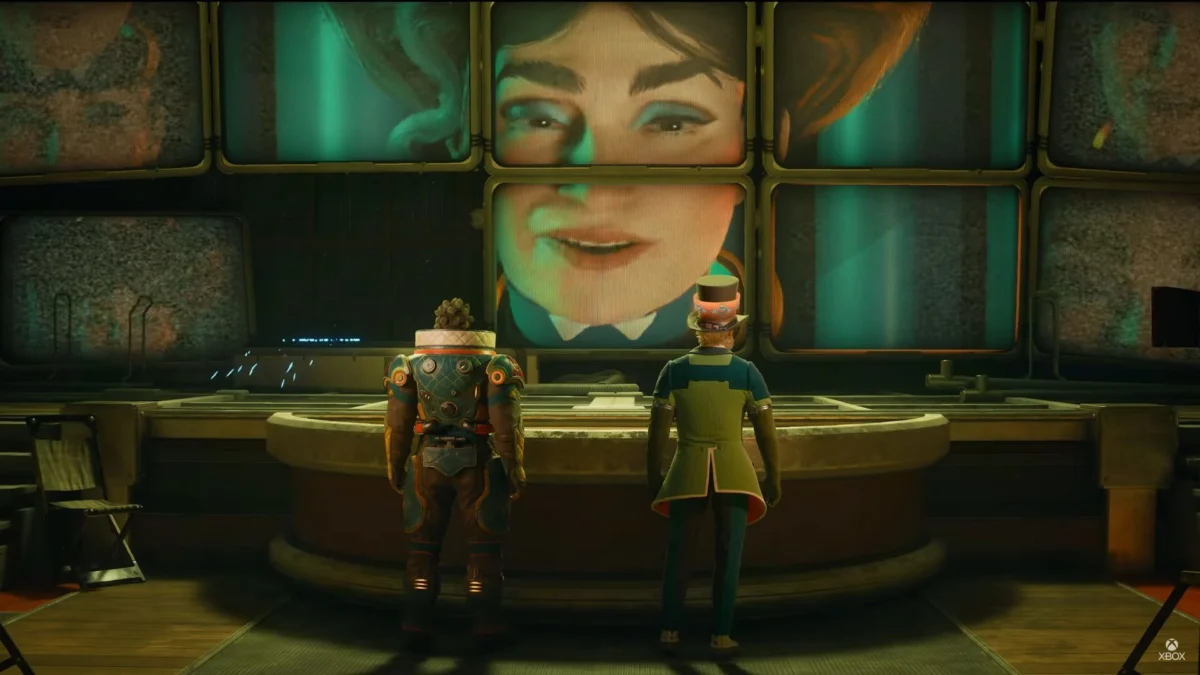
Prominent game developer, known for titles like The Outer Worlds 2 and Avowed, is accused of a systematic pattern of labor law breaches. The company has denied all allegations and seeks dismissal of the case.
In a development that has sent ripples through the gaming industry, Obsidian Entertainment, the acclaimed studio behind critically praised titles such as The Outer Worlds 2 and Avowed, is currently embroiled in a significant class-action lawsuit. The legal action, filed in California, accuses the company of engaging in a "systematic pattern of wage and hour violations." This serious charge has led to a formal denial from Obsidian and a complex legal battle that is still unfolding.
The lawsuit was initiated by plaintiff Victoria Turner, who lodged her complaint in the Superior Court of Orange County in the latter half of 2025. Turner’s allegations are far-reaching, pointing to a purported failure by Obsidian to adhere to fundamental labor laws. Specifically, the complaint details accusations of not paying minimum and overtime wages, and failing to provide essential lunch and rest breaks to its employees. In response to these serious claims, Obsidian Entertainment officially denied "each and every allegation" earlier this year in March, while simultaneously moving for the case to be dismissed.
The Genesis of the Lawsuit: Unearthing the Allegations
The existence of this high-stakes legal dispute was brought to light not through official press releases or major news outlets, but through diligent investigation by individuals within the online gaming community. A Reddit user, identified by the handle Macken_zee, claims to have stumbled upon the case while meticulously browsing the public records of the Superior Court of Orange County. While accessing detailed case documents on the court’s official website typically incurs a fee, a freely available summary of the proceedings thus far has provided crucial insights into the unfolding legal drama.
This discovery highlights the power of community vigilance and the accessibility of public records, even for those not directly involved in legal proceedings. The fact that such a significant lawsuit remained largely under the radar until its online discovery underscores the importance of independent journalistic inquiry and the role of online communities in disseminating information.
A Chronology of Legal Proceedings
The timeline of the lawsuit reveals a steady progression of legal filings and responses. According to the publicly available court records, Victoria Turner initially filed her complaint on September 10th, 2025. This was followed by an amended complaint, which likely elaborated on the initial accusations or introduced new details, submitted on January 12th of the current year.
Obsidian Entertainment, the defendant in this case, formally responded to the amended complaint in March. The most recent documented activity in the case, as of the available records, involved a payment of $1,435 made the day after Obsidian’s response. This payment was designated for an "answer or other 1st paper" and a "complex case fee." It remains unclear from the public listing which party made this particular payment, adding another layer of detail to the procedural complexities of the case.
Further investigation by dedicated members of the gaming community has connected Victoria Turner to the development of The Outer Worlds 2. A search of the game’s credits reveals a Victoria Turner listed in the capacity of QA Lead. This potential connection between the plaintiff and the studio’s operational roles lends a degree of specificity to the allegations, suggesting the claims might stem from direct personal experience within the company’s workforce.
Delving into the Specific Allegations
The core of the lawsuit lies in the specific accusations detailed in Victoria Turner’s amended complaint. This document, which has been made publicly accessible through the Internet Archive thanks to the efforts of Reddit users, lays bare the alleged systemic failures of Obsidian Entertainment. The complaint explicitly states: "Through this action, Plaintiff alleges that Defendants engaged in a systematic pattern of wage and hour violations under the California Labor Code and Industrial Welfare Commission (“IWCâ€) Wage Orders, all of which contribute to Defendants’ deliberate unfair competition."
While the original provided text does not explicitly list all the specific violations beyond the general categories, such complaints typically include detailed assertions regarding:
- Failure to Pay Minimum Wage: Allegations that employees were not compensated at the legally mandated minimum hourly rate for all hours worked, potentially due to inaccurate timekeeping or illegal deductions.
- Failure to Pay Overtime: Claims that employees who worked beyond the standard forty-hour workweek were not paid the legally required overtime rate, which is typically 1.5 times the regular hourly rate.
- Denial of Meal Breaks: Accusations that employees were not provided with uninterrupted thirty-minute meal breaks for shifts exceeding a certain duration (typically five hours), or that they were required to work through these breaks without compensation.
- Denial of Rest Breaks: Allegations that employees were not afforded paid rest breaks of ten minutes for every four hours worked, or were prevented from taking them.
- Off-the-Clock Work: Claims that employees were implicitly or explicitly encouraged or required to perform work-related tasks before clocking in or after clocking out, without receiving compensation for this time.
- Inaccurate Timekeeping: The lawsuit may also allege that the company’s timekeeping systems or practices were designed to misrepresent actual hours worked, thereby facilitating wage and hour violations.
- Retaliation: In some cases, employees who have raised concerns about wage and hour issues may also allege retaliation from their employer, though this specific claim is not detailed in the provided snippet.
These types of allegations, if proven true, represent significant breaches of labor law and can have substantial financial and reputational consequences for a company.
Obsidian’s Defense: A Blanket Denial and Assertions of 38 Defenses
Obsidian Entertainment, in its formal response filed in March, has adopted a firm stance against the accusations. The company has "generally and specifically, denied each and every allegation" made by Victoria Turner. This comprehensive denial indicates that Obsidian intends to contest the lawsuit vigorously, challenging the validity of each claim brought forth by the plaintiff.
Beyond a simple denial, Obsidian has also put forth an extensive list of 38 distinct defenses. While the specific nature of these defenses is not detailed in the provided information, this indicates a strategic and thorough legal preparation. Such defenses can range from procedural arguments (e.g., statute of limitations, improper venue) to substantive defenses (e.g., the plaintiff was an independent contractor, the alleged violations did not occur, the company complied with all applicable laws). The sheer number of defenses suggests that Obsidian is exploring multiple avenues to dismantle the plaintiff’s case.
The company’s ultimate request in their response is for the complaint to be "dismissed in its entirety with prejudice." A dismissal "with prejudice" means that the plaintiff is barred from bringing the same claims against the defendant again in the future, effectively ending the legal battle in Obsidian’s favor if granted.
The Broader Implications for Obsidian and the Gaming Industry
The current status of the proceedings remains somewhat opaque, with the most recent court record indicating only the payment of fees in March. There are no readily apparent hearing dates scheduled, nor any clear indication that the complaint has been dismissed. This leaves the future trajectory of the lawsuit uncertain.
However, this legal challenge arises at a particularly turbulent time for Obsidian Entertainment and its parent company, Microsoft. Microsoft has recently announced significant plans to "reset" its gaming business. This strategic overhaul has already led to the closure or potential spin-off of several studios, including Arkane Austin, Tango Gameworks, Alpha Dog Games, and Roundhouse Studios. The implications of this broader studio restructuring for Obsidian, while not explicitly linked to the lawsuit, create an atmosphere of uncertainty and potential instability within the company and its future projects.
The lawsuit itself carries significant implications. If the allegations are proven true, Obsidian could face substantial financial penalties, including back pay, damages, and legal fees. Beyond the financial repercussions, such a lawsuit can also severely damage a company’s reputation, impacting its ability to attract and retain talent, secure future funding, and maintain positive relationships with its player base. For the wider gaming industry, this case serves as a stark reminder of the importance of robust labor practices and the legal ramifications of failing to comply with wage and hour laws. It underscores the ongoing scrutiny faced by game development studios regarding employee treatment and working conditions, particularly in a high-pressure and often demanding industry.
This ongoing legal battle will undoubtedly be closely watched by employees, employers, and industry observers alike, as it has the potential to set important precedents and highlight critical issues within the contemporary gaming development landscape. Obsidian Entertainment has not yet provided further public comment on the matter, and efforts to solicit direct comment from the company have been ongoing.