Leadership Transition and Crisis Management: The Future of Tactical Assault VR After Lead Developer’s Departure
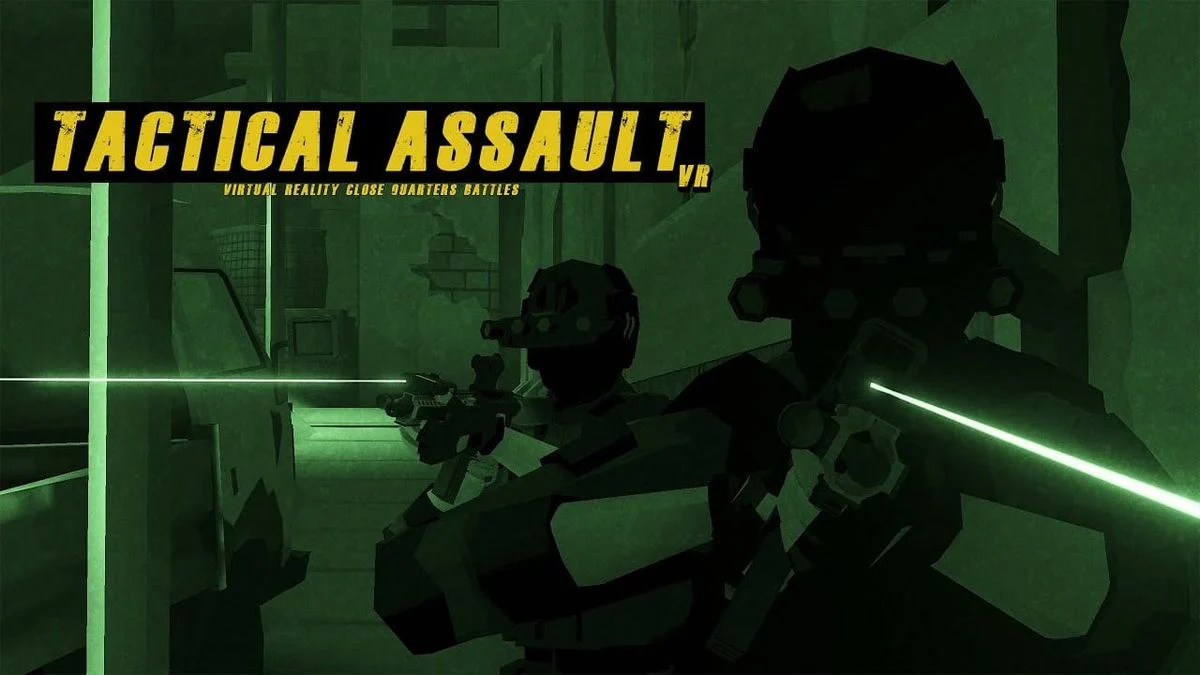
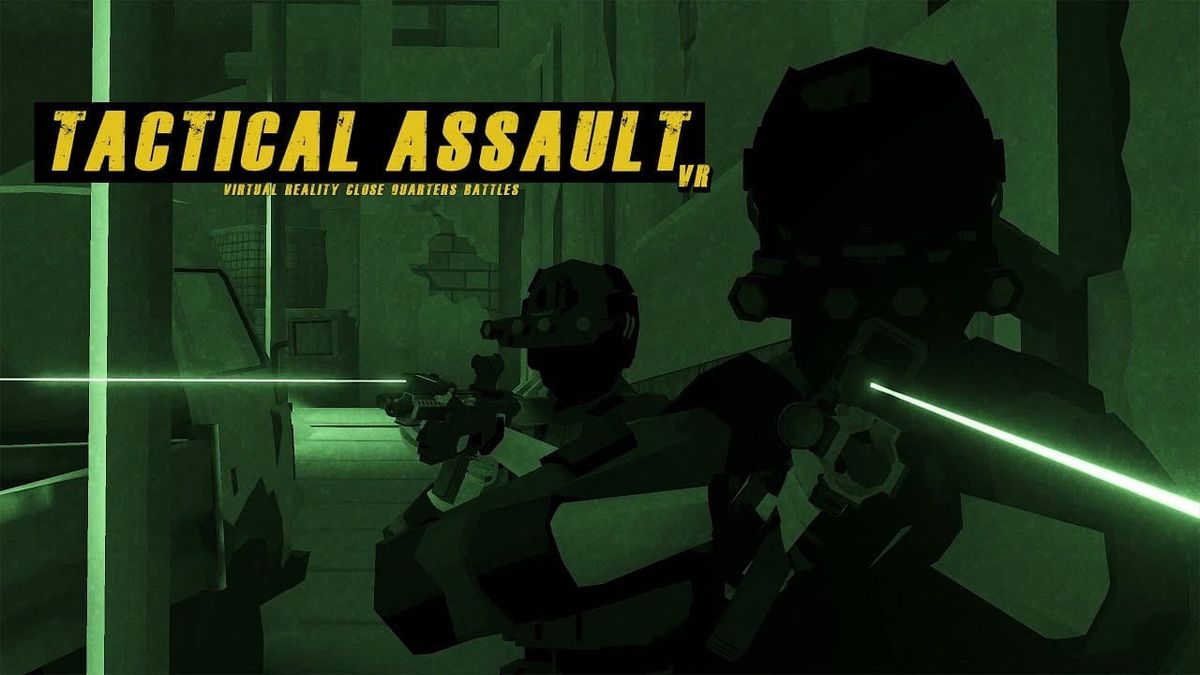
The independent virtual reality (VR) development scene, often characterized by its tight-knit communities and grassroots origins, is currently grappling with a significant scandal involving one of its most prominent tactical shooters. Tactical Assault VR (TAVR), a title that has garnered a dedicated following for its realistic room-clearing mechanics and cooperative gameplay, has been thrust into a state of internal restructuring following the public disclosure of lead developer Xerxes "Jarvis" Sangco’s criminal history.
The revelation of a 2020 arrest and subsequent conviction has triggered a rapid-fire sequence of events, including the dissolution of major publishing and development partnerships, a leadership vacuum, and a fundamental questioning of the project’s future viability. As the remaining development team attempts to distance the intellectual property from its founder, the situation serves as a stark case study in crisis management within the gaming industry.
Main Facts: The Dissolution of Leadership
The core of the current crisis centers on Xerxes Sangco, known within the community as "Jarvis," the primary force behind HammerFire Interactive and the lead architect of Tactical Assault VR. Following the circulation of documents detailing a serious criminal conviction from 2020, Sangco’s position within the project became untenable for both corporate partners and a significant portion of the player base.
In a formal statement released via Discord and subsequently mirrored on the game’s Steam and Meta Horizon storefronts, the remaining development team—represented by a developer known as "Puddle"—announced that Sangco is officially stepping down. This departure is described as a total cessation of his involvement in development, leadership, and decision-making processes.
To facilitate a clean break, ownership of the project’s primary communication hub, the Discord server, has been transferred to Puddle. The project will now proceed under the dual leadership of Puddle and another developer, Black Canto. However, the transition is fraught with legal and financial complexities, particularly regarding the underlying ownership of the intellectual property (IP) and the distribution of future revenue.
Chronology of the Crisis
The downfall of Sangco’s leadership did not happen in a vacuum but followed a swift series of professional severances that signaled the severity of the situation.
The Revelation and Initial Fallout
Earlier this month, documents regarding Sangco’s 2020 legal history began circulating within the VR community. While the specific nature of the conviction has been described as sensitive, its impact was immediate. The VR community, which relies heavily on trust between developers and players in early-access environments, reacted with a mixture of shock and condemnation.
The Departure of 2080 Games
Within days of the news breaking, 2080 Games, the publisher previously tasked with handling the commercial and logistical side of Tactical Assault VR, announced it was terminating its agreement with HammerFire Interactive. For an indie title, the loss of a publisher often means a loss of marketing resources, legal support, and platform-level advocacy.
The Combat Waffle Studios Severance
Simultaneously, Combat Waffle Studios, the high-profile developer behind the hit VR title Ghosts of Tabor, announced it was cutting all working ties with Sangco and TAVR. This was a particularly heavy blow, as the two studios had shared a collaborative spirit and a significant overlap in their respective player bases. The distancing by Combat Waffle Studios served as a "moral barometer," signaling to the industry that Sangco’s history was incompatible with professional partnership.
The Transition Announcement
On the heels of these departures, the remaining TAVR staff issued their "fatal hit" statement. They acknowledged the community’s "fierce and justified" outrage while pleading for an end to personal threats against Sangco’s family. This statement marked the official transition of the project to its new, publisher-less structure.
Supporting Data: Community Reaction and Storefront Impact
The fallout of the Sangco scandal is visible not just in press releases, but in the digital metrics that define a game’s success.
Review Bombing and Player Sentiment
Since the disclosure, Tactical Assault VR has seen a surge in negative reviews on both Steam and the Meta Quest store. Many of these reviews cite the lead developer’s past as the primary reason for the "thumbs down," with players stating they can no longer support the game financially if the proceeds benefit a convicted individual. This "ethical review bombing" has threatened the game’s "Very Positive" rating, which is a crucial metric for discovery on digital storefronts.
The Discord Divide
While the storefronts show a clear trend toward condemnation, the game’s Discord community—now numbering in the tens of thousands—presents a more nuanced, albeit fractured, picture. While many users have left the server in protest, a vocal segment remains, expressing a desire to see the game survive. This group often distinguishes between the "art" (the game) and the "artist" (Sangco), arguing that the work of the remaining developers should not be discarded due to the actions of the founder.
Development Delays
The restructuring has had an immediate impact on the game’s roadmap. The developers have confirmed that:
- The next major game update is delayed indefinitely during the handover.
- Planned future DLCs are on hold.
- Mod support, a highly anticipated feature for a tactical shooter, has been pushed back due to the administrative overhead of the restructuring.
Official Responses: The "Fatal Hit" Statement
The statement released by "Puddle" on behalf of the remaining team is a rare example of raw, unfiltered communication in the gaming industry. It does not attempt to defend Sangco, instead labeling his past actions as "indefensible."
"This project has taken a fatal hit in reputation and confidence," the statement reads. This admission of a "fatal hit" underscores the precarious position of the game. The developers are essentially attempting to perform a "brand transplant," removing the founder while trying to keep the product alive.
The statement also included a brief farewell from Sangco himself, thanking the community for their support during his tenure. However, this message did little to mollify critics, as it failed to address the central concern of the community: financial divestment.
Implications: The Question of Ownership and Revenue
The most significant hurdle facing Tactical Assault VR is one that a Discord announcement cannot easily solve: the legal and financial structure of HammerFire Interactive.

The Revenue Stream Problem
In the world of indie development, the "owner" of the studio typically receives the lion’s share of the profits after the platform (Steam or Meta) takes its 30% cut. If Xerxes Sangco remains the legal owner of HammerFire Interactive, every copy of Tactical Assault VR sold still results in money going into his pockets.
The statement from Puddle noted that Sangco is stepping down from "development, leadership and decision making," but it notably omitted any mention of a transfer of legal ownership or intellectual property rights. Without a full divestment or a sale of the IP to a new entity, the "stepping down" remains a functional change rather than a financial one.
The Future of Indie Self-Publishing
By moving forward without a publisher, Puddle and Black Canto have taken on a massive administrative burden. Without 2080 Games, they must now handle their own taxes, platform relations, and legal compliance. For a small team already reeling from a public relations disaster, this increase in workload could lead to developer burnout.
The Industry Precedent
This situation mirrors other high-profile "founder exits" in the gaming industry, but with the added complexity of the indie scale. When a CEO of a major corporation is ousted, there are boards of directors and share buyback programs to facilitate the exit. In a two- or three-person indie team, the lines between the individual and the company are often legally blurred.
Potential for a Rebrand
To truly survive, many industry analysts suggest that Tactical Assault VR may eventually need to undergo a complete rebranding or be sold to a new studio entirely. As long as the name "HammerFire Interactive" is attached to the project, the shadow of Sangco’s conviction will likely persist.
Conclusion: An Uphill Battle for Survival
Tactical Assault VR stands at a crossroads. On one hand, it remains one of the most mechanically sound and enjoyable tactical shooters in the VR space, representing years of hard work by multiple contributors. On the other, it is currently anchored to a legacy that many players find morally repugnant.
The path forward for Puddle and Black Canto is an "uphill battle," as they themselves described it. Their success will depend on two factors: their ability to maintain a transparent development cycle that regains player trust, and a definitive resolution to the question of Sangco’s financial stake in the project. Until the community is convinced that their purchases are supporting the future of the game rather than the personal wealth of its former lead, the "fatal hit" to the game’s reputation may prove to be exactly that.