The Evolution of Antagonism: Analyzing the Power Hierarchy in One Piece’s Final Saga
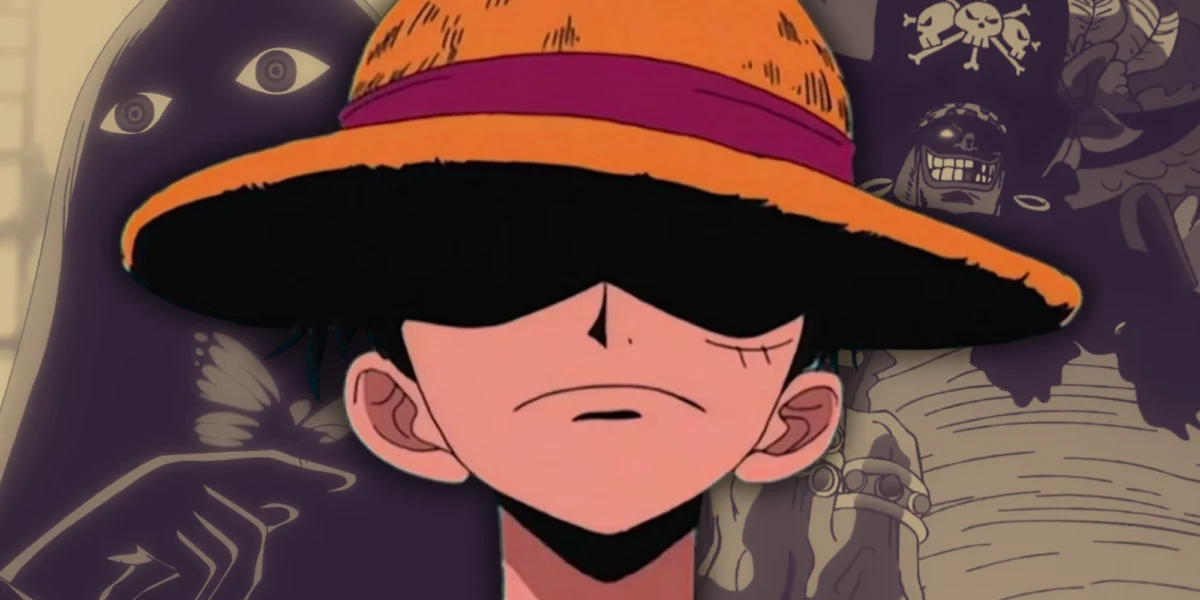
For over a quarter-century, Eiichiro Oda’s One Piece has maintained a vice-grip on the cultural zeitgeist of the manga and anime industry. While the series is often celebrated for its themes of freedom, adventure, and the "found family" dynamic of the Straw Hat Pirates, its longevity is equally owed to its masterfully crafted antagonists. As the narrative enters its highly anticipated Final Saga—currently transitioning through the lore-heavy Elbaph Arc—the stakes have shifted from localized skirmishes to existential threats that jeopardize the fabric of the world itself.
The following analysis explores the hierarchy of One Piece’s villains, tracing their evolution from East Blue eccentricities to the god-like entities currently occupying the seats of power in the World Government.
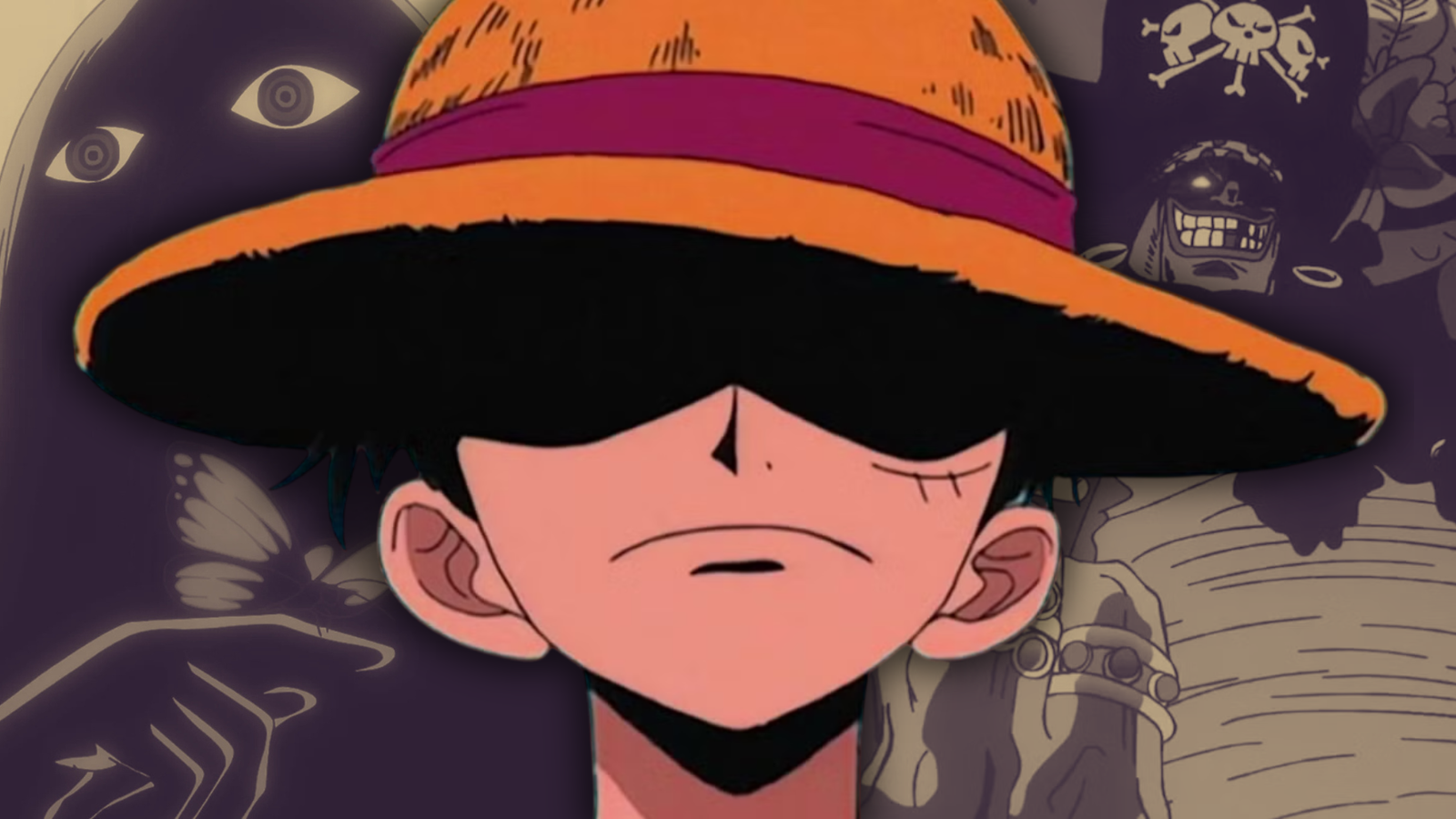
Main Facts: The Pillars of One Piece Villainy
The brilliance of One Piece lies in Oda’s ability to blend quirky character designs with genuine menace. The series’ antagonists are rarely "evil for the sake of evil"; instead, they represent conflicting ideologies. Whether it is Crocodile’s cynical pragmatism, Enel’s messianic delusions, or Kaido’s obsession with a "pure" world of violence, each villain serves as a mirror to Monkey D. Luffy’s own philosophy of absolute freedom.
As of the current publication cycle in 2024, the power ceiling has been shattered. The introduction of the "Godhead" forms of the Five Elders (Gorosei) and the shadowy presence of Imu has redefined what it means to be a "strong" villain. Strength in One Piece is no longer measured solely by physical prowess or Devil Fruit mastery, but by political influence, historical knowledge, and the ability to manipulate the "Truth" of the Void Century.
Chronology of Escalation: From Syrup Village to Onigashima
The Early Days: Strategic and Physical Dominance
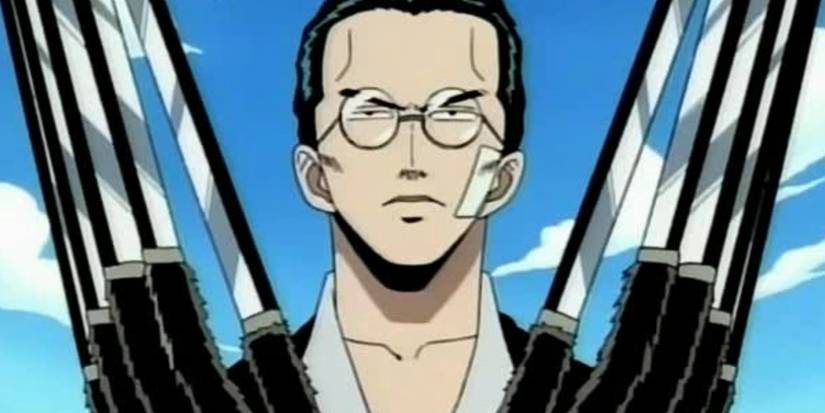
In the East Blue Saga, villains were defined by their relative superiority in a "weak" sea. Captain Kuro of the Black Cat Pirates remains a standout for his intellectual cruelty. Though he lacked the supernatural powers that would later define the series, his "Pussyfoot Maneuver" and cat-claws made him a lethal threat to a novice Luffy.
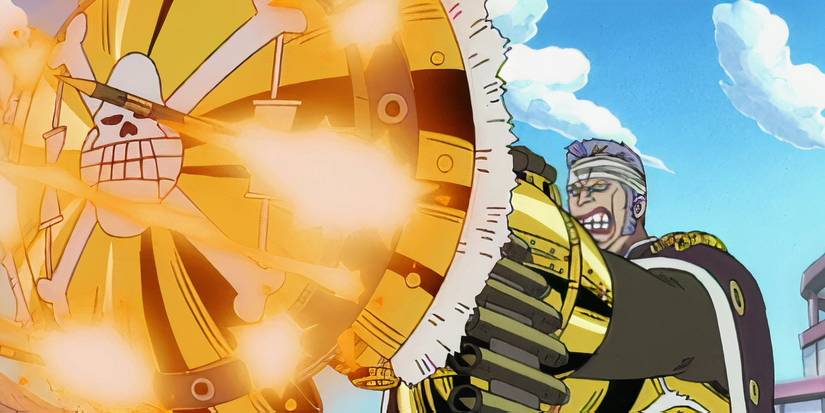
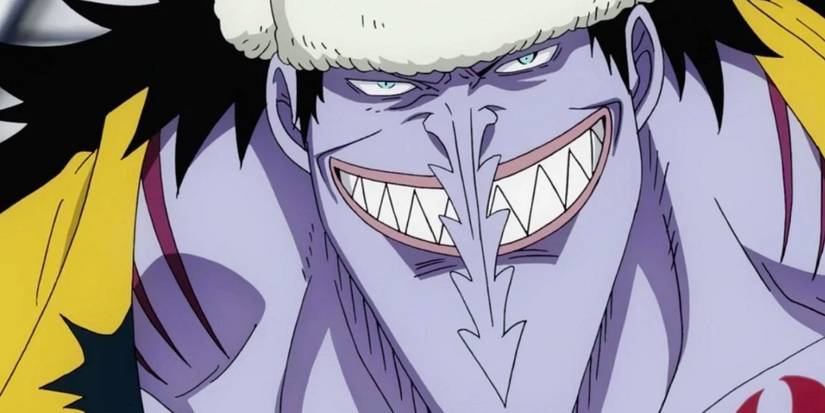
Following Kuro, Don Krieg introduced the concept of "might through technology," utilizing an arsenal of hidden weapons and wootz steel armor. However, it was Arlong who provided the first true paradigm shift. As a Fish-man, Arlong was physically ten times stronger than an average human, and his reign of terror over Nami’s village introduced the series’ first heavy themes of racial prejudice and systemic oppression.
The Grand Line: The Era of the Warlords and Logias
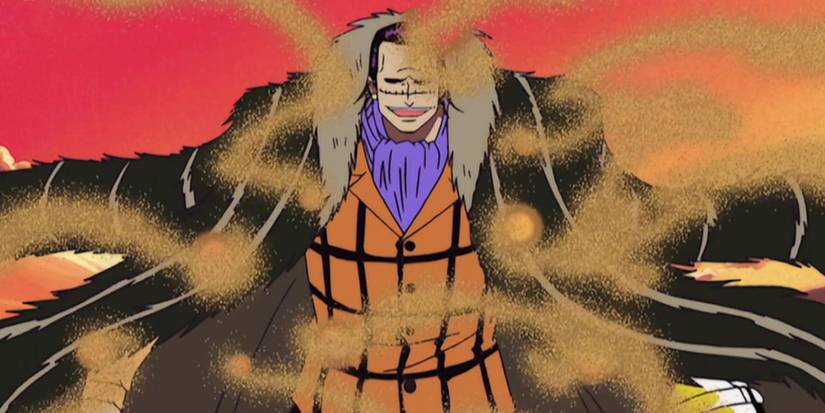
Upon entering the Grand Line, the Straw Hats encountered the Seven Warlords of the Sea (Shichibukai). Sir Crocodile was the first antagonist to hand Luffy a definitive, crushing defeat. His Sand-Sand Fruit (Suna Suna no Mi) introduced the "Logia problem"—the near-invincibility of elemental users.
This was escalated in the Sky Island Saga with Enel. Possessing the Rumble-Rumble Fruit, Enel was essentially a god in his own domain. His defeat only came through a "natural counter"—Luffy’s rubber body—highlighting Oda’s penchant for using logic and gags to overcome raw power.
The New World: Despots and Emperors
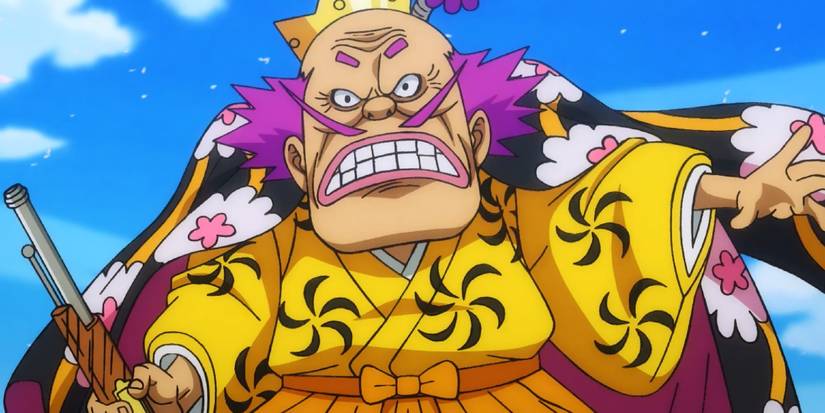
After the two-year timeskip, the series took a darker turn. Caesar Clown represented the horror of unregulated science, while Orochi in Wano showcased the damage a sniveling, petty despot could do when backed by a titan like Kaido.
The "Four Emperors" (Yonko) era represented the pinnacle of traditional combat. Big Mom and Kaido were depicted as "natural disasters" rather than mere pirates. Their mastery of Advanced Conqueror’s Haki set a new gold standard for strength, requiring Luffy to awaken his Devil Fruit into the legendary "Gear 5" to survive.
Supporting Data: The Mechanics of Power
To understand the hierarchy of One Piece villains, one must look at the three pillars of power that Oda has established:
1. Devil Fruit Awakening
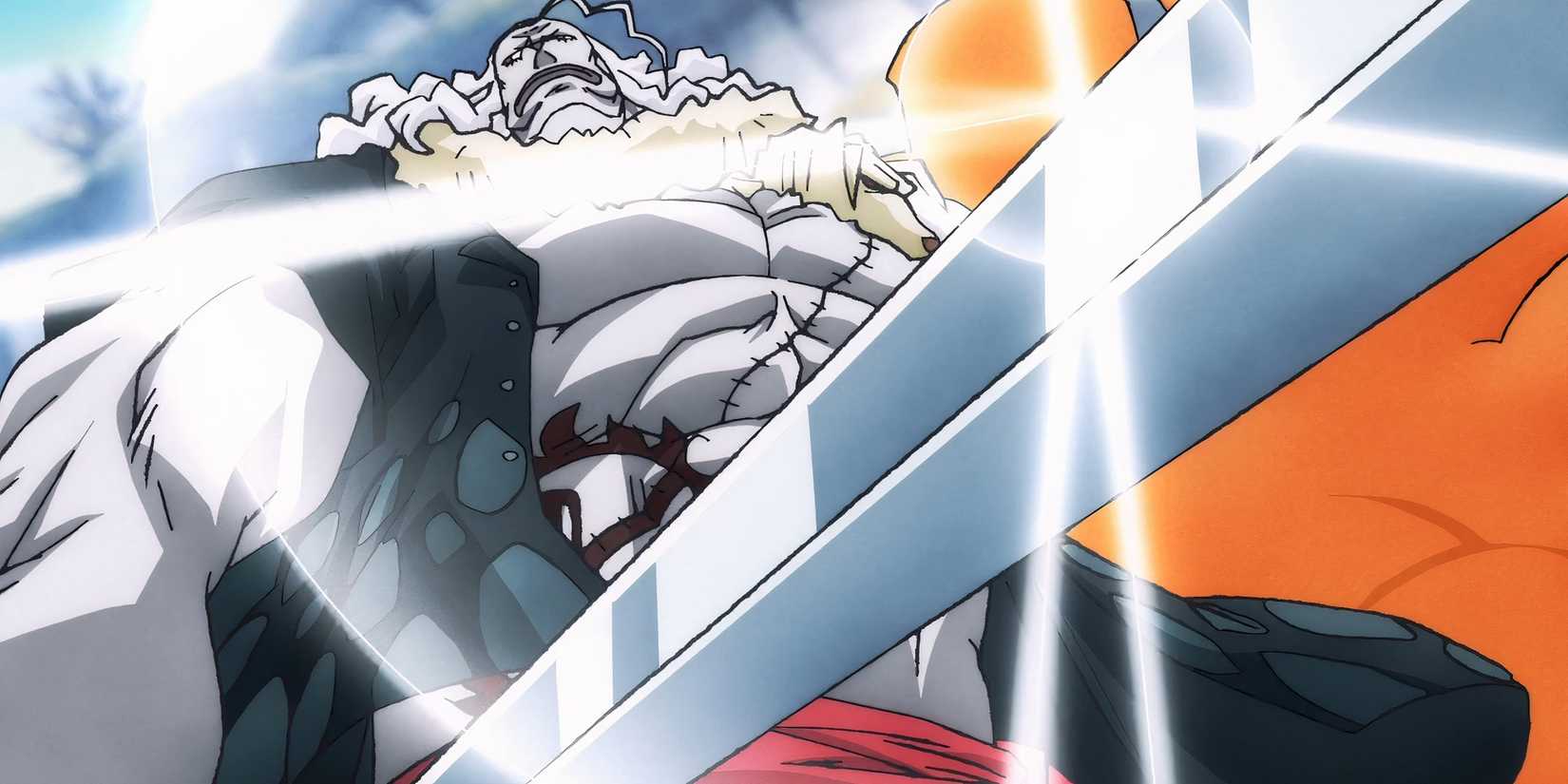
While early villains relied on the basic properties of their fruits, modern antagonists like Doflamingo and Katakuri demonstrated "Awakening," allowing them to affect the environment around them. The recent reveals regarding the Five Elders suggest they may possess "Demonic" or ancient Zoan awakenings that grant them near-instantaneous regeneration, a feat previously unseen in the series.
2. The Haki Hierarchy
Haki has become the ultimate equalizer. Kaido’s famous declaration that "Haki transcends all" has been supported by the data of recent battles. Villains like Blackbeard are terrifying because they combine high-level Haki with multiple Devil Fruits, effectively negating the advantages of their opponents.
3. Political and Historical Leverage
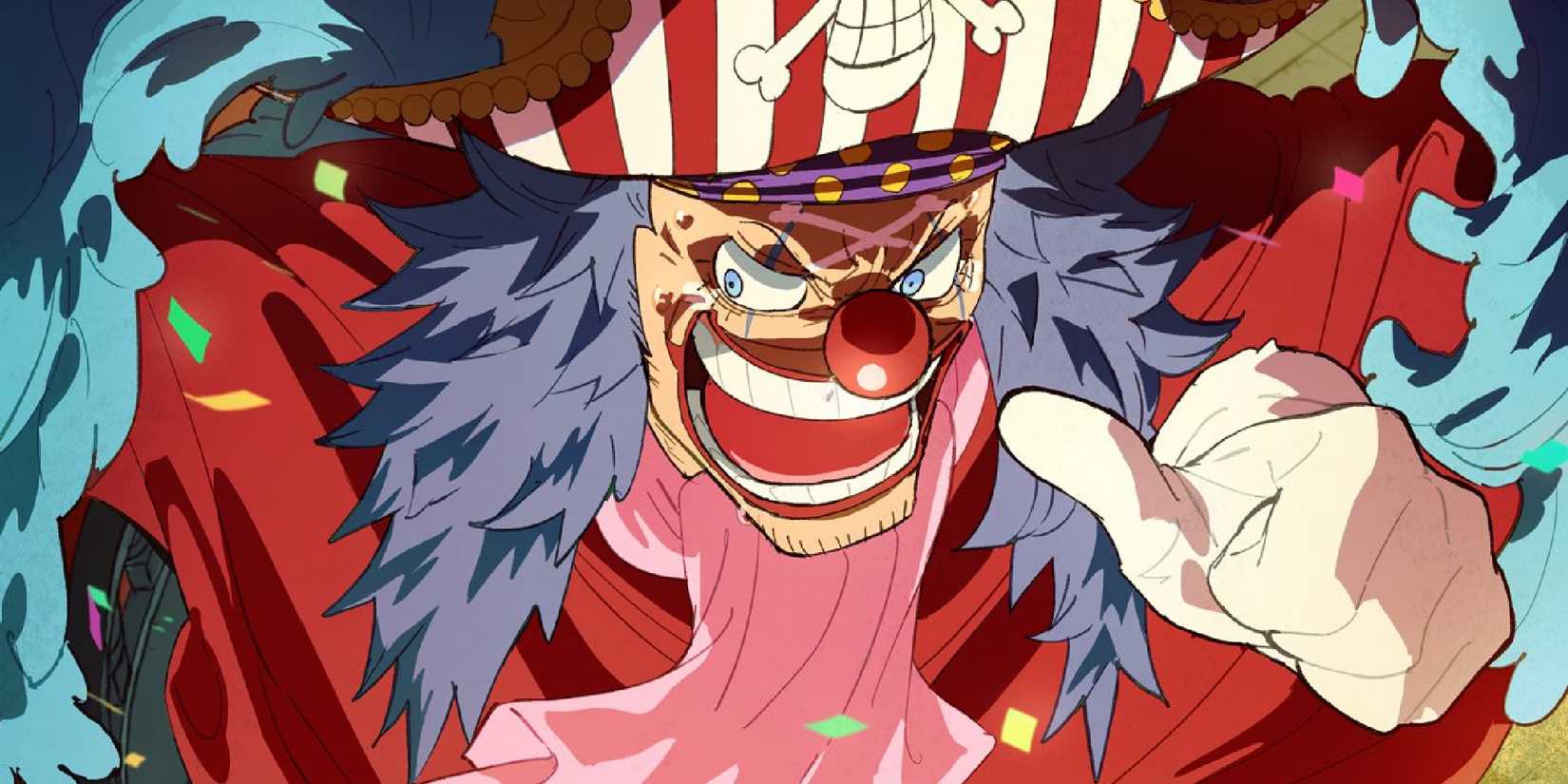
Characters like Buggy the Clown prove that "strength" is subjective. Despite being physically weaker than almost every other major villain, Buggy’s "failure upward" has granted him the status of an Emperor and the leadership of Cross Guild. Conversely, Imu holds the ultimate power: the ability to "extinguish" entire islands from history using the Mother Flame, a feat of pure destruction that dwarfs any individual Haki feat.
Official Responses and Meta-Perspective
The editorial team at Weekly Shonen Jump and Eiichiro Oda himself have often commented on the necessity of "villain longevity." In various "SBS" (Question and Answer) columns, Oda has noted that he enjoys bringing back older villains—such as Crocodile and Lucci—because it shows that the world moves even when Luffy isn’t looking.
The Netflix Live-Action adaptation has also forced a re-evaluation of these characters. The portrayal of Buggy and Arlong in the live-action medium emphasized their theatricality and visceral menace, respectively, introducing a new generation of fans to the complexity of Oda’s rogues’ gallery. Official polls in Japan consistently rank antagonists like Donquixote Doflamingo and Charlotte Katakuri in the top 20 most popular characters, proving that the audience values depth of character as much as combat ability.
Implications: The Road to the One Piece
As the series moves deeper into the Final Saga, the "villain" label is becoming increasingly blurred. The World Government, led by the Gorosei and Imu, are the primary antagonists, yet they view themselves as the maintainers of global order against the "chaos" of piracy.
The Blackbeard Factor
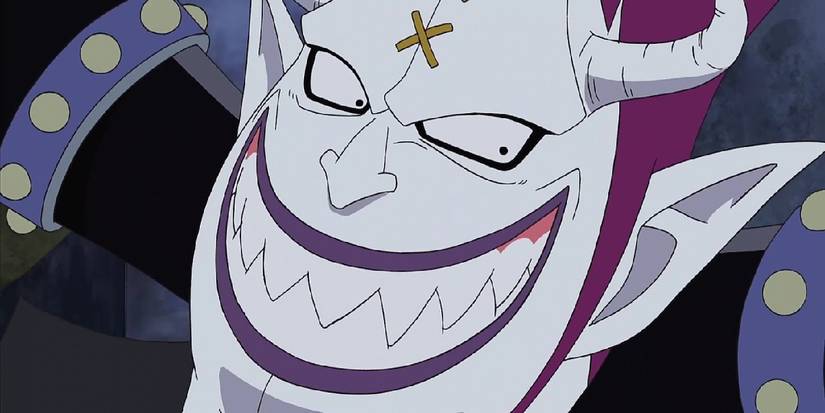
Marshall D. Teach (Blackbeard) remains the dark reflection of Luffy. While Luffy represents the "Sun" (Nika), Blackbeard represents the "Darkness." The implication is that the final conflict will not just be a battle for a treasure, but a battle to decide the very nature of human existence: absolute freedom vs. absolute void.
The Elbaph Revelations
The current Elbaph Arc is expected to unveil the "Holy Knights," the World Government’s hidden military elite. This suggests that the hierarchy of strength is still expanding. If the Holy Knights possess power comparable to the Admirals, the Straw Hat Grand Fleet will face an unprecedented uphill battle.
Conclusion: A Legacy of Menace
From the small-scale piracy of Captain Kuro to the world-altering machinations of Imu, the villains of One Piece have evolved alongside their protagonist. They are more than just obstacles; they are the architects of the world Luffy seeks to change. As the "Great Cleansing" looms and the secrets of the Void Century are laid bare, the strength of these antagonists will be the final crucible that determines if Luffy truly becomes the King of the Pirates or merely another footnote in a forgotten history.
The hierarchy is set, the players are in position, and as Oda has frequently teased, the "greatest war in manga history" is finally within sight.