The Indispensable Power of Community for the Modern Artist
In the ever-evolving landscape of creative professions, the adage "it’s not what you know, it’s who you know" rings truer than ever. Yet, the artistic journey, often perceived as a solitary pursuit, coupled with the fragmentation of traditional communal spaces, can make forging connections with like-minded individuals a daunting challenge. This article delves into the profound importance of artistic communities, both online and offline, for fostering growth, inspiration, and career advancement, drawing insights from established artists and industry leaders.
The Digital Agora: Navigating the Online Creative Ecosystem
The digital age has revolutionized how artists connect, offering a myriad of platforms for collaboration, feedback, and mutual support. From nascent forums to sophisticated social networks, the internet has become a fertile ground for cultivating creative relationships.
Early Foundations: Oekaki Boards and the Dawn of Online Collaboration
The roots of online artistic communities can be traced back to platforms like Oekaki boards, which emerged in the early 2000s. These rudimentary online forums allowed artists to share low-resolution images and engage in simple drawing activities, fostering a sense of camaraderie among emerging talents. Lois van Baarle, a renowned digital artist, recalls her early experiences on these platforms. "I first got started on Oekaki boards in 2003," she shares. "These were kind of like online forums where you could also draw quite simple low-resolution images. It was a really fun way to share art and get to know other artists who were just starting out!"
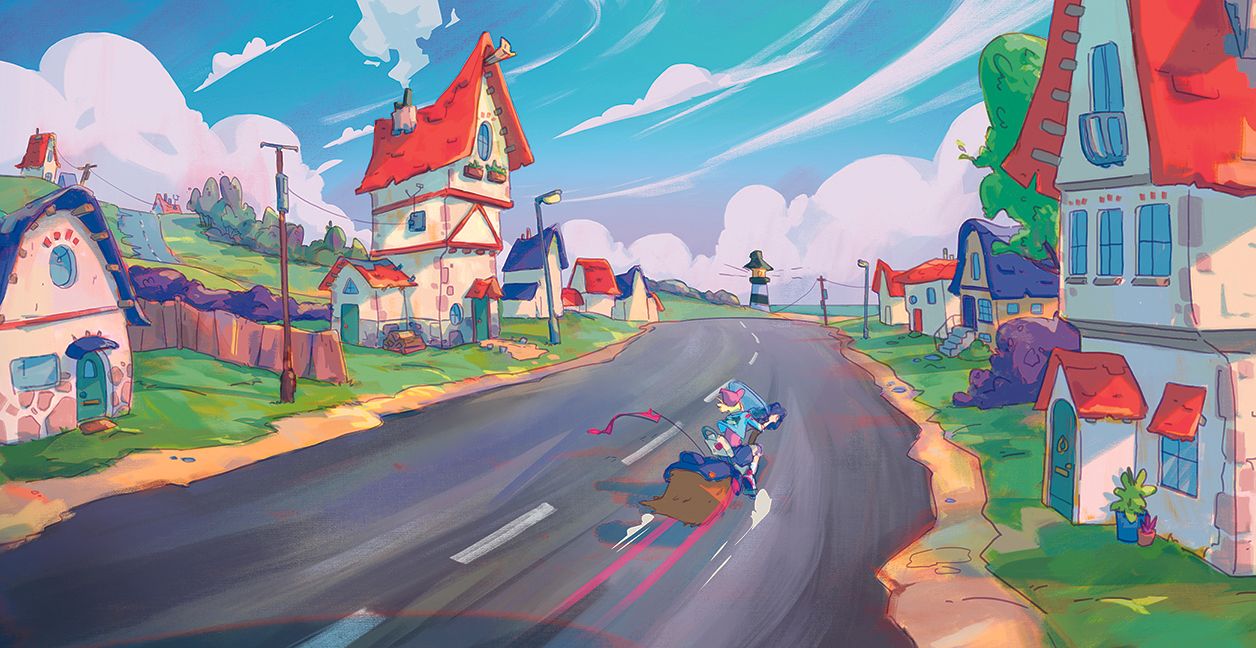
This early form of digital interaction laid the groundwork for the more complex and interconnected communities we see today. While the technological landscape has shifted dramatically, the fundamental principle of shared passion and mutual learning remains a constant.
The Modern Toolkit: Social Media, Discord, and Beyond
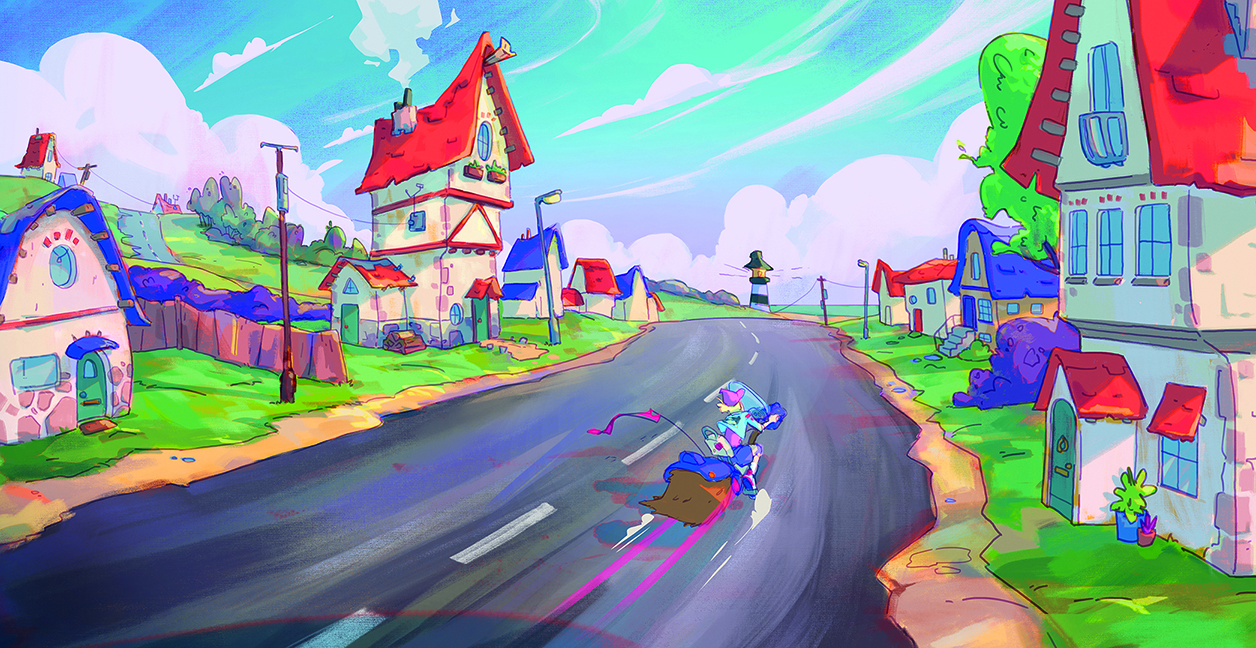
Today’s artists have a vast array of tools at their disposal. Lois emphasizes the need for a diversified approach: "I would try out a variety of activities: social media, Discord communities, and real-life events. I feel like the more direct the contact is, the more meaningful the connections are that you make. The landscape is always changing fast, so it’s best to diversify the ways in which you get your art out there."
Discord servers, in particular, have become vibrant hubs for artists. "People share a lot of knowledge and ideas, and there are servers for real-life events," Lois notes, highlighting the platform’s dual role in facilitating both digital and physical interactions. These communities offer a space for artists to exchange techniques, receive constructive criticism, and find inspiration in the work of their peers.
Building Bridges: From Twitter to Industry Events
Anna Hollinrake, a creative director with extensive experience in the gaming industry, echoes the sentiment that community building extends beyond dedicated art platforms. She recounts her transition from university, a natural creative hub, to the professional world. "After I left university (a very natural creative community), I spent more time streaming on Twitch and meeting game developers and artists on places like Twitter (RIP)," she reveals.
Her strategy involved active engagement: "I’d go to industry events, overshare online (less recommended), and chat to people whose work I liked. That built a solid foundation of artists and game developers I knew, but it also created the confidence to meet people in unfamiliar spaces and seek guidance from artists I looked up to." This proactive approach demonstrates that even in the face of online fragmentation, strategic offline engagement remains a powerful catalyst for professional growth.
The Power of Recognition: Validation and Visibility
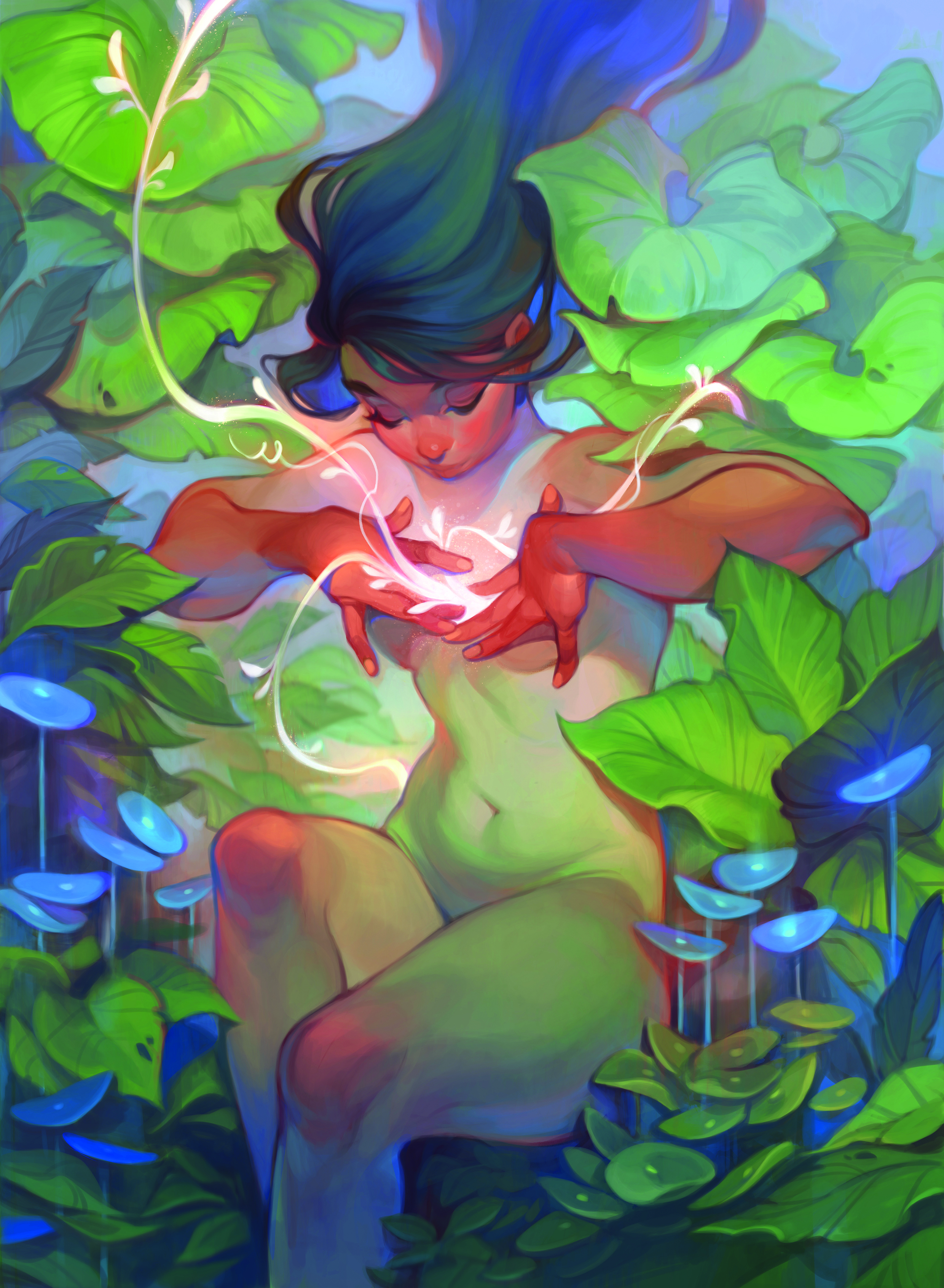
For emerging artists, community can provide crucial validation and visibility. Valia Zhuk, a recent graduate and character designer, experienced this firsthand when her work was selected as a staff pick by The Rookies, an online platform for young creatives. "It felt amazing to be recognized and to see my work featured alongside so many talented artists," she states. "It was encouraging and motivating. As a pleasant bonus, I noticed an increase in views, likes, and followers on my Rookies profile, which gave my work more visibility and introduced it to a bigger audience."
This online recognition, while seemingly abstract, can serve as a foundational element for an artist’s career. Lois van Baarle illustrates this point by sharing her own journey: "I started out participating in these communities, and now I manage a community of my own. My Patreon page is my primary source of income, and it’s connected to a Discord server where people can share their art and take part in monthly challenges. I have also met most of my friends through the online art community. I truly don’t know where I’d be without these creative communities!" This highlights the profound impact that initial community engagement can have, leading to sustainable careers and deep personal connections.
The Increasing Importance of Artistic Communities: Beyond the Digital Realm
While online communities offer unparalleled accessibility and reach, the importance of in-person interactions for artists cannot be overstated. These gatherings provide a unique opportunity for deeper connection, unfiltered collaboration, and a vital respite from the digital noise.
The Sanctuary of Real Presence: Trojan Horse was a Unicorn (THU)
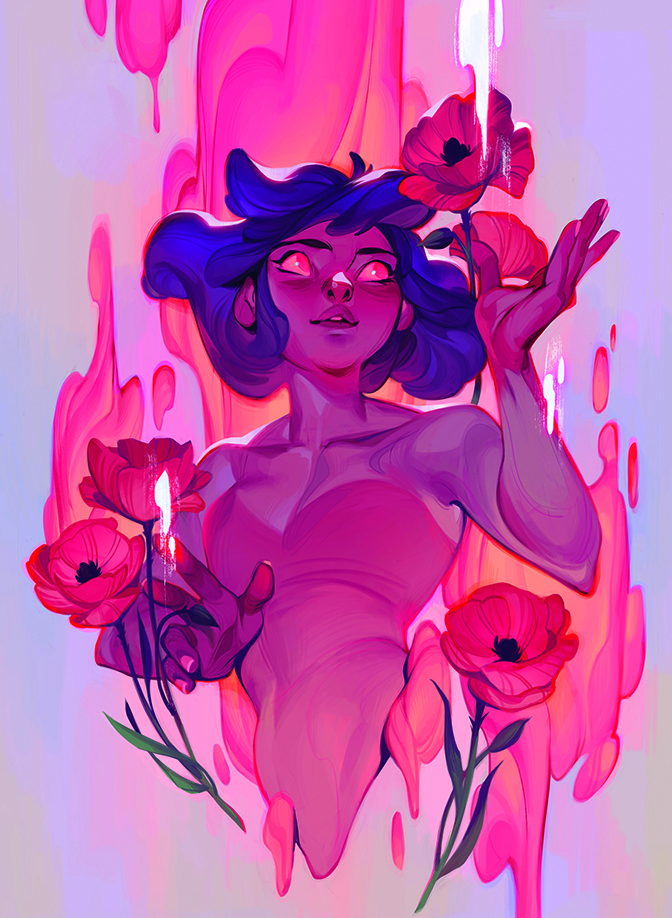
Andrés Luis, co-founder of the global artistic community Trojan Horse was a Unicorn (THU), champions the power of in-person events as an antidote to the often superficial nature of online interactions. "It has become toxic because it lacks the one thing that makes us human: real, unfiltered presence," he argues. "When you’re behind a screen you are just a profile, a set of data points, but when you’re here with us, you are a soul."
Luis emphasizes that the intangible aspects of human connection – the energy of a shared space, the spontaneity of late-night conversations that can shift perspectives – cannot be replicated digitally. "In person, there are no algorithms telling you who to talk to or what to think," he asserts, highlighting the organic nature of connections forged in physical settings.
Building a "Home" for Creators
THU, founded in 2013, was conceived not merely as an industry event but as a "home" for creators. Luis explains its evolution into a global ecosystem dedicated to empowering individuals in the digital entertainment world. "THU has become an engine for growth, where we connect talent, studios, and life-changing opportunities."
The philosophy behind THU is rooted in fostering genuine human connection. Luis elaborates, "We aren’t just an event; we are a reminder that the most powerful thing you can do in a high-tech world is remain deeply, stubbornly human." This focus on humanism is crucial in an industry often driven by rapid technological advancements.
The Value of Time and Vulnerability
Luis stresses that THU’s success lies in its deliberate curation to create an environment where vulnerability is not only accepted but encouraged. "We focus on giving people the luxury of time, proximity over mass appeal, removing pedestals, and making sure that people feel safe enough to be vulnerable," he states. This deliberate creation of a safe space allows for more authentic and impactful interactions. "We strip away barriers and allow everyone to connect on a human level," he adds, underscoring the community’s commitment to fostering genuine relationships.
The Corporeal Connection: Conventions and Artistic Gatherings
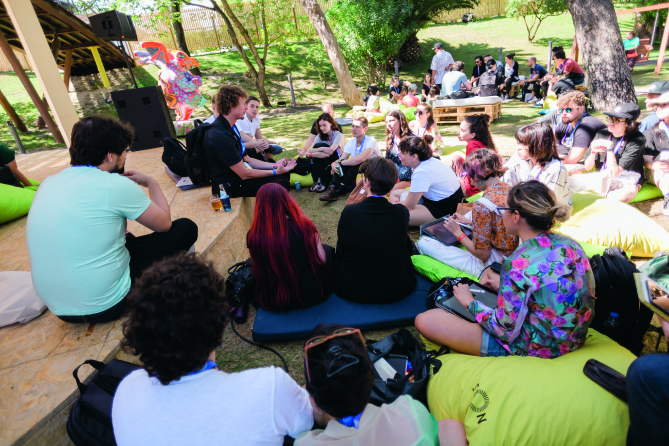
Anna Hollinrake agrees that in-person events offer a vital counterpoint to the isolation that can accompany the artistic process. "Tabling at a convention puts you in front of the people that are interested in supporting independent artists, as well as putting you in proximity of fellow creatives and the wealth of inspiration that comes with that," she highlights. "Art-making as a practice is pretty isolating, so getting your corporeal form in front of other people is good for the brain."
These physical gatherings provide not only opportunities for networking and exposure but also a much-needed sense of shared experience, reminding artists that they are part of a larger creative tapestry.
Finding Your Art Tribe: Strategies for Connection and Growth
Navigating the world of artistic communities can seem overwhelming, but the key lies in approaching it with an open mind and a genuine desire to connect.
Authenticity and Empathy: The Cornerstones of Connection
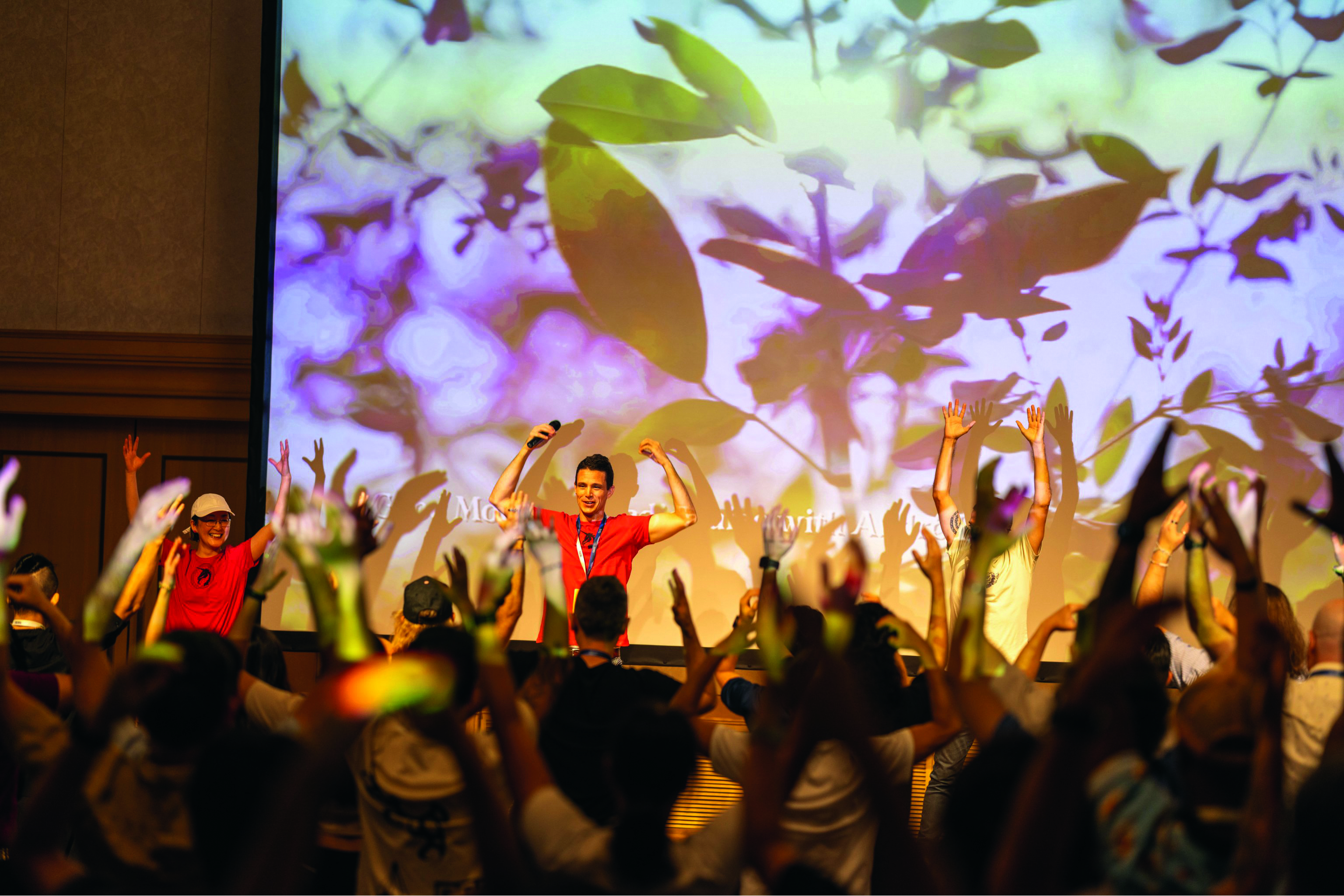
Valia Zhuk offers a simple yet profound piece of advice for engaging with art communities: "The best way to get the most out of art communities is to try talking to people, participating in challenges and other events, and enjoying your time." She emphasizes that these connections are not just about professional advancement but also about personal enjoyment and growth. "For me, online communities have been valuable in increasing the visibility of my work and expanding my network. I believe these connections and opportunities will continue to grow with time."
Andrés Luis further elaborates on the human element of community building. "You don’t need to be a salesman; you just need to be yourself," he advises. "Instead of thinking about what you can get from a conversation, think about what you can learn about the other person." He stresses the importance of empathy and genuine interest: "We are all part of the same creative family, and most people you meet are dealing with the same fears and dreams as you. When you approach someone with kindness and a genuine interest in their journey, the barriers start to melt away."
Consistency and Shared Interests: The Pillars of Lasting Bonds
Anna Hollinrake highlights consistency as a critical factor in building meaningful community ties. "For Anna, the biggest step artists can take towards being part of a community is to show up consistently." This means actively participating, offering support to others, and being a reliable presence within the community.
She also recommends diversifying one’s community involvement. "Anna works across art, games, and education, so she recommends becoming part of multiple communities." This broad approach allows artists to draw inspiration from different fields and connect with a wider range of individuals, fostering a more robust and multifaceted professional network.
The Long-Term Impact: Cultivating a Supportive Ecosystem
The enduring power of artistic communities lies in their ability to foster not just individual success but collective growth. The connections made, the knowledge shared, and the support offered can have a ripple effect, impacting careers and lives for years to come. As Andrés Luis aptly puts it, "The real success isn’t a single headline or a specific hire – it’s the fact that the impact never ends. It ripples out in ways we might not even see until years later. It’s about the connections that stay alive long after the event is over and the doors that keep opening because of a conversation that started here."
In an era where digital interactions can often feel transactional, the emphasis on genuine human connection, vulnerability, and shared passion within artistic communities offers a vital counterbalance. Whether online or in person, these collective spaces are not just beneficial but increasingly indispensable for artists seeking to thrive, innovate, and find their true place within the creative world.