The Evolution of Climate-Aware Training: Runna Unveils ‘Adapt for Heat’ and Future-Proof Coaching Tools

In an era where global temperatures are consistently breaking records, the intersection of technology and athletic safety has never been more critical. Runna, currently the top-rated running coach application on the market, has announced a significant technological pivot designed to address one of the most persistent barriers to consistent training: extreme weather. With the launch of its "Adapt for Heat" feature, Runna is moving beyond simple GPS tracking into the realm of hyper-personalized, environmentally aware coaching.
This move comes at a time when amateur and professional athletes alike are grappling with the realities of training in a warming world. By integrating real-time meteorological data into its training algorithms, Runna aims to eliminate the dangerous guesswork often associated with summer conditioning.
Main Facts: A Data-Driven Approach to Summer Training
The centerpiece of Runna’s latest update is the "Adapt for Heat" feature, a sophisticated tool that recalibrates a runner’s training plan based on local environmental conditions. Unlike traditional static plans that demand a specific pace regardless of the external environment, Runna’s new interface acknowledges that a 7:00/km pace in 15°C (59°F) requires a vastly different physiological effort than the same pace in 32°C (90°F) with high humidity.
How the Algorithm Works
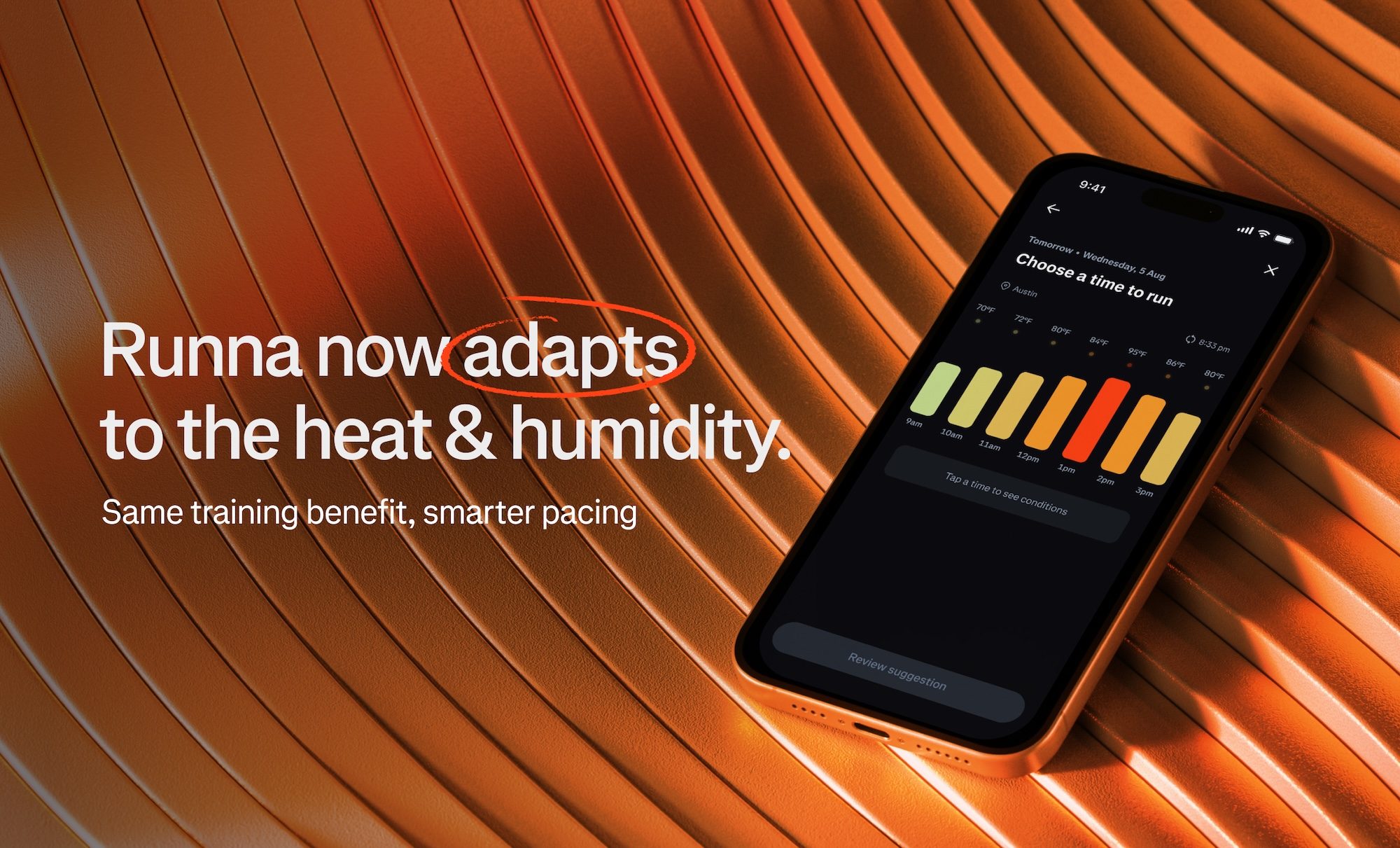
The feature functions by pulling local temperature and humidity data directly into the app. Using these variables, the "Adapt for Heat" algorithm calculates the "feels like" temperature and adjusts the user’s target pace ranges accordingly. This ensures that the runner is hitting the intended intensity zone (relative perceived exertion) rather than chasing a raw number that might lead to heat exhaustion.
Visual Planning Tools
Beyond pace adjustment, the update introduces a color-coded hourly forecast within the workout screen. This visual aid allows runners to identify "green zones"—times of day when the heat is manageable—versus "red zones," where the app might suggest moving the workout indoors to a treadmill or postponing it until the evening. This proactive scheduling tool aims to reduce the "decision fatigue" that often leads runners to abandon their workouts entirely during heatwaves.
Chronology: The Summer of 2024 Product Roadmap
Runna’s rollout of these features follows a strategic timeline designed to support runners through the most grueling months of the year and into the autumn marathon season.
- Phase 1: Adapt for Heat (Launched Today): The immediate release of the heat adaptation tool provides runners with an instant solution to mid-summer heatwaves. It is now available to all premium subscribers, integrating seamlessly into existing training blocks for everything from 5k plans to ultramarathons.
- Phase 2: Upcoming Plans (Scheduled for August): Looking toward the end of the summer, Runna will introduce "Upcoming Plans." This feature allows users to stack multiple training blocks. For example, a runner can schedule a "Post-Injury Reset," followed by a "10k Speed Builder," and finally a "Marathon Peak" plan, all in one continuous calendar.
- Phase 3: Revamped Post-Race Recovery (Scheduled for August): Recognizing that the period following a goal race is when most injuries occur, Runna will launch an automated recovery module. This feature will trigger the moment a user completes a race plan, providing a structured "reverse taper" to safely bring the athlete back to base fitness.
Supporting Data: The Physiological and Market Context
The development of "Adapt for Heat" was not merely a response to anecdotal complaints but was driven by significant user data and sports science research.
The 80% Threshold
Runna’s internal research revealed a staggering statistic: 80% of its user base admitted to skipping or significantly altering their runs due to hot weather. This high rate of "training friction" represents a major hurdle for app retention and athlete progression. By providing a safe way to continue training, Runna is effectively addressing a pain point that affects four out of five runners.
The Science of Heat Stress
From a physiological standpoint, the necessity for this feature is backed by the concept of "cardiovascular drift." When running in the heat, the body must redirect a significant portion of blood flow to the skin for cooling (vasodilation). This leaves less oxygenated blood for the working muscles, forcing the heart to beat faster to maintain the same pace.

Research indicates that for every 1°C increase in temperature above 15°C, a runner’s heart rate can increase by approximately one beat per minute at the same effort. Runna’s algorithm accounts for this drift, ensuring that a "Zone 2" easy run stays in the aerobic threshold, preventing the overtraining and burnout associated with high-intensity efforts in the heat.
Market Trends in Fitness Tech
The global fitness app market is projected to grow at a CAGR of over 14% through 2030. However, as the market matures, users are moving away from "dumb" trackers and toward "AI-coaches." Runna’s move to incorporate environmental variables places it ahead of many competitors who still rely on static pacing charts.
Official Responses: A Philosophy of Long-Term Sustainability
The leadership at Runna emphasizes that these updates are part of a broader mission to foster lifelong running habits rather than short-term gains.
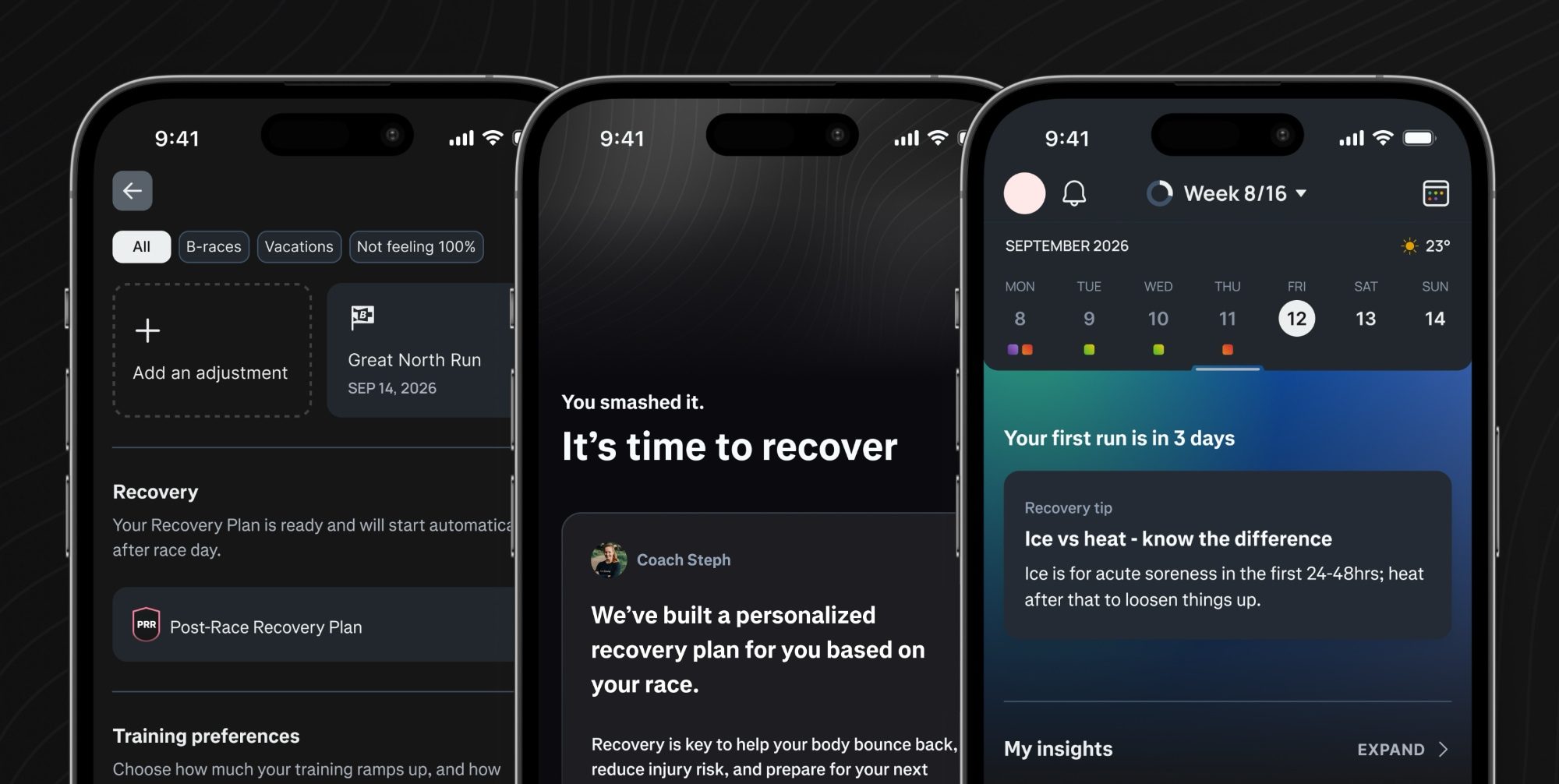
Steph Kessell, Runna’s Head Coach, highlighted the critical nature of the upcoming recovery features. "Recovery is a key part of everyone’s running journey to prevent plateaus in training and reduce burnout or injury risk," Kessell stated. "This is why we build it into every plan from day one. Our goal isn’t just to get you to the finish line, but to ensure you’re healthy enough to start your next journey immediately after."
Company spokespeople have also noted that the "Adapt for Heat" feature is a direct response to the "climate anxiety" reported by outdoor athletes. By providing a data-backed reason to slow down, the app grants runners "psychological permission" to prioritize safety over speed—a shift in mindset that is often difficult for competitive athletes to achieve on their own.
Implications: The Future of "Climate-Aware" Athletics
The launch of these features carries significant implications for the fitness industry, public health, and the future of outdoor recreation.

1. Safety and Liability in Fitness Tech
As fitness apps become the primary source of coaching for millions, the responsibility of these platforms to provide safe advice increases. By automating heat adjustments, Runna is setting a new standard for duty of care. In the future, it may become an industry expectation that any "smart" coaching app must account for environmental hazards like heat, air quality (AQI), and altitude.
2. Democratizing Sports Science
Previously, only elite athletes with access to personal coaches and exercise physiologists could accurately calculate heat-adjusted training zones. Runna is democratizing this expertise, making high-level physiological adjustments accessible to the casual 5k runner for a monthly subscription fee.
3. Adaptation to Climate Change
Runna’s update is a pragmatic example of how technology must adapt to a changing climate. As summers become longer and more intense, the window for "optimal" outdoor training is shrinking. Tools like "Adapt for Heat" allow the multi-billion dollar running industry to remain viable even as weather patterns become more volatile.

4. Holistic Athlete Management
The introduction of "Upcoming Plans" and "Post-Race Recovery" suggests a move toward a "cradle-to-grave" athlete management system. By mapping out an entire year of training, Runna is positioning itself as a central hub for a runner’s lifestyle, rather than just a tool used for a specific 12-week marathon prep. This increases user "stickiness" and provides a more comprehensive data set for the app’s AI to provide even more accurate predictions in the future.
5. Impact on Virtual and Hybrid Racing
With more races offering virtual components, the ability to normalize times across different climates becomes interesting. While Runna is currently focused on training, the logic behind "Adapt for Heat" could eventually be used to provide "weather-adjusted" race results, allowing a runner in humid Florida to compare their performance more fairly against a runner in cool London.
Conclusion
Runna’s latest suite of updates represents a sophisticated evolution in the wearable and fitness app ecosystem. By acknowledging that the environment is just as important as the athlete’s heart rate or stride length, Runna is moving the needle toward a more intelligent, safer, and more sustainable form of training.

As "Adapt for Heat" goes live today, and the planning and recovery tools follow in August, the message from Runna is clear: the future of running isn’t about fighting the elements—it’s about using data to work with them. Whether you are an elite ultramarathoner or someone taking their first steps in a "Couch to 5K" program, the ability to train smarter, rather than just harder, is now a permanent fixture of the digital coaching landscape.