
Mortal Kombat II: A Polarizing Return to Earthrealm and the Evolution of the Video Game Adaptation
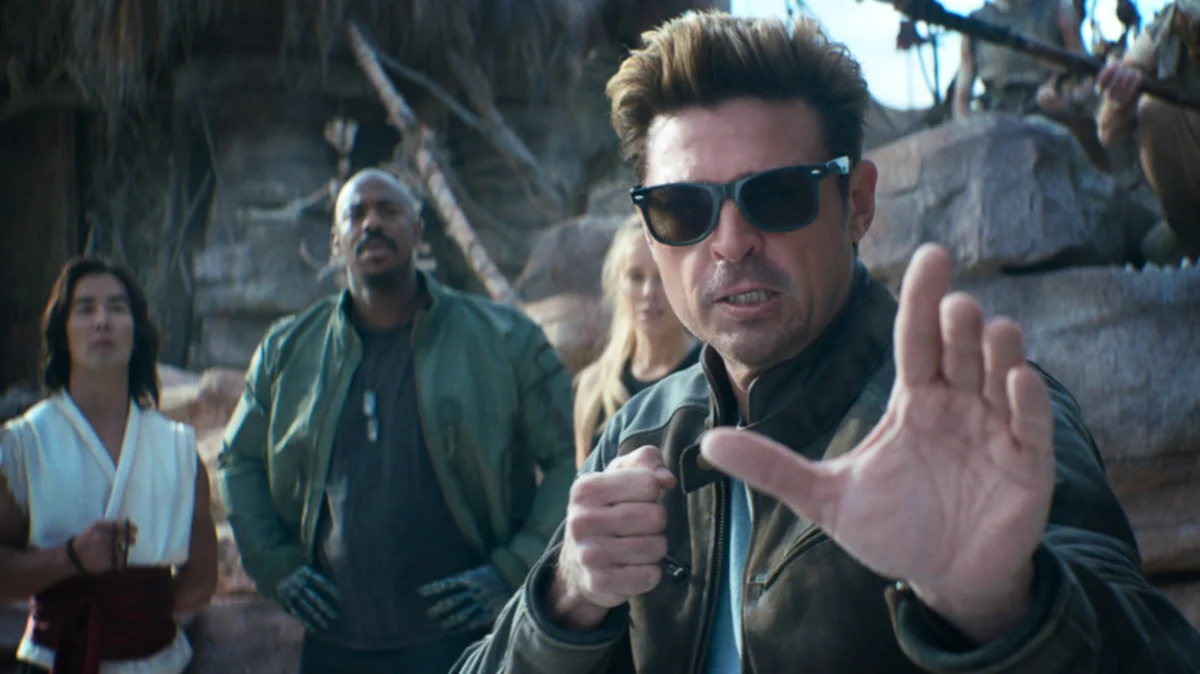
The digital gates of Outworld have swung open once more, but the critical reception greeting the latest cinematic installment of the Mortal Kombat franchise is proving to be as brutal as a "Fatality" finishing move. As Mortal Kombat II prepares for its wide theatrical release on May 8, 2026, the first wave of critical reviews has surfaced, painting a picture of a film caught in a perpetual struggle between visceral, high-octane spectacle and the narrative constraints of its source material.
While the film is being hailed as a masterclass in martial arts choreography and visual effects, it is simultaneously being criticized for a screenplay that many claim fails to match the intensity of its combat. This dichotomy has placed the sequel in a precarious position, sitting at a neutral score of 50 on Metacritic—a figure that mirrors the "middle-of-the-road" reception of its 2021 predecessor.
Main Facts: The Critical Divide and the 2026 Release
The primary takeaway from the early press screenings is a consensus on the film’s unevenness. Critics are largely in agreement that Mortal Kombat II delivers exactly what the core fanbase craves: bone-crunching action and faithful recreations of the game’s signature moves. However, the connective tissue—the dialogue, character development, and plot progression—appears to be the film’s "glass jaw."
Simon Abrams, writing for the Roger Ebert website, encapsulated the sentiment of many reviewers, noting that the film truly finds its rhythm only when the talking stops. He remarked that the movie "makes good on its grisly promise whenever its meat-puppet protagonists stop talking and start pummeling each other." This critique suggests that while director Simon McQuoid has refined the visual language of the franchise, the narrative depth remains secondary to the spectacle.
Key data points for the release include:
- Theatrical Release Date: May 8, 2026.
- Metacritic Score: 50 (Initial weighted average).
- Starring: Karl Urban as Johnny Cage, joining returning cast members from the 2021 film.
- Production Context: A direct sequel to the 2021 Mortal Kombat reboot, which earned a 55% on Rotten Tomatoes.
Despite the lukewarm critical scores, there is a palpable sense of improvement. International critics, such as Ruben Peralta Riguad of Cocalecas, have noted that the sequel feels "more complete" and "more confident" than the first film. This suggests that while it may not be a "Flawless Victory," it is a significant step forward for the franchise’s cinematic identity.
Chronology: From Arcade Cabinets to the 2026 Sequel
To understand the stakes of Mortal Kombat II, one must look at the long and often turbulent history of the franchise in Hollywood.
The 1990s Origins
The journey began in 1995 with Paul W.S. Anderson’s Mortal Kombat. While campy by today’s standards, it is often cited as one of the first successful video game adaptations, capturing the atmosphere of the games despite a PG-13 rating. However, the 1997 sequel, Mortal Kombat: Annihilation, was a critical and commercial disaster that effectively mothballed the film franchise for over two decades.
The 2021 Reboot
In 2021, Warner Bros. and New Line Cinema attempted a gritty reboot. Released during the tail end of the global pandemic and simultaneously on HBO Max, the film was a modest hit. It introduced Lewis Tan as Cole Young, a new character who served as the audience’s entry point into the lore. While the 2021 film was praised for its R-rated violence and the portrayal of the rivalry between Scorpion and Sub-Zero, it was criticized for excluding the fan-favorite character Johnny Cage and for a plot that felt like a "prologue" rather than a complete story.
The Development of the Sequel (2022–2026)
Following the success of the 2021 film on streaming platforms, a sequel was greenlit with Jeremy Slater (Moon Knight) taking over screenwriting duties. Production focused on expanding the roster of characters and addressing the primary complaint of the first film: the lack of an actual "Mortal Kombat" tournament. The casting of Karl Urban in 2023 served as a major marketing boost, signaling the studio’s intent to lean into the franchise’s larger-than-life personality.
Supporting Data: Casting, Choreography, and Comparisons
The most significant addition to Mortal Kombat II is undoubtedly Karl Urban as Johnny Cage. Urban, a veteran of genre cinema with roles in The Boys, Dredd, and Star Trek, brings a level of star power and comedic timing that was arguably missing from the 2021 installment.
The Johnny Cage Factor
Johnny Cage has always been the "comic relief" and the "ego" of the Mortal Kombat universe. Critics have noted that Urban’s performance helps bridge the gap between the film’s grim tone and the inherent absurdity of the source material. However, even Urban’s charisma faces an uphill battle against a script that some reviewers describe as "utilitarian."
Comparative Analysis
When compared to the 2021 film, Mortal Kombat II appears to be performing similarly in terms of critical metrics:
- 2021 Mortal Kombat: 55% Rotten Tomatoes / 44 Metacritic.
- 2026 Mortal Kombat II: Initial reviews suggest a Metacritic hovering around 50, with a Rotten Tomatoes score expected to settle in the mid-to-high 50s.
The technical data, however, shows an upward trend. The budget for the sequel is estimated to be significantly higher than the $55 million spent on the 2021 film, with a noticeable increase in the quality of the "Fatalities" and the environmental CGI of Outworld. Sebastian Zavala Kahn of Me gusta el cine argued that the film "takes into account the criticisms of the first installment," resulting in a narrative that is "at times emotional" and "aggressively fun."
Official Responses: The Filmmakers’ Perspective
While official studio statements from New Line Cinema have focused on the "spectacle and scale" of the sequel, director Simon McQuoid and writer Jeremy Slater have been vocal about their goals for this second round.
Slater has previously mentioned in interviews that the goal for Mortal Kombat II was to "do the things we couldn’t do in the first one." This included bringing in the iconic tournament structure and introducing the "weird and wonderful" elements of the lore that might have felt too jarring for a first-film introduction.
The production team has leaned heavily into the "R" rating, promising fans that the sequel would not shy away from the gore that defined the 1992 arcade game. The official marketing campaign has highlighted the practical stunt work, with the cast undergoing months of intensive martial arts training to minimize the need for "shaky cam" and heavy editing during fight sequences. This dedication to "real" combat is what many critics are currently praising, even as they lambast the narrative structure.
Implications: The Future of Video Game Cinema
The release of Mortal Kombat II arrives at a pivotal moment for video game adaptations. We are currently in what many analysts call the "Golden Age" of the genre, following the massive success of HBO’s The Last of Us, The Super Mario Bros. Movie, and Sonic the Hedgehog.
The Quality Bar
The bar for video game movies has been raised. Audiences no longer accept "good for a game movie" as a valid excuse for poor writing. Mortal Kombat II finds itself caught between two worlds: the old school of adaptations (focusing on fan service and action) and the new school (focusing on prestige storytelling).
A 2026 Genre Boom
The year 2026 is shaping up to be a landmark year for the genre. With the recent trailer for the new Resident Evil film generating significant buzz and other projects like the Ghost of Tsushima movie in development, Mortal Kombat II serves as a litmus test for the longevity of "pure action" adaptations.
If Mortal Kombat II succeeds at the box office despite mixed reviews, it will prove that there is still a massive market for "event" cinema that prioritizes visceral thrills over narrative complexity. However, if it underperforms, it may signal that even the most loyal fanbases are beginning to demand more from the scripts of their favorite franchises.
Conclusion
As the May 8 release date approaches, the fate of the Mortal Kombat film franchise hangs in the balance. It is a film of extremes—masterful action paired with a lackluster script. For the fans who grew up hearing "Get Over Here!" in dimly lit arcades, the chance to see Karl Urban’s Johnny Cage perform a Fatality on the big screen will likely be enough to justify the price of admission. For the casual moviegoer, however, the search for a truly "great" Mortal Kombat movie continues. Whether this sequel is a "Fatality" for the series or a "Brutality" that keeps it alive remains to be seen, but one thing is certain: the fight for Earthrealm has never looked this good, even if it has very little to say.




Leave a Comment