In the high-gloss history of Hollywood, certain names act as pillars, supporting the weight of entire eras. We recognize the Kathleen Kennedys and the Sherry Lansings—women who broke through the celluloid ceiling to command the boardrooms of the 1980s and 90s. Yet, tucked away in the footnotes of television history and the hushed corners of independent comic book shops is the story of Stefanie Cragg. A woman who mastered every medium she touched—from the advice columns of Ann Landers to the executive suites of Universal Television—Cragg’s final act was perhaps her most intimate: a transition into the world of underground comics that captured a disappearing American grit.
Main Facts: A Polymath of the Airwaves and Ink
Stefanie Cragg (born Stefanie Staffin, later known as Stefanie Kowal) was a media powerhouse whose career trajectory defied the standard limitations placed on women in the mid-20th century. Before her passing, she produced an Emmy-winning talk show, served as one of the youngest female Vice Presidents in the history of Universal Television, and oversaw projects that would later be reimagined by modern titans like Tina Fey.
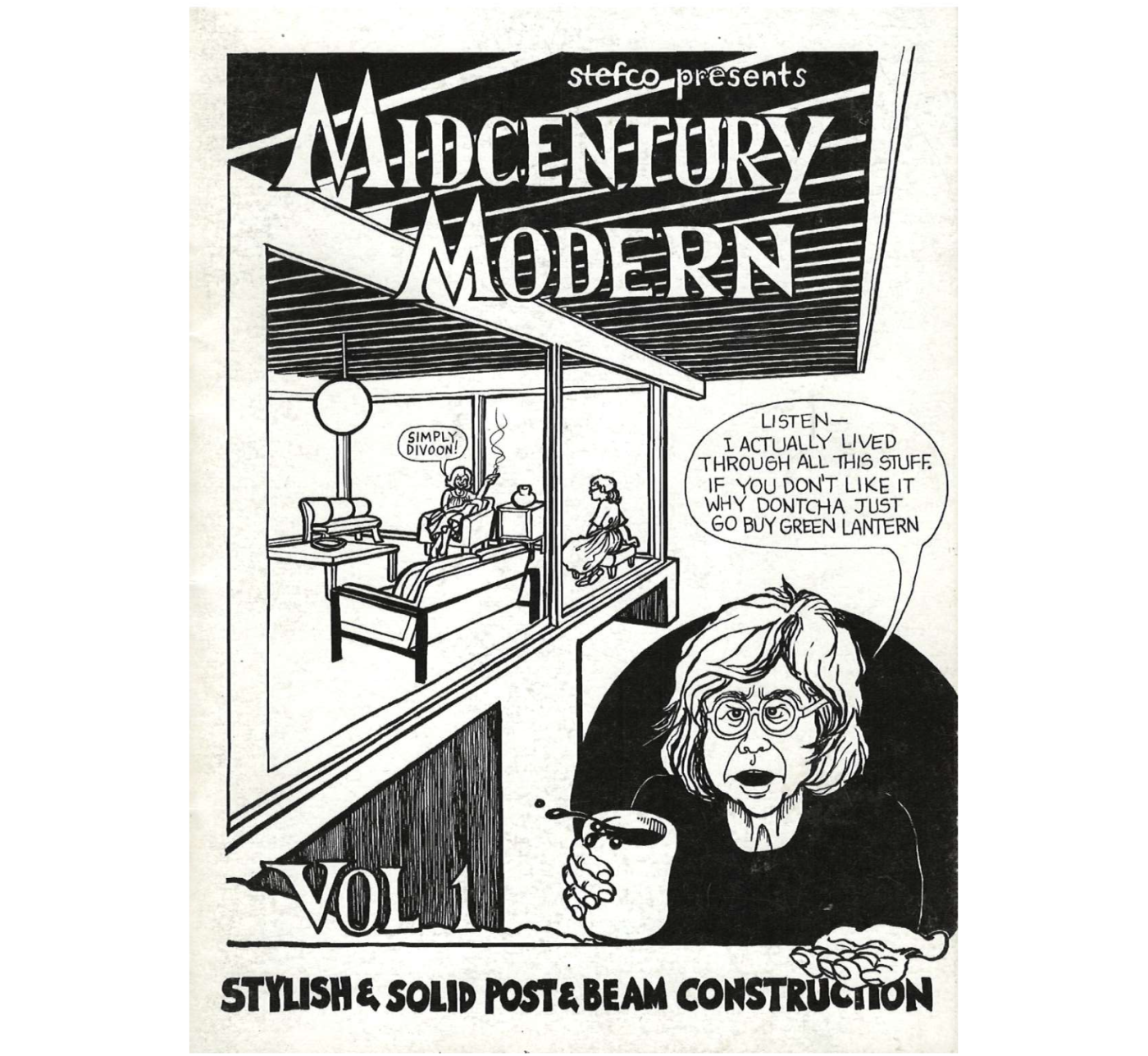
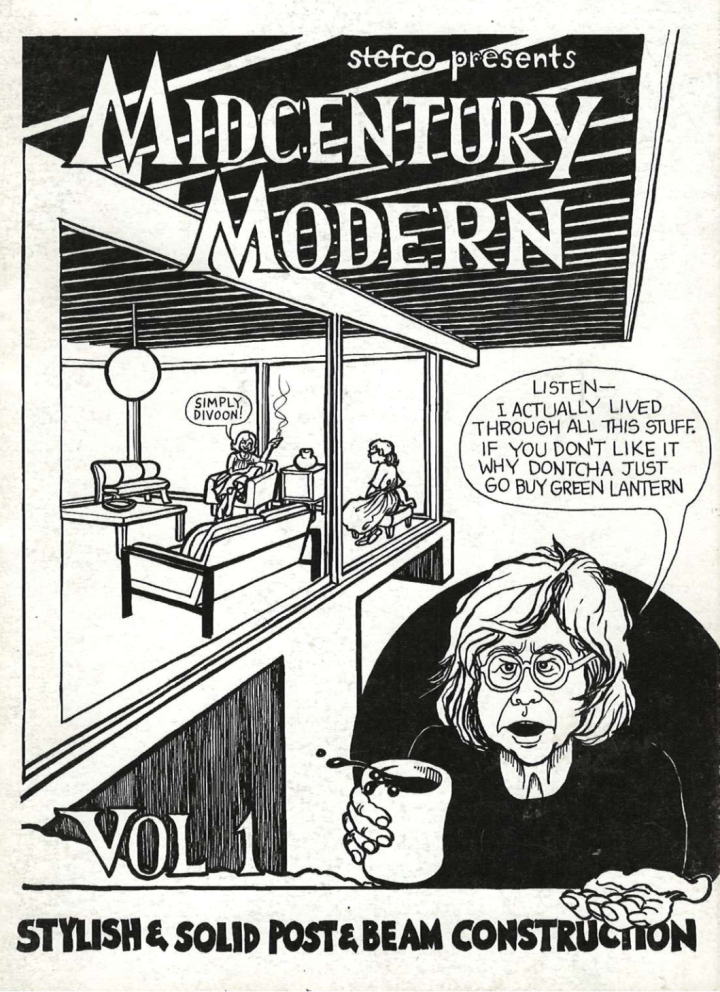
However, her legacy is not merely one of corporate ascent. In her later years, Cragg pivoted back to her roots in fine art, producing a singular, meticulously crafted comic book titled Midcentury Modern Vol. 1. The work, published under her "StefCo" imprint, stands as a testament to a woman who possessed an uncanny ability to "read" the public, whether through a television screen or a hand-drawn panel.
Chronology of a Trailblazer
The Foundation: The Salesman and the Wizard
The story begins in Chicago, rooted in the "middle-class grind" of the post-war era. Her father, Max Staffin, was a traveling salesman—a man of the road who possessed a hustler’s spirit. During the Second World War, Staffin parlayed a stockpile of foam rubber into a manufacturing empire that was eventually acquired by Sears. This "financial cushion," as her former partner Stephen Cragg describes it, provided Stefanie with the independence to pursue a life of creative risk rather than corporate safety.
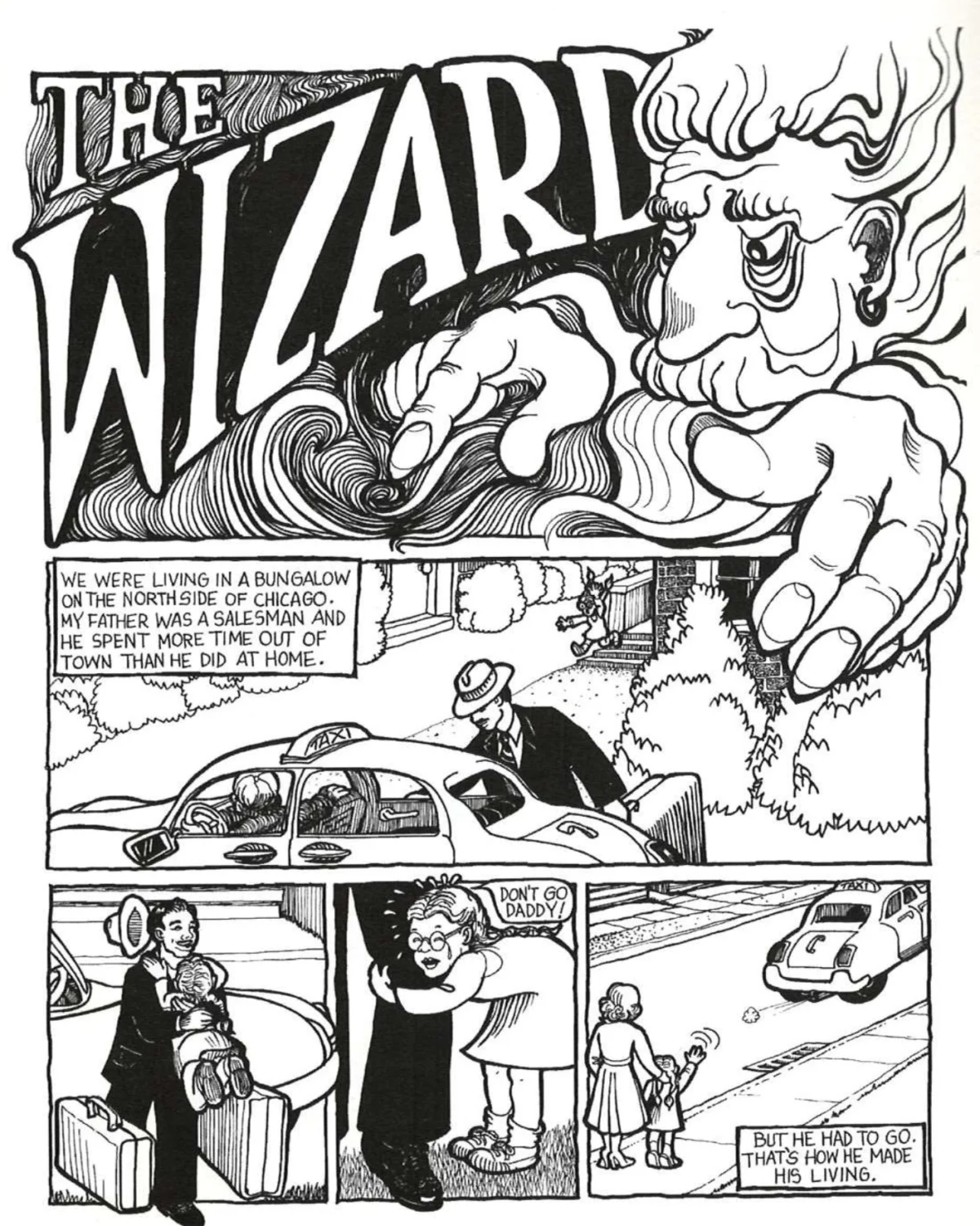
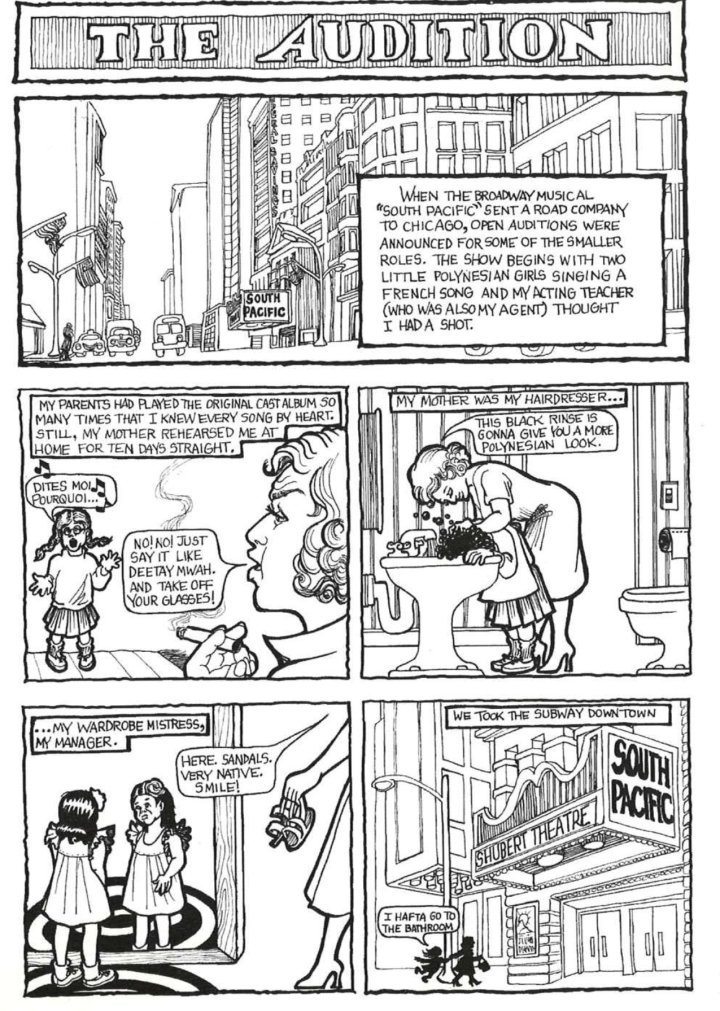
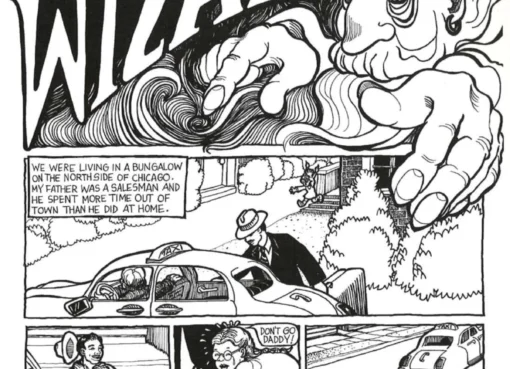
Her childhood was defined by these dualities: the rigorous expectations of a "can-do" mother—exemplified by grueling auditions for musical theater—and the clandestine "scams" of her father. In her comic, she recounts being "The Wizard," a childhood role where she would assist her father in card tricks over the phone to help him win bets in roadside bars. These moments formed the bedrock of her narrative voice: grounded, slightly cynical, and acutely aware of the "hustle."
The Radical Years and the Landers Apprenticeship
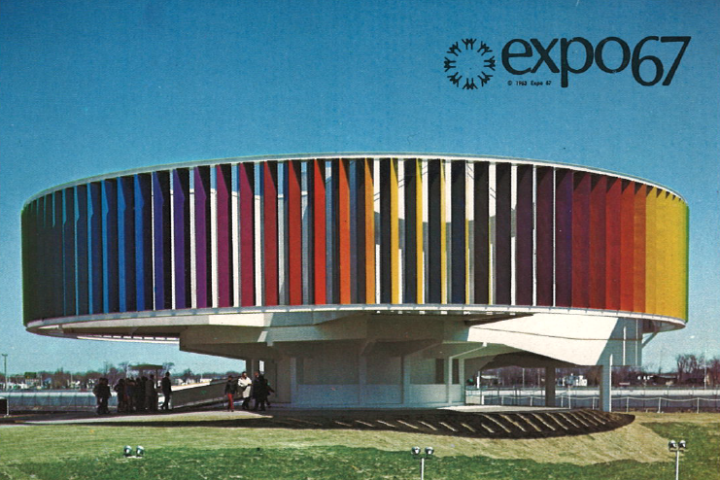
After attending art school, Stefanie’s life took a radical turn. She moved to Montreal during the Vietnam War, working as a marionettist and protesting the conflict at the 1967 World Expo in "Dior shit-kicker boots." This period established her as a woman of the counter-culture, a trait that would later make her a favorite among writers and creatives in Hollywood.
Upon returning to Chicago, she found employment with the legendary advice columnist Ann Landers. As part of a "crack team" of female ghostwriters, Stefanie learned to mimic Landers’ iconic voice, responding to thousands of letters from the American public. This role was a masterclass in empathy and mass communication. When Landers transitioned to talk radio, she took Stefanie with her as a producer, setting the stage for her television career.
The Hollywood Ascent: Universal and the Glass Ceiling
By the mid-1970s, Stefanie (then Kowal) was a rising star in Chicago television. Her work on A.M. Chicago earned her an Emmy in 1976, catching the attention of West Coast executives. Her transition to Hollywood was cinematic in its own right. After a bidding war between ABC and Universal, she joined Universal Television, becoming the VP of long-form programming by 1979.
During her tenure, she oversaw an adaptation of Little Women, an E.T. special featuring Robin Williams, and the original version of The Four Seasons. She was known for her "pure spirit" and her ability to give notes to writers without the condescension typically associated with the "executive suite."
The Final Pivot: From Pixels to Paper
By 1986, the allure of Hollywood had faded. Cragg walked away from the industry at the height of her power, eventually returning to art school to study architecture and design. This decades-long exploration culminated in the 2010s with the creation of Midcentury Modern.
Supporting Data: The Artistry of Midcentury Modern
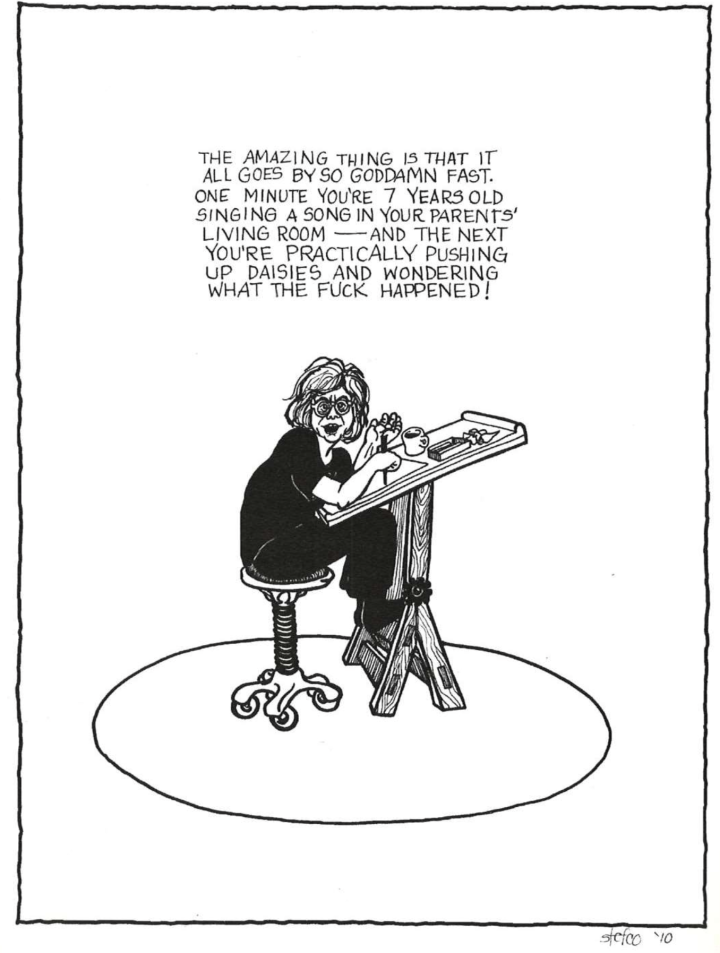
The comic Midcentury Modern is a stylistic anomaly. Despite its title, it eschews the sterile aesthetic of modernism for a gritty, detailed autobiographical style.
Technical Rigor
Cragg’s process was notoriously demanding. She refused to use pencils, opting to ink straight onto the page using only thumbnails as a reference. This "all-or-nothing" approach meant that a single mistake often resulted in the entire page being discarded.
Medium: Micron markers on heavy cardstock.
Influences: The meticulous cross-hatching of Robert Crumb and the cynical whimsy of Too Much Coffee Man (Dan Perkins).
Certification: Each copy of the first edition was hand-stamped and numbered, treating the comic more like a gallery program than a mass-market periodical.
Narrative Themes
The comic serves as a "bio-comic" of her past lives.
‘The Audition’: Explores the weight of maternal ambition and the fading era of the American musical.
‘The Wizard’: A gritty, Bukowski-esque look at her father’s gambling and the early loss of childhood innocence.
‘Expo ’67’: A reflection on political awakening and the power of personal style.
Official Responses and Memories
Stephen Cragg, Stefanie’s husband and a veteran TV director, remains the primary steward of her legacy. In interviews, he reflects on her uncompromising nature:
"She had a pure spirit, which is why I think she just lost her appetite for the Hollywood thing. She didn’t want to be a token executive; she wanted to create. When she saw Robert Crumb’s original art at the Hammer Museum and noticed he used White-out, she felt ‘authorized’ to finally use it herself. Before that, it was total perfectionism."
Regarding the unreleased Volume 2, Stephen notes:
"She finished the interiors for the second book just as the first was hitting shelves. It’s even funnier than the first. It’s just a matter of getting it together for the world to see."
Implications: The Lost Archive of Women’s History
The story of Stefanie Cragg highlights a recurring theme in American media history: the "invisible" influence of women who shaped the culture from behind the scenes. Cragg’s transition from a high-powered executive to an underground comic artist represents a reclamation of identity. In an industry that often discards women as they age, Cragg chose to pivot, using her "grounded voice" to document her life on her own terms.
The Call for Preservation
Currently, Midcentury Modern Vol. 1 exists largely as a collector’s item, with copies residing in specialized archives like the Michigan State University "New Wave" collection. The existence of a completed, yet unreleased, Volume 2 presents a significant opportunity for comic historians and feminist scholars.
Publishing houses such as Microcosm Publishing or institutions like the Billy Ireland Cartoon Library & Museum represent the ideal venues for a retrospective of Cragg’s work. Her legacy—spanning the golden age of talk shows, the blockbuster era of 80s television, and the DIY spirit of indie comics—offers a unique roadmap of the 20th-century creative life.
Final Reflection
Stefanie Cragg was a woman who conquered every medium she touched. Whether she was wearing Dior boots on a protest line, climbing onto a desk to accept a Hollywood contract, or hunched over a drawing board with a Micron marker, she remained "The Wizard"—a woman who knew exactly which card was being played. Her work reminds us that the most compelling stories aren’t always found on the silver screen; sometimes, they are found in the "dirt clods" of a self-published comic, waiting to be rediscovered by a new generation.
Main Facts: A Multi-Disciplinary Pioneer In the annals of Hollywood history, names like Kathleen Kennedy and Sherry Lansing are frequently cited as the glass-ceiling breakers of the executive suite. H
PORTLAND, OR — In a development that has sent shockwaves through the comic book industry, Dark Horse Comics finds itself embroiled in a bitter labor dispute just days after a landmark victory for its
The world of high-end collectibles has undergone a radical transformation over the last decade, evolving from a niche hobby into a sophisticated alternative asset class. This week, the auction market