Disney+’s "Wonder Man" Faces Abrupt Cancellation, Raising Questions About MCU Streaming Strategy
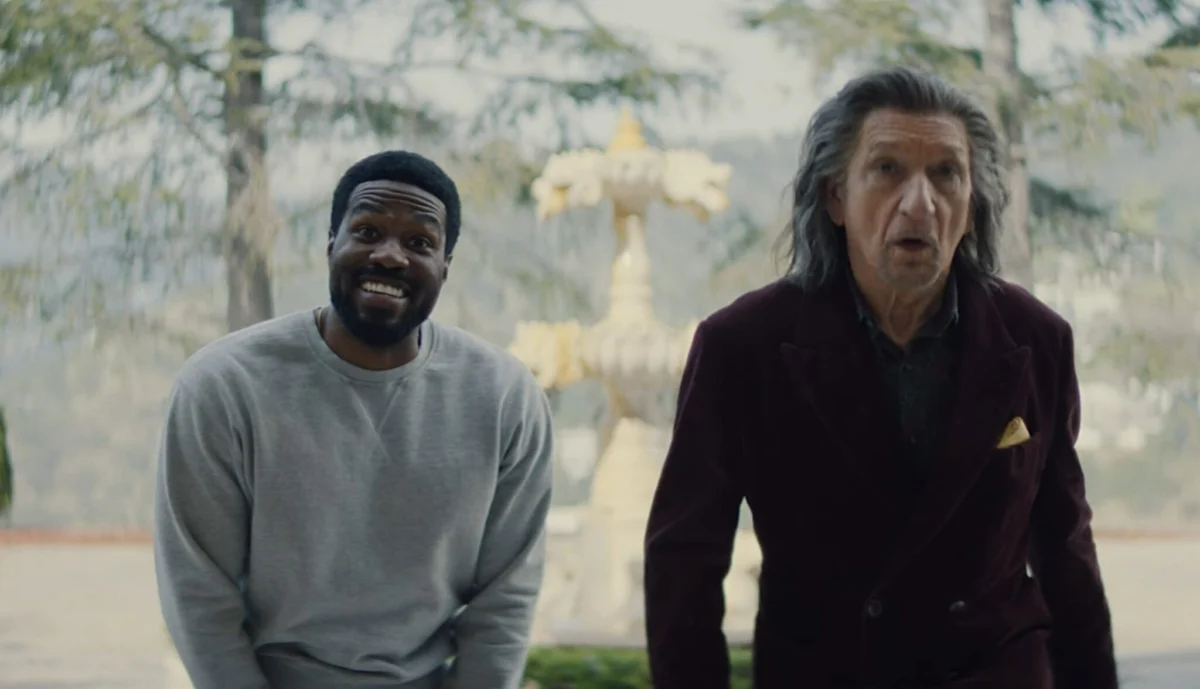
LOS ANGELES, CA – The highly anticipated Marvel Cinematic Universe (MCU) series Wonder Man, starring Yahya Abdul-Mateen II, is reportedly facing an abrupt cancellation of its second season at Disney+, despite earlier indications of a renewal and critical acclaim that garnered an Emmy nomination for its lead actor. The news, first broken by Variety, casts a shadow of uncertainty over the future of Marvel’s streaming endeavors and raises significant questions about the studio’s evolving content strategy.
Main Facts: A Sudden Reversal
Sources close to the production have informed Variety that Wonder Man Season 2 will not move forward, with the show’s writers reportedly released from their duties. Crucially, the writer’s room for the second season was never formally opened, suggesting that despite initial positive signals, concrete development had stalled. This development comes as a surprise, given previous reports earlier this year that suggested the series had been greenlit for a sophomore run, an anomaly in Disney+’s Marvel television landscape where second seasons are a rarity.
Adding to the perplexity is the show’s strong critical reception and the recent Emmy nomination for Yahya Abdul-Mateen II in the category of Outstanding Lead Actor. Such recognition typically signals confidence in a project’s creative direction and potential for continuation, making the reported cancellation particularly puzzling for industry observers and fans alike. While an official announcement from Disney+ or Marvel Studios has yet to be made, the implications of this decision are far-reaching. The report indicates that while the series itself is effectively ending, the characters introduced in Wonder Man could still make appearances in other MCU projects, leaving a potential lifeline for Simon Williams and his burgeoning Hollywood journey.
Chronology of Confusion: From Buzz to Betrayal
The journey of Wonder Man to the brink of cancellation has been marked by a series of confusing signals, reflecting what many perceive as a period of flux within Marvel Studios’ streaming division.
Early Development and Production (Circa 2021-2023):
The Wonder Man series was first announced with considerable fanfare, positioning itself as a unique blend of superhero action and Hollywood satire. Destin Daniel Cretton, director of Shang-Chi and the Legend of the Ten Rings, was tapped to develop the series, with Andrew Guest (known for his work on Brooklyn Nine-Nine and Community) serving as head writer. Yahya Abdul-Mateen II’s casting as Simon Williams, the titular Wonder Man, an actor and stuntman who gains superpowers, generated significant buzz, promising a fresh take on the MCU’s expanding roster of characters. Production proceeded, with initial set photos and leaks further fueling anticipation for its eventual Disney+ debut. The series was designed to explore themes of celebrity, identity, and the moral complexities of heroism through a comedic lens.
Release and Critical Acclaim (Date of release assumed to be prior to Emmy nomination):
Upon its release on Disney+, Wonder Man quickly garnered positive reviews from critics. Many praised its distinctive tone, which blended superheroics with a sharp, satirical look at the entertainment industry. Yahya Abdul-Mateen II’s performance, in particular, was highlighted as a standout, capturing the nuanced blend of charm, vulnerability, and internal conflict required for the character. The show’s unique approach was seen as a refreshing departure from some of the more formulaic entries in the MCU’s streaming library, resonating with those looking for more character-driven narratives. This critical success culminated in Abdul-Mateen II receiving an Emmy nomination for Outstanding Lead Actor, a significant achievement for a freshman series in a highly competitive landscape.
Reported Season 2 Renewal (Earlier This Year):
Following its critical success and Emmy recognition, reports emerged earlier this year suggesting that Wonder Man had secured a Season 2 renewal. This news was met with cautious optimism within the industry, as it represented a rare occurrence for Marvel TV shows on Disney+. Apart from Loki and the forthcoming Daredevil: Born Again, very few MCU series had progressed beyond their initial season. The perceived renewal of Wonder Man was interpreted by many as a potential shift in Marvel’s strategy, indicating a willingness to invest in and cultivate creatively successful shows beyond a single-season run, fostering continuity and deeper character development. It suggested that Disney and Marvel recognized the show’s creative potential and were ready to embrace a "new era" of multi-season narratives.
The Abrupt Cancellation Report (Recent):
The current reports from Variety directly contradict these earlier positive signals. The revelation that the writers have been released and that a writer’s room was never formally established for Season 2 points to a fundamental disconnect between internal development and external reporting. This sudden reversal has left many questioning the transparency of Marvel’s decision-making processes and the stability of its long-term plans for its Disney+ content. The lack of an official statement only amplifies the confusion, leaving fans and industry professionals to piece together the implications from leaked information.
Supporting Data: A Shifting Streaming Landscape
The reported cancellation of Wonder Man Season 2 must be viewed within the broader context of significant shifts in Disney’s streaming strategy, Marvel Studios’ creative direction, and the overall economics of the entertainment industry.
The "One-and-Done" Marvel TV Trend:
As noted in the original article, second seasons for Marvel shows on Disney+ are an extreme rarity. Loki, a critical and commercial darling, received a second season, and Daredevil: Born Again is a special case, essentially rebooting a beloved Netflix series. Other shows like WandaVision, The Falcon and the Winter Soldier, Hawkeye, Moon Knight, Ms. Marvel, and Secret Invasion have all been presented as limited series or have concluded without immediate plans for continuation. This "one-and-done" model has been a point of contention for fans desiring more sustained character arcs, but it has also allowed Marvel to rapidly introduce new characters and concepts into the sprawling MCU. Wonder Man‘s initial reported renewal was, therefore, a significant departure from this established pattern, making its subsequent cancellation all the more impactful.
Mysterious Streaming Numbers vs. Critical Acclaim:
The original report highlights that Wonder Man‘s streaming numbers were "something of a mystery" and that it "only briefly appeared on the top 10 charts." This contrasts sharply with its critical success and Emmy nomination. In the streaming era, internal viewership data is often guarded, making it difficult for outsiders to gauge true performance. However, traditional metrics like critical reception and awards nominations still hold significant weight in validating a show’s quality and prestige. The discrepancy between apparent viewership and undeniable critical acclaim poses a difficult question for Disney: Is the focus solely on raw engagement numbers, or is there still value placed on artistic merit and awards recognition, especially for a brand like Marvel? This conflict reflects a broader industry debate about the metrics of success in the streaming age.
Disney’s Cost-Cutting and Strategy Pivot:
Over the past year, The Walt Disney Company has undergone significant strategic shifts under CEO Bob Iger, prioritizing profitability and efficiency across its divisions, including Disney+. This has translated into aggressive cost-cutting measures, a re-evaluation of content spend, and a renewed focus on quality over quantity. Projects that do not demonstrate clear pathways to audience engagement or financial return are under increased scrutiny. This pivot has affected numerous projects across Disney’s various studios, leading to cancellations, delays, and even content removal from streaming platforms. It is plausible that Wonder Man, despite its critical praise, fell victim to these broader economic considerations if its internal performance metrics did not align with the company’s new, stricter profitability goals.
Marvel Studios’ "Quality Over Quantity" Mandate:
Concurrent with Disney’s corporate strategy, Marvel Studios itself has acknowledged a need to recalibrate its approach to content output, particularly for Disney+. Following a period of rapid expansion with numerous series and films, there has been a perceived "superhero fatigue" among some audiences. Kevin Feige, President of Marvel Studios, has publicly stated a commitment to slowing down production and focusing on higher quality and more impactful storytelling. This strategic refinement aims to ensure that each new project feels significant and essential to the overarching MCU narrative. The cancellation of Wonder Man Season 2, even if creatively sound, could be an unfortunate casualty of this larger push to streamline the MCU’s narrative threads and prioritize projects deemed most central to its future.
Talent Implications:
Yahya Abdul-Mateen II’s Emmy nomination is a significant achievement and a testament to his performance. The cancellation, if confirmed, would undoubtedly be a blow to the actor and the creative team who poured their efforts into the show. While the report suggests his character, Simon Williams, could appear elsewhere, losing a dedicated series for such a high-caliber talent is a missed opportunity for character development within the MCU and a blow to the momentum his performance had generated.
Official Responses: Silence Amidst Speculation
As of the time of this report, neither Disney+ nor Marvel Studios has issued an official statement regarding the alleged cancellation of Wonder Man Season 2. This silence is typical of studios facing difficult decisions about ongoing projects, especially when the news involves a reversal of previous expectations.
The lack of an official response serves several purposes:
- Damage Control: By not confirming the news immediately, the studio can control the narrative, prepare a more measured public statement, or potentially even explore alternative solutions (though the report of writers being released suggests this is unlikely).
- Maintaining Options: While the cancellation of a dedicated series may be certain, the possibility of integrating characters into other projects (as suggested by Variety) means that outright confirmation of "cancellation" might be avoided in favor of a more ambiguous "not moving forward with a second season" or "exploring other avenues for the character."
- Internal Communication: Studios often prefer to inform internal teams and affected talent before making public announcements, to manage expectations and morale.
- Avoiding Negative Publicity: An official cancellation, particularly for a critically acclaimed show with an Emmy-nominated lead, generates negative headlines and can impact investor confidence or subscriber perception. Delaying or softening the announcement can mitigate some of these effects.
However, this silence also creates a vacuum for speculation, fueling fan frustration and uncertainty within the industry. The absence of clear communication can erode trust and make future strategic shifts even harder to implement transparently.
Implications: A Shifting Tide for the MCU and Disney+
The reported cancellation of Wonder Man Season 2 carries significant implications for the future direction of the Marvel Cinematic Universe, Disney+’s original content strategy, and the broader relationship between creative success and commercial viability in the streaming era.
For the Marvel Cinematic Universe:
- Narrative Uncertainty: The MCU has been meticulously planned, with streaming series often designed to feed into larger cinematic narratives. The abrupt end of Wonder Man as a standalone series, especially one that could have explored the unique intersection of superheroics and Hollywood, creates a gap. While characters might reappear, the depth of development afforded by a multi-season show is lost. This could force Marvel to condense character arcs or integrate them less organically into other projects.
- Character Development: Simon Williams/Wonder Man is a character with rich comic book history, known for his unique powers, complex moral compass, and connections to other heroes. A full second season would have allowed for deeper exploration of his powers, his mental health struggles, and his place in the broader superhero community. Losing this dedicated platform means that his potential growth and impact within the MCU might be curtailed or rushed.
- Creative Diversity: Wonder Man was praised for its distinct tone and satirical edge. Its cancellation might signal a preference for more traditional superhero narratives, potentially stifling creative experimentation within the MCU’s streaming arm. This could be a concern for fans and critics hoping for a wider variety of storytelling approaches.
For Disney+ and its Content Strategy:
- Focus on Profitability: This decision strongly reinforces Disney’s overarching pivot towards profitability in streaming. It suggests that critical acclaim and awards potential alone may not be enough to secure a future for a series if it doesn’t meet specific, undisclosed internal viewership or cost-efficiency benchmarks. This will likely lead to even more stringent evaluations of upcoming and existing projects.
- Subscriber Retention vs. Acquisition: The initial strategy of Disney+ was heavily focused on subscriber acquisition through a massive volume of brand-name content. The current strategy appears to be shifting towards retaining existing subscribers with high-quality, impactful content that justifies the subscription cost, while also managing content budgets more tightly. Wonder Man‘s cancellation could be a casualty of this strategic evolution.
- The "New Era" Derailed: The initial reports of Wonder Man‘s renewal had optimistically suggested a "new era" for Marvel TV, moving beyond the limited series model. This cancellation dashes those hopes, reaffirming the "one-and-done" trend as the default for most Marvel Disney+ offerings. It indicates that the path to multi-season arcs remains exceptionally narrow.
- Talent Uncertainty: For creators, writers, and actors, this kind of reversal creates uncertainty. Even a project with critical success and an Emmy nomination is not safe. This could impact future talent attraction or retention if there’s a perception of instability or a lack of long-term commitment to projects.
For the Broader Entertainment Industry:
- Streaming Metrics Debate: The Wonder Man situation highlights the ongoing opacity surrounding streaming viewership data. Without transparent metrics, it remains challenging to understand how creative success aligns with commercial viability in the streaming world. This continues to fuel debate about how "success" is truly defined by streaming platforms.
- The Value of Awards: While an Emmy nomination is a prestigious honor, its apparent inability to save Wonder Man Season 2 raises questions about the tangible impact of awards on a show’s longevity in the current streaming climate, particularly when pitted against undisclosed internal metrics.
As the industry awaits an official word from Disney+ and Marvel Studios, the reported cancellation of Wonder Man Season 2 stands as a potent symbol of the volatile and rapidly evolving landscape of superhero television and streaming content as a whole. It underscores a challenging period of recalibration, where even critically praised projects with acclaimed talent are not immune to the economic realities and strategic shifts of major studios. The "behind-the-scenes story" of Wonder Man is indeed far from fully told, and its conclusion could well offer a significant lesson for the future of serialized superhero storytelling.