
The Necromorph Stagnation: Why Dead Space 4 Remains a ‘Dinosaur Fossil’ in a Live-Service Era
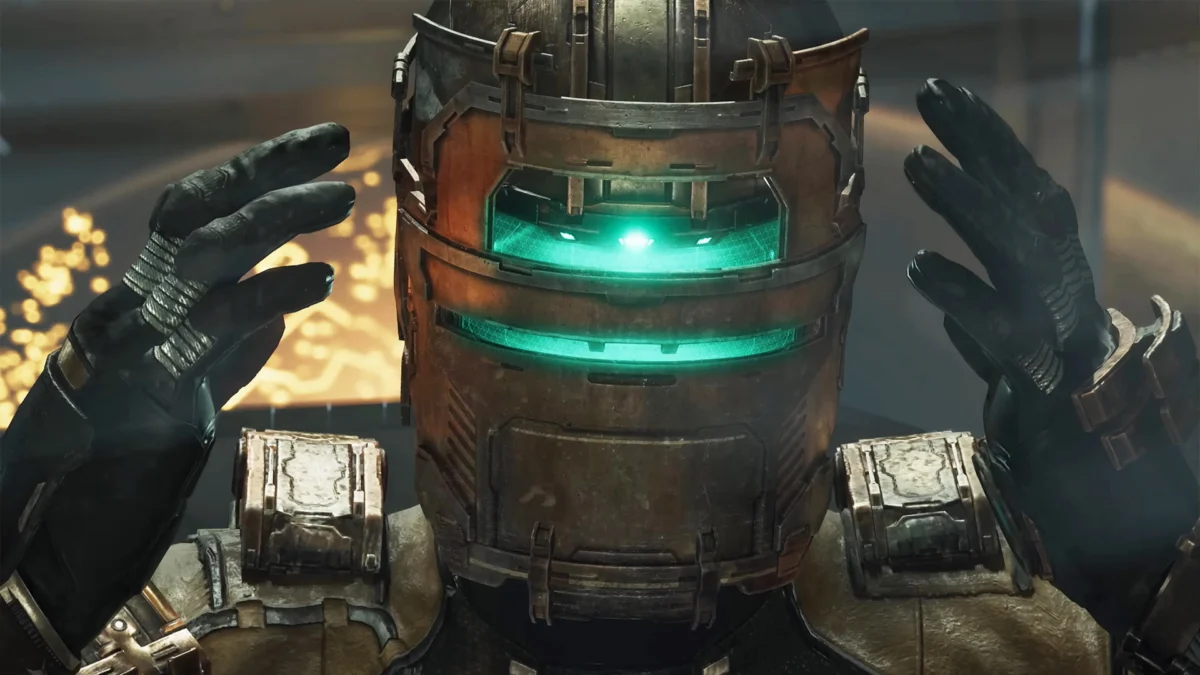
The survival horror genre has long been defined by its ability to evoke vulnerability, dread, and a desperate struggle for survival. Yet, for the Dead Space franchise—a series that arguably perfected the "industrial horror" aesthetic—the greatest threat isn’t the biological terror of the Necromorphs, but the cold, clinical mathematics of modern triple-A game publishing.
Recent insights from Chuck Beaver, a veteran producer who worked on the original trilogy at the now-defunct Visceral Games, have shed new light on the systemic barriers preventing the realization of Dead Space 4. Speaking to FRVR, Beaver articulated a grim reality: in the eyes of Electronic Arts (EA), the single-player, narrative-driven package is increasingly viewed as a "dinosaur fossil of a business model." Despite the critical success of the 2023 remake, the franchise remains trapped in a vacuum, caught between a fervent but limited fan base and the astronomical revenue expectations of a "Fortnite-era" industry.
Main Facts: The Economic Paradox of Quality Horror
The central tension surrounding Dead Space lies in the discrepancy between its cultural impact and its commercial velocity. Chuck Beaver’s recent commentary highlights three primary factors contributing to the series’ current hiatus:
- The "Horror Ceiling": Unlike broad-appeal genres like first-person shooters or open-world RPGs, horror is inherently restrictive. Its goal is to unsettle and stress the player, which naturally limits its total addressable market.
- Ballooning Production Costs: While five million units sold might have been a "safe" target during the Xbox 360/PS3 era, the escalating costs of high-fidelity development in the 2020s have moved the goalposts. For a project to be viable for a publisher like EA, it must now compete with "perennial money-makers."
- The Live-Service Mandate: Major publishers are prioritizing "games as a service" (GaaS)—titles that offer recurring revenue through microtransactions, battle passes, and long-term engagement. A single-player horror game, which typically offers a 12-to-15-hour experience with no secondary monetization, struggles to justify its budget in this corporate climate.
Beaver’s observations are supported by the recent performance of the Dead Space remake (2023). Developed by EA Motive, the remake was a critical triumph, earning near-perfect scores and being hailed as a masterclass in modernizing a classic. However, reports suggest that the sales figures—while respectable—fell short of EA’s internal projections, leading to the reported cancellation or shelving of a potential Dead Space 2 remake or a brand-new sequel.
Chronology: The Rise, Fall, and Failed Resurrection of Visceral’s Vision
To understand why Dead Space 4 is currently non-existent, one must look at the tumultuous history of the franchise and its creators.
2008–2011: The Golden Age
The original Dead Space (2008) was a breakout hit for EA, proving that the publisher could innovate within the horror space. Dead Space 2 (2011) further refined the formula, balancing action and atmosphere perfectly. At this stage, the franchise was the darling of the industry.
2013: The Tipping Point
With Dead Space 3, EA began exerting pressure on Visceral Games to broaden the game’s appeal. The introduction of co-op play and microtransactions for crafting materials was a transparent attempt to reach the "Call of Duty" audience. While the game was a technical achievement, it diluted the horror elements that fans loved. It failed to meet EA’s lofty sales target of five million copies, leading to the franchise being put on ice.
2017: The End of Visceral Games
EA officially closed Visceral Games. While the studio was working on a Star Wars project at the time (Project Ragtag), the closure signaled the end of the original creative team behind Dead Space.
2021–2023: The Motive Era
EA announced a ground-up remake of the first game, developed by EA Motive. This was seen as a "test case" for the franchise’s viability in the modern era. The remake launched in January 2023 to critical acclaim.
late 2023–2024: The Cold Reality
Following the remake’s release, rumors began to swirl that Motive had pitched a sequel or a remake of the second game, but EA had moved the team to other projects, including an Iron Man title and assisting with the Battlefield franchise. In November 2024, original creator Glen Schofield confirmed in an interview with Dan Allen Gaming that his own attempts to pitch Dead Space 4 were met with a lack of interest from EA leadership.
Supporting Data: Comparing the Titans of Horror
The primary benchmark for success in the survival horror genre is Capcom’s Resident Evil series. However, as Chuck Beaver points out, even the gold standard of the genre highlights the difficulty Dead Space faces.

| Title | Estimated Sales | Context |
|---|---|---|
| Resident Evil 4 Remake | 7 Million+ (in 2 months) | Benefit of a 25-year legacy and multi-platform dominance. |
| Dead Space (2023 Remake) | Estimated 2 Million (First month) | High critical praise, but slower tail-end sales compared to RE. |
| Resident Evil Village | 10 Million+ | Demonstrates the "ceiling" for top-tier horror. |
| The Callisto Protocol | ~2 Million | Spiritual successor by Glen Schofield; considered a commercial failure relative to its $160M+ budget. |
Beaver notes that while Resident Evil manages to move seven to ten million units, those numbers are still dwarfed by live-service giants like Fortnite, Apex Legends, or Call of Duty. For a company the size of EA, which manages multi-billion dollar franchises, a "successful" horror game that nets a modest profit is often viewed as an opportunity cost—money and talent that could have been spent on a "perennial money-maker."
The "cost of things," as Beaver puts it, refers to the $100M–$200M budgets required for modern AAA titles. If a game costs $150M to make and market, selling five million copies at a standard retail price (after platform cuts and discounts) barely allows the project to break even. In the eyes of shareholders, "breaking even" is a failure.
Official Responses and Studio Shifts
The official stance from EA has remained largely non-committal, a standard tactic for protecting brand value without promising future investment. However, the actions of the company speak louder than press releases.
Following the release of the Dead Space remake, EA Motive’s leadership was restructured. Patrick Klaus, General Manager of Motive, confirmed that the studio is now focusing on two major pillars: the upcoming Iron Man game and the future of the Battlefield universe. While Klaus praised the work done on Dead Space, the lack of a sequel announcement in the two years since the remake’s launch suggests the project is not a priority.
Glen Schofield’s November 2024 interview further corroborated this. Schofield, who left EA years ago to form Striking Distance Studios, revealed that he had approached EA with a pitch for Dead Space 4 that would have returned the series to its roots while utilizing modern tech. EA reportedly declined, citing a lack of interest in the IP at the executive level. This rejection is particularly telling, as it suggests that even with the original creator at the helm, the financial math simply does not "math" for EA.
Implications: The Future of AAA Survival Horror
The stagnation of Dead Space reflects a broader crisis in the "Middle-AAA" space. The industry is currently bifurcating into two extremes: massive, multi-year live-service platforms and smaller, agile indie titles. The high-budget, single-player "prestige" game is becoming a rare species, usually reserved for platform holders like Sony or Nintendo who use them as loss leaders to sell hardware.
1. The "Indiefication" of Horror
If the AAA space continues to reject single-player horror, the genre’s innovation will likely move entirely to the indie and AA sectors. Titles like Signalis, Amnesia: The Bunker, and Alan Wake 2 (which, despite its high production values, was a massive risk for Remedy) show that horror can thrive when the budget is managed more conservatively or when the developer has more creative autonomy.
2. The IP Ghost Town
EA’s treatment of Dead Space is a cautionary tale for other legacy IPs. If a 9/10 remake cannot justify a sequel, it implies that many beloved franchises from the 2000s may never see the light of day again. They exist as "dinosaur fossils"—remnants of a time when selling five million copies was a cause for celebration rather than a reason for cancellation.
3. The Search for the "Next Fortnite"
The industry’s obsession with the "perennial money-maker" means that unique, atmospheric experiences are often sacrificed for the sake of engagement metrics. As Chuck Beaver noted, companies are no longer looking for a "good game"; they are looking for a "platform." Dead Space, by its very nature, is a closed-ended experience. You play it, you are terrified, you finish it, and you move on. In the current corporate landscape, "moving on" is exactly what publishers want to prevent.
Conclusion
The tragedy of Dead Space is that it did everything right. The developers at Visceral created a masterpiece; the developers at Motive updated it with reverence and skill. The fans remain "fervent," and the critics remain supportive. Yet, in an era where the "cost of things" has outpaced the "ceiling" of the horror genre, Isaac Clarke remains adrift in the void.
For Dead Space 4 to exist, EA would need to embrace a business model that values artistic prestige and steady, moderate returns over the "all-or-nothing" pursuit of the next live-service phenomenon. Until then, the series remains a chilling reminder of a bygone era—a fossil of a time when the quality of the scare was more important than the frequency of the microtransaction.


Leave a Comment