MoMA Illuminates a Century of Animation with Landmark Exhibition
New York, NY – July 30, 2026 – The Museum of Modern Art (MoMA) is poised to unveil a monumental exhibition, "It’s Alive! A Century of Animation from the Collection," offering an unprecedented journey through the evolution of animated art. Spanning over a hundred years, from the dawn of the 20th century to the digital age, the exhibition promises to be a comprehensive retrospective, showcasing more than 200 works drawn from MoMA’s vast and storied archives. This ambitious undertaking will provide a vital platform for recognizing animation’s artistic merit, its cultural impact, and its often-overlooked pioneers.
The exhibition, which opens its doors to the public on August 1st and will be on display through the summer of 2027, is a testament to MoMA’s commitment to preserving and celebrating the diverse landscape of cinematic and artistic expression. "It’s Alive!" is not merely a collection of moving images; it is a carefully curated exploration of the techniques, innovations, and artistic visions that have shaped animation into the powerful storytelling medium it is today. Through original production artwork, rare film prints, and a wealth of related materials, visitors will gain an intimate understanding of the painstaking craftsmanship and creative ingenuity that underpins this vibrant art form.
A Rich Tapestry of Animation History
At its core, "It’s Alive! A Century of Animation from the Collection" delves into the rich history of animation as practiced by over 35 distinct artists and filmmakers. The exhibition places a significant emphasis on the influential New York animation scene that flourished before the widespread adoption of digital technologies. This focus highlights a crucial period where traditional hand-drawn techniques, intricate model work, and pioneering experimental approaches laid the groundwork for contemporary animation practices.
The roster of artists featured reads like a who’s who of animation luminaries, many of whom have left an indelible mark on the industry and continue to inspire new generations. Among those whose groundbreaking work will be showcased are:
- Jane Aaron: Known for her innovative and often deeply personal animated films.
- John Canemaker: A celebrated animator, director, and historian, whose contributions to independent animation are significant.
- Sally Cruikshank: Renowned for her distinctive, often surreal, and highly stylized animated shorts.
- Tissa David: A pioneering animator and educator whose work often explored nuanced emotional landscapes.
- David Ehrlich: An artist whose experimental animations pushed the boundaries of the medium.
- George Griffin: A key figure in independent animation, known for his unique visual style and thematic depth.
- Emily and Faith Hubley: A legendary husband-and-wife duo whose collaborative work is celebrated for its artistic integrity and emotional resonance.
- Candy Kugel: An animator and producer recognized for her work in both independent and commercial animation.
- Jeff Scher: An animator and filmmaker whose visually rich and often personal narratives have garnered critical acclaim.
- Michael Sporn: A prolific independent animator whose work often dealt with literary adaptations and social themes.
The exhibition promises a breathtaking array of iconic pieces, offering a tangible connection to animation’s storied past. Visitors can anticipate marveling at:
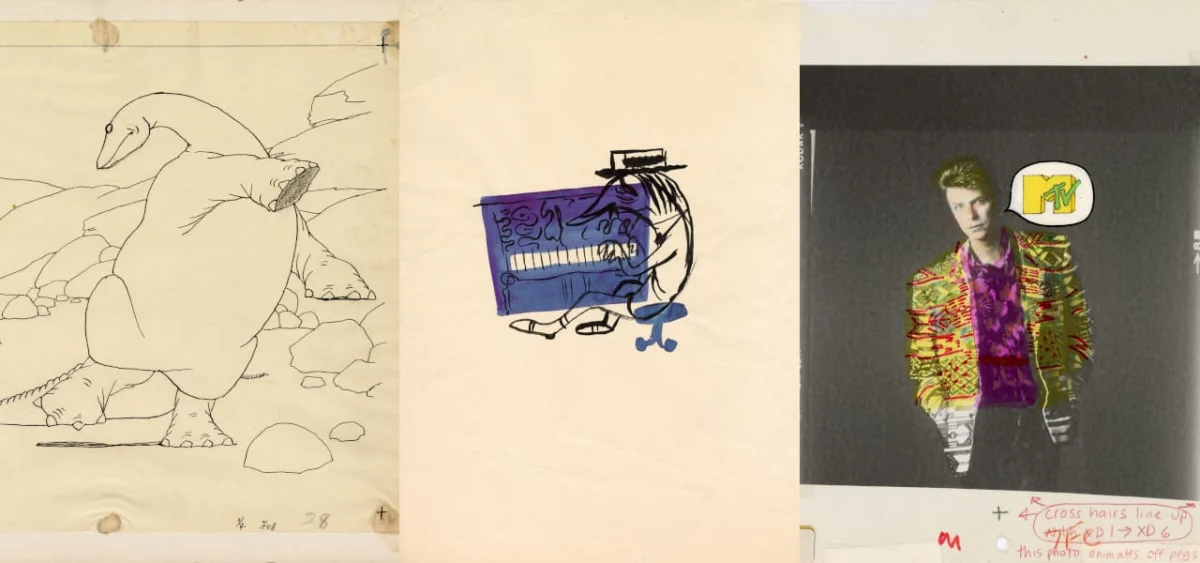
- An original drawing from Winsor McCay’s "Gertie the Dinosaur" (1914), a landmark achievement in early character animation that demonstrated the potential for personality and narrative in the medium.
- A cel from Sally Cruikshank’s "Quasi at the Quackadero" (1975), a visually dazzling and surreal work that exemplifies her unique artistic vision.
- Concept art from John Hubley’s "Rooty Toot Toot" (1951), a vibrant and influential short that showcased a bold, graphic style.
- A pre-production drawing from Tissa David’s "Raggedy Ann & Andy: A Musical Adventure" (1977), offering insight into the meticulous planning behind this beloved feature film.
- A selection of artwork created for films by Kathy Rose, Faith Hubley, and Jane Aaron, each representing a distinct and vital voice in independent animation.
Beyond individual artist contributions, "It’s Alive!" also extends its gaze to broader cultural touchstones and influential studios. The exhibition will feature significant artifacts from:
- Felix the Cat: One of the earliest animated cartoon characters to achieve widespread popularity, representing a pivotal moment in animation’s commercialization.
- Famous Studios: The animation division of Paramount Pictures, responsible for iconic characters like Popeye and Casper the Friendly Ghost, showcasing the output of a major studio system.
- MTV: The exhibition will acknowledge the network’s role in popularizing animation for a new generation through its innovative music videos and original programming.
Furthermore, the exhibition will honor the pioneering work of international figures such as Lotte Reiniger, whose silhouette animations were groundbreaking, and Hans Richter, an avant-garde filmmaker whose experimental approach profoundly influenced the visual arts. Together, these diverse elements underscore the exhibition’s comprehensive scope, meticulously documenting animation’s development across commercial, independent, and avant-garde production over more than a century. As the article notes, "There’s a little bit of everything," a statement that hints at the exhibition’s rich and varied content.
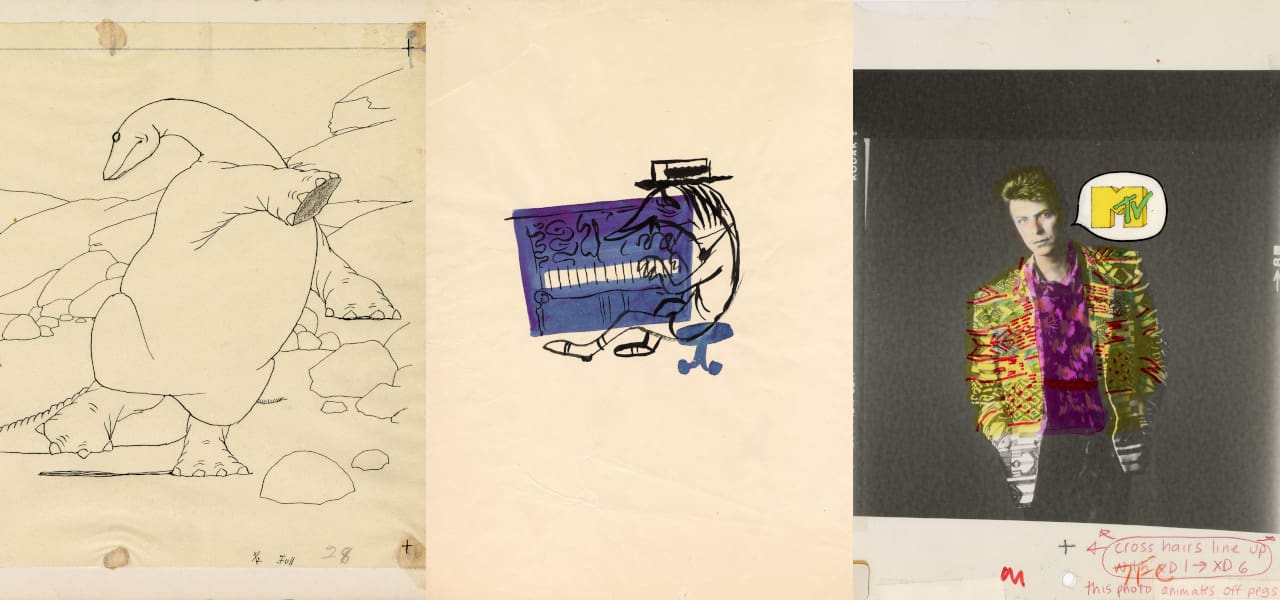
A Chronological Journey Through Innovation
The exhibition’s strength lies not only in its breadth of content but also in its implicit chronological narrative, tracing the technological and artistic evolution of animation. From the painstaking frame-by-frame drawings of early pioneers like Winsor McCay to the experimental techniques of Lotte Reiniger and the sophisticated independent productions of the latter half of the 20th century, "It’s Alive!" provides a visual timeline of innovation.
The Dawn of Animation (Early 20th Century): The exhibition will undoubtedly feature early examples of animation, likely including works that showcase the foundational techniques of stop-motion and hand-drawn animation. The inclusion of Winsor McCay’s "Gertie the Dinosaur" is particularly significant, as it represents a crucial step in establishing animation as a narrative art form with engaging characters. This period was characterized by immense experimentation, as artists grappled with the very principles of bringing static images to life.
The Studio System and the Rise of Commercial Animation (Mid-20th Century): The contributions of entities like Famous Studios highlight the era when animation became a significant part of the entertainment industry. This section would likely explore the development of standardized production methods, the creation of iconic characters that became household names, and the challenges and triumphs of large-scale animation production. The presence of artifacts related to Felix the Cat further solidifies this era’s importance in animation’s popularization.
The Independent and Experimental Renaissance (Late 20th Century): The inclusion of artists like Sally Cruikshank, John Canemaker, and the Hubleys points to a vibrant counter-narrative – the independent animation scene. This period saw a surge in personal expression, artistic experimentation, and a move away from purely commercial imperatives. Works from this era often pushed stylistic boundaries, explored complex themes, and demonstrated the artistic potential of animation beyond mainstream entertainment. The pre-production drawings for "Raggedy Ann & Andy" offer a glimpse into the collaborative and detailed process of creating feature-length animated films within this evolving landscape.
The Transition to Digital and Contemporary Practices (Late 20th Century – 2020): While the article emphasizes artists who worked before the digital revolution, the exhibition’s timeframe extends to 2020. This suggests that "It’s Alive!" will also touch upon the transformative impact of digital technology on animation production. While specific examples are not detailed in the provided text, one can infer that the exhibition will implicitly or explicitly acknowledge how digital tools have democratized animation, expanded creative possibilities, and influenced contemporary animation aesthetics. The inclusion of MTV’s impact also speaks to the evolving ways animation reached audiences in the late 20th century.
Supporting Data and Curatorial Vision
The sheer volume of works on display – over 200 pieces spanning a century – underscores the depth and breadth of MoMA’s animation collection. This extensive collection serves as the bedrock for "It’s Alive!", allowing curators to present a nuanced and comprehensive narrative. The exhibition is the result of a collaborative effort by a dedicated curatorial team:
- Ron Magliozzi: Curator, likely responsible for the overall vision and thematic coherence of the exhibition.
- Francisco Valente: Curatorial Associate, supporting the research, acquisition, and exhibition design processes.
- Katie Trainor: Senior Collections Manager, ensuring the preservation, organization, and accessibility of the collection’s artifacts.
- Cara Shatzman: Collections Specialist, contributing expertise in managing and interpreting specific aspects of the collection.
This team’s collective expertise is crucial in selecting and contextualizing the artworks, ensuring that "It’s Alive!" goes beyond a mere display of historical objects to offer a meaningful exploration of animation’s artistic and cultural significance. The exhibition’s focus on artists who often worked in New York before the digital age is a deliberate choice to highlight a critical period of creative development and to honor the legacy of local artistic innovation.
.png)
The Broader Cultural Impact and Implications
"It’s Alive! A Century of Animation from the Collection" is more than just an art exhibition; it is a significant cultural event with far-reaching implications. By dedicating a major retrospective to animation, MoMA is not only acknowledging the medium’s artistic legitimacy but also its profound impact on global culture.
Elevating Animation’s Status: For too long, animation has been relegated to the realm of children’s entertainment or considered a secondary art form. MoMA’s exhibition actively challenges these perceptions, positioning animation as a complex and sophisticated medium capable of profound artistic expression, social commentary, and emotional depth. This institutional validation can inspire greater critical appreciation and scholarly interest in animation studies.
Preserving Artistic Legacies: The exhibition serves as a vital act of preservation, bringing to light works that might otherwise remain unseen or forgotten. By showcasing original production artwork and rare films, MoMA ensures that the tangible heritage of animation is safeguarded for future generations. This is particularly important for independent and experimental animation, which often lacks the commercial backing for extensive archival efforts.
Inspiring Future Creators: For aspiring animators, filmmakers, and artists, "It’s Alive!" offers an invaluable educational resource. Witnessing the ingenuity, dedication, and artistic vision of past masters can ignite creativity and provide a deeper understanding of the craft. The exhibition can serve as a springboard for new innovations and a reminder of the enduring power of hand-crafted artistry in an increasingly digital world.
A Complementary Cinematic Experience: The announcement of a theatrical retrospective of animated shorts and features running concurrently with the gallery exhibition further enhances the immersive experience. This program will offer audiences the opportunity to see many of the works represented in the exhibition in motion, providing a complete understanding of their artistic impact. The inclusion of films by artists featured in the show and other animators from MoMA’s collection ensures a holistic cinematic journey that complements the visual display of artwork. While screening details are yet to be announced, this parallel programming is a critical component of appreciating animation as a moving art form.
In conclusion, MoMA’s "It’s Alive! A Century of Animation from the Collection" promises to be a landmark event in the art world. It is a celebration of a century of innovation, artistry, and cultural impact, offering a compelling and comprehensive look at the diverse and dynamic history of animation. The exhibition serves as a powerful reminder that animation, in all its forms, is a vital and enduring testament to human creativity.