The Daywalker’s Final Sunset: Mahershala Ali Breaks Silence on the Collapse of Marvel’s Blade
The cinematic landscape of the Marvel Cinematic Universe (MCU) has always been one of sharp contrasts—between cosmic spectacle and street-level grit, and between record-breaking triumphs and quiet, behind-the-scenes dissolutions. As the latest Spider-Man installment continues its meteoric rise, shattering box-office records and reaffirming the commercial dominance of the web-slinger, a different kind of history is being made on the darker side of the franchise.
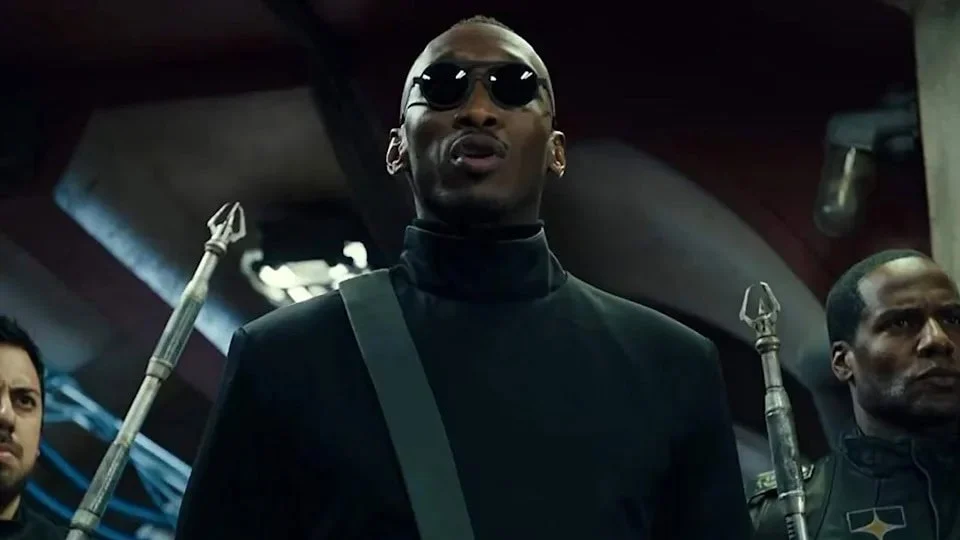
Mahershala Ali, the two-time Academy Award-winning actor once poised to lead the supernatural wing of the MCU, has officially addressed the demise of his long-gestating Blade reboot. In a candid and revealing interview with GQ, Ali signaled the end of an era that never truly began, expressing a mixture of creative "redemption" through other projects and a blunt assessment of Marvel Studios’ failure to bring the Daywalker back to the big screen.
Main Facts: The End of a Five-Year Development Hell
The news marks the definitive conclusion to one of the most troubled production cycles in modern superhero cinema. Announced with a surprise appearance at San Diego Comic-Con in 2019, Mahershala Ali’s Blade was intended to be the cornerstone of a new, darker chapter for Marvel. However, after five years of revolving directors, a carousel of screenwriters, and multiple indefinite delays, the project has officially been shelved in its current iteration.
Ali, known for his transformative roles in Moonlight and Green Book, revealed that he has moved on from the role of Eric Brooks. His departure is not just a loss of a lead actor but a symbolic blow to Marvel’s prestige, as the studio loses one of the most decorated performers of his generation. The actor’s comments suggest that while the physical and mental preparation for the role was grueling, the ultimate failure of the project rested on the shoulders of the studio’s inability to commit to a vision.
Chronology: A Timeline of Turbulence (2019–2024)
To understand the weight of Ali’s recent comments, one must look at the exhaustive and often confusing timeline of the Blade reboot.

- July 2019: In the closing moments of Marvel’s Hall H presentation at Comic-Con, Kevin Feige brought Mahershala Ali onto the stage. Ali donned a hat emblazoned with the Blade logo, sending the industry into a frenzy. It was revealed that Ali himself had approached Marvel with the idea.
- November 2021: Blade makes his "debut" via a voice-only cameo in the post-credits scene of Eternals, warning Kit Harington’s Dane Whitman about the Ebony Blade. This remains Ali’s only official contribution to the MCU.
- September 2022: Director Bassam Tariq, who had been attached to the project for over a year, abruptly exited the film just weeks before production was scheduled to begin in Atlanta. Reports cited "continued shifts in the production schedule."
- November 2022: Yann Demange (Lovecraft Country) was hired to take the helm, with the film reportedly pivoting toward a grittier, R-rated tone.
- 2023: The Hollywood labor strikes (WGA and SAG-AFTRA) brought the already fragile development to a standstill. During this time, rumors swirled of at least five different script overhauls, with some versions reportedly sidelining Blade in favor of a narrative led by female characters, a claim later downplayed by insiders.
- June 2024: Yann Demange exited the project, marking the second director to leave. Shortly thereafter, Marvel removed Blade from its release calendar entirely.
- Present Day: Ali confirms his departure and the project’s dissolution while promoting his new film, Your Mother Your Mother.
Supporting Data: The Script and Budget Conundrum
The failure of Blade is often attributed to "creative differences," but industry data suggests a deeper systemic issue within Marvel’s Phase 4 and 5 strategy. According to various trade reports throughout the development process, the Blade script underwent transformations that saw it move from a 1920s period piece to a modern-day noir, and back again.
At one point, the budget was rumored to be under $100 million—a rarity for Marvel—as the studio attempted to experiment with lower-cost, high-intensity filmmaking. However, the inability to land on a script that satisfied both Ali’s standards and the MCU’s interconnected requirements led to a ballooning of "pre-production" costs without a single frame of film being shot.
Furthermore, the "creative redemption" Ali mentions refers to his new project, Your Mother Your Mother, directed by Bassam Tariq. In a twist of fate, the collapse of Blade allowed the actor and director to reunite on a project with more creative autonomy. Ali noted that the year he spent training in martial arts and swordplay for Blade was not wasted, as he funneled that physicality into this new action drama.
Official Responses: Ali’s Blunt Assessment
In his interview with GQ, Mahershala Ali did not mince words regarding the power dynamics at play. While maintaining a professional veneer, he highlighted the disparity between the studio’s resources and the project’s outcome.
"I’ve been doing this professionally for pushing 30 years now," Ali stated. "One thing I’ve learned is that what is for you is for you and what is not is not. For whatever reason, that project is not for me."
The most pointed part of his response addressed the logistical reality of the situation: "Again, you had me under contract, they have billions of dollars, if they wanted to do the movie, we would’ve done the movie. So we’re not doing the movie."
This comment strikes at the heart of the frustration felt by fans. It suggests that the cancellation wasn’t merely a result of bad luck or timing, but a conscious choice by Marvel Studios to prioritize other properties or perhaps an admission that they could not figure out how to integrate the vampire hunter into their current narrative tapestry.
Implications: What This Means for the MCU and the Supernatural Genre
The departure of Mahershala Ali from the MCU has several significant implications for the future of the franchise and the superhero genre at large.
1. The Loss of Prestige
Marvel has successfully courted Oscar winners before, but Ali was unique in that he sought out the role himself. Losing a talent of his caliber after five years of public commitment is a significant "black eye" for Marvel Studios’ reputation as a talent-friendly environment. It signals that even the most prestigious actors are not immune to the "development hell" that can plague massive franchise machines.
2. The Supernatural Vacuum
With Blade effectively dead, the supernatural corner of the MCU—teased in Werewolf by Night and Moonlight Knight—remains without a definitive leader. While the source article mentions Ryan Gosling joining as Ghost Rider and David Jonsson taking over a new Black Panther mantle, these characters occupy different thematic spaces. Blade was meant to be the bridge between the shadows and the Avengers. Without him, the "Midnight Sons" team-up that fans have clamored for seems further away than ever.

3. The Shadow of Wesley Snipes
The collapse of the reboot also raises the profile of Wesley Snipes’ original trilogy. Following Snipes’ well-received appearance in Deadpool & Wolverine, there is a growing sentiment among the fanbase that perhaps the original Daywalker is the only one meant to hold the mantle. Ali’s exit may lead Marvel to reconsider how they approach the character—perhaps through a legacy sequel rather than a total reboot, or by letting the character rest for another decade.
4. A Shift in Marvel’s Strategy
Under the leadership of Kevin Feige and Disney CEO Bob Iger, Marvel has recently pivoted toward "quality over quantity." The cancellation of Blade might be the most high-profile casualty of this new mandate. Rather than releasing a subpar film to meet a deadline, the studio chose to take the hit and move on. While frustrating for fans, it may be a necessary step in correcting the perceived "superhero fatigue" that has impacted recent box-office returns.
Conclusion: A Creative Redemption
For Mahershala Ali, the "Blade debacle" is a closed chapter. By his own admission, he has found peace through Your Mother Your Mother, a project that allowed him to utilize the physical discipline he developed for the MCU.
"I feel creatively redeemed on some level," Ali reflected. "Just in my own journey between me, myself, and I."
As the MCU moves forward with its multiversal sagas and record-breaking Spider-Man sequels, the story of Mahershala Ali’s Blade will remain a fascinating "what if" in cinematic history—a reminder that in the world of blockbuster filmmaking, even the sharpest stakes can sometimes fail to find their mark. For now, the Daywalker remains in the shadows, waiting for a new dawn that may be a long time coming.