Resurrecting the Victorian Wild: The Digital Restoration of ‘The Naturalist’s Library’
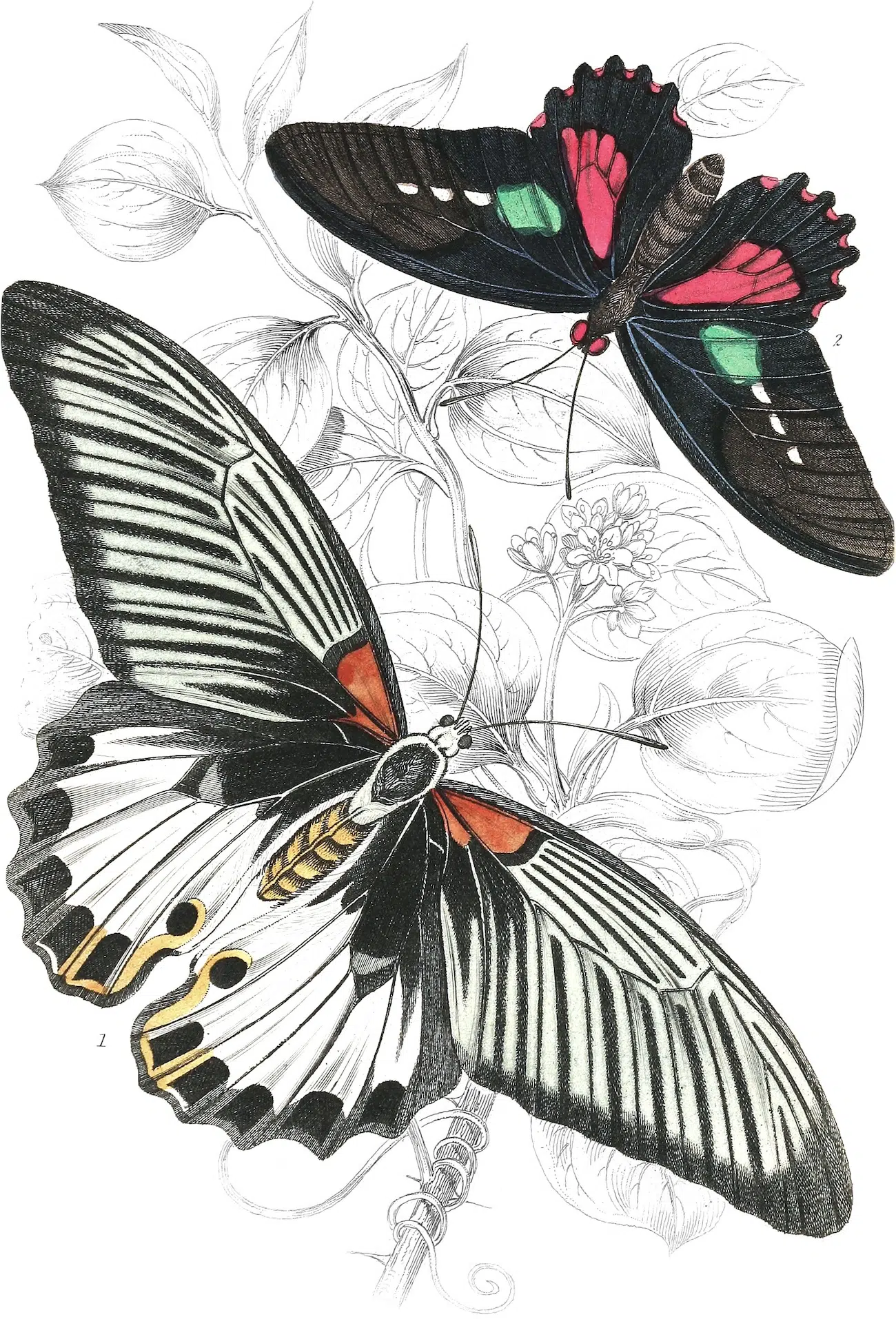
In an era defined by instantaneous access to high-definition wildlife documentaries and global biodiversity databases, it is easy to overlook the monumental effort once required to catalog the natural world. During the mid-19th century, the boundaries of human knowledge regarding exotic fauna were expanding at a rapid pace, yet this information remained largely sequestered within the private collections of the elite. Enter Sir William Jardine and his magnum opus, The Naturalist’s Library—a publication that sought to democratize the wonders of nature for the Victorian public.
Today, this storied collection is experiencing a profound renaissance. Through the meticulous efforts of independent designer and developer Nicholas Rougeux, The Naturalist’s Library has been transformed from a fragile relic of rare book rooms into a vibrant, interactive digital archive. This restoration not only preserves the scientific and artistic legacy of the 1800s but also offers a modern audience a window into the historical intersection of art, science, and exploration.
The Scope and Scale of a Victorian Masterpiece
Published between 1833 and 1843, The Naturalist’s Library was an ambitious undertaking even by the standards of the British Empire’s golden age of discovery. Spearheaded by Sir William Jardine, a Scottish baronet and a preeminent naturalist of his time, the series eventually spanned over 40 volumes. The collection was strategically divided into four primary scientific branches:
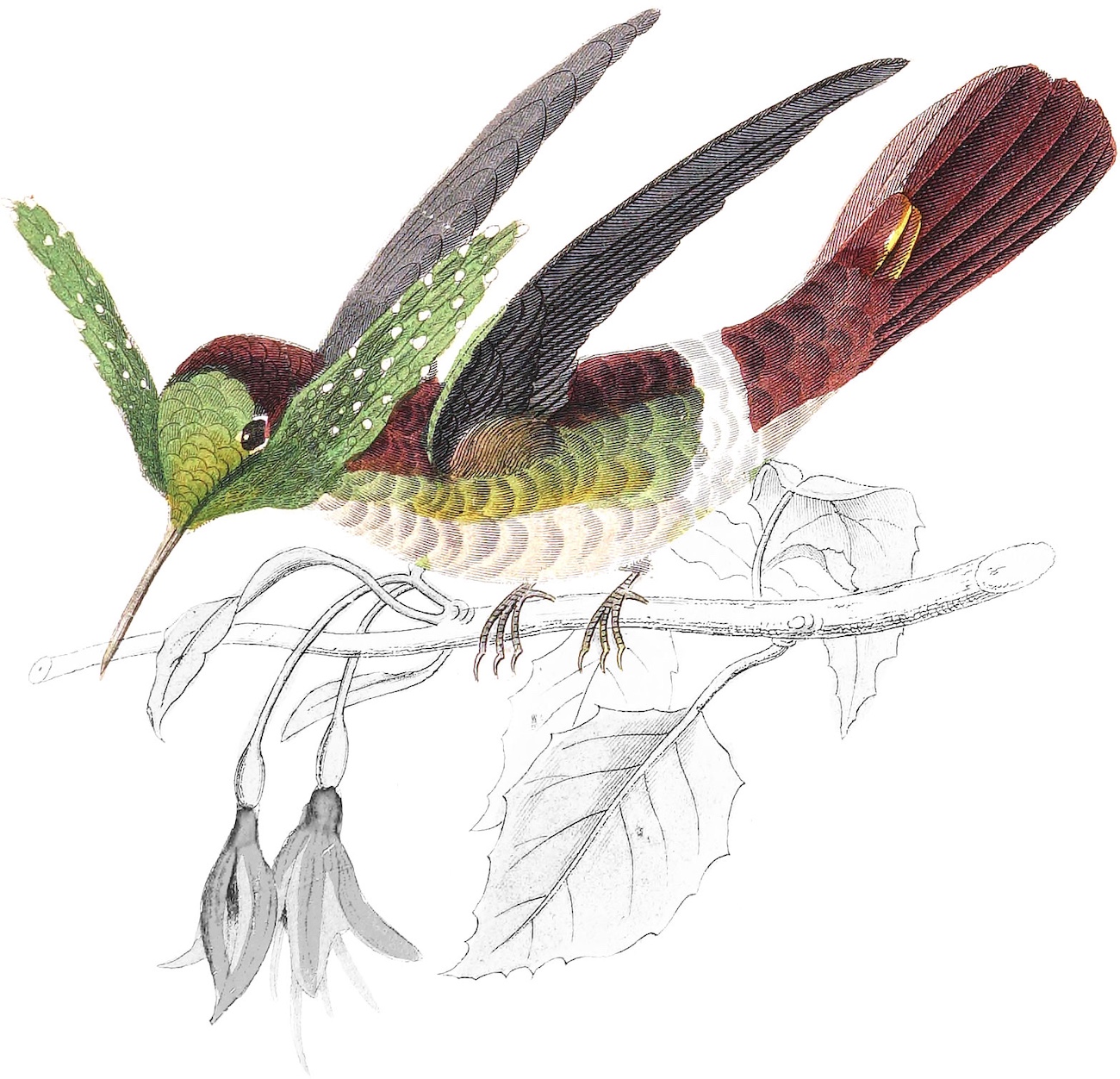
- Ornithology (14 volumes): Covering everything from the minute details of hummingbirds to the majestic presence of birds of prey.
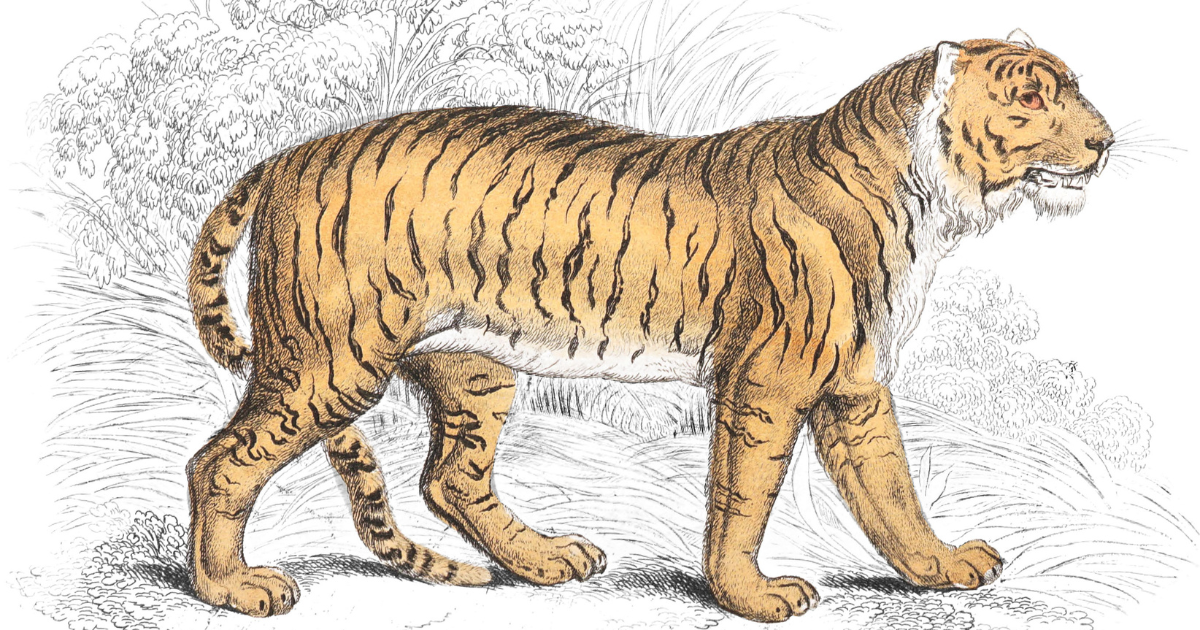
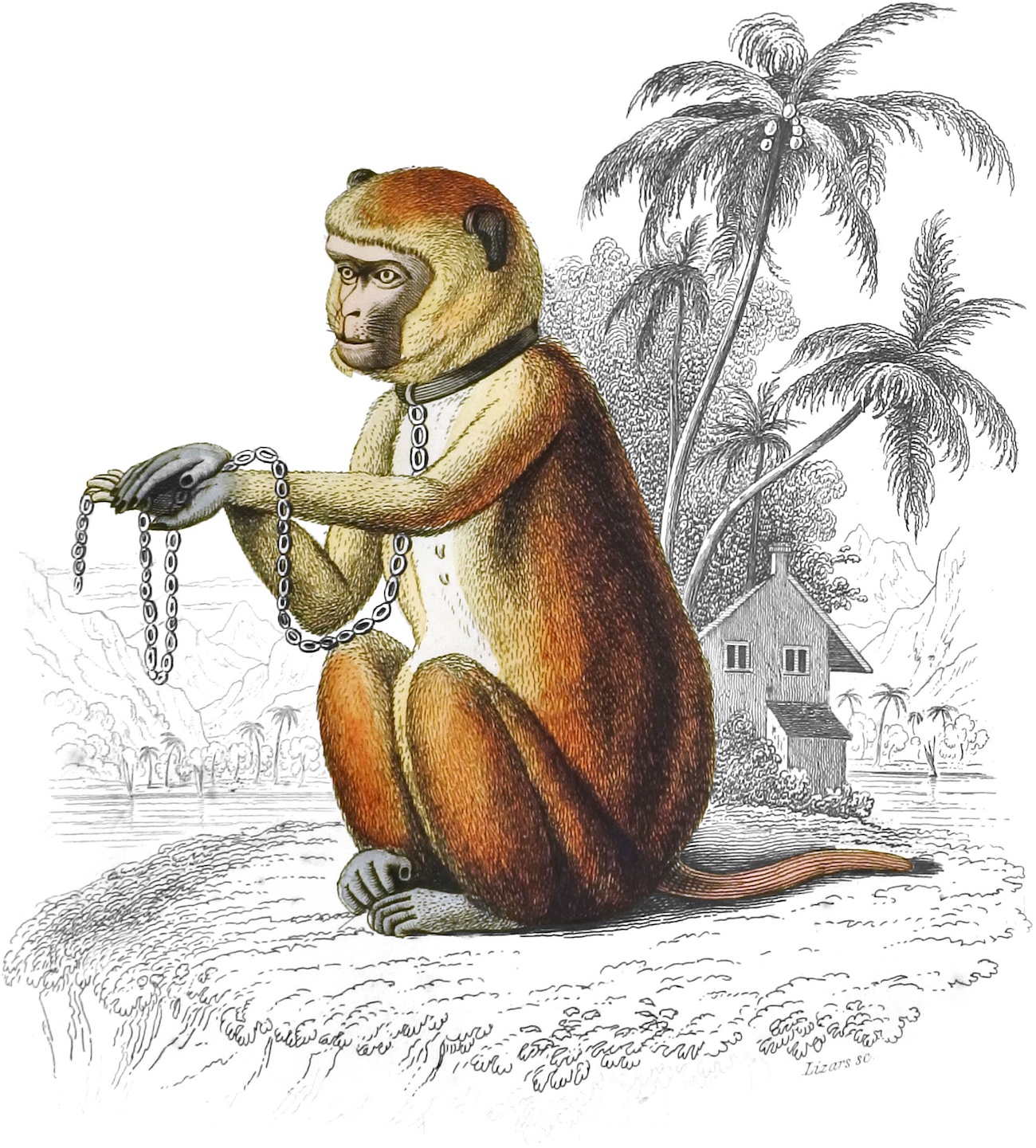
- Mammalia (13 volumes): Documenting a vast array of land-dwelling creatures, including primates, quadrupeds, and whales.
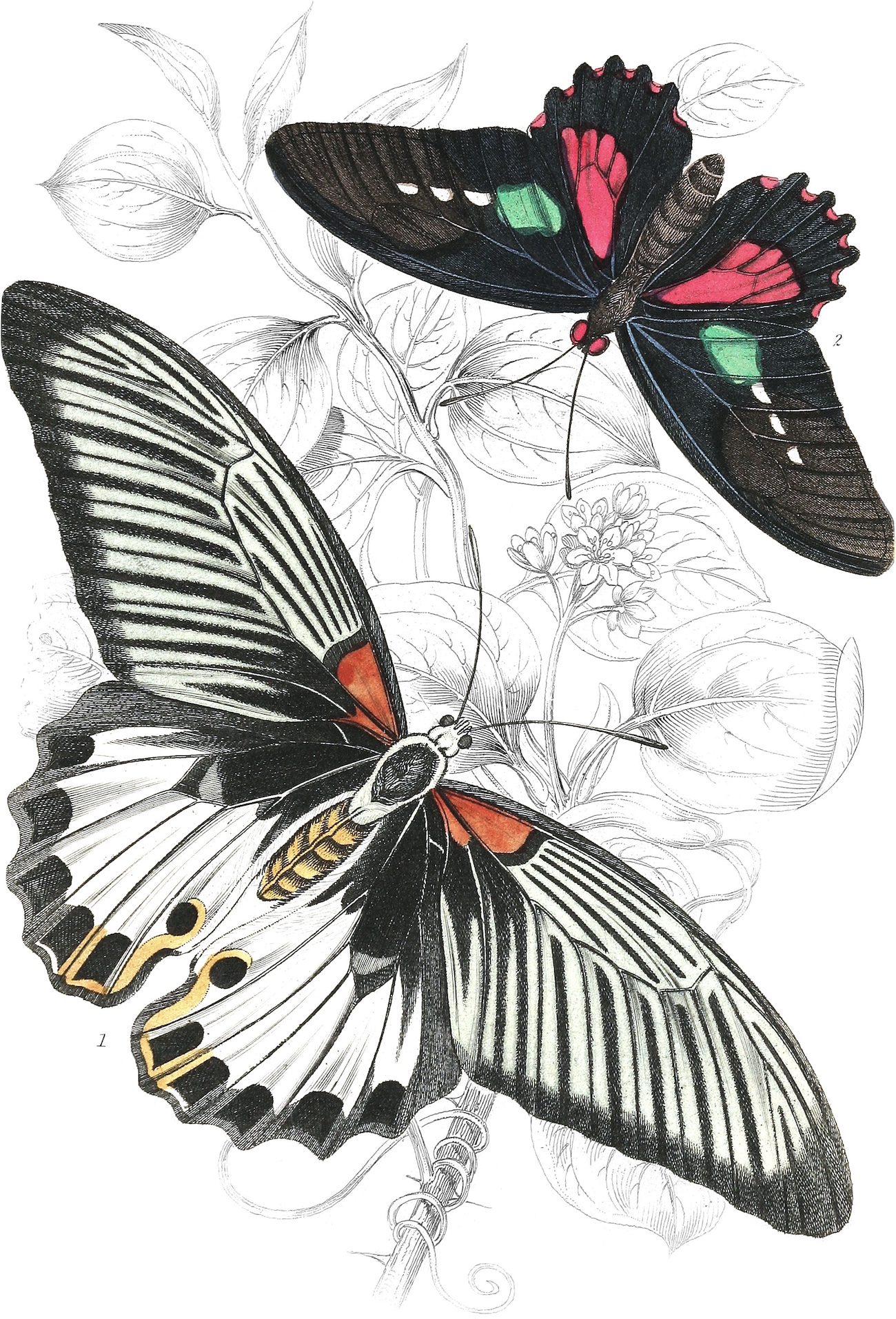
- Entomology (7 volumes): A deep dive into the world of insects, butterflies, and beetles.
- Ichthyology (6 volumes): An exploration of the diverse species inhabiting the world’s oceans and rivers.
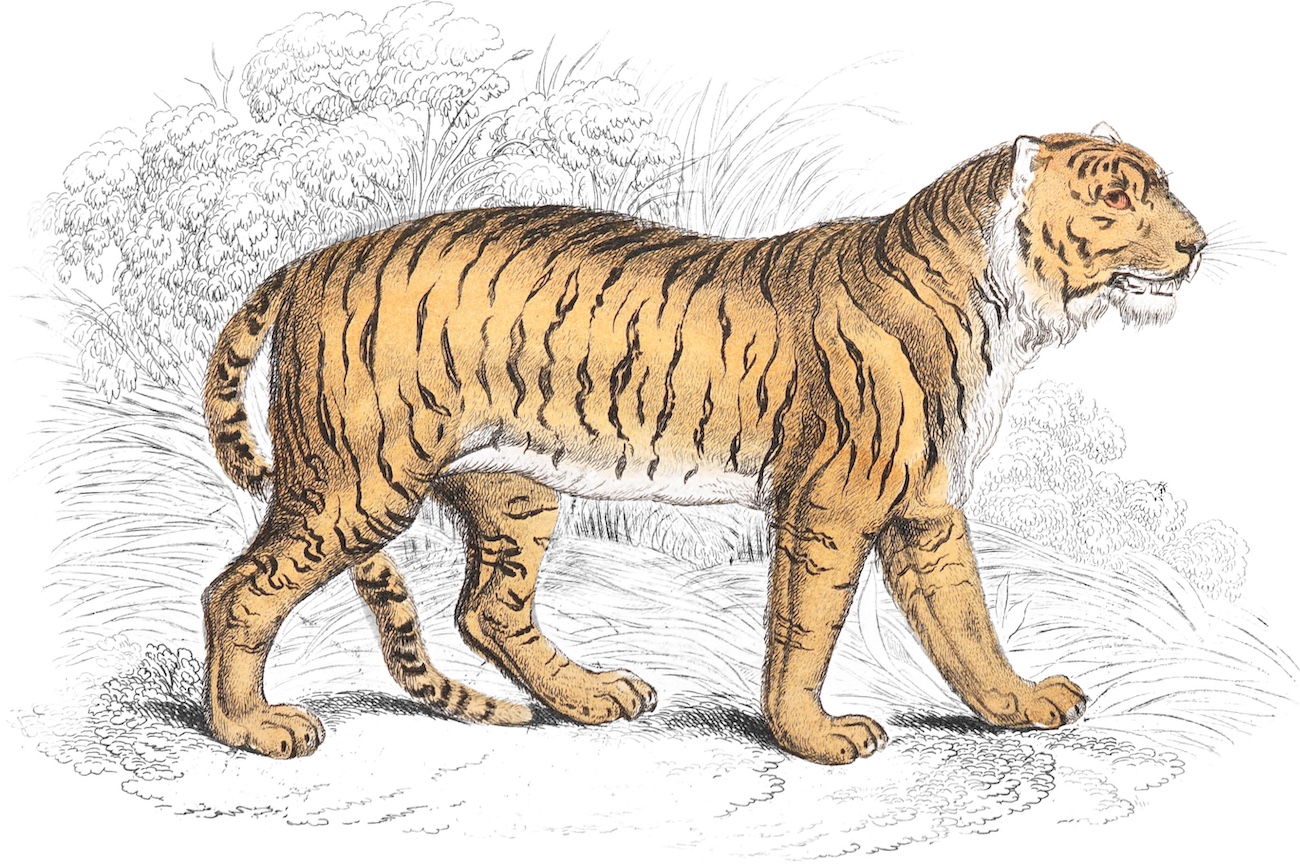
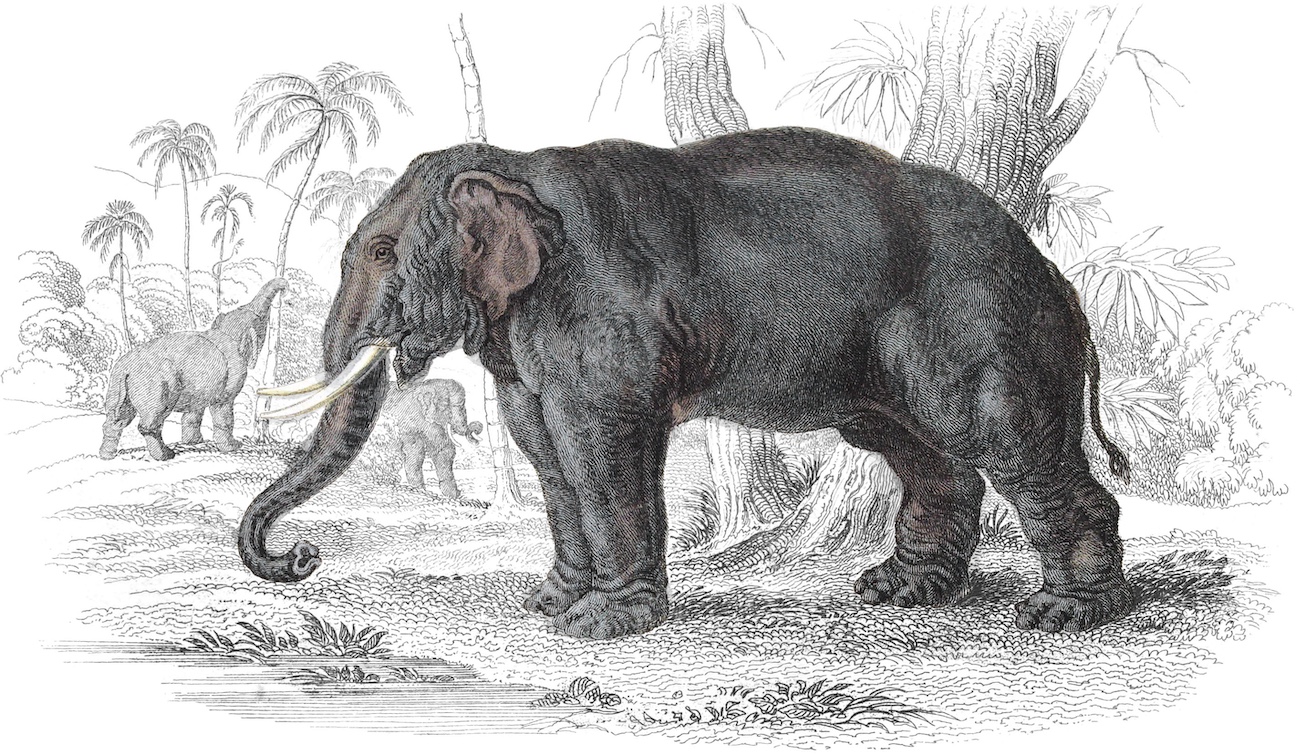
Each volume was more than just a textbook; it was a curated gallery. The library contained a total of 1,347 detailed plates, each representing a marriage of rigorous scientific observation and exquisite artistic craftsmanship. At a time when photography was in its infancy, these hand-colored engravings were the primary means by which the public could visualize the "monsters" and "beauties" of distant lands.
Chronology: From 19th-Century Print to 21st-Century Pixels
The Genesis (1833–1843)
Sir William Jardine recognized a gap in the market for affordable, high-quality scientific literature. Before The Naturalist’s Library, most natural history books were prohibitively expensive. By utilizing steel engraving—a more durable medium than the traditional copper—Jardine was able to produce larger print runs without sacrificing the delicacy of the line work. This allowed the series to reach a burgeoning middle class hungry for knowledge about the expanding world.
The Era of Hand-Coloring
The production process was a feat of industrial-age coordination. Once the black-and-white images were struck from the steel plates, they were sent to workshops where teams of colorists—often women and children—applied watercolors by hand. This labor-intensive process ensured that no two prints were exactly alike, adding a layer of unique artistry to every copy sold. The success was immediate, leading to numerous reprints throughout the late 19th century.
The Modern Restoration (2020s)
Fast forward nearly two centuries, and the original volumes have become delicate artifacts. Nicholas Rougeux, known for his work in bringing historical data visualizations and archives to life, recognized the potential for these illustrations to inspire a new generation. Using high-resolution scans of the original plates, Rougeux embarked on a multi-year journey to digitally restore the library.
His process was not merely about "cleaning" the images; it was an act of digital conservation. Rougeux focused on correcting the yellowing of aged paper, sharpening the faded linework of the steel engravings, and revitalizing the hand-applied watercolors to reflect their original vibrancy.
Supporting Data: The Artistry of Steel and Pigment
The technical brilliance of The Naturalist’s Library lies in its specific medium. The move to steel engraving in the 1830s was a technological pivot. Steel allowed for much finer lines than copper, which was essential for depicting the intricate patterns of a butterfly’s wing or the individual hairs of a tiger’s pelt.
In Rougeux’s digital archive, the scale of this work is laid bare:
- 1,347 Illustrations: Every single plate has been cataloged and restored.
- 40+ Volumes: The archive maintains the original organizational structure of Jardine’s work.
- 4×6 Inch Originals: The digital restoration allows users to zoom into prints that were originally only a few inches wide, revealing details that were difficult to see with the naked eye in the 19th century.
Rougeux’s restoration also highlights the diversity of the species covered. The library didn’t just focus on the charismatic megafauna like lions and elephants; it devoted entire volumes to "Sun-birds," "Marsupialia," and "British Fishes," reflecting a comprehensive attempt to map the entire tree of life as it was then understood.
Methodology and Philosophy: The Restorer’s Approach
Nicholas Rougeux’s approach to restoration is grounded in a philosophy of "honoring intent." In his documentation of the project, Rougeux emphasizes that the goal was not to make the illustrations look like modern digital paintings, but to restore them to the state the original artists and colorists intended before the ravages of time took hold.
"The goal was not to perfectly recreate the original plates," Rougeux notes, "but to honor them by preserving and enhancing the original artists’ intent."
The process involved:
- Digital De-acidification: Removing the "foxing" (brown spots) and general discoloration caused by the acidic paper used in the 19th century.
- Color Balancing: Realigning the watercolor tints that may have faded or shifted over 180 years.
- Metadata Integration: Rougeux didn’t just upload images; he created a searchable database, allowing users to navigate by volume, species, and category, effectively turning a physical library into a functional scientific tool for the modern age.
Implications for Education, Art, and Science
The digital revival of The Naturalist’s Library carries significant weight in several fields.
For Art Historians
The archive serves as a definitive record of the "Golden Age of Natural History Illustration." It showcases the transition from the stiff, stylized drawings of the 18th century to the more dynamic, lifelike poses that would eventually influence the likes of John James Audubon.
For the Scientific Community
While modern taxonomy has evolved far beyond the classifications used by Jardine, the library remains a vital historical record. It provides a "snapshot" of biodiversity in the 1830s, documenting species that may now be endangered or extinct. It also illustrates the history of scientific thought—how Victorians perceived the relationship between different animal families.
For Public Accessibility
By making this archive free to explore online, Rougeux has fulfilled Jardine’s original mission: democratization. What was once a luxury item for a Victorian gentleman’s study is now available to a student in a rural village or an artist seeking inspiration in a bustling city. For those who desire a physical connection, Rougeux has also made high-quality large-format prints and posters available, bridging the gap between digital convenience and the tactile beauty of the original works.
Conclusion: A Bridge Across Centuries
The restoration of The Naturalist’s Library is more than a technical achievement; it is a cultural bridge. It connects the adventurous spirit of the Victorian era—a time of boundless curiosity and colonial expansion—with the technological capabilities of the 21st century.
Through Nicholas Rougeux’s vision, Sir William Jardine’s life work has been liberated from the dust of archives. It stands as a testament to the enduring power of the natural world to inspire awe, and the vital role of the "digital naturalist" in ensuring that our collective heritage is not lost to time. As we navigate our own era of environmental challenges, looking back at the meticulous care with which our ancestors documented the earth’s beauty may provide the very inspiration needed to protect it for the future.
Project Resources:
- Digital Archive: The Naturalist’s Library Official Site
- Restorer: Nicholas Rougeux (Website)
- Physical Editions: Large-format physical copies and posters are currently available for collectors and enthusiasts via Rougeux’s online shop.