Unveiling the Visual Genesis of Arrakis: A Deep Dive into the Concept Art of Dune: Part One
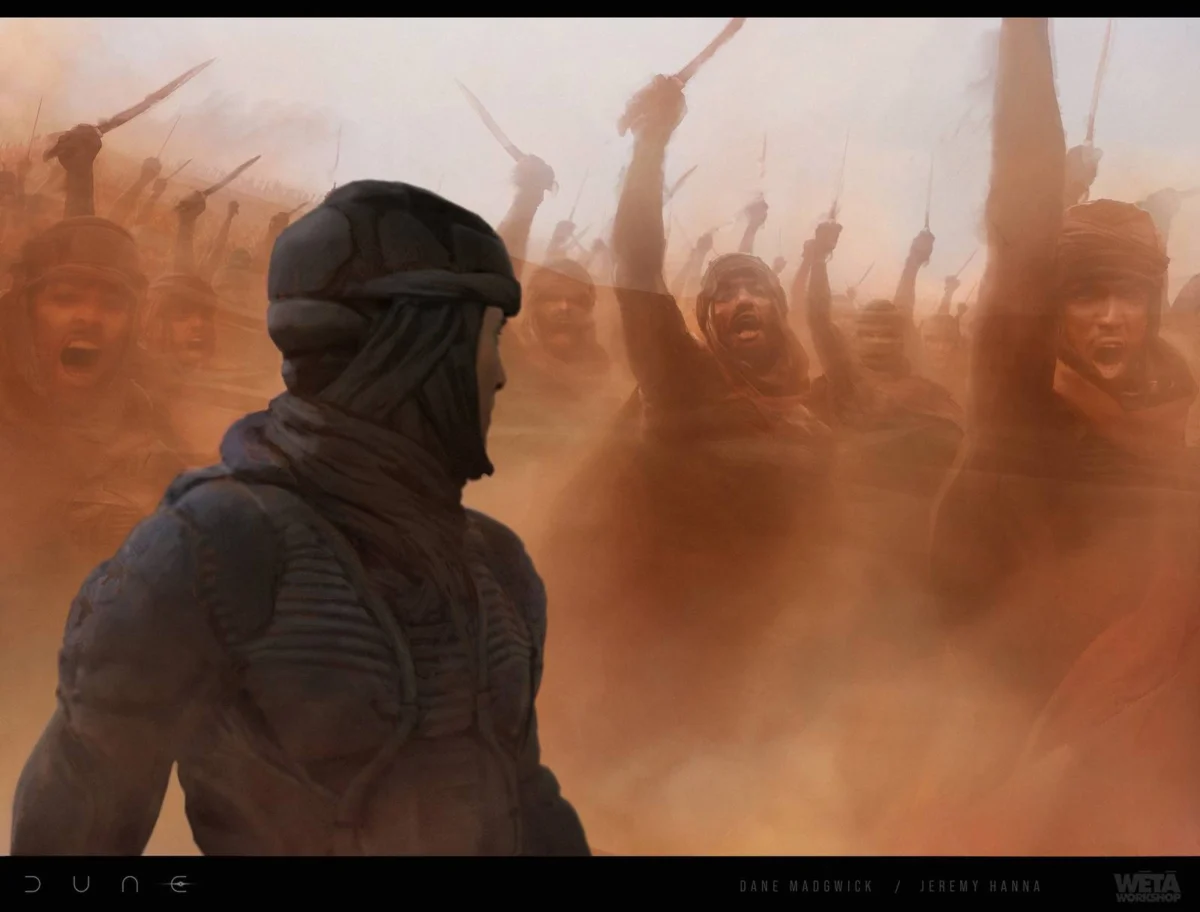
Denis Villeneuve’s ambitious adaptation of Frank Herbert’s seminal science fiction novel, Dune: Part One (2021), captivated audiences worldwide with its breathtaking visuals, immersive world-building, and faithful translation of a complex narrative to the screen. Beyond the stunning cinematography and meticulous set design, the film’s distinctive aesthetic was born from a rigorous and inspired process of conceptualization. This article delves into the foundational artwork that shaped the visual identity of Dune: Part One, offering an in-depth exploration of the creative journey from initial sketches to the iconic imagery that defined the film.

The Architectural Symphony of Arrakis: Establishing a Visceral Reality
The success of Dune: Part One hinges on its ability to transport viewers to a believable, albeit alien, universe. A key element in achieving this immersion was the masterful fusion of brutalist architectural principles with starkly naturalistic environments. This intentional juxtaposition created a world that felt both ancient and futuristic, grounded and awe-inspiring. The concept art serves as a testament to this deliberate design philosophy, showcasing how the production team grappled with the sheer scale of Herbert’s universe and distilled it into a cohesive and compelling visual language.

Early concept art reveals the foundational explorations that laid the groundwork for the film’s distinctive look. These initial designs were crucial in establishing the film’s unique blend of the monumental and the elemental. The harsh, unforgiving landscapes of Arrakis were not merely backdrops but active participants in the narrative, their visual representation demanding a careful balance between the organic forms of nature and the imposing structures of civilization.

Pillars of Power: Visualizing the Great Houses and the Fremen
Central to the narrative of Dune is the intricate web of political intrigue and the clash of distinct cultures. The concept art for Dune: Part One provides an unparalleled glimpse into how these power structures were visually differentiated, each possessing a unique identity that permeated their technology, attire, and even their approach to survival.

The artistic explorations meticulously detailed the contrasting aesthetics of the noble House Atreides, the formidable House Harkonnen, and the indigenous Fremen. This detailed approach extended to the very fabric of their existence. For House Atreides, the art likely explored themes of elegance, strategic military design, and a connection to their lush homeworld, Caladan. Conversely, the designs for House Harkonnen would have leaned into a more oppressive, industrial, and perhaps even grotesque aesthetic, reflecting their ruthlessness and dominance.

The Fremen, the desert-dwelling warriors of Arrakis, were given particular attention in the concept art. Their specialized survival gear, designed to combat the extreme conditions of the desert, was a critical area of development. From the intricate workings of their stillsuits, essential for water reclamation, to their ceremonial attire and weaponry, every element was conceived to communicate their deep connection to the planet and their mastery of its harsh realities. These detailed explorations of faction-specific technology and attire were not merely decorative; they were instrumental in conveying the lore and the cultural nuances of each group, enriching the audience’s understanding of the film’s complex universe.

A Glimpse into the Creative Process: Featured Artists and Their Contributions
The visual realization of Dune: Part One was a collaborative effort involving a constellation of talented concept artists, each bringing their unique vision and skill to the project. The available concept art highlights the contributions of several key individuals, offering a window into the diverse interpretations and artistic approaches that shaped the film’s final look.

Dane Madgwick: Capturing Inner Worlds and Foreboding Visions
Dane Madgwick’s contributions, as evidenced by the provided artwork, seem to focus on pivotal character moments and the evocative portrayal of internal experiences. Images like "Jessica in Meditation" suggest an ability to capture the spiritual and psychological depths of characters, translating abstract emotions into compelling visual narratives. The "Paul’s Vision (Imax)" piece further underscores Madgwick’s talent for visualizing the surreal and the prophetic, crucial elements in Paul Atreides’ journey. These works demonstrate a keen understanding of character psychology and the power of visual metaphor to convey the film’s thematic undercurrents.

Deak Ferrand: Architect of Worlds and Environments
Deak Ferrand’s showcased concept art leans heavily into the architectural and environmental design of Dune. His pieces, such as "Caladan" and the various "Arrakeen" and "Geidi Prime" environments, reveal a masterful understanding of scale, form, and atmosphere. The brutalist influences are evident in the stark, imposing structures depicted, suggesting a world built for function and resilience. Ferrand’s work effectively conveys the distinct characters of each location, from the potentially more serene (though still grand) Caladan to the imposing fortresses of Arrakeen and the industrial might of Geidi Prime. His designs provide a tangible sense of place, making the vastness of the Dune universe feel grounded and believable.

Ed Natividad: The Mechanics of Survival and Warfare
Ed Natividad’s concept art appears to delve into the practicalities of the Dune universe, focusing on the design of essential equipment and weaponry. His pieces, including "Atreites Swords Blades," "Fremen Compass," "Fremen Sand Compactor," and "Fremen Thumper," highlight the functional and culturally specific nature of the technology within the film. The intricate details of the Fremen survival gear and tools speak to the ingenuity and resourcefulness of the desert people. Natividad’s work demonstrates a meticulous attention to detail, ensuring that the tools and weapons of Dune are not only visually striking but also feel integral to the world and its inhabitants.

George Hull: Grand Designs and Iconic Machinery
George Hull’s contributions showcase a broad scope, encompassing both large-scale machinery and significant architectural elements. The "Harkonnen Harvester" and "Harvester Front High View" pieces emphasize the imposing industrial might of the Harkonnens, while the "Bene Gesserit Ramp Set" and "Ornithopter 3Q Section Military Dress" reveal a sophisticated approach to vehicle and architectural design. Hull’s work often possesses a sense of weight and purpose, suggesting a deep understanding of engineering and how such elements would function within the narrative. His designs contribute significantly to the film’s established visual language, ensuring a consistent and impactful presence for its iconic vehicles and structures.

Jeffrey Read: Evocative Landscapes and Strategic Set Pieces
Jeffrey Read’s concept art offers a focus on atmospheric landscapes and strategic set pieces. Works like "Caladan Graveyard Location Paintover," "Caladan Cemetery," and "Caladan Forest Soldiers Ext" suggest a keen eye for mood and environmental storytelling. The "Arrakeen Balcony Ext" piece, in particular, highlights his ability to capture the grandeur and political weight of key locations. Read’s art effectively translates the script’s descriptions into visually arresting scenes, contributing to the overall emotional resonance of the film.

Jerad S. Marantz: The Intricacies of Character and Costume
Jerad S. Marantz’s contributions appear to concentrate on character design and the intricate details of their attire. His "Stillsuit Ortho" provides a detailed breakdown of the Fremen’s iconic survival suit, emphasizing its functional complexity. The "Baron Armor Paint Over" and "Baron Armor Sculpt wip" pieces offer a fascinating look at the development of Baron Harkonnen’s distinctive and imposing regalia, highlighting the blend of menacing power and grotesque form. Marantz’s work underscores the importance of costume and character silhouette in defining the personalities and roles of individuals within the Dune universe.

Jeremy Hanna: Dramatic Action and Environmental Spectacle
Jeremy Hanna’s concept art often captures moments of high drama and environmental spectacle. Pieces like "Duncan Idaho Arrakis," "Sinking Harvester," "Worm Attack," and "Crashed Ornithopter" vividly illustrate the film’s action sequences and the immense power of its natural forces. Hanna’s ability to depict movement, impact, and the raw scale of events is crucial in visualizing the film’s most intense moments, bringing the dangers of Arrakis to life with visceral impact.

Joseph Cross: The Essence of Fremen Identity
Joseph Cross’s showcased art, including the "Fremen Suit" and "Crysknife Blade," delves into the core elements of Fremen culture and weaponry. His designs for the stillsuit emphasize its practical utility, while the depiction of the crysknife captures the sacred and deadly nature of this iconic Fremen weapon. Cross’s work helps to solidify the visual identity of the Fremen, making their culture and their tools feel authentic and deeply rooted in their environment.

Kamen Anev: Architectural Detail and Environmental Nuance
Kamen Anev’s contributions offer detailed explorations of architectural spaces and environmental elements. His "Arakeen Courtyard," "Residency Meeting Room," "Spotter Ship," and "Worm" pieces showcase a refined sense of detail and atmosphere. Anev’s work demonstrates an ability to create believable interiors and exteriors, imbuing them with a sense of history and purpose. His interpretation of the worm, in particular, likely contributed to the terrifying and awe-inspiring depiction of these colossal creatures.

Keith Christensen: Functional Design and Character Archetypes
Keith Christensen’s concept art spans a range of subjects, from the detailed "Fremen Stillsuit Fabrication" to character archetypes like the "Soldier Side-by-Side" and the "Baron Alternative Body." His work often emphasizes the functional aspects of design, whether it’s the intricate mechanics of a stillsuit or the imposing silhouette of a military figure. Christensen’s explorations of the Baron’s form suggest a thoughtful approach to translating the character’s physical presence from the page to the screen.

Nivanh Chanthara: The Brutality of the Harkonnens
Nivanh Chanthara’s art appears to focus intensely on the visual representation of the Harkonnen faction, particularly Baron Vladimir Harkonnen. His "Vladimir Harkonnen Armor Rough" pieces showcase a visceral and intimidating design, emphasizing the Baron’s immense power and brutal nature. Chanthara’s work likely played a significant role in defining the oppressive and menacing aesthetic associated with the Harkonnens.

Peter Popken: Grandeur and Devastation
Peter Popken’s concept art captures both the magnificent architecture of Arrakeen and moments of dramatic destruction. His "Arrakeen Palace" pieces convey the scale and opulence of the ducal seat, while the "Crashed Ornithopter" image speaks to the harsh realities and dangers of the planet. Popken’s ability to depict both grandeur and the aftermath of conflict contributes to the film’s epic scope and its underlying sense of peril.

Seungjin Woo: Dynamic Action and Creature Design
Seungjin Woo’s concept art brings a sense of dynamic action and creature design to the forefront. His "Duncan Chase" piece likely visualizes a thrilling chase sequence, while his interpretations of the "Sandworm" showcase the immense power and terrifying presence of these iconic creatures. Woo’s art contributes to the film’s thrilling set pieces and its ability to evoke a sense of awe and dread.

Steve Burg: The Scale of Imperial Technology
Steve Burg’s concept art focuses on the monumental scale of the technology within the Dune universe. His "Heighliner" and "Harvester Carryall" pieces emphasize the sheer size and industrial might of the interstellar transport and resource extraction machinery. Burg’s work effectively conveys the vastness of the galactic empire and the technological prowess required to traverse and exploit its resources.

Carlos Huante: The Primal Power of the Sandworm
Carlos Huante’s contributions offer a deep and often unsettling exploration of the sandworms. His "Sandworm" pieces, with their intricate detail and imposing scale, suggest a primal and awe-inspiring force of nature. Huante’s art likely played a significant role in defining the terrifying yet majestic presence of these colossal creatures, capturing their alien biology and their profound impact on the ecosystem of Arrakis.

The Art and Soul of Dune: A Comprehensive Companion
For those seeking an even deeper dive into the visual genesis of Dune: Part One, the comprehensive art book, "The Art and Soul of Dune," serves as an invaluable resource. This collection offers a more extensive look at the concept art, design documents, and behind-the-scenes insights that brought Denis Villeneuve’s vision to life. It provides a richer understanding of the intricate world-building process and the collaborative spirit that defined the film’s production.

Conclusion: A Foundation for Cinematic Mastery
The concept art for Dune: Part One is far more than just preliminary sketches; it is the bedrock upon which the film’s visual identity was built. Through the combined talents of these dedicated artists, the expansive and complex world of Frank Herbert’s novel was translated into a tangible, awe-inspiring cinematic experience. The meticulous attention to detail, the bold design choices, and the unwavering commitment to a cohesive aesthetic are all evident in these foundational works. This visual exploration not only deepens our appreciation for the artistry behind the film but also underscores the crucial role of concept design in realizing ambitious and visually stunning cinematic narratives. The legacy of Dune: Part One is inextricably linked to the power of these early visions, a testament to the fact that even before the cameras rolled, the soul of Arrakis had already begun to take shape on the artist’s canvas.