Black Torch Ignites the Supernatural Shonen Arena: A Deeper Dive into the Anime That Predates the Trends
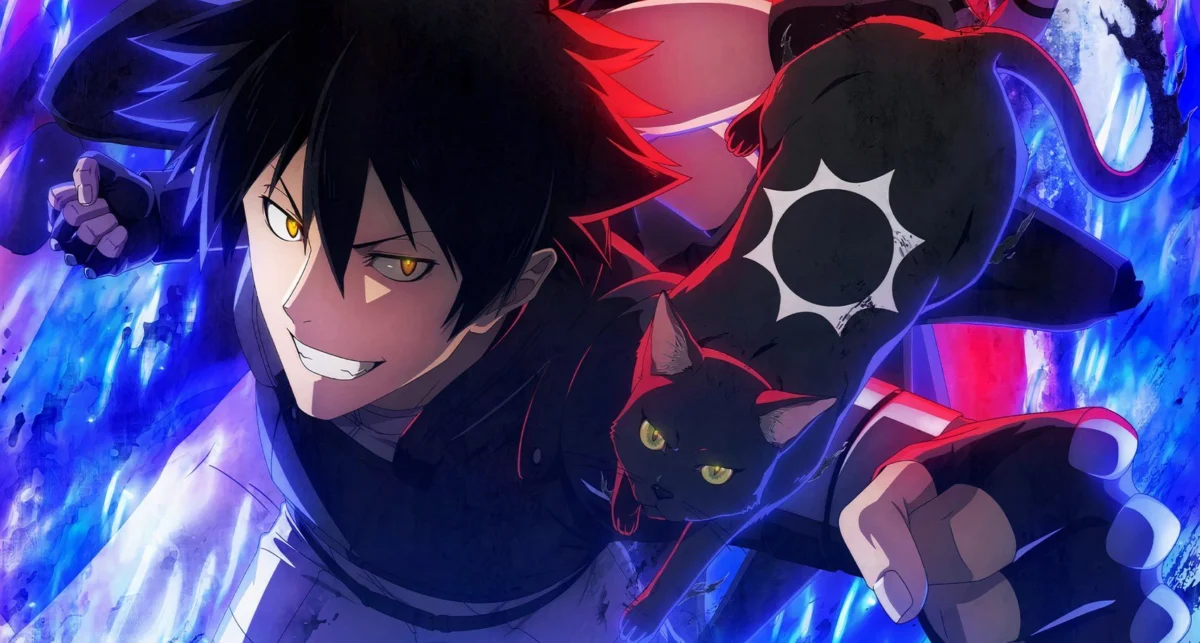
The modern supernatural shonen that started it all finally gets an anime adaptation, offering a potent blend of action, humor, and a surprisingly profound exploration of empathy.
By Corey Plante
Published July 25, 2026, 8:30 AM EDT
A new contender has stormed the gates of the supernatural shonen anime landscape, and it’s arriving with a pedigree that predates many of the genre’s current titans. Black Torch, the manga that first captivated readers in late 2016, has finally graced screens with its anime adaptation, premiering on Crunchyroll on July 4th. While its initial manga run was cut short, the series’ thematic resonance and innovative storytelling have found new life, drawing immediate comparisons to contemporary hits like Chainsaw Man, Jujutsu Kaisen, and Kaiju No. 8. However, Black Torch is far more than a precursor; it’s a foundational pillar of the modern supernatural shonen genre, a fact that makes its anime debut all the more significant.
This adaptation, helmed by an undisclosed studio and released with the blessing and direct involvement of creator Tsuyoshi Takaki, is poised to introduce a global audience to a story that, in many ways, laid the groundwork for the trends that have since dominated manga and anime. The initial shock of protagonist Jiro Azuma’s near-death experience and subsequent demonic fusion is just the tip of the iceberg. As the series unfolds, it reveals a rich tapestry of ninja heritage, a surprisingly nuanced take on heroism, and a central dynamic that is both hilariously antagonistic and deeply endearing.
The Genesis of a Genre-Defining Hit
The premise of Black Torch is immediately arresting. Jiro Azuma, a seemingly ordinary teenage punk, meets a violent end at the hands of a demon. In a desperate bid for survival, his demon pet, Rago, fuses with him, transforming Jiro into a powerful hybrid capable of battling the very creatures that hunt him. This core concept – a human fused with a supernatural entity to combat otherworldly threats – has become a recurring motif in the shonen genre.

However, Black Torch arrived on the scene before this trope became ubiquitous. Tsuyoshi Takaki’s manga began serialization in Shueisha’s Jump Square in December 2016. While its initial run concluded after just five volumes due to what are cited as lackluster sales and readership, its innovative ideas would soon echo through the industry. The manga’s cancellation, in retrospect, appears to be a tragic case of being ahead of its time.
The parallels between Black Torch and later phenomena are undeniable. The visual of Rago, a mononoke (an evil spirit), forming a hollow in Jiro’s chest is strikingly similar to the iconic image of Pochita, the Chainsaw Devil, replacing Denji’s heart in Chainsaw Man. This structural similarity extends to the narrative trajectory, with both protagonists becoming powerful, sought-after assets by clandestine organizations and targets by their monstrous adversaries.
Crucially, Chainsaw Man would debut in 2018, followed by Jujutsu Kaisen in 2018, and Kaiju No. 8 in 2020. These series, all embraced by Crunchyroll and its global audience, share a common thematic DNA with Black Torch. Each features a protagonist who merges with a monstrous entity, gains extraordinary powers, and operates within or against an organization dedicated to combating supernatural threats. This shared DNA underscores Black Torch‘s pioneering role, positioning it not as a follower, but as a progenitor of this modern shonen wave.
A Feline Force of Nature: Rago’s Endearing Grumpiness
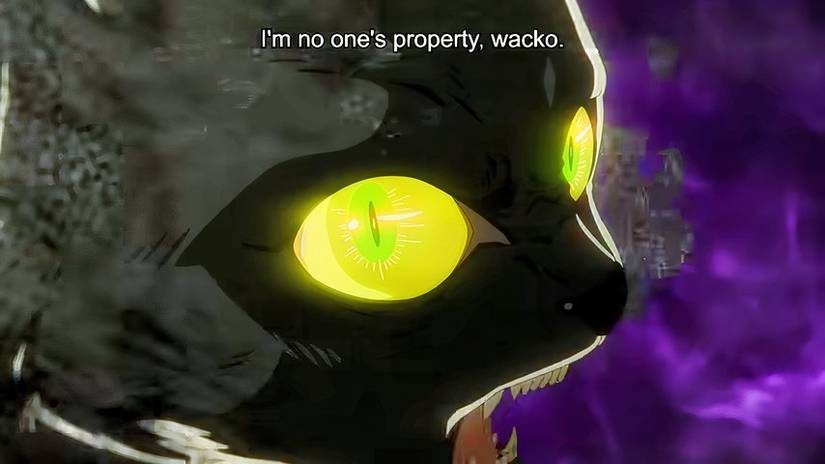
One of the most distinctive elements that sets Black Torch apart, and arguably contributes to its enduring appeal, is the character of Rago. While Chainsaw Man features Pochita, a dog-like demon whose presence is largely felt through Denji’s memories and motivations, Rago is a constant, vocal, and utterly captivating companion. He manifests as a sassy, perpetually unimpressed black cat, a far cry from the cuddly mascots often seen in anime.
For viewers who harbor a fondness for iconic feline characters in animation – from the wise Jiji in Studio Ghibli’s Kiki’s Delivery Service to the stoic Luna in Sailor Moon, and even the snarky Salem from Sabrina the Teenage Witch – Rago offers a delightful twist. He embodies the essence of an ancient, immensely powerful spirit, yet he wields this power with the casual indifference and sharp wit of a grumpy overlord. His interactions with Jiro are a constant source of amusement, as he’s prone to casually swearing at his host, demanding attention, and engaging in typical cat-like grooming, even amidst dire supernatural confrontations.

Rago is not merely a sidekick; he is a true anti-heroic partner. His personality clashes with Jiro’s burgeoning heroism, creating a dynamic that is far more complex and engaging than a simple master-and-pet relationship. This cynical, yet ultimately loyal, bond between a human and a supernatural entity is a cornerstone of Black Torch‘s charm and a key differentiator from the series that followed in its wake.
The Ninja Within: A Legacy of Skill and Empathy
Beyond the supernatural fusion, Black Torch weaves in another significant layer: the protagonist’s lineage. Jiro Azuma, despite his initial portrayal as a disaffected youth, is revealed to be part of a long and distinguished line of ninjas. This heritage imbues him with formidable combat skills and a deep understanding of ninjutsu, adding a grounded martial arts element to the supernatural chaos.
This ninja background distinguishes Jiro from being merely a "random punk." His abilities are honed through generations of training, making his transformation into a hybrid a fusion of ancient martial prowess and raw demonic power. Furthermore, Jiro possesses an uncanny ability to communicate with animals. This gift, which led to him being ostracized by his peers in childhood, is precisely how he initially bonded with Rago. It’s this deep-seated empathy, forged through his unique connection to the natural world, that truly defines his heroism.
Even when facing apocalyptic stakes, Jiro’s character is marked by an unyielding altruism. His childhood experiences, though difficult, fostered a profound resilience and an unusual capacity for compassion. This internal fortitude, coupled with his extraordinary powers, makes his dedication to protecting others all the more compelling. The series masterfully balances the grim realities of demon hunting with the lighter, character-driven moments, showcasing Jiro’s ability to find levity in banter with Rago or casual interactions with the neighborhood fauna. His childhood dog, Nachi, served as a maternal figure, and the local cats were his confidantes, highlighting a lifelong bond with creatures often overlooked by society.
The Anime Adaptation: A Vision for Expansion
The Black Torch anime series premiered on July 4, 2026, with new episodes scheduled to release weekly on Crunchyroll. The initial pace of the anime, covering approximately the first five chapters of the manga within its first three episodes, suggests that the full 12-episode season is well-positioned to adapt the entirety of the manga’s 19 chapters.
Crucially, Tsuyoshi Takaki has been deeply involved in the anime’s production, supervising setting designs and storyboards. Takaki himself has described the adaptation as "something even better" than his original work, while reassuring fans that it remains faithful to the core narrative. This close collaboration is a significant indicator of the anime’s potential. While the adaptation has not yet significantly diverged from the source material, Takaki’s active participation offers hope that the anime might expand upon the story, potentially continuing beyond the scope of the prematurely canceled manga. This could provide fans with new narrative arcs and a more complete exploration of the Black Torch universe.
Implications for the Supernatural Shonen Landscape
The arrival of the Black Torch anime is more than just another addition to Crunchyroll’s vast library; it’s a historical marker. It brings to the forefront a series that, for years, existed in the shadows of its more commercially successful successors, despite laying much of the groundwork.
For fans of Kaiju No. 8, Jujutsu Kaisen, and Chainsaw Man, Black Torch offers a compelling opportunity to explore the origins of many of the tropes and archetypes they have come to love. It provides a deeper understanding of the genre’s evolution and the creative forces that shaped its current direction. The series’ unique blend of ninjutsu, demonic power, and a darkly comedic partnership between a human and a grumpy cat makes it a standout, even among its more celebrated peers.
Even if the anime does not venture beyond the manga’s original conclusion, Black Torch stands as an excellent and highly entertaining watch. It serves as a testament to the enduring power of creative vision and a reminder that sometimes, the most influential works are those that bravely forge their own path, even if they are initially met with a limited audience. As the anime season progresses, Black Torch is poised to not only satisfy existing fans but also to win over a new generation of viewers, solidifying its legacy as a true titan of the supernatural shonen genre.
New Black Torch episodes release weekly on Crunchyroll on Saturdays at 9 a.m. ET.