The Enduring Power of Heroism: How Fiction Shapes Our Courage in Times of Crisis
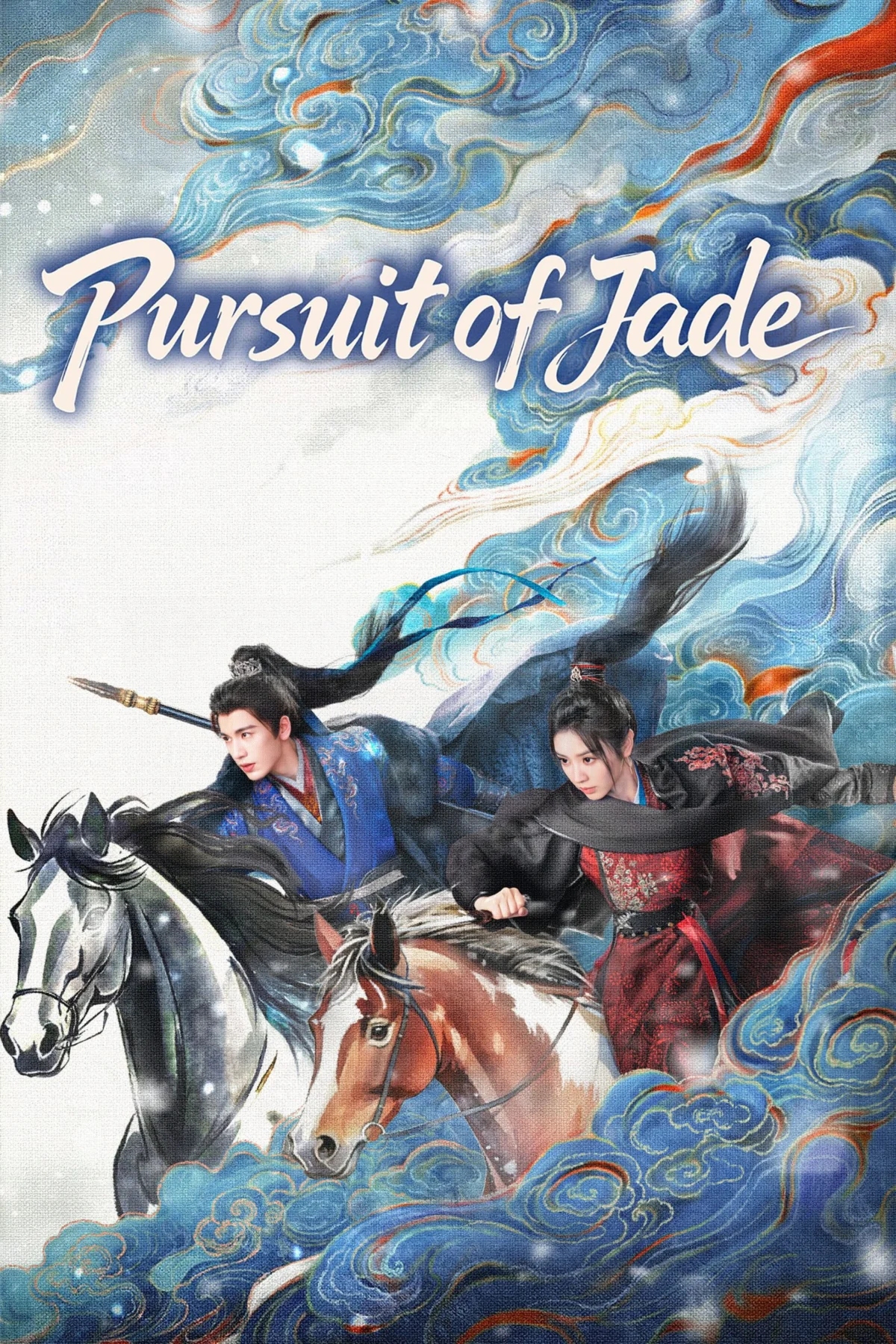
In an era often characterized by its embrace of moral ambiguity and complex characters, a compelling argument emerges for the vital necessity of heroic stories. While the allure of the anti-hero and the "morally gray" protagonist has undeniably shaped contemporary narratives, the author posits that this trend, in its sophistication, risks denigrating the profound and often overlooked power of genuine heroism. This perspective is not merely an academic observation; it is a deeply felt conviction, underscored by a recent personal experience that vividly illustrated how fictional tales of courage can equip individuals to face real-world challenges.
The author’s journey into this reflection began with a fervent embrace of Asian dramas, specifically the widely acclaimed historical series, Pursuit of Jade. This immersive experience, filled with sweeping narratives of love, loss, and unwavering determination, provided a potent backdrop against which a sudden brush with personal danger would later resonate with unexpected force. The article delves into the inherent structure of storytelling, arguing that beneath the surface of plot and character, a heroic arc often lies at the core, symbolizing transformation and the emergence of strength through adversity.

The Distinguishing Line Between Protagonist and Hero
It is crucial, the author emphasizes, to distinguish between a "protagonist" and a "hero." While often used interchangeably, these terms carry distinct implications. A protagonist, by definition, is the central figure driving the plot forward, facing obstacles posed by the antagonist. This role, however, carries no inherent moral weight or implication of virtue. Stories can, and often do, feature protagonists who are morally compromised, self-serving, or even villainous. The current cultural landscape, saturated with "morally gray" characters, reflects this understanding.
This embrace of complexity, while valuable for exploring the human condition and reflecting the multifaceted nature of life, can, the author argues, lead to an underappreciation of straightforward heroism. Genre fiction, such as action-adventure and romance, often characterized by their "happily ever after" resolutions, are frequently dismissed as less sophisticated or profound than their more ambiguous counterparts. However, the author contends that the underlying symbolic structure of the narrative arc is inherently heroic. It speaks to a universal human journey: shedding falsehoods, enduring trials, and emerging transformed, much like the mythical phoenix. This cyclical nature of storytelling, moving through darkness and back to the dawn, offers a profound gift – the possibility of hope and courage. While the clarity of disillusionment has its place, the power of stories that ignite the archetype of heroism within our collective imagination remains indispensable.

A Personal Encounter with the Power of Narrative
The author’s personal narrative serves as a powerful testament to this belief. The recent binge-watching of Pursuit of Jade had left an indelible mark. The series, set in a fantastical medieval China, follows Fan Changyu, a young woman who, after her parents’ murder, takes over the family butchery business to care for her younger sister. Her life takes a dramatic turn when she discovers and nurses a gravely wounded man, Xie Zheng, who turns out to be a powerful general and nobleman in disguise. Their subsequent entanglement, involving a marriage of convenience to protect her inheritance, blossoming love, separation by war, Changyu’s own heroic quest, and a grand conspiracy, provided a deeply satisfying narrative experience. The show’s rich visuals, evocative soundtrack, humor, charm, and epic scope captivated the author, offering a much-needed escape and a potent reminder of what stories can achieve.
This immersive experience, however, was soon to be tested by reality. The night the author finished the series, a jarring phone call from her father shattered the peace. "You’ve got fires around you," he warned. Living on the edge of a high-risk wildfire area in Nebraska, exacerbated by an extreme drought and a winter with minimal snowfall, the threat was alarmingly real. Nebraska had already experienced its worst fire in state history earlier that year, with nearly a million acres burned. The proximity of flames, reportedly higher than nearby structures, and a strong wind blowing directly towards her neighborhood, painted a grim picture.

The Unforeseen Resonance: Borrowing Courage from Fiction
The author describes the fear that naturally accompanies such a situation, compounded by the persistent threat of wildfires in her region. Yet, as she calmly enacted her emergency plan, a surprising source of solace and strength emerged: the echoes of Pursuit of Jade. The music, the characters facing their own immense hardships with unwavering courage, and their epic journeys of resilience seemed to reverberate within her. In that moment of acute uncertainty, before knowing the outcome, the author felt an overwhelming sense of gratitude for the story she had recently consumed. The archetypes and emotions embedded in the narrative had become a conduit to her own courage and steadfastness, transforming a potentially paralyzing fear into a manageable challenge.
This experience solidified the author’s conviction that heroic stories are far more than mere entertainment. They are powerful tools that shape our internal landscape, equipping us with the courage and resolve to face adversity before we are confronted with it. The archetypal imagery and emotional resonance of Pursuit of Jade had, in a sense, prepared her, providing a framework for understanding and navigating the crisis.

The Mythic Power of Heroic Narratives
The author draws upon the concept of "mythic storytelling," explaining it as narratives that bypass the rational mind to connect directly with the imaginal unconscious. These stories tap into pre-linguistic, archetypal experiences that underpin all of life. The power of these narratives, drawing on Carl Jung’s insights, lies not in their conscious invention of symbols but in their spontaneous ability to communicate with a deeper part of ourselves. It was not an intellectual appreciation of Pursuit of Jade that provided courage, but a resonant archetypal recognition of the capacity for heroism within herself, mirrored by the story’s imagery. Like a tuning fork, the story had struck a chord, activating dormant reserves of strength.
Ultimately, stories, and particularly heroic ones, evoke and activate archetypes. While stories can evoke a spectrum of human experiences, from despair to hope, the author champions those that champion heroism, courageous hope, and sincere goodheartedness. These narratives are vital, not only for navigating the mundane challenges of everyday life but especially for those rare, frightening moments when danger looms large.

Cultivating Heroism in Storytelling: Six Guiding Principles
Recognizing the profound impact of heroic narratives, the author outlines six practical strategies for writers seeking to craft stories that inspire readers and tap into this powerful archetype:
1. Channel Heroism Before Writing Heroic Characters
The author stresses that the ability to create resonant heroic stories begins with the writer’s own capacity to access and embody these forces within their creative process. This connection often happens organically during the immersive stages of writing—daydreaming, outlining, drafting, and editing. It is less about conscious intention and more about becoming an empty vessel, receptive to the primal energy of archetypes.

2. Write Heroic Archetypes, Not Just Heroic Actions
Crafting truly heroic characters goes beyond simply depicting individuals performing heroic deeds. While actions are important, the author emphasizes the distinction between a character who does heroic things and a character who is a Hero archetype. Pursuit of Jade, for example, resonated deeply not just for its plot points but for its embodiment of heroic elements with sincerity and honesty, returning them to a deeper archetypal territory.
3. Remember Heroic Characters Come in Many Archetypal Forms
While the focus is on heroism, the author clarifies that not all impactful stories need to feature the classic "Hero" archetype. Her framework, detailed in Writing Archetypal Character Arcs, outlines six central transformation archetypes (Maiden, Hero, Queen, King, Crone, Mage) and six steadfast archetypes (Child, Lover, Parent, Ruler, Elder, Mentor), all of which require courage and heroism. Even "dreadful" archetypes, when fully realized, can elicit valuable responses from an audience.

4. Focus on the Feeling Readers Carry Away
Heroic stories do not necessarily need to have happy endings. Their power lies in the lasting emotional imprint they leave on the reader. Drawing parallels to Aristotle’s concept of catharsis in tragedy, the author argues that stories can be powerful sources of spontaneous initiation. While many narratives merely entertain, others, like Lord of the Rings or Children of Men, profoundly change us, leaving us with a potent feeling of hope or the enduring significance of sacrifice.
5. Take Readers Through Death to Reach New Life
The fundamental structure of story, the author posits, is a cycle of life, death, and rebirth. Heroic narratives, at their core, are about confronting and overcoming something within ourselves that must "die." Heroism emerges from the darkness of despair in the face of death; without darkness, there is no true heroism. The greater the struggle, the more potent the archetype.

6. Let Goodness Be Genuinely Good
In an era that often overemphasizes complexity, the author suggests that sometimes, straightforward goodness is precisely what is needed. While dimensional characters are important, there is immense power in rooting for a genuinely good person making the right choices in the face of adversity. Seeing goodness tested and strained by harsh realities, yet ultimately prevailing, offers a profound and often overlooked form of inspiration.
Conclusion: The Enduring Language of Story
The author’s experience with Pursuit of Jade and the subsequent wildfire scare transformed a delightful entertainment experience into a profound personal lesson. It reaffirmed that story, in its myriad forms, remains our most powerful language. It is the medium through which we communicate, encourage one another, and, crucially, speak beyond our limitations to connect with something larger than ourselves. Through the shared act of storytelling, one archetypal imagination speaks to another, fostering a transformative gift that can resonate far beyond the storyteller’s initial intent. The enduring need for heroic stories, therefore, is not a nostalgic yearning for simpler times, but a fundamental requirement for navigating the complexities of existence and igniting the courage within us all.