
The Resurrection of a Virtual Pioneer: SideQuest CEO Shane Harris Announces the Return of AltspaceVR
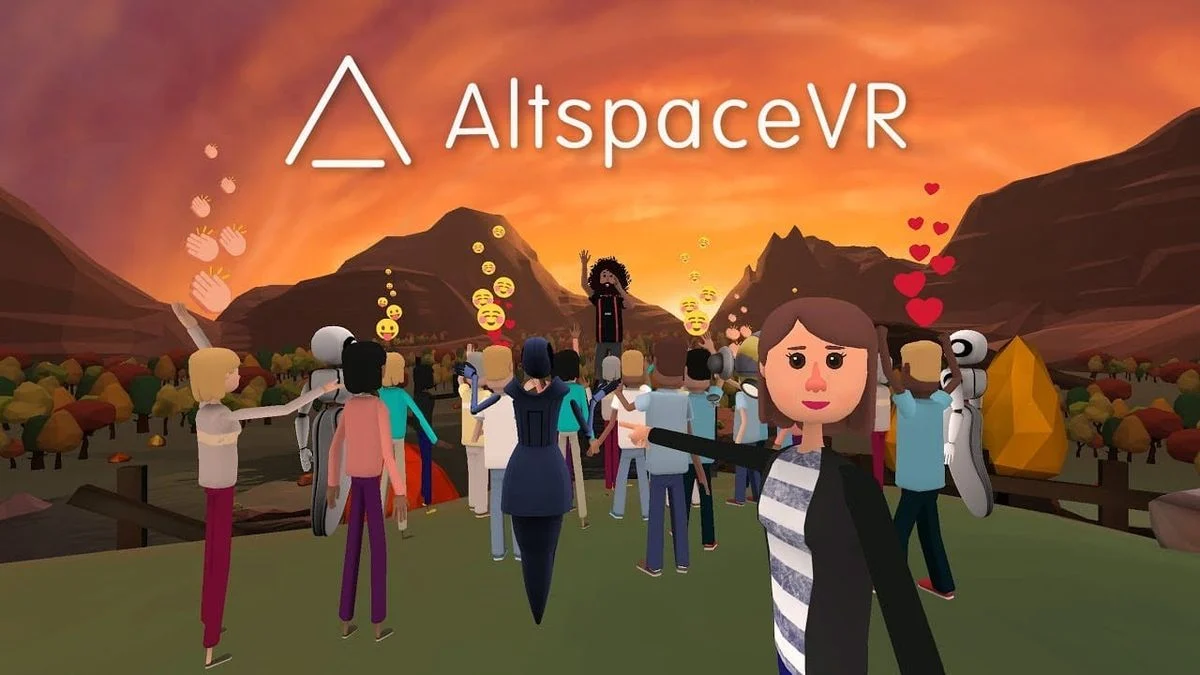
In a move that has sent ripples of nostalgia and cautious optimism through the extended reality (XR) community, Shane Harris, the CEO of SideQuest, has officially announced the acquisition of the rights to AltspaceVR. The platform, once the crown jewel of social virtual reality before its unceremonious shuttering by Microsoft in early 2023, is slated for a grand relaunch this fall.
This acquisition marks a full-circle moment for Harris, whose career in the VR industry was deeply intertwined with AltspaceVR’s original ecosystem. By positioning the new iteration as a "spiritual successor," Harris aims to recapture the lightning in a bottle that defined the early days of social VR, while navigating the treacherous economic waters that have recently seen even stalwarts like SideQuest face significant restructuring.
The Core Objectives: A Relaunch Rooted in Nostalgia
The primary objective of the new AltspaceVR is not to replicate the corporate-focused, enterprise-heavy version that existed in its final days under Microsoft. Instead, Harris has signaled a "back-to-basics" approach. According to his announcement, the platform will be redesigned to mirror the features and "vibe" of the 2016–2017 era—a period many veteran users consider the golden age of the platform.
Key Relaunch Features:
- Elite Development Team: Harris has recruited a "dream team" consisting of former AltspaceVR staff members and "OG" (original) power users to ensure the new platform maintains its historical DNA.
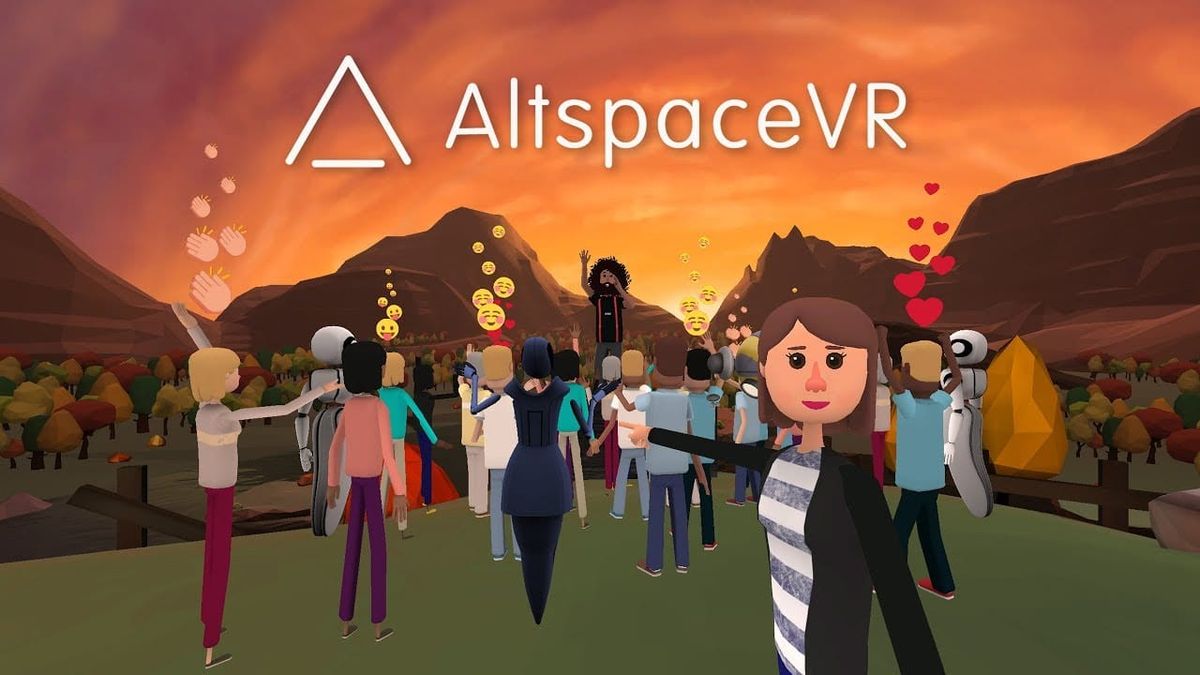
- Modernized Avatars: Working with the original concept designers, the team is modernizing the iconic "robot" avatars that defined Altspace’s early visual identity.
- Customization: Unlike the more rigid systems of its later years, the new Altspace will support custom avatars, leaning into the creative freedom found in competitors like VRChat.
- Spiritual Successor Philosophy: The project is being framed as a brand-new build that captures the "soul" of the original, rather than a mere server reboot of the old, legacy code.
A Chronology of Rise, Fall, and Rebirth
To understand the weight of this announcement, one must look at the turbulent history of both AltspaceVR and the man now tasked with its revival.
2015–2017: The Frontier Days
AltspaceVR was founded by Eric Romo and launched in May 2015. It was a pioneer in "social presence," allowing users from across the globe to meet in virtual rooms to watch YouTube, play D&D, or attend live comedy shows. It was one of the few platforms that successfully bridged the gap between PC VR (like the HTC Vive) and mobile VR (like the Samsung Gear VR).
2017: The Microsoft Lifeline
By mid-2017, AltspaceVR faced a financial crisis and was on the verge of shutting down due to a lack of funding. Microsoft stepped in, acquiring the company to bolster its Mixed Reality group. Under Microsoft, the platform became a testing ground for technologies like the HoloLens and hosted high-profile events, including Bill Nye talks and NBC election coverage.
2019: The Birth of SideQuest
During this time, Shane Harris was a prominent member of the Altspace community. He developed "Shane’s Editor," a tool that allowed users to build their own worlds within the platform. However, when Altspace shifted away from web-based development, Harris’s tool was marginalized. When he attempted to release a standalone version of his editor on the Oculus Quest, Meta (then Facebook) rejected it. This rejection became the catalyst for the creation of SideQuest, which eventually became the world’s largest third-party app store for VR.
2023: The Great Shutdown
In March 2023, as part of a massive 10,000-person layoff and a strategic pivot away from the "industrial metaverse," Microsoft officially closed AltspaceVR. The community was left homeless, with many migrating to VRChat or Rec Room, though many felt those platforms lacked the specific "intimacy" of Altspace.
2024–2025: The Path to Acquisition
Following the shutdown, Harris began negotiations to secure the intellectual property. Despite SideQuest’s success—including raising over $12 million from investors like Google Ventures and Palmer Luckey—the company was not immune to the cooling VR market, undergoing its own round of layoffs in February 2025. This makes the Altspace acquisition both a passion project and a high-stakes strategic pivot.
Supporting Data: The Market Landscape
The return of AltspaceVR occurs within a highly competitive social VR market. According to industry data, the "Big Three"—VRChat, Rec Room, and Meta’s Horizon Worlds—dominate the space, but there is a documented "exhaustion" among users regarding these platforms’ moderation policies, hardware requirements, and corporate aesthetics.
- User Retention: AltspaceVR, at its peak, maintained one of the highest "average time spent per session" metrics in the industry, often exceeding 60 minutes.
- SideQuest’s Reach: SideQuest currently hosts millions of active users and has facilitated the distribution of thousands of apps. This built-in audience provides Harris with a massive, ready-made marketing funnel for the Altspace relaunch.
- The "Banter" Factor: SideQuest already operates a social sandbox called Banter. The acquisition of Altspace suggests a multi-tiered social strategy: Banter for the experimental, high-performance crowd, and Altspace for the community-driven, nostalgic audience.
Official Responses and Public Sentiment
The announcement, delivered primarily via Reddit, was met with an outpouring of support from the VR "old guard."
In his official statement, Shane Harris emphasized the emotional connection to the project:
"My name is Shane, and I’m the CEO of SideQuest. We recently acquired the rights to the Altspace name and we have the motivation, experience and backing to bring it back in all its glory… I have assembled an elite team of previous Altspace staffers… we are already hard at work figuring out all the important stuff."
While Microsoft has not issued a formal statement regarding the sale of the rights, the move is consistent with the company’s recent trend of offloading consumer-facing VR assets to focus on its "Copilot" AI initiatives and Azure-based enterprise solutions.
Industry analysts suggest that by bringing back original staffers, Harris is avoiding the "Ship of Theseus" problem—where a revived brand feels like a hollow shell of its former self. By involving the original concept designers, the "new" Altspace aims to feel like a homecoming rather than a reboot.
Implications for the VR Industry
The revival of AltspaceVR carries several significant implications for the future of the metaverse and social computing.

1. The Decentralization of Influence
For years, the narrative of the metaverse was dominated by "Big Tech" (Meta, Microsoft, Apple). SideQuest’s acquisition of Altspace represents a shift toward "mid-sized" players taking ownership of cultural touchstones. It suggests that the future of social VR may lie in smaller, more focused communities rather than monolithic, "everything" apps.
2. The Preservation of Digital Heritage
The "death" of digital platforms often results in the permanent loss of community history and creative assets. Harris’s move to modernize the original robot avatars and consult with the original team is a rare example of digital preservation in an industry that usually prioritizes "disruption" over "continuity."
3. Economic Resilience and Sideloading
The success of this venture will largely depend on whether SideQuest can monetize a social platform where Microsoft failed. By leveraging their independent distribution network (sideloading) and their partnership with the Khronos Group to drive OpenXR adoption, SideQuest is less beholden to Meta’s storefront rules than the original Altspace was. This gives them greater flexibility in terms of monetization models, which could range from premium subscriptions to virtual goods.
4. Bridging the "Enterprise vs. Social" Gap
Microsoft’s failure with Altspace was largely attributed to trying to force a social, community-driven app into a corporate, "Teams-style" box. Harris’s commitment to the 2016-2017 era features suggests a pivot back to "fun" and "connection" as the primary value propositions. If successful, it could prove that the "social" in social VR is more valuable than the "utility."
Conclusion: The Road to Autumn
As Fall 2025 approaches, the VR community will be watching SideQuest closely. The technical challenges of rebuilding a platform that can support cross-platform play, custom avatars, and large-scale events are immense—especially for a company that recently faced layoffs.
However, Shane Harris has a history of betting against the odds. From creating an alternative app store that Meta couldn’t ignore to now rescuing the most beloved defunct platform in VR history, Harris is positioning himself as the guardian of the "Frontier VR" spirit. For the thousands of users who stood in virtual circles on the night Altspace died in 2023, this isn’t just a software update; it’s a second chance.
SideQuest has promised regular updates in the coming months. Whether this new Altspace can survive the modern VR landscape remains to be seen, but for now, the robots are coming back online.


