The Eternal Enigma: Navigating Life’s Currents Between Chance, Choice, and the Unseen Hand
The fundamental human condition, a conscious awareness of our inevitable mortality, has long fueled a profound existential question: What is the ultimate purpose of our lives? This ancient inquiry, recently rekindled during a casual encounter, prompts a deeper exploration into the interplay of destiny, free will, and the elusive forces that shape our journeys.
The Spark of Inquiry: A Dog Walker’s Revelation
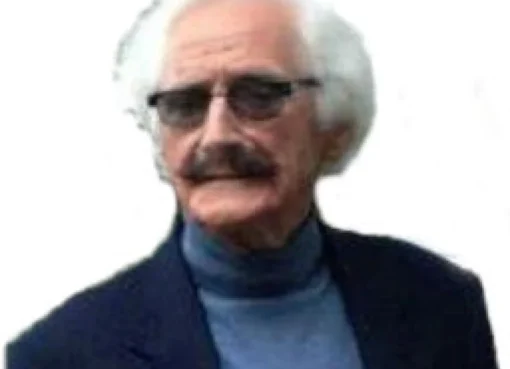
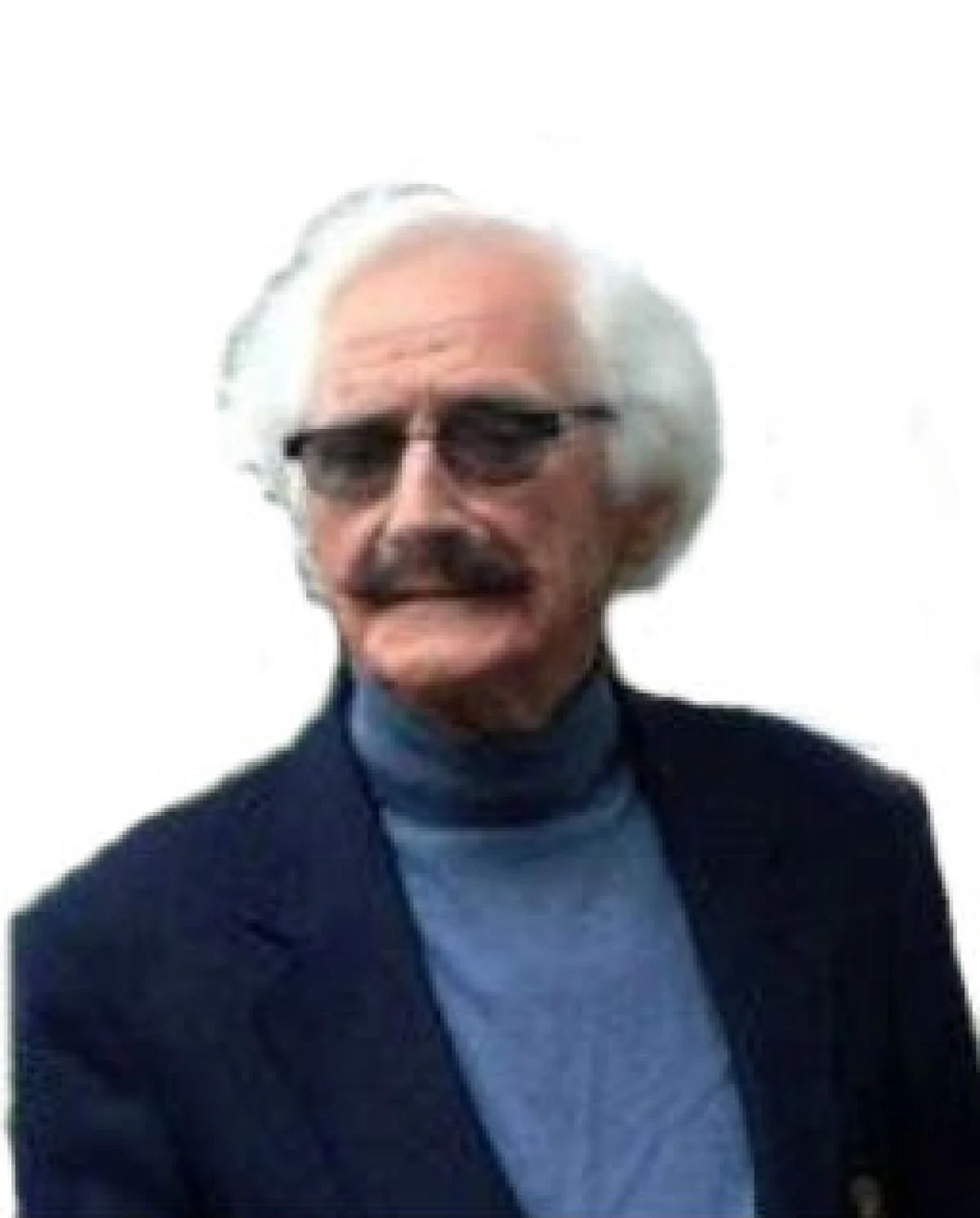
The quiet contemplation of life’s meaning is a pursuit often reserved for solitary moments or hushed philosophical discussions. However, the most profound insights can emerge from the most unexpected conversations. During a recent outing with his canine companion, the author found himself engaging in a discussion that transcended the usual pleasantries exchanged between fellow dog walkers. The catalyst was a question that has echoed through millennia of human thought: the ultimate purpose of our existence in the face of our finite lives.
Seeking a moment to gather his thoughts, the author posed a counter-question to his interlocutor: "Do you believe that each one of us goes through life in training, so to speak, for some ultimate destiny that lies beyond death; a destiny that can only be thought of in terms of a spirit-like existence?" The response, though uncertain, revealed a deeply ingrained human intuition. The fellow dog walker admitted to a persistent, almost subconscious, sense of moral persuasion – an inner voice urging him towards righteousness and discouraging harm. This internal compass, he felt, was a counterpoint to the ego-driven desires and fleeting sensory pleasures that often characterize daily life.
As the conversation deepened, the skies opened, and a gentle rain began to fall, signaling an abrupt end to their philosophical exchange. The author, realizing his unpreparedness to delve into the psychological nuances of this internal moral guidance, promised to revisit the topic. This encounter, however, served as a potent reminder of how deeply this existential inquiry had occupied his own introspective landscape for years, forming the bedrock of countless internal dialogues.
A Life of Philosophical Inquiry: The Dance of Preordination and Chance
The author confesses to a lifelong "compulsive philosophical nature," particularly pronounced in the latter half of his life. This inclination has led him to constantly ponder the extent to which our lives are governed by an irresistible, preordained power – what is commonly termed destiny. He questions whether this force dictates not only the events that unfold before us but also the subsequent planned or spontaneous actions we undertake, actions that ultimately sculpt our individual destinies.
The challenge, he notes, lies in accurately assessing the proportion of one’s life that adheres to deliberate planning versus that which appears to have occurred by sheer chance. While recalling major life plans, often forged through extensive rational deliberation and accompanied by careful consideration of pros and cons, proved relatively straightforward, recollecting instances where decisions were left entirely to serendipity or luck proved far more elusive. This suggests a human tendency to attribute agency and intention to our life’s trajectory, even when external forces may have played a more significant role.
The Dual Nature of Being: Biology, Spirit, and the Conundrum of Destiny
The author’s evolving perspective has led him to a profound conclusion: any meaningful discussion of personal destinies necessitates the integration of another fundamental aspect of the human being – the intuitive influence of what is often described as the "human spirit." This is not merely a vague spiritual concept but a force that inspires an awareness of the ultimate moral good, a driving force behind human consciousness and action.
He posits that we navigate existence as a composite of two distinct selves: a biological self and a spiritual self. The biological self, he suggests, is significantly shaped by the capricious forces of chance and luck. These are the unpredictable elements, the fortunate coincidences or unfortunate mishaps, that can dramatically alter the course of our lives without our direct volition.
Conversely, the spiritual side reflects the influence of a transcendent force. This force, for millennia, has been conceptually embodied as the "soul," and it is this spiritual dimension, the author argues, that holds responsibility for shaping our ultimate destiny. This concept of a dualistic existence – one subject to the vagaries of the material world and the other guided by a higher, more purposeful influence – presents a compelling framework for understanding the complexities of human experience.
A Personal Vignette: Survival as a Twist of Fate
The author offers a personal anecdote to illustrate the profound conundrum of destiny versus chance. His service in the Royal Air Force during World War II, a period marked by immense peril, serves as a stark example. Bomber Command, in particular, suffered devastating losses, with an estimated 65% of aircraft and crews lost.
In 1942, a new color vision test was implemented for aircrews. The author failed this test, leading to his removal from flying duties. This seemingly minor event, a consequence of a biological attribute and a bureaucratic decision, had a monumental impact on his life. By being taken off operational flying, he was spared the overwhelming odds faced by his comrades and, consequently, survived the war.
The question that immediately arises from this experience is deeply personal and universally resonant: Was his survival a matter of pure luck, a fortunate happenstance that shielded him from certain death? Or was it an act of destiny, a preordained path that ensured his survival, perhaps for a purpose yet to be fully understood? This personal narrative encapsulates the very essence of the philosophical debate: the undeniable role of chance in shaping our lives, juxtaposed with the enduring human intuition that there might be a grander design at play.
The Interplay of Factors: A Deeper Dive into Life’s Determinants
To further unravel this intricate tapestry of life’s influences, it is crucial to dissect the various forces that converge to shape our individual journeys. Beyond the broad strokes of destiny and chance, a more granular examination reveals the complex interplay of internal and external factors.
H2: The Psychological Landscape: Cognition, Emotion, and the Moral Compass
Our cognitive processes, encompassing our ability to reason, problem-solve, and make decisions, are fundamental to our perceived agency. The rational thought processes the author describes when making major plans represent the deliberate engagement of our intellect. This aspect of our being allows us to anticipate consequences, weigh alternatives, and actively steer our lives towards desired outcomes. However, our cognitive abilities are not infallible. Biases, limited information, and emotional influences can all sway our judgment, leading us down paths that may not be entirely of our conscious design.
The "lurking persuasion" to "do what’s right and to do no harm" points to the profound influence of our emotional and moral landscape. This internal compass, often referred to as conscience, is a complex phenomenon rooted in our psychological makeup. Evolutionary psychology suggests that a capacity for empathy and a sense of fairness are adaptive traits that promote social cohesion and survival. This moral intuition can act as a powerful counterweight to our more self-serving impulses, guiding us towards ethical behavior even when it conflicts with immediate gratification.
The author’s notion of a "spiritual self" can be understood, in part, as the manifestation of these deeply ingrained moral and altruistic tendencies. It is the part of us that yearns for meaning beyond the purely biological imperatives, that seeks to contribute positively to the world and to connect with something larger than ourselves. This spiritual inclination can manifest as a sense of purpose, a drive for self-transcendence, and a deep-seated belief in the inherent value of life.
H2: The Unseen Hand: Determinism vs. Free Will
The debate between determinism and free will is a cornerstone of philosophical inquiry and lies at the heart of the destiny versus chance conundrum. Determinism posits that all events, including human actions, are causally determined by preceding events and the laws of nature. In this view, our choices are not truly free but are the inevitable outcome of a chain of cause and effect stretching back to the beginning of time.
Conversely, free will proponents argue that individuals possess genuine autonomy and the capacity to make choices that are not predetermined. This perspective emphasizes our subjective experience of making decisions and the belief that we could have acted differently. The author’s struggle to recall instances where he left things to "chance or luck" suggests a natural inclination to perceive our actions as originating from within, a testament to our subjective experience of free will.
The author’s proposed duality of a biological and spiritual self offers a potential bridge between these seemingly opposing viewpoints. If our biological self is heavily influenced by chance and external factors, while our spiritual self is guided by a transcendent force that inspires moral good and perhaps a sense of purpose, then our actions may be a complex product of both deterministic influences and genuine, albeit perhaps spiritually guided, choice.
H2: The Role of Randomness and Serendipity
While the author grapples with the difficulty of recalling moments of pure chance, it is undeniable that randomness plays a significant role in our lives. From the genetic lottery that determines our inherited traits to the unpredictable events that unfold around us, chance is an ever-present force. Serendipity, the fortunate discovery of something good by accident, is another manifestation of this unpredictable element. The author’s survival due to a color vision test is a prime example of how a seemingly minor, chance occurrence can have life-altering consequences.
These random events can act as catalysts, diverting our paths, presenting unexpected opportunities, or imposing unforeseen challenges. They can disrupt carefully laid plans and force us to adapt, thereby influencing the trajectory of our lives in ways we could not have predicted or controlled. Recognizing and accepting the role of randomness is crucial for developing resilience and a more realistic understanding of our place in the universe.
Chronology of Inquiry: Tracing the Evolution of Thought
The question of life’s purpose and the forces that shape it is not a modern preoccupation. Its roots extend back to the earliest civilizations and have been a recurring theme throughout human history.
- Ancient Philosophies: From the Stoics’ emphasis on virtue and acceptance of fate to the Epicureans’ pursuit of pleasure and avoidance of pain, ancient Greek philosophers grappled with the nature of existence and our place within it. Eastern philosophies, such as Buddhism, with its concepts of karma and reincarnation, and Hinduism, with its notion of dharma, offer complex frameworks for understanding life’s journey and its ultimate meaning.
- Religious Doctrines: Major world religions have provided elaborate theological explanations for human existence, often positing divine providence and an afterlife as central tenets. Concepts of a creator God, divine plan, and the soul’s journey are central to many religious traditions, offering solace and purpose to billions.
- The Enlightenment and Beyond: The scientific revolution and the Enlightenment ushered in an era of rationalism and empiricism, leading to a greater emphasis on human agency and the pursuit of knowledge through observation and reason. However, the existential questions persisted, finding expression in the works of philosophers like Kierkegaard, Nietzsche, and Sartre, who explored themes of freedom, responsibility, and the search for meaning in a seemingly absurd world.
- Modern Psychology: Contemporary psychology continues to explore these fundamental questions through various lenses. Existential psychology, humanistic psychology, and positive psychology delve into the human need for meaning, purpose, and self-actualization. Neuroscience and cognitive science investigate the biological underpinnings of consciousness, decision-making, and moral behavior.
The author’s personal journey of philosophical inquiry, particularly his introspection during the second half of life, reflects a common pattern where the accumulation of experience leads to a deeper contemplation of life’s fundamental mysteries.
Supporting Data: Insights from Psychology and Philosophy
While definitive empirical proof of destiny or a spiritual realm remains elusive, various fields offer insights that support the author’s contemplative framework.
- Cognitive Biases: Research in cognitive psychology highlights numerous biases that influence our decision-making, often leading us to perceive patterns and intentions where none exist. The "hindsight bias," for instance, makes us believe that past events were more predictable than they actually were. This could contribute to our tendency to interpret life’s events as part of a grand design.
- Moral Psychology: Studies in moral psychology, such as those by Jonathan Haidt, explore the intuitive foundations of morality. Haidt’s "moral intuitionist model" suggests that moral judgments are often made rapidly and intuitively, followed by a rationalization process. This aligns with the author’s description of a "lurking persuasion" of conscience.
- Neuroscience of Spirituality: Emerging research in neuroscience is beginning to explore the neural correlates of spiritual and mystical experiences. While not proving the existence of a spiritual realm, these studies suggest that the human brain is wired in ways that facilitate experiences of transcendence and interconnectedness, which can contribute to a sense of purpose and meaning.
- Existentialism and Meaning-Making: The philosophical school of existentialism, while often bleak, emphasizes the human capacity to create meaning in a meaningless universe. This aligns with the idea that our "spiritual self" is actively involved in shaping our destiny through our choices and interpretations of experience.
Official Responses: A Spectrum of Perspectives
The nature of this inquiry means there are no "official responses" in the traditional sense of governmental or institutional pronouncements. However, the perspectives of various disciplines can be considered as forms of "response" to these enduring questions.
- Scientific Community: The dominant paradigm in science, particularly physics and biology, tends towards methodological naturalism, focusing on observable phenomena and testable hypotheses. While science can explain the mechanisms of the universe and the biological processes of life, it generally refrains from making pronouncements on metaphysical questions of destiny or the existence of a spiritual realm. However, some scientists engage with these questions, exploring the implications of quantum mechanics for determinism or the evolutionary origins of consciousness and morality.
- Religious Institutions: Religious institutions worldwide offer comprehensive theological frameworks that address the purpose of life, the nature of the soul, and the concept of divine destiny. These responses are rooted in faith, scripture, and tradition, providing guidance and meaning to adherents.
- Philosophical Discourse: The philosophical community continues to engage with these questions through ongoing debates and the development of new theories. Analytic philosophy, continental philosophy, and various sub-disciplines contribute to the intellectual exploration of consciousness, free will, ethics, and metaphysics.
- Psychological Professions: Psychologists, therapists, and counselors often work with individuals grappling with existential questions. Their approaches may range from existential therapy, which focuses on meaning-making and responsibility, to psychodynamic therapy, which explores unconscious influences, or cognitive-behavioral therapy, which addresses thought patterns and behaviors.
Implications: Navigating the Currents of Life
The author’s contemplative journey, sparked by a simple conversation, highlights several profound implications for how we understand and navigate our lives:
- Embracing Uncertainty: The inherent ambiguity of life, the constant interplay between planned actions and unforeseen events, suggests that a degree of uncertainty is unavoidable. Accepting this uncertainty can lead to greater flexibility, resilience, and a reduced need for absolute control.
- Cultivating Inner Guidance: The recognition of a "spiritual self" or an innate moral compass underscores the importance of cultivating our inner lives. This involves paying attention to our conscience, nurturing our capacity for empathy, and striving for ethical conduct.
- The Power of Choice: While acknowledging the influence of chance and external forces, the author’s framework still emphasizes the role of our "spiritual self" in guiding our destiny. This implies that our choices, even within the constraints of circumstance, hold significant power in shaping who we become and the impact we have on the world.
- The Search for Meaning: The persistent human quest for meaning suggests that it is an intrinsic need. Whether found in personal relationships, creative pursuits, acts of service, or spiritual exploration, the pursuit of meaning is a fundamental aspect of a fulfilling life.
- A Holistic Perspective: Ultimately, the author’s reflections suggest that a truly holistic understanding of life requires integrating the material and the metaphysical, the rational and the intuitive, the biological and the spiritual. By acknowledging the multifaceted nature of our existence, we can approach life with greater wisdom, humility, and a deeper appreciation for its enduring mysteries. The conversation on the rainy day may have ended, but the profound questions it ignited continue to resonate, inviting each of us to explore our own unique journey through the currents of chance, choice, and the unseen hand of destiny.