
Jorge Gutiérrez Withdraws from Amazon’s GenAI Animation Initiative Amidst Artist Backlash Over "Punky Duck" Project
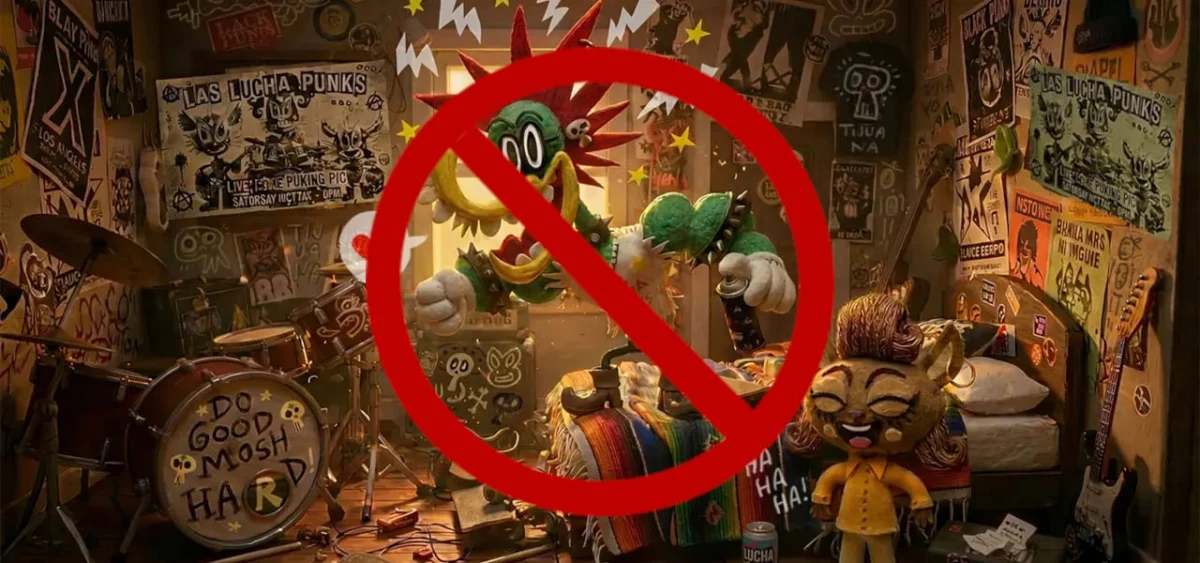
Los Angeles, CA – May 29, 2026 – Renowned filmmaker Jorge Gutiérrez, celebrated for his visually rich and culturally resonant animated features like The Book of Life, El Tigre: The Adventures of Manny Rivera, and Maya and the Three, has announced his immediate withdrawal from Amazon’s nascent generative AI (genAI) animation initiative. The decision comes just days after his initial involvement was revealed, sparking a significant wave of criticism from the animation community. Gutiérrez’s departure marks a pivotal moment in the ongoing debate surrounding the ethical implications and potential impact of artificial intelligence on creative industries.
The acclaimed director revealed his decision in a public statement shared via social media on Friday. Gutiérrez, who was slated to develop a project titled “Punky Duck” under Amazon’s new AI-driven animation program, stated, “I have decided to drop out of the AI program at Amazon. I will not be making a Punky Duck series. Actions speak louder than words.” This abrupt U-turn signifies a profound shift in his public stance and acknowledges the significant concerns raised by his peers.
The Genesis of Controversy: Gutiérrez’s Initial Stance and the "Punky Duck" Project
Gutiérrez’s initial engagement with Amazon’s genAI initiative was framed as an effort to explore and guide the integration of these emerging technologies within the animation pipeline. He had previously articulated a belief that artists should actively participate in shaping how generative AI tools are utilized, advocating for a proactive approach rather than outright rejection of the technology. This perspective was intended to position artists as collaborators and drivers of innovation, rather than passive observers or victims of technological displacement.
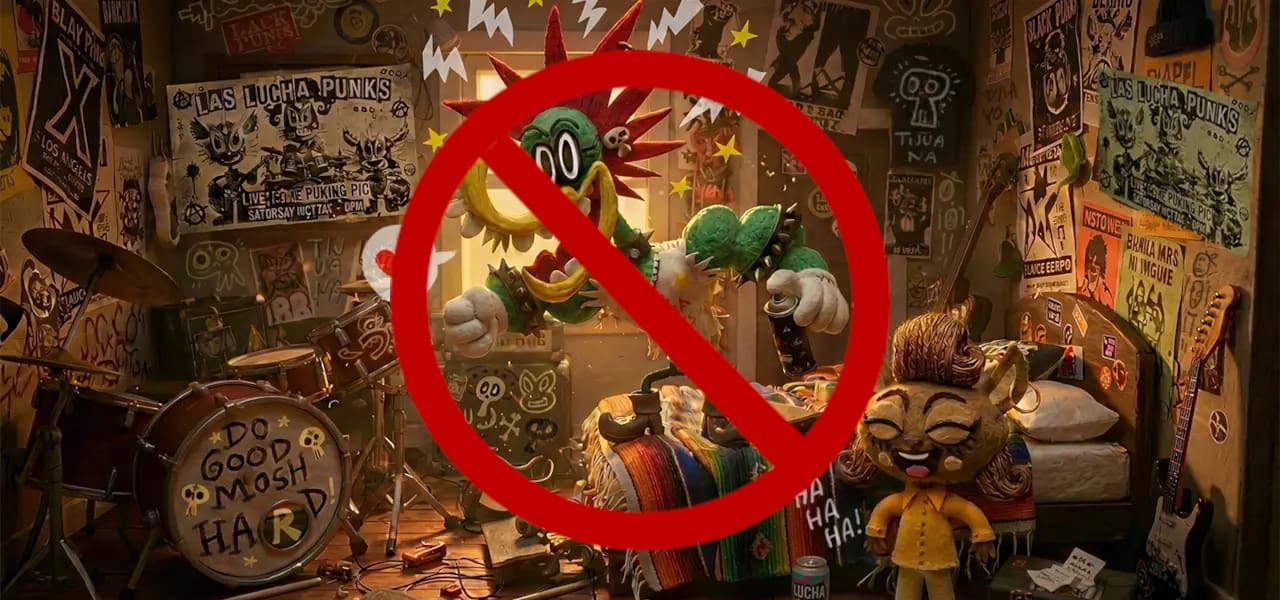
The project that was to be his flagship under this initiative, “Punky Duck,” was envisioned as one of the earliest animated productions to leverage Amazon’s advanced AI capabilities. Details surrounding the specific nature of “Punky Duck” remain scarce, but its association with Gutiérrez, a filmmaker known for his deep connection to handcrafted aesthetics and deeply personal storytelling, made his participation particularly noteworthy.
The Swift and Intense Backlash from the Animation Community
However, Gutiérrez’s embrace of the initiative, particularly his collaboration with a tech giant like Amazon, ignited immediate and fervent opposition from a significant segment of the animation industry. Critics voiced strong reservations, viewing his partnership as an implicit endorsement of technologies that many fear pose a direct threat to animators’ livelihoods and the integrity of artistic creation. The core of the criticism revolved around several key concerns:
- Job Displacement: The rapid advancement of genAI tools has fueled widespread anxiety among artists about their future employment prospects. Many fear that AI-generated content could lead to a reduction in demand for human animators, illustrators, and other creative professionals.
- Exploitation of Artistic Labor: A significant point of contention is the way AI models are trained. Many models are developed using vast datasets of existing artwork, often scraped from the internet without explicit consent or compensation for the original creators. This practice has been decried as a form of exploitation, where artists’ protected work is used to train systems that could ultimately undermine their own careers.
- Dilution of Artistic Vision and Authenticity: There is a palpable concern that AI-generated animation, while potentially efficient, may lack the unique artistic vision, emotional depth, and handcrafted quality that defines much of Gutiérrez’s celebrated work. His own artistic philosophy, deeply rooted in cultural heritage and personal expression, seemed to be in conflict with the perceived soulless efficiency of AI.
The intensity of the reaction was amplified by Gutiérrez’s established reputation. He has long been championed as an artist-first creator, whose films and series are characterized by a distinct visual style, vibrant cultural influences, and authentic storytelling. This established persona made his alignment with a technology perceived as potentially antithetical to such values particularly jarring for many of his fans and colleagues. Online forums, social media platforms, and professional networks buzzed with discussions, with many expressing disappointment and confusion.
Gutiérrez’s Apology and Recommitment to Artist Advocacy
In his statement, Gutiérrez directly addressed the criticism and the upset it caused. He offered a sincere apology, acknowledging the pain and concern his involvement had generated. “My sincerest apology to those I upset. I promise to do better moving forward. Thank you for your patience with me. I will try harder,” he wrote, signaling a deep introspection and a willingness to learn from the experience.
He reiterated his original intent, stating, “My intent was to showcase artists, both new and seasoned, both inside and outside the studios, driving this new tech.” This suggests that his goal was to foster a more ethical and artist-centric integration of AI, rather than to simply embrace the technology without regard for its implications. However, the backlash clearly indicated that his approach, or at least its public perception, had failed to resonate positively with the community he sought to represent.
The Broader Context: Amazon’s AI Ambitions and Industry-Wide Concerns
Gutiérrez’s withdrawal occurs within a broader landscape of increasing AI integration across various creative industries. Amazon, like other major tech companies, is actively exploring the potential of generative AI to streamline and innovate its content production processes. The company’s AI ambitions in animation are part of a larger strategic push to leverage artificial intelligence for content creation, a move that has been met with both excitement for its potential efficiencies and apprehension regarding its ethical ramifications.
Amazon’s “AI ambitions” encompass a range of projects, and “Punky Duck” was positioned as a significant early undertaking. The company had also been reportedly exploring other AI-driven animation projects, including one with Loryn Brantz and BuzzFeed, as previously reported by Cartoon Brew. Gutiérrez’s departure, therefore, represents a significant setback for Amazon’s efforts to gain broad acceptance and artist buy-in for its AI animation ventures.
.png)
The concerns raised by the animation community are not unique to this situation. Across the film, television, and gaming industries, there are ongoing debates about AI’s role in creative workflows. Unions, guilds, and individual artists are actively engaging in discussions with studios and technology providers to establish guidelines, ethical frameworks, and contractual protections to ensure that AI development benefits, rather than harms, the creative workforce.
Implications and Future Outlook
Jorge Gutiérrez’s decision to withdraw from Amazon’s genAI initiative carries significant weight. It serves as a powerful testament to the influence of artist advocacy and the critical importance of community sentiment in shaping the adoption of new technologies. His apology and subsequent withdrawal suggest a recognition that even with the best intentions, the implementation and perception of AI in creative fields are fraught with complexities that require careful navigation and deep consideration of the human element.
The incident highlights a critical juncture for the animation industry. The allure of technological advancement must be balanced with a commitment to ethical practices, artist well-being, and the preservation of artistic integrity. Gutiérrez’s personal journey in this matter underscores the ongoing challenge of reconciling innovation with the deeply human and often labor-intensive nature of artistic creation.
As of this reporting, neither Amazon nor Jorge Gutiérrez has provided further details regarding the specific factors that precipitated his final decision. However, the narrative surrounding “Punky Duck” and its aborted journey into AI-driven animation will undoubtedly remain a significant case study in the evolving relationship between artificial intelligence and the art of animation. The industry will be watching closely to see how these dialogues progress and what measures will be put in place to ensure that the future of animation remains a collaborative endeavor that values and empowers its human creators.



Leave a Comment