Google Revolutionizes Search Console: Integrating Social Media and Video Performance Tracking
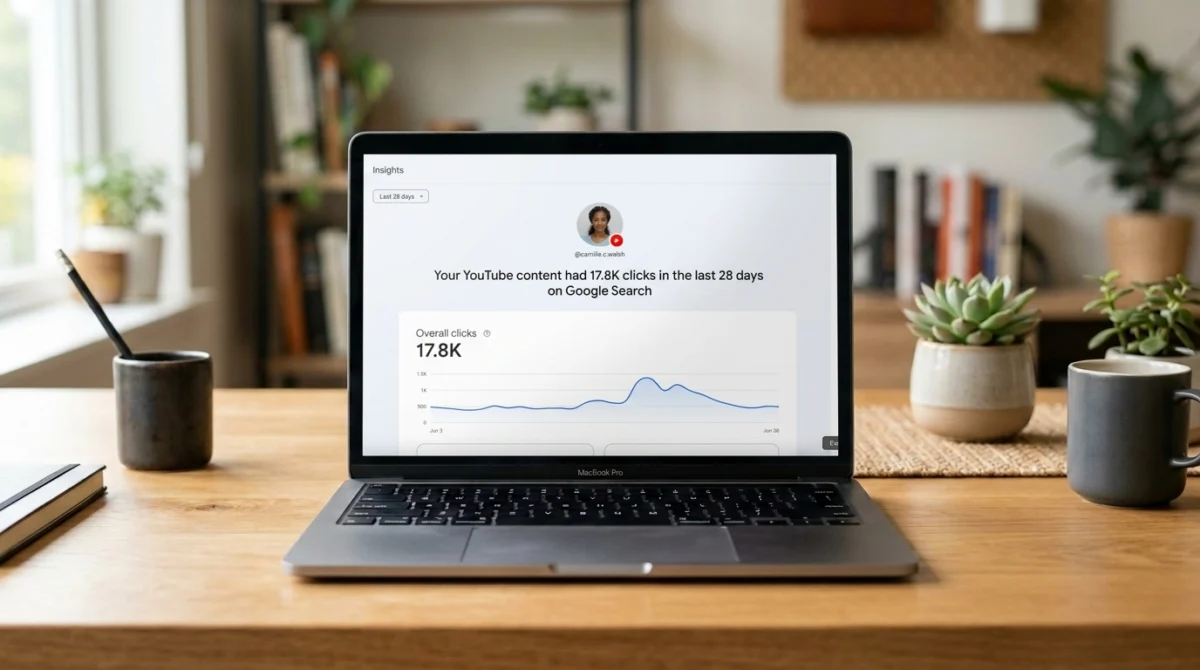
The landscape of digital marketing and search engine optimization (SEO) underwent a seismic shift this month as Google officially integrated social media and video platform tracking into its Search Console (GSC). This update, which allows creators and website owners to monitor how their content on Instagram, TikTok, X (formerly Twitter), and YouTube performs within Google Search, Google News, and Discover, marks one of the most significant expansions of the tool since its inception.
By moving beyond the traditional confines of domain-based indexing, Google is acknowledging a new reality: the "creator economy" and the "social search" era are no longer peripheral to the open web—they are central to it.
Main Facts: A Paradigm Shift in Performance Monitoring
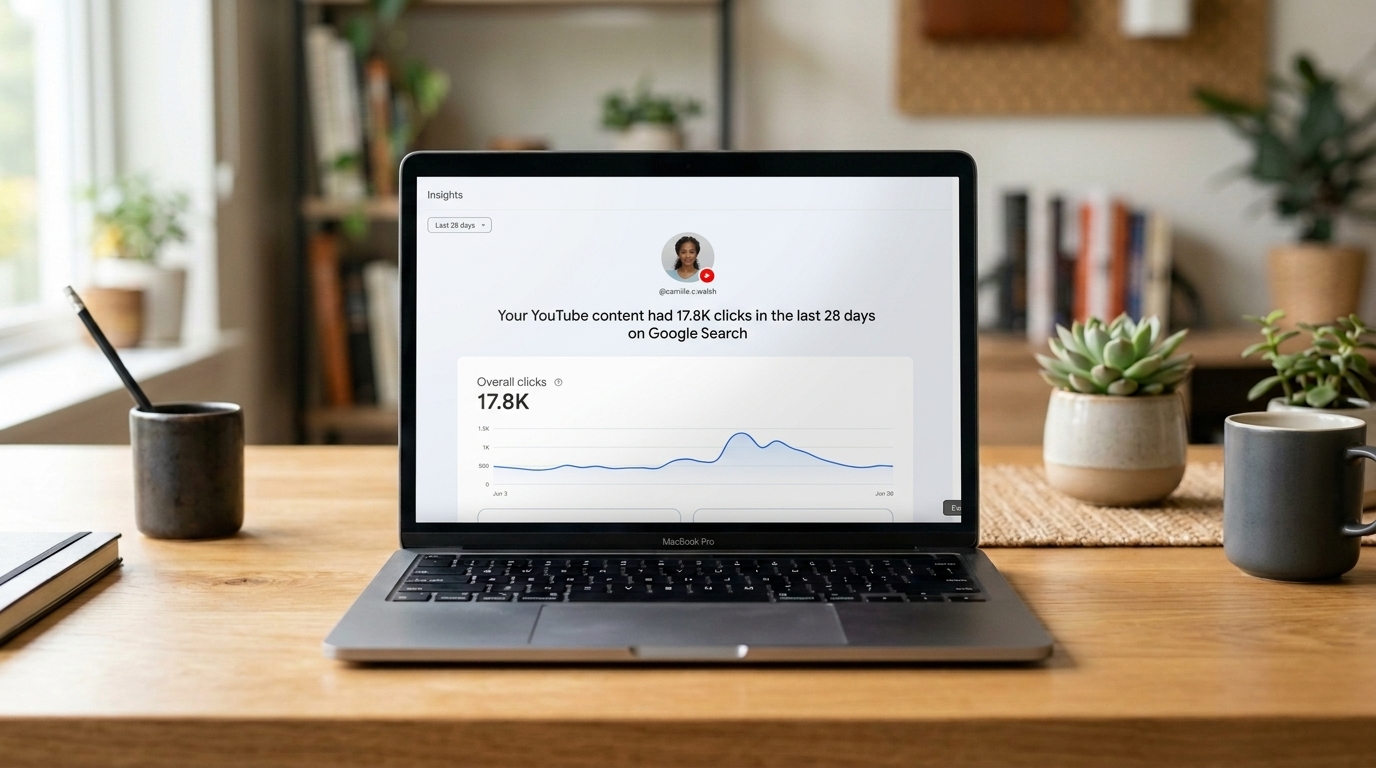
On July 7, Google announced the rollout of a feature known as "Platform Properties." This update enables users to verify and track social media profiles as first-class citizens within the Google Search Console ecosystem. For the first time, a TikTok creator or an Instagram influencer can see exactly how many impressions and clicks their social posts are generating from Google’s primary search results and the Discover feed.
The key highlights of this rollout include:
- Broad Platform Support: The initial launch supports four of the world’s most influential content platforms: YouTube, TikTok, Instagram, and X.
- Omnichannel Visibility: Data is aggregated from across Google’s most high-traffic surfaces, including the standard Search results page, the specialized Google News tab, and the highly personalized Google Discover feed.
- Accessibility for Non-Webmasters: In a historic move, Google is allowing individuals who do not own a traditional website or domain to use Search Console. By verifying a social media handle, creators can gain insights that were previously reserved for web developers and SEO professionals.
- Unified Reporting: The new feature provides a consolidated view, allowing marketers to compare the "off-platform" reach of their social content against their traditional web pages.
While social platforms have long provided "in-app" analytics—telling a creator how many views they received within the TikTok or Instagram app—they have historically been a "black box" regarding how that content surfaces in external search engines. Google’s update finally shines a light on the "search-to-social" pipeline.
Chronology: The Evolution of Google Search Console
To understand the weight of this update, one must look at the trajectory of Google’s webmaster tools over the last two decades.
The Early Era (2006–2015): Google Webmaster Tools
Launched in 2006 as "Google Webmaster Tools," the platform was a technical utility designed for developers. Its primary purpose was to help Google crawl and index the web more efficiently. Users submitted sitemaps, checked for crawl errors, and viewed basic keyword data. At this stage, the internet was a collection of static URLs, and social media was in its infancy.
The Rebranding (2015–2020): Search Console and the Mobile Shift
In 2015, Google rebranded the service to "Search Console" to reflect a broader audience that included SEOs, marketers, and business owners. During this period, Google introduced the "Performance Report," which became the industry standard for tracking organic traffic. As mobile usage surged, GSC added "Mobile Usability" reports and later, "Core Web Vitals," emphasizing that user experience was as important as content.
The Video and Social Integration (2021–Present)
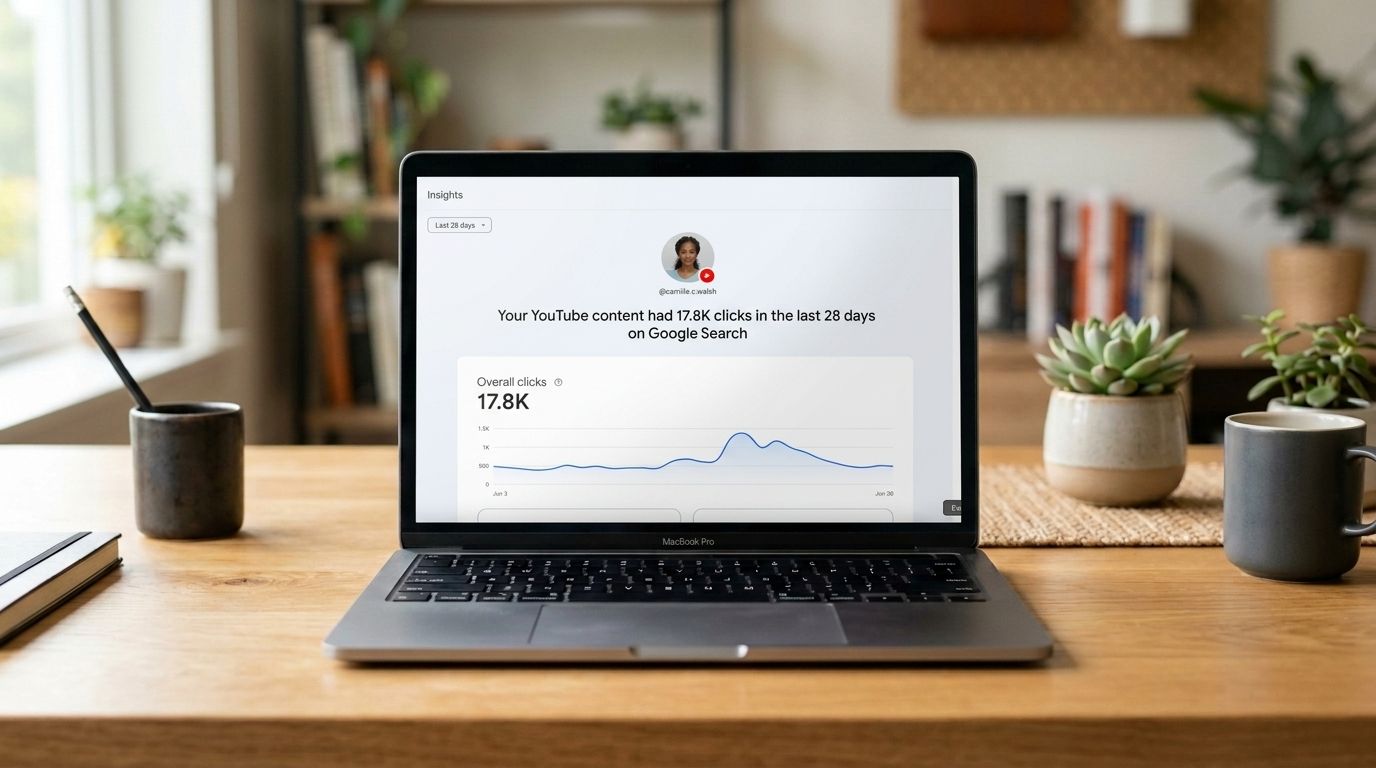
In recent years, Google began signaling an interest in "short-form" content. In 2022, they introduced the "Video Indexing Report," helping site owners understand how videos embedded on their pages were performing. However, the July 7 announcement represents the final bridge between the "Open Web" and "Social Gardens." By allowing social profiles to be added as "Properties," Google has effectively admitted that a TikTok profile is just as much a "destination" for a user as a .com website.
Supporting Data: Why Google is Breaking the "Walled Garden"
Google’s decision to integrate social data is not merely a gesture of goodwill toward creators; it is a strategic response to shifting user behaviors and competitive pressures.
The Rise of Social Search
Data from various market research firms, including internal surveys conducted by Google itself, suggest that nearly 40% of Gen Z users prefer using TikTok or Instagram over Google Search when looking for a place to eat or a product to buy. By bringing social content into Search Console, Google is encouraging creators to optimize their social posts for search, thereby ensuring that Google remains the "starting point" for the internet, even if the eventual destination is a third-party app.
The "Perspectives" and Discover Influence
Google Discover has become a massive traffic driver, often surpassing traditional organic search for news and lifestyle publishers. Discover relies heavily on visual content and "human-centric" perspectives. According to industry data, social media posts—particularly those with high engagement—are increasingly appearing in the "Perspectives" filter and Discover feeds. Providing creators with data on these impressions incentivizes them to create more "search-friendly" social content.
The Decline of Traditional CTR
As Google’s Search Generative Experience (SGE) and AI Overviews take up more "real estate" on the search results page, the click-through rate (CTR) for traditional blue links has seen a decline in certain sectors. Marketers are looking for new ways to capture "share of shelf." Social media snippets offer a more visual, interactive way to occupy search real estate, and GSC data now allows brands to quantify the ROI of this visual presence.
Official Responses: Google’s Vision for the Future
In the official announcement on the Google Search Central blog, the company emphasized that this update is about inclusivity and the evolution of content formats.
"As people gravitate toward firsthand perspectives and different content formats, we want to make it easier for site owners and creators—even those without their own website—to get a consolidated view of how all of their content is getting discovered on Search," the statement read.
This quote highlights two critical shifts in Google’s philosophy:
- Firsthand Perspectives: Google is prioritizing "Experience, Expertise, Authoritativeness, and Trustworthiness" (E-E-A-T). Social media is often the primary source of "experience."
- Website-less Creators: This is perhaps the most radical change. For 25 years, Google was a tool for websites. Now, it is a tool for identities.
Industry experts have reacted with cautious optimism. "This is a massive win for social media managers who have long struggled to prove that their TikTok or X strategy helps SEO," says one senior digital strategist. "However, the 48-hour data lag and the potential for ‘data noise’ mean that marketers will need to be more sophisticated in how they interpret these reports."
Implications: A New Era for Digital Marketing
The integration of social and video into Google Search Console has far-reaching implications for how businesses and individuals approach the internet.
1. The Convergence of SEO and Social Media
For years, SEO and Social Media departments operated in silos. SEO focused on keywords and backlinks; Social focused on engagement and virality. That wall has now crumbled. Social media managers must now learn the basics of "Social SEO"—using keywords in captions and bios to ensure their posts surface in Google Search. Conversely, SEOs must look at social platforms as a way to "own" more of the Search Results Page (SERP).
2. The Value of "Off-Platform" Analytics
Until now, a brand might see that a YouTube video got 10,000 views, but they wouldn’t know if those viewers found the video through a Google search for a specific problem. With GSC integration, brands can identify which specific search queries are driving traffic to their social profiles. This allows for better "content-market fit," as creators can see what questions people are asking on Google and answer them via TikTok or YouTube.
3. The "Entity" Over the "URL"
This update moves Google closer to an "Entity-based" search model. Google is no longer just indexing pages; it is indexing "Entities" (people, brands, creators). If you are a recognized entity, Google wants to show your website, your X feed, your YouTube channel, and your TikTok profile all in one place. Search Console is becoming the dashboard for managing that entire digital identity.
4. Challenges for Privacy and Attribution
While the update provides more data, it also raises questions about attribution. If a user sees a TikTok post in Google Search, clicks it, and then buys a product a week later inside the TikTok app, who gets the credit? Marketing attribution models will become significantly more complex as the boundaries between search engines and social networks continue to blur.
Conclusion: Preparing for the New Search Console
The rollout of Platform Properties is currently in a gradual phase, with most users gaining access over the coming weeks. To prepare, creators and brands should begin the verification process by adding their social handles to their GSC accounts. While it takes roughly 48 hours for data to populate, the insights gained will likely redefine marketing strategies for the remainder of the decade.
In an era where a 15-second video can carry as much authority as a 2,000-word article, Google’s latest update is more than just a technical feature—it is a roadmap for the future of information discovery. The web is no longer a collection of documents; it is a vibrant, multi-format conversation, and Google Search Console is finally listening to the whole story.