"Veterans of the Fall": A Critical Look at William Crowe’s Debut and the Black Library’s Evolving Talent Pipeline
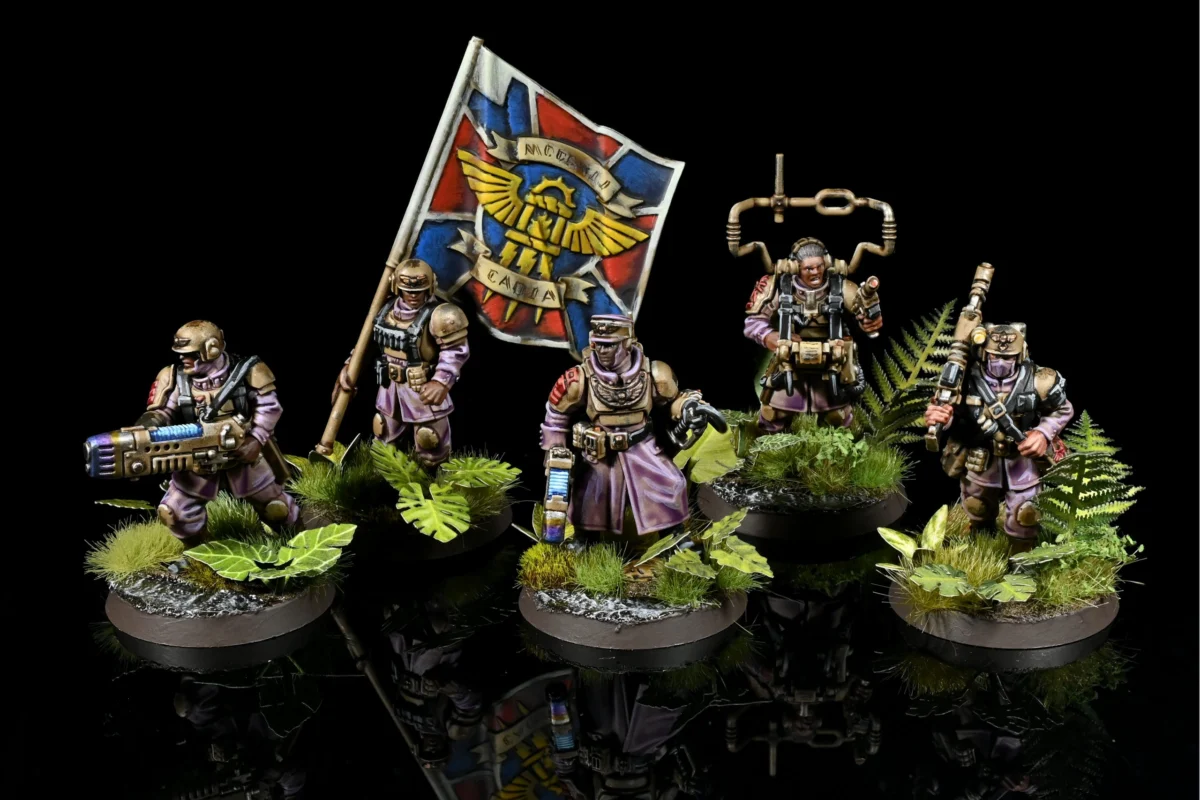
Image credit: Games Workshop
The Black Library, Games Workshop’s publishing arm, has long served as a vital forge for new literary talent within the expansive Warhammer universes. For years, a relatively clear talent development pipeline allowed emerging authors to "audition" for larger projects through various short story formats. However, recent shifts in this model have cast a shadow of uncertainty over the future of authorial progression. Amidst this evolving landscape, William Crowe’s debut collection, "Veterans of the Fall," emerges as a fascinating case study, not only showcasing a promising new voice but also highlighting the complex interplay between publishing strategy and narrative cohesion.
Main Facts: William Crowe’s "Veterans of the Fall" Unveiled
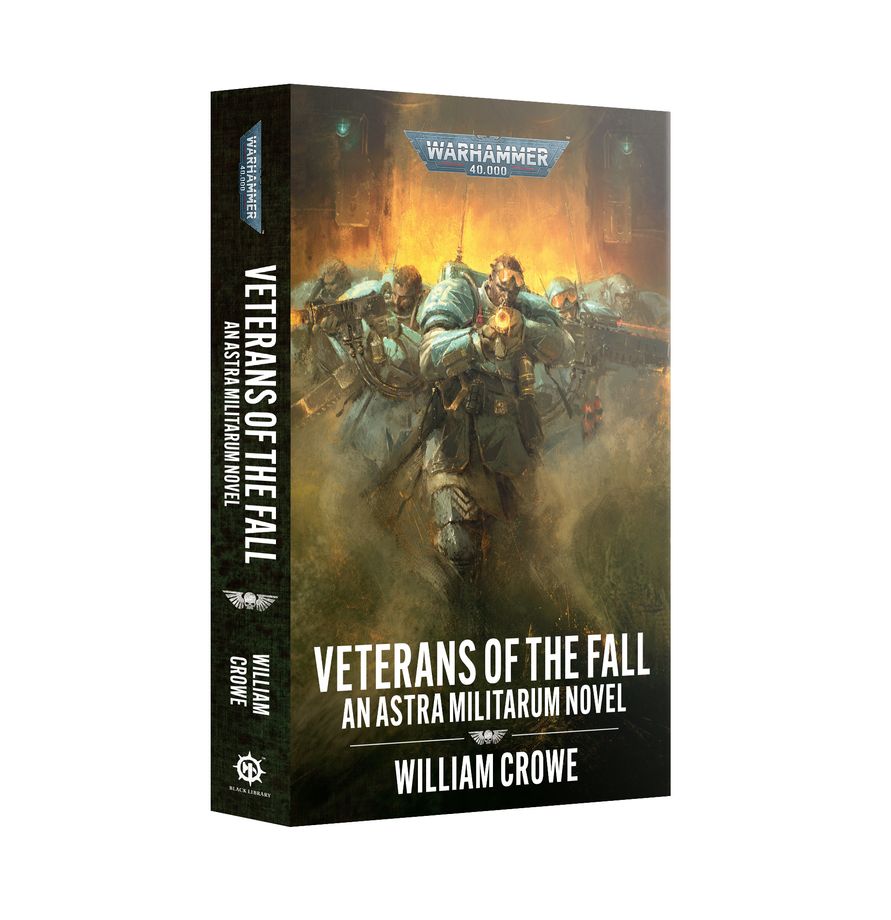
"Veterans of the Fall," billed as an Astra Militarum novel, is in essence a "fix-up novel," a compilation of previously released shorter works alongside a new, concluding novella. Released in May 2025, the book brings together Crowe’s short story "Tattershield," his five-part White Dwarf serial "Tatters of Hope," and the titular novella "Veterans of the Fall." This structure offers a unique lens through which to examine both Crowe’s development as a writer and the Black Library’s approach to nurturing its authors.
The narrative centers on the Kasrkin unit known as the Tattershields, led by the battle-hardened Sergeant Kostantin Taikon. These are not fresh recruits but deeply traumatized Cadian veterans, survivors of the apocalyptic Fall of Cadia and the subsequent horrors of the Great Retreat. Their story unfolds on the war-torn planet Gavaine, where they find themselves mired in a brutal, grinding conflict. Crowe’s work distinguishes itself by immediately establishing this profound weariness, grounding the soldiers’ actions in a palpable sense of resilience born from unimaginable suffering. The book promises a deep dive into the relentless courage and grim determination that define the Imperial Guard, particularly its elite Kasrkin regiments, as they face overwhelming odds against the backdrop of the Imperium Nihilus.
Chronology: William Crowe’s Ascendance and the Evolving Black Library Pipeline
The journey of "Veterans of the Fall" to publication is inextricably linked to the Black Library’s shifting talent development mechanisms, offering a chronological insight into both the author’s progression and the publisher’s strategic adjustments.
Early Steps: The Digital Debut and Anthology Inclusion
William Crowe’s introduction to the Black Library readership began in April 2024 with his debut short story, "The Shot That Kills You." This tale, featuring an Astartes of the Raptors Chapter matching wits with the insidious Drukhari, was initially part of the Space Marine Successors Week digital subscription. Its critical reception was positive, with reviewers noting its effective portrayal of the Raptors’ tactical acumen. The story later found a wider audience in print as part of the "No Peace Among Stars" anthology, which received acclaim for its diverse contributions to the Warhammer 40,000 universe.
Following this initial success, Crowe delivered "Tattershield" in October 2024, released during Astra Militarum Week. This story, which would later become the opening piece of "Veterans of the Fall," also earned a place in the "No Peace Among Stars" anthology. It was "Tattershield" that, according to critical consensus, truly propelled Crowe’s progression within the Black Library, laying the groundwork for his deeper engagement with the Astra Militarum.
These early releases exemplify a once robust "digital-first" pipeline, where authors could test their mettle and build a readership through easily accessible eShorts and themed digital weeks.
The White Dwarf Serial and its Significance
The momentum generated by "Tattershield" quickly led to Crowe’s next significant project: "Tatters of Hope," a five-part serial that debuted in the November 2024 issue of White Dwarf magazine. This extended narrative provided Crowe with a larger canvas, allowing him to explore the Tattershields’ ongoing struggles in more detail over several months, concluding in the March 2025 issue.
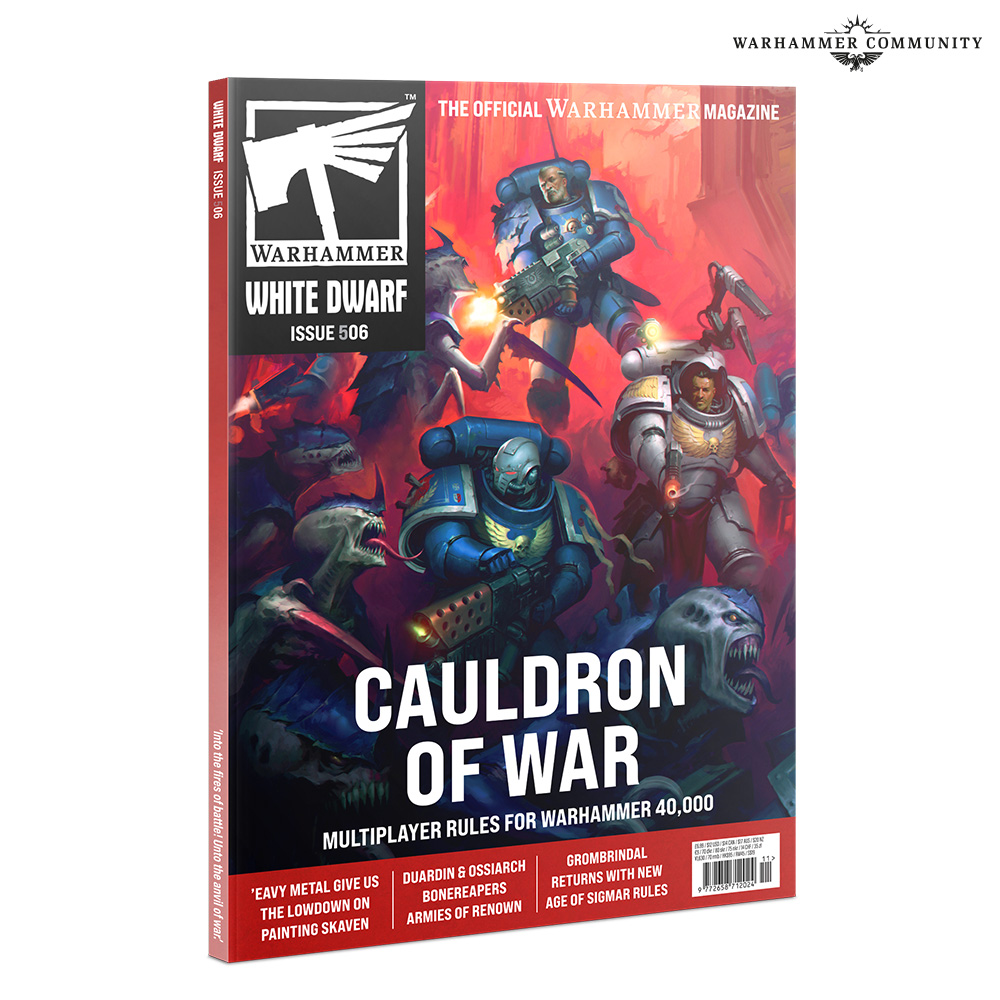
The White Dwarf pipeline remains a crucial, and increasingly prominent, avenue for new and established authors. It has recently featured excellent work from other emerging talents, such as Russell Zimmerman, whose contributions have been critically reviewed, and Neil Andrew Miller, whose "The Chronicles of Bain" (also reviewed favorably) demonstrated a strong grasp of serialized storytelling. With the closure of other digital avenues, White Dwarf‘s continued commitment to short fiction takes on greater importance, acting as a consistent platform for authors to develop their craft and maintain visibility.
The "Fix-Up" Approach: From Shorts to Novel
After "Tatters of Hope" concluded, Crowe temporarily stepped back from public releases to focus on the expanded narrative that would become the novella "Veterans of the Fall." The decision to combine these disparate pieces into a single volume results in a "fix-up novel"—a publishing tradition where a collection of shorter, often previously published, stories are woven together, sometimes with new bridging material, to form a longer, novel-length work.
This approach has a storied history within the Black Library, seen in classic works like William King’s "Trollslayer" saga and Dan Abnett’s seminal "Ghostmaker," the first volume of the Gaunt’s Ghosts series. While "Veterans of the Fall" doesn’t employ explicit bridging prose, it is structured to read cohesively as a single narrative arc. This modular publishing strategy allows the Black Library to maximize content across various formats—digital subscription, magazine serialization, and print anthologies—before consolidating popular threads into a full-length book. For authors, it offers a tiered progression, allowing them to build a body of work and refine their characters before committing to a larger project.
Supporting Data: The Narrative and Thematic Core of "Veterans of the Fall"
The strength of "Veterans of the Fall" lies in its multi-layered narrative, each component contributing to a deepening understanding of the Tattershields and their grim reality.
A Deep Dive into "Tattershield" (The Short Story)
The book opens with the eponymous short story, "Tattershield," which serves as an immediate and brutal introduction to Sergeant Kostantin Taikon and his elite Kasrkin unit. Crowe masterfully establishes the profound weariness and psychological scarring of these soldiers. As the narrative states:
"…had already lived through unimaginable horrors, from the Fall of Cadia to the birth of the hellish rift that turned the night sky into a roiling, queasy storm of tortured pink unlight. They had survived the Great Retreat, falling back to landing pads and lighters, fighting off suicidal boarding actions to buy frigates and battleships time to shoulder their way clear of their home world’s collapsing gravity well. In shock, they had limped towards the nearest friendly star- the cold grey light of Gavaine. And they had been there, under siege, for the next two years and nineteen days."
This vivid exposition immediately conveys that these are not idealistic heroes, but survivors hardened by ceaseless conflict. Their current mission, an assassination of an enemy commander known as the Maligner, is presented not as a glorious charge, but as the culmination of months of grueling "shaping operations"—a series of calculated, brutal strikes against enemy officers, communications, and strongholds. The Tattershields are pragmatists, systematically dismantling their foe’s defenses. The story’s tension builds as a questionable intel source points towards a final, decapitating strike, only for the Maligner to reveal a deeper, more insidious nature, forcing the Tattershields to risk everything to complete their objective.
Navigating the Serialized Narrative: "Tatters of Hope"
Following the intense opening, "Tatters of Hope" expands the scope, presenting a five-part serial that deepens the reader’s engagement with the Tattershields. Serialized fiction, particularly in a monthly magazine like White Dwarf, poses a unique challenge for authors: each installment must offer a satisfying, self-contained narrative while also contributing to a larger, overarching plot.
Crowe’s approach to "Tatters of Hope" differs from Neil Andrew Miller’s critically acclaimed "The Chronicles of Bain," which utilized a time-jump device to explore a soldier’s life at different consequential moments. Instead, Crowe employs a more continuous, yet episodic, narrative. The stories run sequentially, but each part focuses on a distinct mission or encounter. For instance, one installment might involve a desperate rescue of a stranded convoy, while another details a tense confrontation with a cunning sniper. This episodic structure works remarkably well, requiring minimal retention of specific plot details from one month to the next, yet collectively building a comprehensive picture of the Tattershields’ relentless campaign on Gavaine. By the conclusion of "Tatters of Hope," readers have a solid grasp of the unit’s character, their tactical prowess, and their grim determination.
The Climactic Novella: "Veterans of the Fall"
The concluding novella, "Veterans of the Fall," leverages the established foundation to elevate the stakes considerably. Still entrenched on Gavaine, the Tattershields find themselves at a critical juncture: the enemy is on the brink of total defeat, with their last bastion of resistance located at the planetary voidport. Sergeant Taikon and his unit are tasked with leading the final, decisive assault to reclaim this vital strategic asset.
However, the situation rapidly deteriorates. The Tattershields uncover a treacherous plot involving Traitor Guard elements within their own ranks, a last-ditch effort by the enemy to sow chaos and destroy them from within. Adding to the peril, a trio of Astartes voidcraft are detected on an intercept course for the planet, signaling the arrival of a far more dangerous foe. Caught between the internal sabotage and an external, overwhelming threat, the Tattershields face a true "hammer and anvil" scenario. The novella pushes the limits of their endurance and resolve, forcing them into a desperate struggle to secure Gavaine once and for all, or face the bitter irony of defeat snatched from the jaws of victory. This final act provides Crowe ample space to deliver the emotional and tactical climax his Kasrkin unit truly deserves.
Official Responses and Industry Context: Black Library’s Evolving Strategy
The publication of "Veterans of the Fall" cannot be fully appreciated without understanding the broader context of the Black Library’s evolving publishing strategy and its impact on author development.
The Shuttering of the eShort Subscription
A significant change in the Black Library’s talent pipeline occurred late last year with the unannounced closure of the digital eShort subscription service. This pipeline, which provided authors like William Crowe with their initial digital debuts, simply ceased to materialize with the customary Advent Subscription. This abrupt decision removed a key "audition" path for new and upcoming authors, leaving many to wonder about the implications for breaking into the Black Library.
While the official reasons for this shift have not been extensively detailed, speculation suggests a move towards streamlining digital offerings, a greater focus on physical releases, or perhaps a consolidation of resources. Whatever the rationale, the closure undoubtedly makes the entry point for new authors narrower and potentially more competitive, impacting the diversity and volume of new voices emerging.
Black Library’s Evolving Talent Development Strategy
With the eShort subscription path shuttered, the remaining primary avenues for authors to "audition" and develop their craft are through White Dwarf magazine and occasional anthologies. While White Dwarf continues to be a vibrant platform, as evidenced by the work of Zimmerman, Miller, and Crowe himself, its capacity for new authors is inherently limited by its monthly publication schedule. Anthologies, while providing a significant platform, are less frequent and often draw from an existing pool of talent or previously released digital shorts, though "Death and Duty: An Astra Militarum Anthology" notably featured original tales from Zimmerman, John Sollitto, and Tom R. Pike.
This evolving strategy suggests a more curated, and perhaps more challenging, landscape for aspiring Black Library authors. On one hand, it could lead to a higher quality threshold for published short fiction, as fewer slots mean greater competition. On the other hand, it risks limiting the experimentation and rapid iteration that a robust digital short story program could provide. For the Black Library, consolidating popular narratives, as seen with "Veterans of the Fall," allows them to maximize the utility of their content across multiple formats, offering pre-tested stories to a wider audience while minimizing risk on full-length novel commissions. The future success of this revised strategy will hinge on its ability to continue discovering and nurturing talent without sacrificing the accessibility that once characterized its early-stage development programs.
Implications: Strengths, Weaknesses, and Future Prospects
"Veterans of the Fall" offers a nuanced reading experience, showcasing Crowe’s considerable strengths while also revealing areas for potential growth, particularly in the context of the Black Library’s unique publishing model.
Crafting Compelling Combat: A Black Library Strength
One of William Crowe’s undeniable talents, prominently displayed throughout "Veterans of the Fall," is his ability to craft engaging and varied combat sequences. From the methodical build-up to the raid on the Cathedral in "Tattershield" to the diverse scenarios encountered in "Tatters of Hope"—including convoy rescues and sniper duels—and the climactic taking of the voidport in the titular novella, the action remains consistently compelling.
Crowe manages to avoid the trap of "bolter porn"—formulaic, overlong combat descriptions that often serve only to pad word counts. Instead, his battle scenes feel dynamic, imaginative, and purposeful, driving the narrative forward rather than merely decorating it. For readers who seek rich, detailed Imperial Guard action, "Veterans of the Fall" delivers in spades, demonstrating a keen understanding of military tactics and the brutal realities of war in the 41st Millennium. This strength is a significant draw for the Black Library’s core audience, who crave authentic portrayals of the Imperium’s fighting forces.
The Character Conundrum: A Structural Challenge?
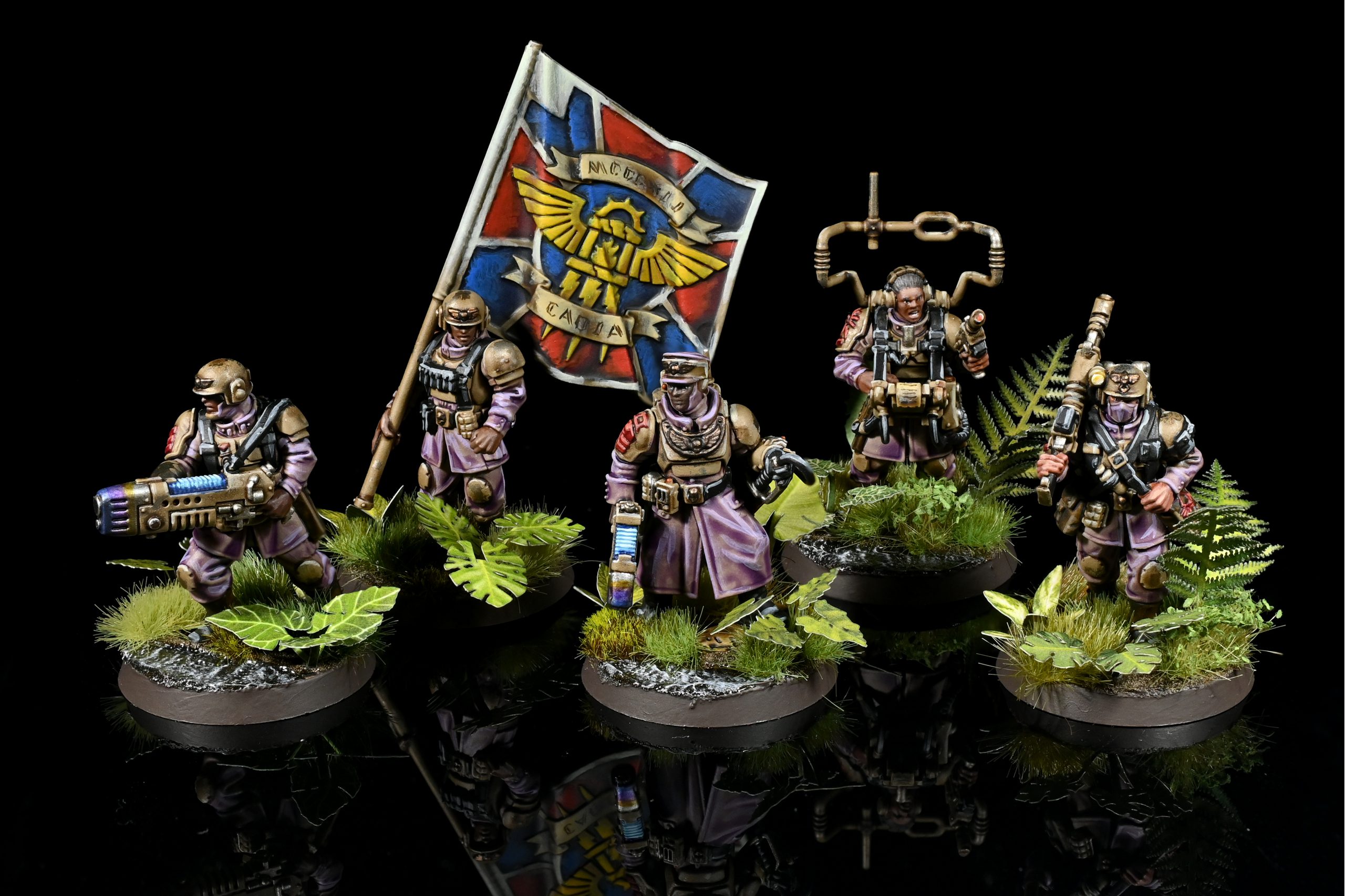
Despite the expertly choreographed action, a recurring sentiment among critics, including the original review, points to a perceived lack of depth in the characterization of Sergeant Taikon and the Tattershields. Even after 350 pages, readers might find themselves struggling to truly connect with the individual personalities, foibles, and internal lives of the Kasrkin.
This challenge, however, might not rest solely on Crowe’s shoulders. The modular structure of "Veterans of the Fall"—composed of a short story, a five-part serial, and a novella, presumably written at different times and for different publication contexts—could inherently impact narrative cohesion and character development. A writer given a dedicated novel commission can plan a continuous character arc from start to finish. In contrast, the start/stop nature of a "fix-up" novel, while offering publishing flexibility, might inadvertently hinder the organic growth and deepening of character portraits that a single, unified narrative allows.
Successful Imperial Guard stories, such as Dan Abnett’s iconic Gaunt’s Ghosts, Rhuairidh James’ critically acclaimed "Death Rider," or Callum Davis’ "Chem Dog," resonate deeply because of their unforgettable characters. These authors invest heavily in internal struggles, personal relationships, and unique quirks that bring their soldiers to life. While Crowe offers glimpses of such potential, like the poignant scene on page 216 where Orrich momentarily steps into the role of a Commissar, more such moments would have undoubtedly enriched the Tattershields’ humanity.
Canon and Credibility: Pushing the Boundaries
A minor, yet notable, point of contention for some readers involves moments where the narrative stretches the established canonical power levels of the Warhammer 40,000 universe. Instances such as a soldier surviving a direct burst to the chest from an Astartes bolter, or a small band of Kasrkin dispatching multiple Emperor’s Children in Terminator armor with surprisingly light casualties, might test the suspension of disbelief for lore-conscious fans.
The Astra Militarum’s inherent vulnerability—their human frailty against superhuman threats—is precisely what makes them such compelling heroes. Their courage in the face of impossible odds is amplified by their limited capabilities. When their feats begin to resemble those of Astartes, it risks undermining this core appeal and can detract from the gritty realism that often defines the best Imperial Guard stories. Balancing heroic narrative momentum with established lore consistency is a delicate act that authors must continuously navigate.
William Crowe’s Future in the Black Library
Despite these observations regarding character depth and canonical fidelity, "Veterans of the Fall" undeniably marks William Crowe as a promising new voice within the Black Library. The sheer quality of his combat narratives and his ability to craft engaging scenarios are significant strengths. The book showcases an author with a clear vision for the grim realities of war in the 41st Millennium and a talent for high-octane action.
The lingering question, however, is what Crowe could achieve with a dedicated, full-length novel commission, free from the structural constraints of a "fix-up" compilation. The promise is evident; with a more focused approach to character development, his Tattershields could easily stand alongside the pantheon of beloved Astra Militarum heroes. Fans and critics alike will undoubtedly be eager to see his next contribution to the Black Library, anticipating a future where his considerable talent for action is fully complemented by richly drawn, unforgettable characters. The continued development of authors like Crowe is vital for the Black Library to maintain its position as a leading publisher of genre fiction, ensuring a fresh supply of stories that resonate deeply with its dedicated readership.