The Invisible Queen of Media: The Remarkable Life and Lost Legacy of Stefanie Cragg
Main Facts: A Multi-Disciplinary Pioneer
In the annals of Hollywood history, names like Kathleen Kennedy and Sherry Lansing are frequently cited as the glass-ceiling breakers of the executive suite. However, a significant figure often remains in the shadows of public memory: Stefanie Cragg (born Stefanie Staffin, later known as Stefanie Kowal). Cragg was a woman who navigated the highest echelons of 1970s television and 1980s film production before walking away from the industry to reinvent herself as a meticulous indie comic book creator.
At the height of her corporate career, Cragg was the youngest woman ever named Vice President of long-form programming at Universal Television. She oversaw projects that would define an era, including an Emmy-winning stint at A.M. Chicago and producing the original version of The Four Seasons—a property later reimagined by Tina Fey. Despite these accolades, her final act was her most intimate: the creation of Midcentury Modern, a hand-stamped, limited-edition autobiographical comic that captured the grit and grace of a life lived across several media revolutions.
Cragg’s story is one of constant evolution—from a "ghost" responding to thousands of letters for Ann Landers to a studio boss who climbed onto her desk in joy upon receiving a life-changing call from Hollywood. She was a woman who mastered every medium she touched—newspapers, radio, television, and eventually, the sequential art of the comic book.
Chronology: From the "Wizard’s" Daughter to Studio Executive
The Chicago Foundation (1940s–1950s)
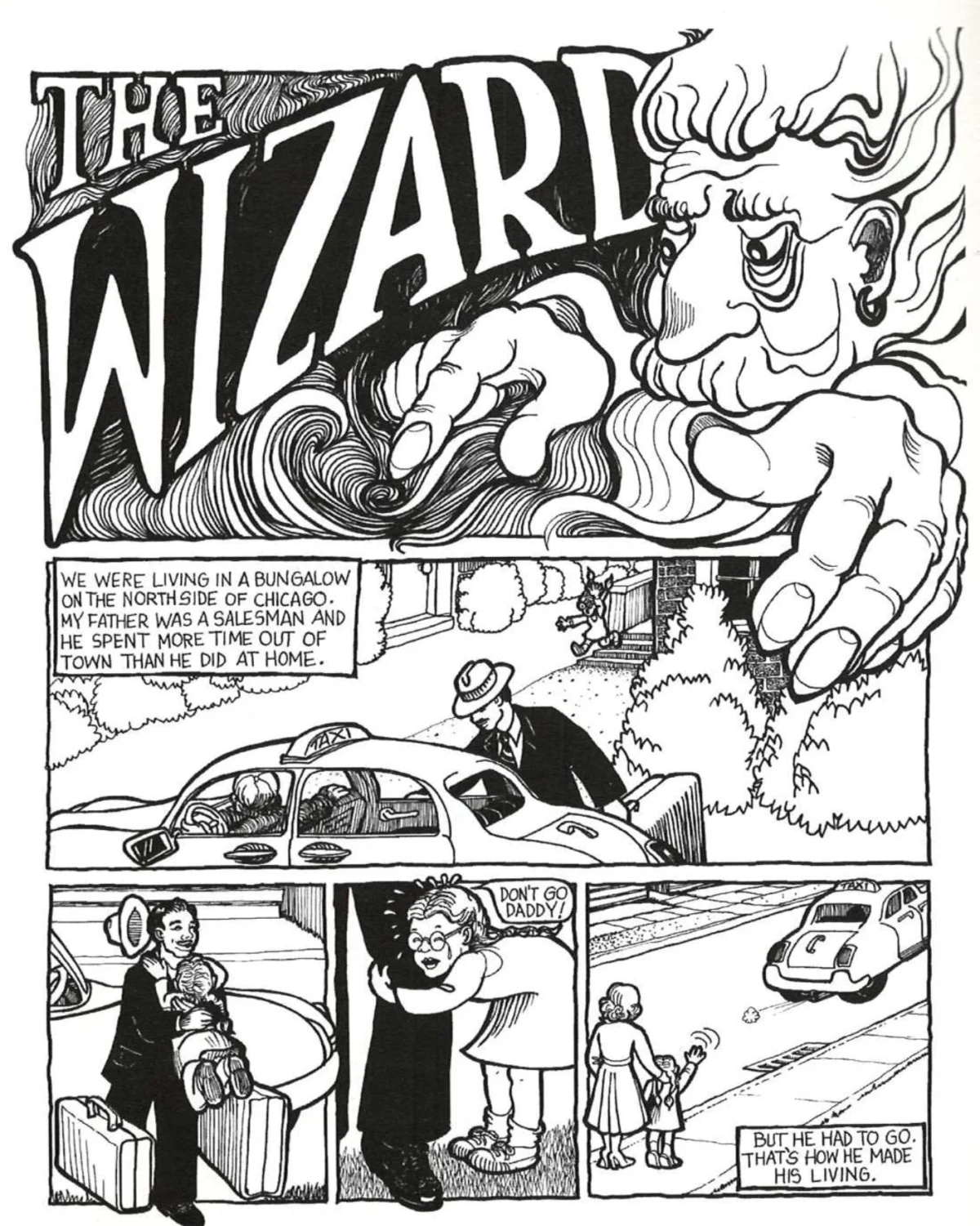
Stefanie Staffin’s journey began in the "middle-class grind" of Chicago. Her father, Max Staffin, was a traveling salesman who eventually built a foam rubber empire that supplied the U.S. government during World War II. Max was a man of the "hustle," a trait he passed to his daughter. A defining childhood memory involves "The Wizard"—a card-trick scam Max ran on the road to earn extra cash. Young Stefanie would act as his secret accomplice over the phone, delivering the "spellbinding" words to reveal a hidden card.
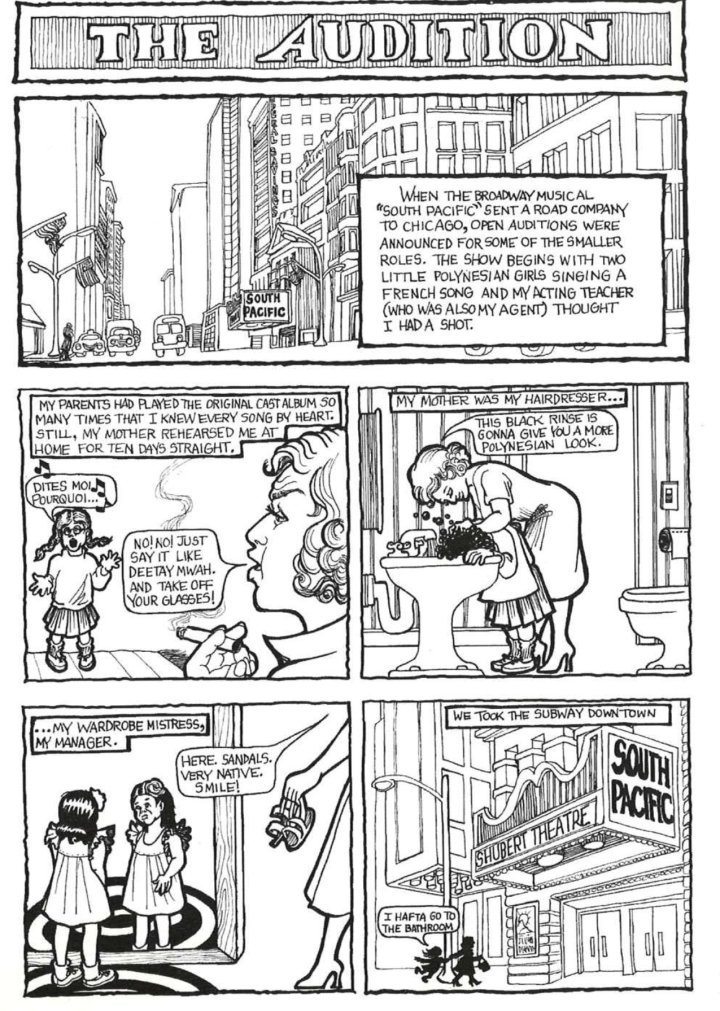
Her mother was equally influential, pushing Stefanie toward the stage. This era of her life was defined by grueling rehearsals for musicals like South Pacific, where she was forced to dye her hair black and discard her glasses to fit a specific "Polynesian" look. These early experiences in the Chicago "raw brick housing" fostered a resilience that would later serve her in the cutthroat environment of network television.
The Counter-Culture and the Ghostwriter (1960s–1970s)
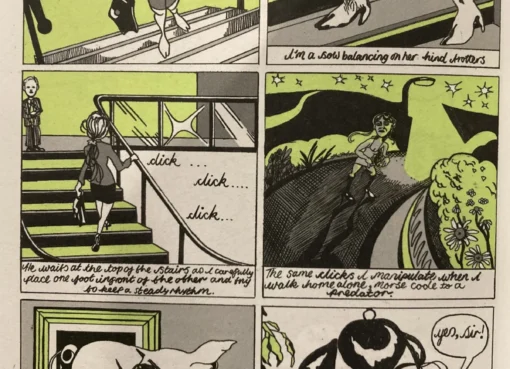
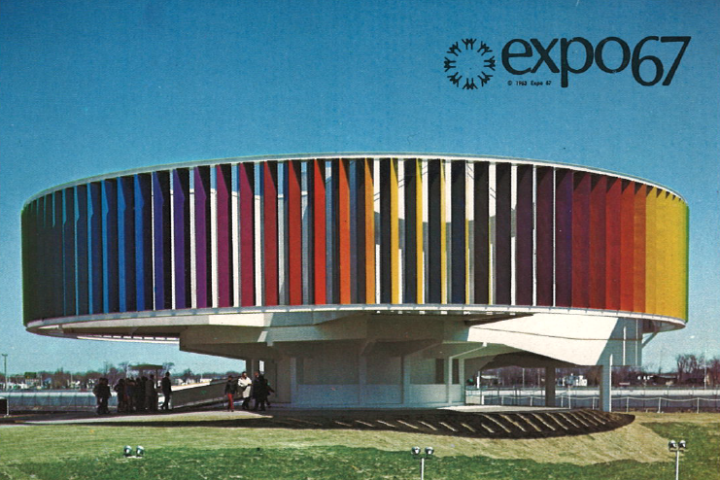
Rejecting the "glide path" of a wealthy heiress, Stefanie attended art school and moved to Montreal during the Vietnam War. She worked as a marionettist and participated in the political fervor of the Montreal Expo ’67. Even then, she possessed a signature style, protesting the war in knee-high Christian Dior patent leather boots—her "shit-kickers" that made her feel she could rule the world.

Returning to Chicago as Stefanie Kowal, she entered the professional media world through a unique door: ghostwriting for the legendary advice columnist Ann Landers. As part of a "crack team" of female writers, Kowal learned to inhabit Landers’ voice, responding to thousands of letters a month. Her success led her to produce Landers’ talk radio show, and eventually, she transitioned into television. In 1976, her work on A.M. Chicago earned her a local Emmy, catching the attention of Hollywood’s major players.
The Universal Ascent (1979–1986)
The transition to Los Angeles was cinematic. Upon being offered a development deal, Kowal reportedly climbed onto her desk in a moment of pure exuberance. Though courted by ABC, she chose Universal Television after being charmed by executive Frank Price. By 1979, she was the Vice President of long-form programming.
During her tenure, she was known as an "executive of the people." She avoided the isolation of the executive suite, preferring to spend time in the production offices with writers. Her credits grew to include a television adaptation of Little Women and a high-profile E.T. special featuring Robin Williams. However, by the mid-1980s, the "Hollywood thing" began to lose its luster. In 1986, she walked away from the studio system entirely.
The Final Act: Midcentury Modern (2000s–2026)
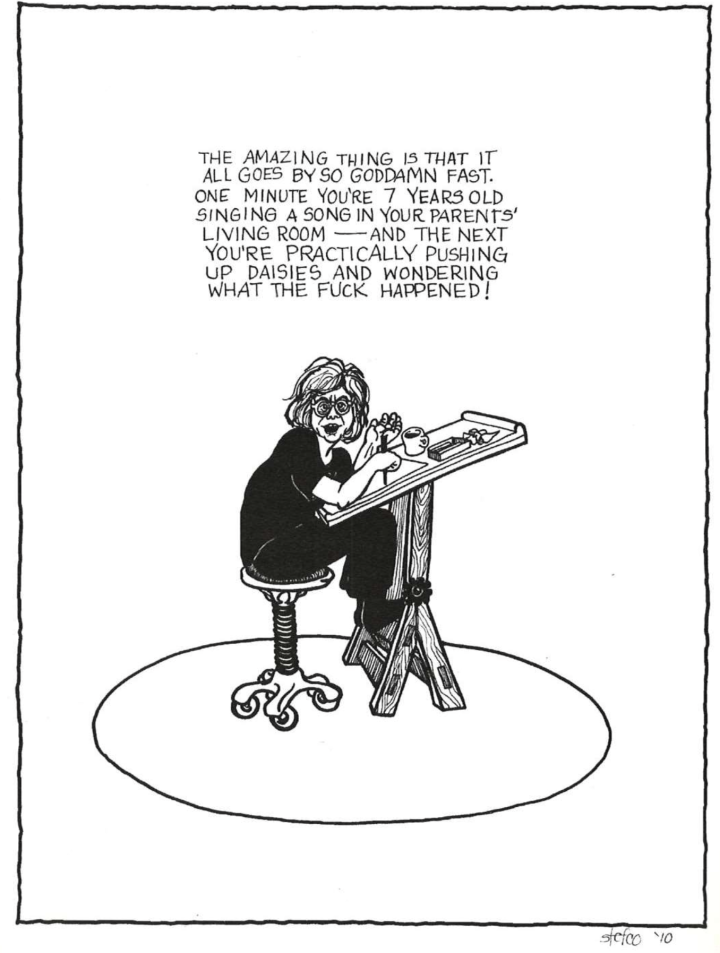
In her later years, now Stefanie Cragg, she returned to her first love: visual art. She studied architecture and design, which eventually culminated in the creation of her comic series, Midcentury Modern. The book was not a guide to furniture, but a "bio-comic" detailing her past lives. She produced it with a grueling, meticulous ink-only style, refusing to use pencils and initially shunning white-out, treating each page as a singular, permanent performance.
Supporting Data: The Craft of Midcentury Modern
The technical aspects of Cragg’s comic work highlight her transition from a mass-market producer to a fine artist.
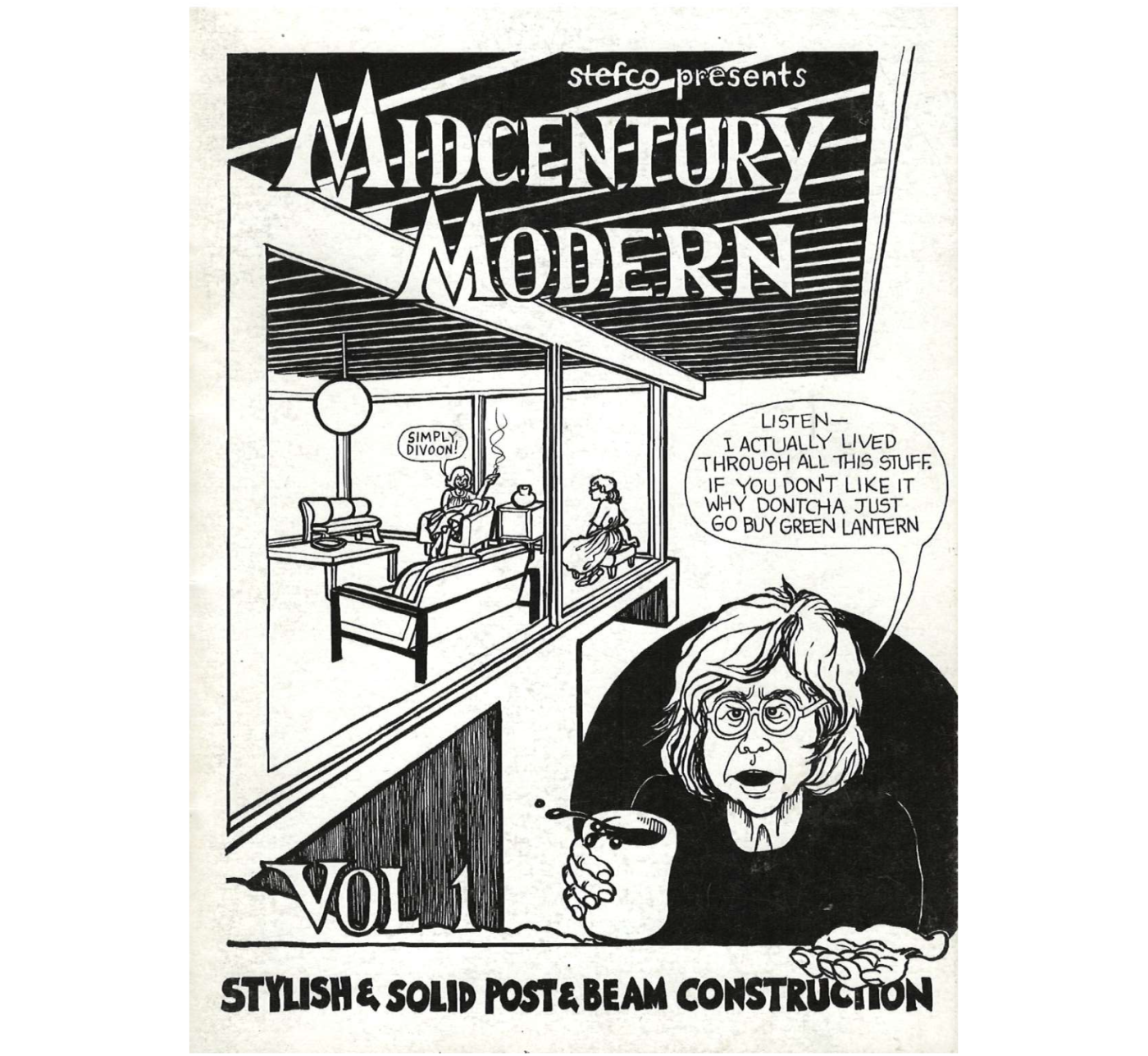
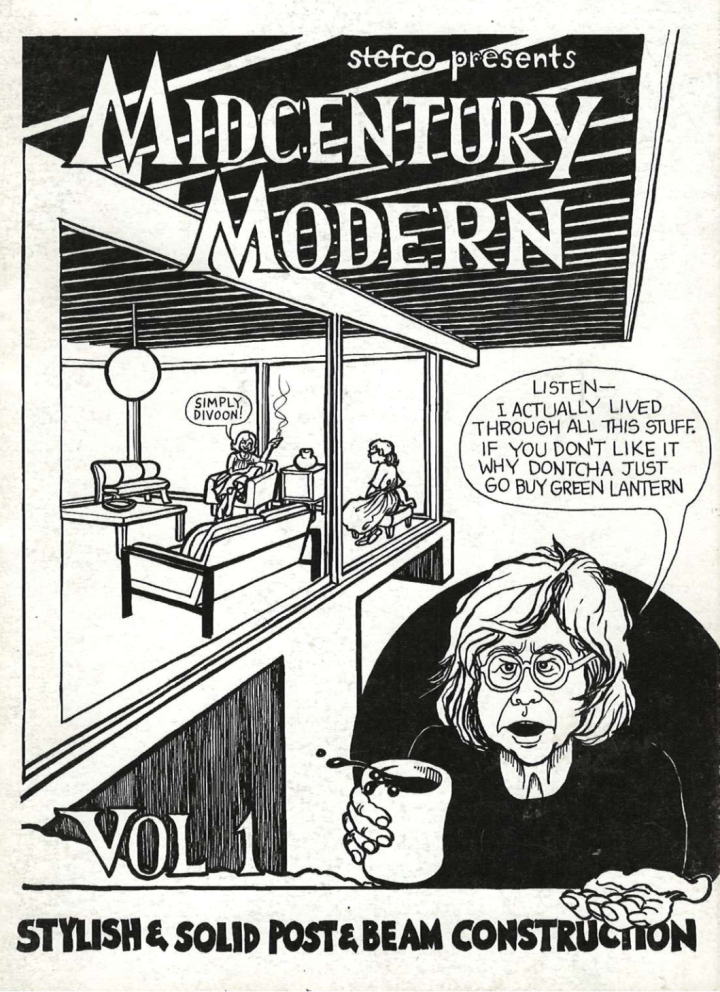
- Production Specs: Midcentury Modern Vol. 1 was released as a limited run of 100 copies. Each copy featured a hand-crafted "StefCo" red stamp of certification on the inner cover, numbering the edition.
- Artistic Methodology: Cragg used Micron markers almost exclusively. She worked directly onto the page from thumbnails, skipping the traditional penciling phase. This "high-wire" act of cartooning meant that a single mistake often resulted in the entire page being discarded.
- Visual Homage: The cover of Volume 1 is a direct homage to Julius Schulman’s iconic photograph of the Stahl House (Case Study House #22). Cragg meticulously rendered the architectural beams and shadows, placing herself and her mother within the frame—a metaphor for the structural foundations of her own identity.
- Archival Presence: Despite its limited release, the work has been recognized by academic institutions. It is currently listed in the Michigan State University library catalogue under "New Wave Comic Books."
Official Responses: Insights from Stephen Cragg
The most poignant data regarding Stefanie’s life and work comes from her former partner and husband, Stephen Cragg, a veteran TV director. In a series of reflections, he provides a window into her unique temperament and the tragedy of her unfinished work.
On her executive style:
"The writers loved her because she had a way of giving them notes without speaking down to them. She had a pure spirit, which is why I think she just lost her appetite for the Hollywood thing."
On her artistic stubbornness:
Cragg recounts a visit to the Hammer Museum to see Robert Crumb’s original art for the Book of Genesis. Upon noticing Crumb’s use of correction fluid, Stefanie exclaimed, "He uses White-out! I saw White-out!" This discovery finally gave her "permission" to use the tool in her own work, though she remained largely a purist.
On the unpublished Volume 2:
"She finished the interiors for the new book just as Volume 1 was hitting the shelves. Volume 2 is even funnier than the first. I’d love to put it out if we can get it together."
Implications: The Preservation of an Invisible Legacy
The death of Stefanie Cragg shortly after the release of Midcentury Modern Vol. 1 leaves a significant void in the history of independent media. Having died of complications from pneumonia and late-stage cancer, she left behind a completed but unpublished second volume.
The implications of her story are two-fold:
1. The Need for Archival Rescue
Cragg’s career represents a bridge between the "Old Hollywood" studio system and the modern "Indie" DIY movement. There is a growing call among comic historians and media archivists to ensure that Midcentury Modern Vol. 2 sees a professional release. Publishers like Microcosm or institutions like the Billy Ireland Cartoon Library & Museum are seen as potential stewards for this "grounded voice" that captures a vanished era of American life.
2. The Recognition of the "Invisible" Executive
Stefanie Cragg’s legacy challenges the traditional narrative of 20th-century media success. She proved that a woman could reach the top of the corporate ladder, influence the viewing habits of millions, and then successfully pivot to a deeply personal, hand-crafted medium. Her "Dior boots" left footprints across newspapers, radio, and television, yet her most enduring contribution may be the 100 copies of a comic book that told the truth about where she came from.
As the industry continues to look back at the pioneers of the 70s and 80s, Cragg stands as a reminder that some of the most influential voices weren’t always looking for the spotlight—sometimes, they were just looking for a fresh box of Micron markers and a story to tell.