The Web3 Mirage: Untangling the Conflated Myths of Crypto, Blockchain, NFTs, and Play-to-Earn
The contemporary digital landscape is currently dominated by a singular, overwhelming narrative: the inevitable rise of "Web3." Driven by a potent cocktail of macroeconomic shifts—specifically a long-standing climate of low interest rates and a pandemic-induced surge in investment wealth—the "crypto/blockchain/NFT bubble" has inflated with a velocity that dwarfs the Dot-com boom of the late 1990s.
However, beneath the veneer of technological revolution lies a dangerous trend. Promoters and speculators have begun to treat four distinct, often contradictory, growth areas as a monolithic entity. By conflating cryptocurrencies, blockchain technology, Non-Fungible Tokens (NFTs), and the "Play-to-Earn" (P2E) gaming model, they have created a "perfect storm" for misinformation. To navigate this landscape, one must disentangle these threads to determine where true value resides and where the architecture of a sophisticated Ponzi scheme begins.
The Chronology of a Digital Gold Rush
The trajectory of this movement can be traced from the fringes of cypherpunk culture to the boardrooms of Silicon Valley. It began in 2008 with Satoshi Nakamoto’s whitepaper, which introduced Bitcoin as a peer-to-peer electronic cash system. For nearly a decade, the focus remained narrow: the creation of a decentralized currency.
The second phase arrived around 2015 with the launch of Ethereum, which introduced "smart contracts." This expanded the scope from mere currency to a programmable platform, laying the groundwork for the 2017 Initial Coin Offering (ICO) craze. While many of these projects failed, the infrastructure for the current bubble was laid.
The third and most volatile phase began during the COVID-19 pandemic. With traditional markets initially reeling and global populations confined to their homes, "yield farming" and speculative trading exploded. This era saw the mainstreaming of NFTs—most notably through Beeple’s $69 million digital art sale in early 2021—and the rise of Axie Infinity, which popularized the Play-to-Earn model. Today, we stand at a crossroads where these technologies are being forced into industries, specifically gaming, often without a clear understanding of their functional utility.
Cryptocurrencies: Speculative Assets Masquerading as Money
The primary fallacy of the current movement is the rebranding of cryptocurrencies as a superior form of money. As historian Yuval Noah Harari notes in Sapiens, money is a "shared story"—a human agreement that a piece of paper or a digital digit holds value. Traditionally, this story is backed by the stability of a nation-state and its ability to enforce the rule of law.
Cryptocurrencies, however, lack this backing. They are currently struggling under the weight of three mutually contradictory identities:

- A Means of Trade: To function as a currency, an asset must be stable. If a consumer pays 0.001 Bitcoin for a coffee today, and that same fraction could buy a car next month, the incentive to spend vanishes.
- An Appreciating Asset: Promoters frequently highlight the astronomical returns of early adopters. However, an asset that is expected to rise 100% in value annually is a terrible currency; it encourages hoarding, not circulation.
- A Store of Value: Most individuals require their "money" to retain its purchasing power. The volatility of the crypto market—where "meme coins" like Dogecoin or Floki Inu can swing 50% in value based on a social media post—renders them useless as a reliable store of value.
Currently, cryptocurrencies are not currencies in the economic sense. They are speculative, low-liquidity assets akin to "meme stocks." Until they cease to be viewed as investments, they cannot function as money.
The Blockchain Trust Paradox
Blockchain is the foundational ledger technology for this entire ecosystem. Its proponents argue that by distributing a list of transactions across a global network, we can eliminate the need for "middlemen" like banks or governments.
However, as security expert Bruce Schneier has argued, blockchain does not eliminate the need for trust; it merely shifts it. Instead of trusting a regulated institution with a legal obligation to protect your assets, you are asked to trust the "code." This "code is law" philosophy offers no recourse for the user. If a digital wallet is hacked, a smart contract has a bug, or login credentials are lost, the assets are gone forever.
There is a fundamental question that remains unanswered by the Web3 movement: In what scenario is a decentralized, slow, and energy-intensive blockchain ledger superior to a traditional database managed by a trusted entity? For most commercial applications, the answer remains "none."
NFTs and the Illusion of Interoperability
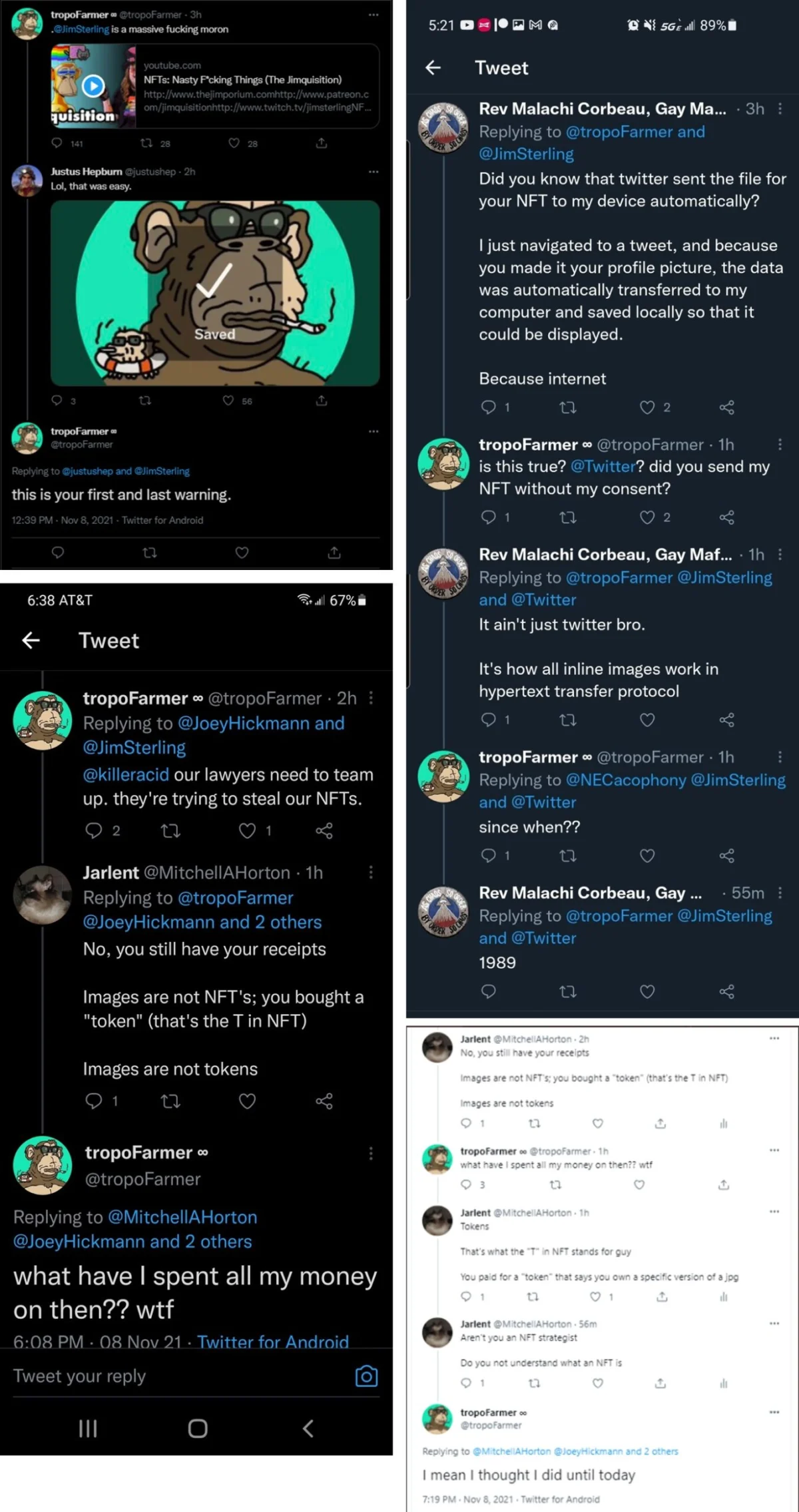
NFTs represent the most recent, and perhaps most misunderstood, layer of this bubble. At its core, an NFT is a digital certificate of ownership recorded on a blockchain. While it is often compared to a copyright, it lacks the legal framework and enforcement mechanisms that make copyrights valuable.
In the gaming sector, NFT advocates often cite "interoperability" as the ultimate consumer benefit. The pitch is enticing: "Imagine owning a sword in Lego Star Wars and being able to take it into World of Warcraft or Destiny."
From a game development perspective, this is a technical and economic impossibility. For an asset to move between games, it would require:
- Artistic Synchronization: A voxel item from Minecraft would look absurd in the hyper-realistic world of Call of Duty.
- Mechanical Balancing: A weapon’s stats must be balanced against thousands of other items. A "God-tier" sword from one game could break the economy of another.
- Economic Incentive: Why would a developer at Activision Blizzard spend thousands of man-hours to integrate an asset sold by a competitor, from which they receive no financial benefit?
Game worlds are "mini-monopolies" by design. Developers create value by controlling the ecosystem. The promise that NFTs will break these silos ignores the fundamental reality of how games are built and monetized.

Play-to-Earn: The End of Play?
The final theme, Play-to-Earn, suggests a "creator economy" where players are compensated for their time and effort. While the idea of turning a hobby into a livelihood is appealing, it runs into the "Overjustification Effect." Psychological studies suggest that when an intrinsically enjoyable task (like playing a game) is tied to a financial reward, the internal motivation to perform that task wanes. The "play" becomes "labor."
Furthermore, P2E models often resemble digital sweatshops. In developing economies, players have been known to "grind" for tokens in games like Axie Infinity to earn a wage that exceeds local minimums. However, these economies are often circular; the value of the tokens depends on a constant influx of new players buying in. If the player base stops growing, the token value collapses, leaving the "workers" with worthless digital assets.
Official Responses and Expert Perspectives
The global regulatory response to this conflation has been one of increasing caution. The U.S. Securities and Exchange Commission (SEC) has repeatedly warned that many crypto-assets and NFTs may constitute unregistered securities.
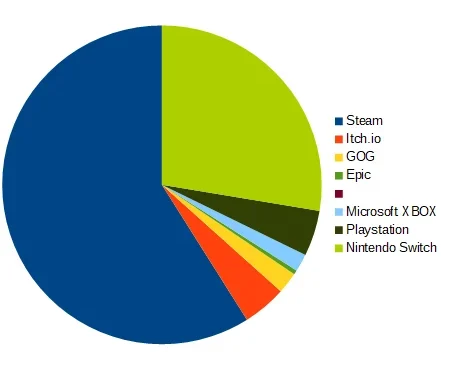
In the gaming industry, the divide is stark. Valve’s Steam platform has banned all games involving blockchain or NFTs, citing the prevalence of scams and the volatility of the underlying assets. Phil Spencer, CEO of Microsoft Gaming (Xbox), has expressed skepticism, stating that some NFT projects feel "more exploitative than about entertainment."
Conversely, companies like Ubisoft have attempted to integrate NFTs (through their "Quartz" platform), only to meet fierce backlash from a consumer base that views these additions as "rent-seeking" behavior by corporations.
Implications: The Path Forward
The danger of the current Web3 narrative is that it uses the genuine potential of blockchain—perhaps as a more efficient way to track existing copyright systems or supply chains—to mask the "shysterism" of speculative bubbles.
If we continue to conflate these four areas, the inevitable bursting of the bubble will not only wipe out the savings of retail investors but may also stifle the development of the underlying technology for a generation. For the gaming industry, the risk is a fundamental shift away from "fun" and toward "financialization," where every interaction is a transaction and every player is a line item on a ledger.
As we move forward, the only way to identify real value is to evaluate each project in isolation. Does it need a cryptocurrency? Does the blockchain provide a unique solution? Does the NFT convey actual, enforceable rights? And most importantly, is the game actually fun to play without the promise of a paycheck? Until the industry can answer "yes" to these questions, the Web3 revolution remains a shifting mirage.