Rachel Gillig’s "The Knave and the Moon" Sweeps Global Bestseller Lists as Speculative Fiction Markets Surge
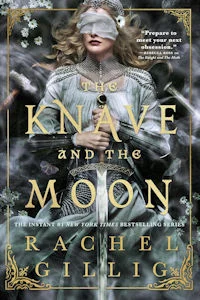
The mid-September 2026 literary charts have signaled a definitive shift in the speculative fiction landscape, as Rachel Gillig’s highly anticipated sequel, The Knave and the Moon, achieved a rare "grand slam" across major international bestseller lists. Published by Orbit, the second installment in The Stonewater Kingdom series debuted at the number-one spot on three of the four primary print lists surveyed, marking a milestone for the author and reinforcing the commercial dominance of the "Romantasy" subgenre.
While Gillig’s ascent serves as the week’s headline, the broader data reveals a robust market for genre fiction. New entries from literary SF heavyweight Chloe Benjamin, epic fantasy architect James Islington, and the collaborative powerhouse of Brandon Sanderson and Janci Patterson have created one of the most competitive sales windows of the year. Simultaneously, the enduring presence of indie-to-traditional crossovers—most notably Matt Dinniman’s Dungeon Crawler Carl series—suggests a fundamental restructuring of how readers discover and sustain long-form speculative narratives.
Chronology of a Dominant Debut: September 6–20, 2026
The sales data for the current period reflects a staggered reporting cycle across various regions and platforms, providing a comprehensive look at the "launch window" for late-summer releases.
The cycle began on September 6, with the USA Today combined list. This list, which merges fiction and nonfiction across all formats (hardcover, paperback, and digital), saw The Knave and the Moon immediately seize the #1 position. This performance was particularly notable given the competition from perennial nonfiction bestsellers and established thriller novelists.
By September 13, the Los Angeles Times reported the book at #4 on its regional list, indicating strong West Coast performance, though slightly trailing behind literary fiction favorites in that specific market. However, the momentum surged again by September 14, when both Publishers Weekly (PW) and Amazon’s internal trackers (US, UK, and Canada) updated their metrics. Gillig maintained the #1 spot on the PW list, a critical industry benchmark for retail sell-through.
The crowning achievement arrived with the September 20 New York Times Bestseller List (posted in advance of print). Gillig’s #1 debut on the Hardcover Fiction list solidified her status as a premier voice in modern fantasy, following the viral success of her previous works, One Dark Window and Two Twisted Crowns.
Supporting Data: A Multi-Front Battle for the Charts
While Gillig took the lion’s share of the spotlight, the data reveals several other significant movements within the speculative fiction ecosystem.
The Rise of "New SF" and Epic Returns
Chloe Benjamin, known for the crossover literary hit The Immortalists, made a significant splash with her new SF-leaning novel, Under Story. Debuting on three major lists—including a #3 spot on the LA Times and #15 on Publishers Weekly—Benjamin’s success highlights a growing appetite for "literary speculative" works that bridge the gap between genre tropes and high-concept prose.
In the realm of traditional epic fantasy, James Islington’s Scion (Saga Press) proved that the demand for complex, world-building-heavy narratives remains high. Scion debuted at #9 on the New York Times and #8 on Publishers Weekly, a testament to Islington’s growing fanbase following his Licanius Trilogy.
The Sanderson-Patterson Synergy
The collaboration between Brandon Sanderson and Janci Patterson, Blightfall, also made a strong showing. Debuting at #2 on the New York Times and #8 on Publishers Weekly, the title demonstrates the unwavering "Sanderson Effect," where the author’s brand—combined with Patterson’s narrative flair—guarantees immediate chart placement regardless of the specific subgenre.
The "Dungeon Crawler Carl" Phenomenon
Perhaps the most statistically significant trend in the current data is the ubiquity of Matt Dinniman’s Dungeon Crawler Carl (DCC) series. Originally a self-published sensation in the "LitRPG" (Literary Role-Playing Game) space, the series’ transition to traditional publishing via Ace/Penguin Random House has been a masterclass in market expansion.

During this reporting period, Dinniman held a staggering nine positions across the various lists:
- A Parade of Horribles (#19 PW, #81 Amazon)
- Carl’s Doomsday Scenario (#39 USAT, #88 Amazon, #98 Amazon Canada)
- The Dungeon Anarchist’s Cookbook (#8 NYT, #17 Amazon)
- The Gate of the Feral Gods (#14 NYT, #51 USAT, #33 Amazon)
The presence of backlist titles from this series suggests a "binge-reading" culture among fans, where new readers are entering the ecosystem and purchasing the entire catalog simultaneously.
Official Context: Publisher Strategy and the "Deluxe Edition" Trend
The data also highlights a strategic shift by publishers toward high-value, collectible physical editions. This is evidenced by the debut of Brom’s Slewfoot: Deluxe Limited Edition and the continued presence of Pierce Brown’s Red Rising (Deluxe Slipcase Edition).
Brom’s Slewfoot entered the USA Today list at #61 and Publishers Weekly at #25. Industry analysts suggest that as digital reading continues to dominate for convenience, the physical book market is bifurcating into two extremes: affordable mass-market paperbacks and "prestige" hardcovers. These deluxe editions, often featuring sprayed edges, foil stamping, and interior illustrations, cater to the "BookTok" and "Bookstagram" demographics, where the book is treated as a piece of art as much as a vessel for a story.
Orbit and Saga Press, in particular, have leaned into this aesthetic-forward marketing. The success of Gillig’s The Knave and the Moon was bolstered by significant social media engagement revolving around the book’s cover design and limited-edition variants, a strategy that is now standard for major fantasy launches.
Market Implications: The Longevity of Speculative Giants
The mid-September data underscores the "long-tail" viability of speculative fiction compared to other genres. While contemporary romance and thrillers often see a sharp decline after the first two weeks of release, SFF (Science Fiction and Fantasy) titles show remarkable resilience.
The Maas and Yarros Legacies
Sarah J. Maas continues to be a foundational pillar of the industry. Her titles, A Court of Splintered Harmony and A Court of Forgotten Melody, remain in the top 15 of Amazon’s US and UK charts months after their initial release. Similarly, Rebecca Yarros’s Onyx Storm and Threshing Day continue to fluctuate within the top 10, with Threshing Day holding the #1 spot on Amazon Canada this week.
The Backlist "Evergreens"
The presence of Ray Bradbury’s Fahrenheit 451 (#57 USAT, #32 Amazon) and Lois Lowry’s The Giver (#89 USAT) on the charts in 2026 speaks to the enduring nature of the "academic backlist." These titles are buoyed by the start of the school year, yet their continued sales alongside modern hits like Project Hail Mary by Andy Weir (#4 NYT, #10 LAT) suggests that speculative fiction remains the primary lens through which both students and casual readers explore societal themes.
Conclusion: A Golden Age for Genre Fiction?
The data from the September 2026 bestseller lists paints a picture of a thriving, multifaceted industry. Rachel Gillig’s #1 sweep is not an isolated event but rather the peak of a wave that includes indie-success stories like Matt Dinniman, literary experiments like Chloe Benjamin, and the "prestige" physical media of Brom.
For publishers, the message is clear: the speculative fiction reader is a highly engaged, format-diverse consumer who values both the newness of a sequel and the reliability of a classic. As we move into the fourth quarter of 2026, the momentum generated by The Knave and the Moon and its contemporaries suggests that the "Golden Age" of genre fiction shows no signs of waning. The boundary between "niche" fantasy and "mainstream" bestseller has not just been blurred; it has been entirely dismantled.