The Unseen Architect: Exploring the Metaphysical Realm of Human Consciousness
A casual encounter in a coffee shop sparks a profound discussion on the nature of purpose, altruism, and the elusive "mind."
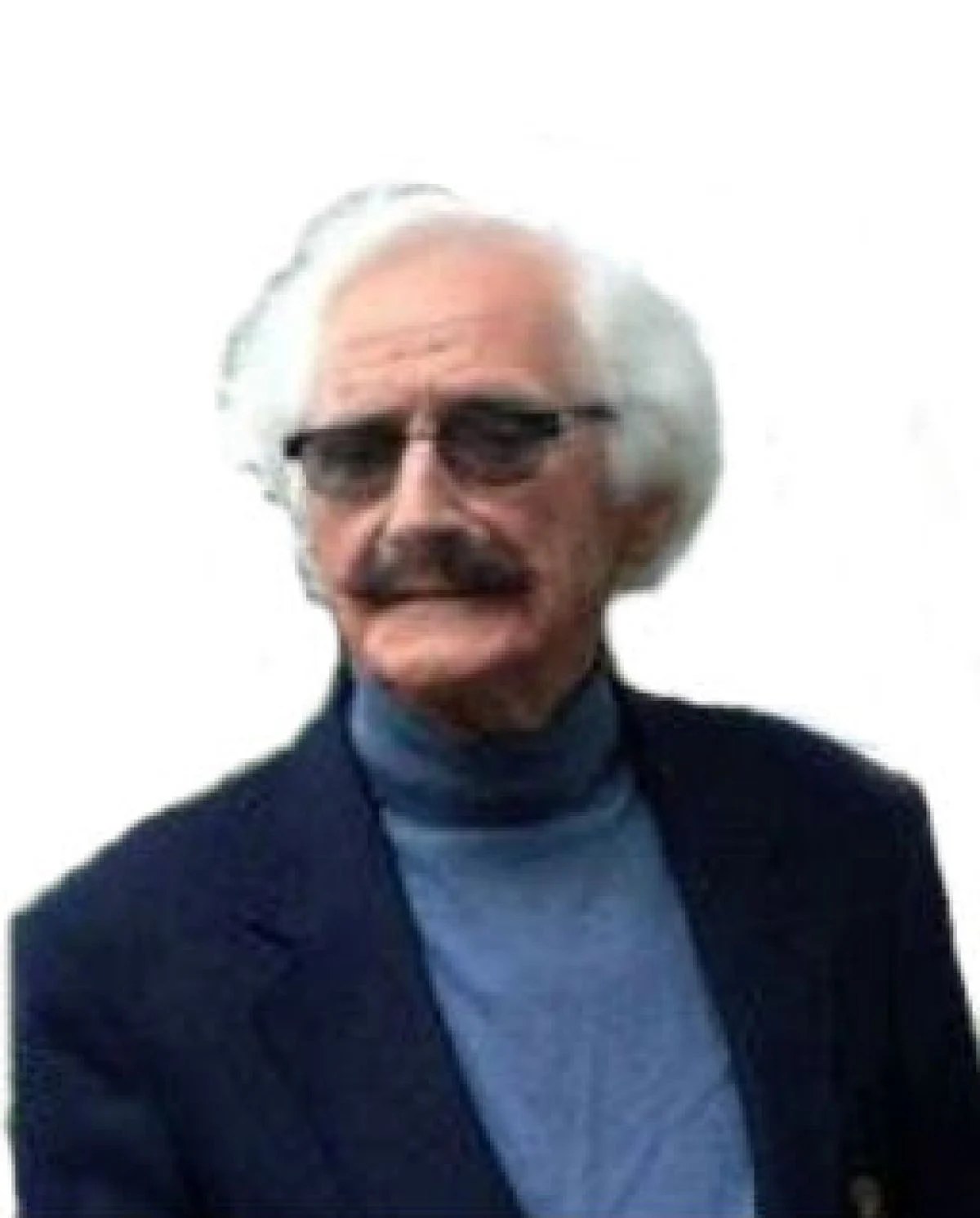
[City, State] – [Date] – In the hushed hum of a local coffee shop, a retired philosophy and psychology professor found himself drawn into a conversation that transcended the usual pleasantries. The chance encounter with two university students, eager to glean wisdom from his academic background, unexpectedly steered the discussion towards the profound and often overlooked dimensions of human existence: purpose, compassion, and the very essence of consciousness.
The professor, whose identity remains anonymous for the purpose of this narrative, recounted his experience, highlighting a common thread of inquiry from students grappling with life’s larger questions. "When they learned I was a retired university professor in philosophy and psychology," he shared, "the inevitable questions were asked." These inquiries, he explained, often revolved around the elusive concept of purpose, a notion that has spurred countless debates and existential journeys throughout human history.
The Persistent Quest for Purpose Amidst Human Imperfection
The initial exchange delved into the complexities of finding purpose, both on an individual and societal level. The professor acknowledged the inherent difficulty in articulating a definitive answer, pointing to the persistent conflicts and struggles that have marked human history. "It was not easy to talk about purpose," he admitted. "Nations, as well as individuals, have been fighting and killing each other off throughout history. There’s still a hell of a lot to be desired when it comes to looking for benevolent and spiritually tolerant attitudes between individuals and nations."
This candid assessment, however, did not lead to a purely pessimistic outlook. The professor quickly pivoted to highlight the enduring presence of altruism and compassion, acting as powerful counterpoints to the darker aspects of human nature. He cited the remarkable work of organizations like Doctors Without Borders as shining examples of humanity’s capacity for selflessness.
Altruism in Action: The Unsung Heroes of Compassion
The dedication of medical professionals working in the world’s most perilous regions serves as a potent testament to the human spirit. These doctors and nurses, the professor elaborated, are not merely performing a job; they are driven by a profound "altruistic need to act." They venture into dangerous territories, risking their lives and careers, to alleviate suffering and extend aid to those in dire need. This, he emphasized, is a powerful manifestation of a "moral persuasion, that internal force known as the human spirit."
This discussion on altruism naturally led to a deeper exploration of the underlying motivations and the very nature of consciousness that drives such selfless acts. It was here that the concept of the "metaphysical" emerged as a central theme.
Unveiling the Metaphysical: Beyond the Veil of Senses
The professor noted with interest that only one of the two students present grasped the significance of the word "metaphysical." This observation underscores a broader societal disconnect from concepts that extend beyond the immediately observable and tangible. Metaphysics, he explained, signifies a level of awareness in human consciousness that transcends the realm of appearances and the limitations of our five senses.
"Metaphysical awareness is a kind of silent dialogue constantly asking questions raised by one’s always questing imagination," he articulated, linking it to the exploration of "how and why of the psychological complexity of one’s self." This internal exploration, he suggested, is driven by a force long described as "spirit, the human spirit."
Aristotle’s Legacy: Coining the Term for Abstract Thought
To illuminate the historical roots of this concept, the professor invoked the wisdom of the ancient Greek scientist and philosopher, Aristotle. It was Aristotle, he explained, who coined the term "metaphysical" to describe this abstract nature of mental activity. The prefix "meta" signifying "beyond" or "after," introduced the profound concept of mind – a realm of awareness encompassing thoughts, ideas, feelings, hunches, and ruminations. These are not mere biological functions but rather manifestations of an "intuitive range of consciousness," often described as inspirational and serving the forces of spirit, ultimately instigated by what could be termed the soul.
This historical perspective provided a framework for understanding human consciousness not as a singular entity but as a duality. The professor proposed that human awareness comprises two interconnected aspects: the "outwardly directed rational and sensory brain" and the "inwardly directed intuitive and spiritual brain." Together, these two facets form the intricate "mental partnership we call mind."
The Unexamined Self: A Glimpse into Individual Uniqueness
Despite the depth of the discussion, a poignant moment arrived when the professor posed a seemingly simple question: "Did they ever ponder the unique nature of their own personalities?" The response, he recounted with a touch of melancholy, was a pair of "blank looks." This observation suggests a potential gap in educational curricula or societal emphasis on introspection and self-awareness, particularly concerning the more abstract and intuitive aspects of human experience.
As the coffee cups emptied and the conversation drew to a close, the professor sought to leave his young interlocutors with a lasting thought, a powerful summation of the intangible nature of the mind. He recalled the words of Wilder Penfield, a renowned Canadian neuroscientist and brain surgeon. Penfield, in his attempts to describe the phenomenon of mind, famously characterized it as a "non-temporal, non-spatial entity." This definition, the professor concluded, perfectly encapsulates the metaphysical essence of consciousness – something that exists beyond the constraints of physical time and space.
This brief encounter, sparked by a routine car service, serves as a microcosm of a larger conversation that continues to unfold in academic halls and philosophical circles worldwide. It highlights the enduring human quest for meaning, the remarkable capacity for altruism, and the profound, often unexamined, nature of our own inner worlds. The exploration of the metaphysical, while seemingly abstract, offers a pathway to a deeper understanding of what it truly means to be human, encouraging us to look beyond the immediate and embrace the unseen architects of our thoughts, feelings, and actions.