Into the Virtual Realm: Pine Studio Unveils VR Open Beta for Escape Simulator 2

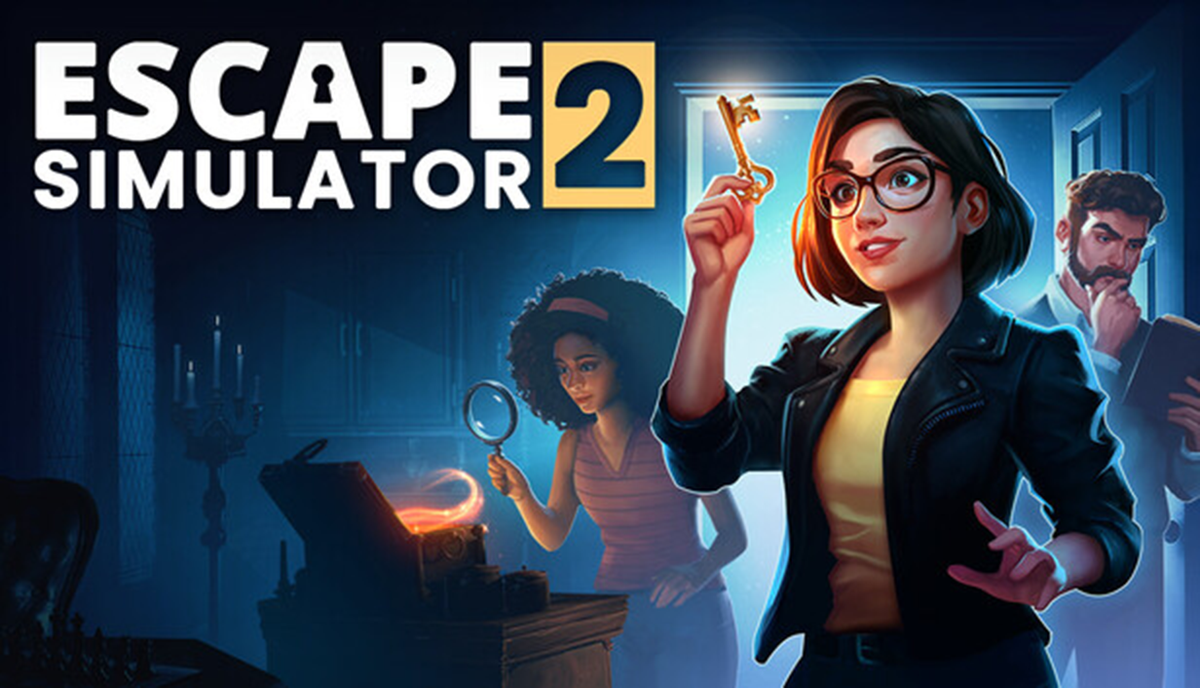
The intersection of physical puzzle-solving and digital immersion has found a new benchmark as Pine Studio officially announces the launch of the VR Open Beta for Escape Simulator 2. Following the massive success of its predecessor and the strong critical reception of the sequel’s standard PC release, this move represents a pivotal step in the developer’s roadmap. By bringing virtual reality support to a title built on intricate physics and tactile interaction, Pine Studio is not merely porting a game; they are attempting to fulfill the ultimate promise of the escape room genre: total immersion.
Main Facts: The Transition to Virtual Reality
In a comprehensive update posted to the Steam community blog, Pine Studio confirmed that a public VR preview for Escape Simulator 2 is now live. This sequel, which has already established itself as a premier co-op puzzle experience since its launch in October 2023, is now inviting players to step directly into its meticulously crafted environments.
The VR mode is currently being offered as an "Open Beta," accessible through a specific branch on the Steam platform. This designation is crucial, as the developer has been transparent about the "work-in-progress" nature of the build. While the core mechanics—grabbing objects, solving environmental puzzles, and navigating 3D spaces—are functional, the experience is not yet feature-complete.
Key Features of the Beta
- Full Campaign Access: According to Pine Studio, all official rooms designed for the base game are playable in VR.
- Physics-Based Interaction: The sequel’s enhanced physics engine remains the core of the VR experience, allowing for more natural manipulation of objects.
- Multiplayer Functionality: The game’s hallmark co-op support remains active, allowing players to tackle rooms together within the VR environment.
Current Limitations
As this is an early test build, several notable features are currently absent:
- Invisible Avatars: Character models and visible player hands have not yet been implemented, which may affect the sense of presence for some users.
- Community Content Gap: While the original Escape Simulator was famous for its thousands of community-made rooms, official support for user-generated content (UGC) in the Escape Simulator 2 VR mode is still pending.
- Technical Polish: Users are warned to expect occasional bugs, interaction glitches, and optimization issues typical of a pre-release VR implementation.
Chronology: The Evolution of a Puzzle Powerhouse
To understand the significance of this VR transition, one must look at the trajectory of the Escape Simulator franchise. Pine Studio’s journey began with the 2021 release of the original Escape Simulator, a title that defied expectations by selling millions of copies and becoming a staple of the "hidden gem" category on Steam.
The Success of the Original (2021–2023)
The first game succeeded by focusing on three pillars: realistic physics, a robust level editor, and seamless co-op. It allowed players to feel the weight of objects and the logic of mechanical puzzles. When VR support was eventually added to the first game, it was hailed as one of the most natural fits for the hardware, leading to a surge in its player base.
The Launch of Escape Simulator 2 (October 2023)
Building on that momentum, Pine Studio released Escape Simulator 2 in late 2023. The sequel was designed to be "bigger, better, and more beautiful." It moved away from the somewhat stylized graphics of the first game toward a more detailed, high-fidelity aesthetic. The puzzle complexity was ramped up, and the multiplayer netcode was overhauled to provide a smoother experience for groups of friends.
The Road to VR (Late 2023 – Present)
Since the sequel’s launch, the community’s primary request has been VR support. Pine Studio spent the months following the initial release refining the PC experience and gathering data on player behavior. The announcement of the VR Open Beta marks the culmination of nearly a year of specialized development aimed at translating the sequel’s more complex interactions into a 3D spatial format.
Supporting Data: Performance and Market Position
Escape Simulator 2 enters the VR space from a position of strength. As of the current reporting period, the game maintains a "Very Positive" rating on Steam, backed by over 1,800 user reviews. This sentiment is a testament to the game’s polish and the developer’s history of consistent post-launch support.
Pricing and Accessibility
In a move to encourage testing and expand the player base during the beta period, Pine Studio has introduced a promotional discount.
- Regular Price: $19.99
- Current Sale Price: $15.99 (20% discount)
- VR Availability: Included as a free update for all owners of the base game.
Technical Specifications
While the developer has not released final VR-specific system requirements, the base game already demands more from hardware than its predecessor due to its improved visuals. The VR mode, which requires rendering the game twice (once for each eye) at high frame rates, will likely necessitate a mid-to-high-range gaming PC. Currently, the beta is compatible with major SteamVR-supported headsets, including the Valve Index, HTC Vive series, and Meta Quest (via Link or Air Link).
Engagement Metrics
The original game boasted a community that created over 4,000 custom rooms. Escape Simulator 2 aims to replicate this ecosystem. Although the VR beta does not yet support community rooms, the developer’s data suggests that once this feature is unlocked, the longevity of the VR mode will increase exponentially, as it did with the first title.
Official Responses: Pine Studio’s Development Philosophy
Pine Studio has maintained a highly communicative relationship with its community, a strategy that has served them well during the transition to VR. In their Steam blog update, the studio emphasized that the current beta is a collaborative effort between the developers and the players.
"We are seeking community feedback to help refine the experience ahead of the full release," the team stated. This "player-first" approach is intended to catch edge cases in VR interaction that might not be apparent in traditional 2D testing. For instance, how a player ducks under a laser or reaches for a high shelf in VR can vary wildly depending on their physical setup and height—variables that are best tested by a diverse public audience.
The studio also addressed the missing features, particularly the lack of visible hands. They noted that implementing a satisfying "IK" (Inverse Kinematics) system for character models in a game where you frequently crouch, crawl, and stretch is a significant technical challenge. By releasing the beta without these models, they allow players to test the logic and mechanics of the puzzles while the art and animation teams continue to work on the visual representation of the player.
Implications: The Future of the VR Escape Room Genre
The launch of the Escape Simulator 2 VR beta has broader implications for the VR industry and the puzzle genre at large.
1. The "VR-First" Design Philosophy
While Escape Simulator 2 was released first on PC, its mechanics—picking up keys, rotating dials, and sliding drawers—are inherently spatial. This beta proves that the industry is moving toward a "hybrid" model where high-fidelity PC games are built with VR interaction in mind from the ground up. This reduces the friction of "VR ports" and results in a more cohesive experience.
2. The Power of Co-op in VR
VR can often be a solitary experience. However, the Escape Simulator series has always been about social interaction. By bringing the sequel’s enhanced multiplayer to VR, Pine Studio is providing a "social hub" experience that goes beyond simple gaming. It allows friends separated by geography to inhabit the same physical-logical space, solving problems together in a way that flat screens cannot replicate.
3. Setting the Standard for Physics
Many VR titles struggle with "floaty" physics or objects clipping through walls. Because Escape Simulator 2 is built on a foundation of rigid-body physics for its puzzles, it sets a high bar for environmental interaction. Success in this beta could push other VR developers to invest more in physics engines, moving away from scripted animations toward truly emergent gameplay.
4. The Role of Community Feedback
By utilizing the Steam "open_beta" branch, Pine Studio is demonstrating a sustainable model for VR development. Rather than releasing a broken product, they are inviting the most dedicated fans to help "break" the game in controlled ways. This transparency builds brand loyalty and ensures that the final "1.0" VR release will be optimized for a wide range of hardware and player preferences.
Conclusion
The Escape Simulator 2 VR Open Beta is more than just a technical preview; it is a glimpse into the future of immersive entertainment. For a franchise that has already conquered the PC puzzle market, the move into VR is the logical next step in its evolution. While the beta currently lacks the visual polish of visible player models and the infinite replayability of community rooms, the core "official" experience is already proving to be a compelling reason for VR enthusiasts to dust off their headsets.
As Pine Studio continues to iterate based on player feedback, Escape Simulator 2 is well on its way to becoming the definitive VR escape room experience. For now, players can grab the game at a discount, jump into the beta branch, and start solving the mystery of how to make virtual reality feel just a little more real.